I began my quest to learn Italian in mid 2024. Since then I have used Duolingo daily (currently 850+ consecutive days racked up), I have undertaken five regular semesters of study at the Centre of Italian Studies (CIS) in Carlton (each involving 15 hours of face-to-face classwork), three intensive courses at CIS (each involving 15 hours of face-to-face classwork), and have used other learning resources such as online listening programs (eg, News In Slow Italian), and have read books in simple Italian.
I now have 50 days ahead of me to practise what I have learned, and of course to enjoy various parts of Italy with she who cannot be named (SWCBN).
Sardegna — Cagliari and surrounds
This island has been a crossroads of invasion, conquest, and card playing for millenia. Actually I didn’t see anyone playing cards, but i have my Scopa deck ready just in case. We start in the capital, Cagliari. The first several people we met all come from here. If I meet anyone from the mainland I’ll let you know. The locals call mainlanders ‘continentali’. Sardinians regard themselves as Sardinian, not Italian (at least not primarily) whereas the continentali think everyone here is Italian.
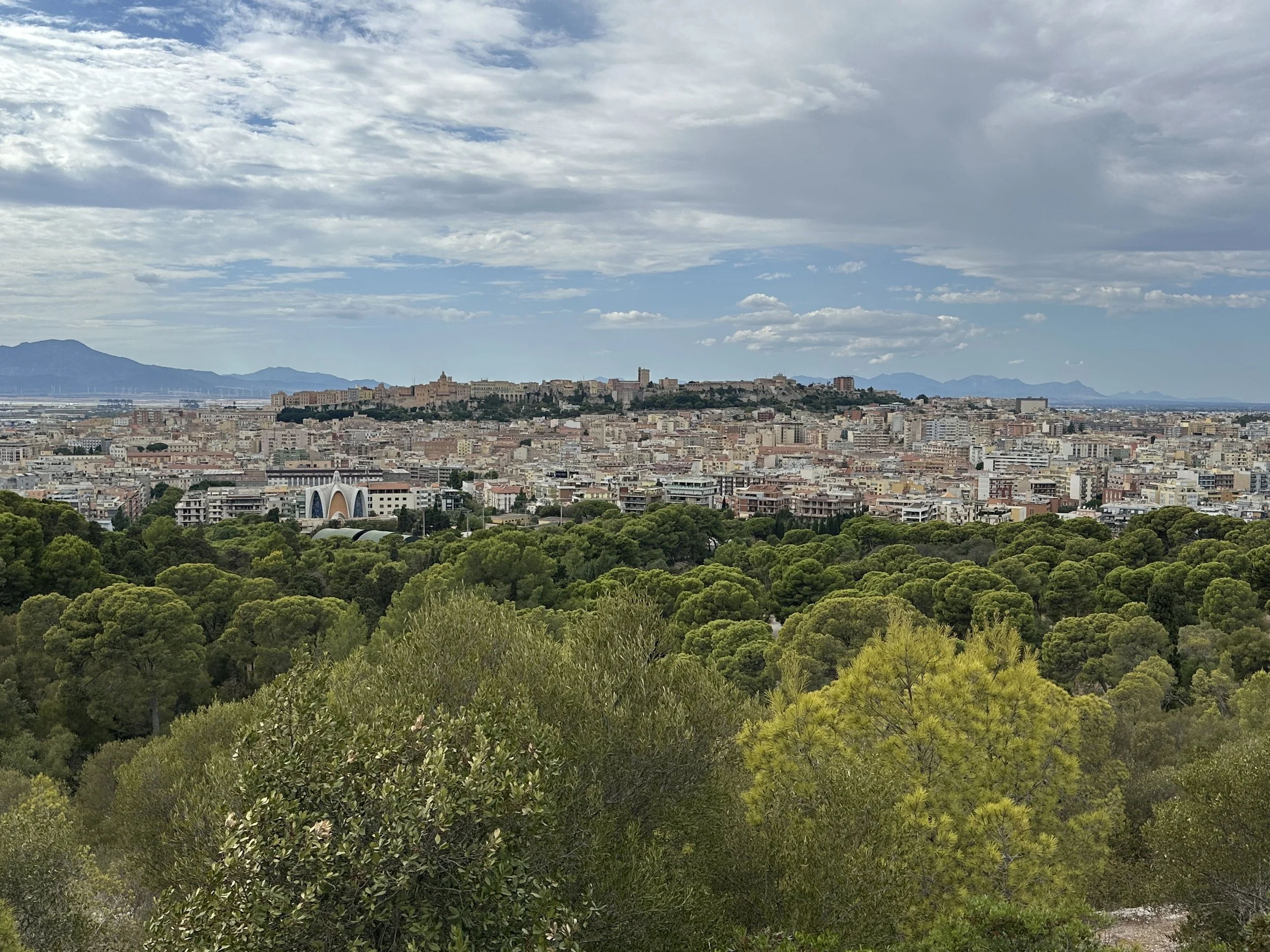
A guided walking tour around the city introduced us to evidence of Phoenician, Carthaginian, Moorish and Spanish invaders, as well as incursions and derring do performed by Pisans, Genovese, Romans, and the French. Of course the Americans also bombed Cagliari during WW2.
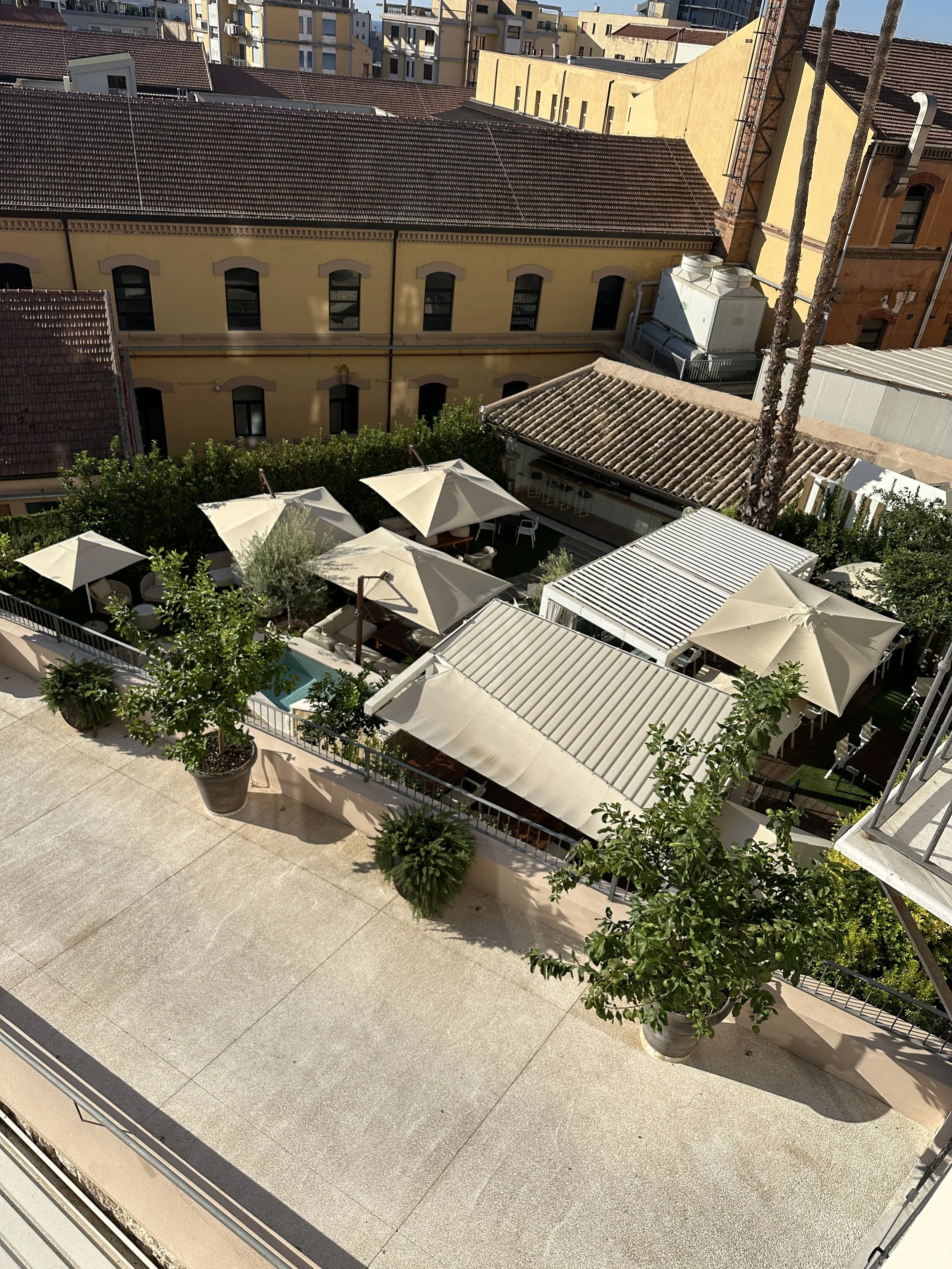
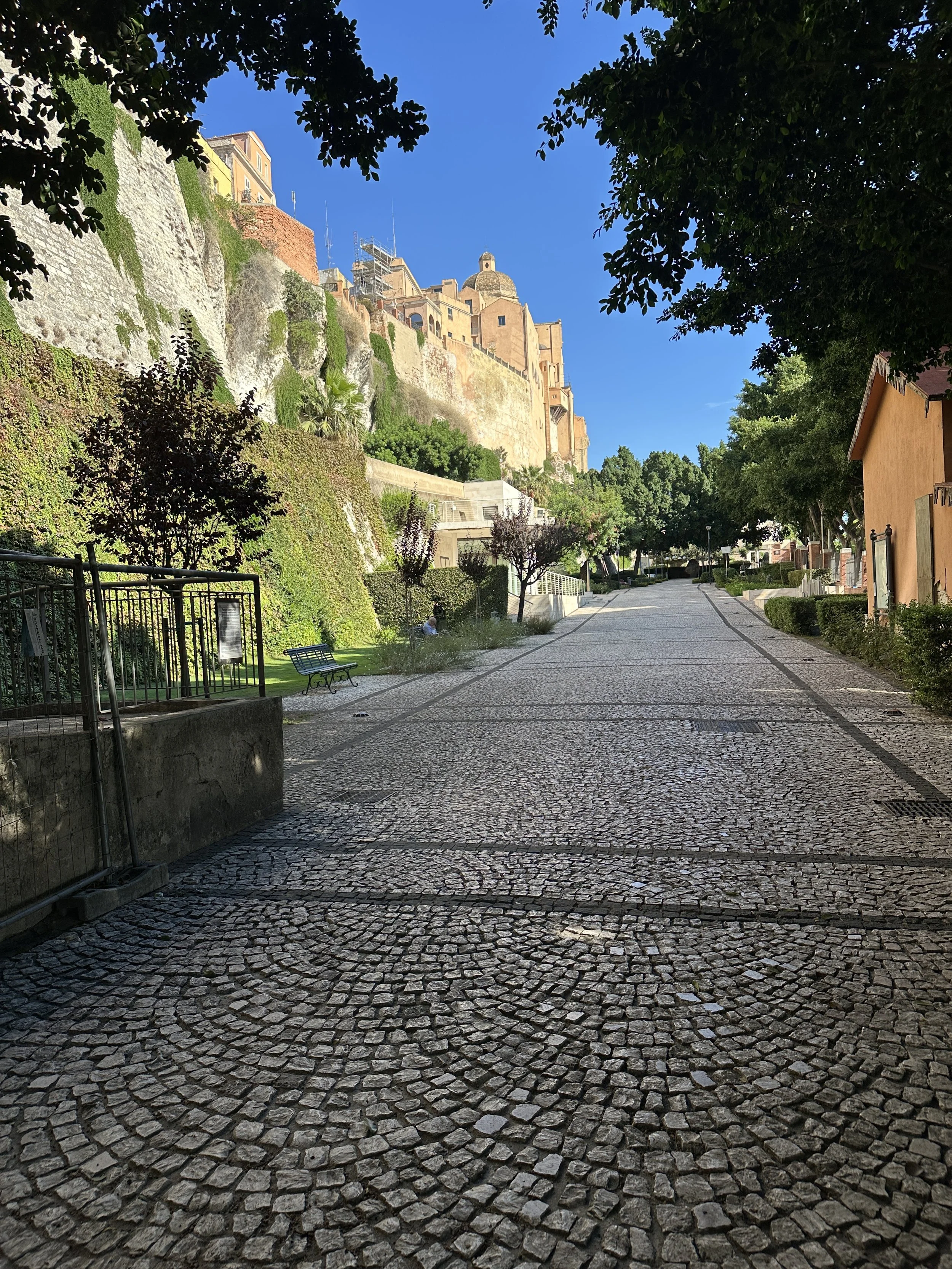
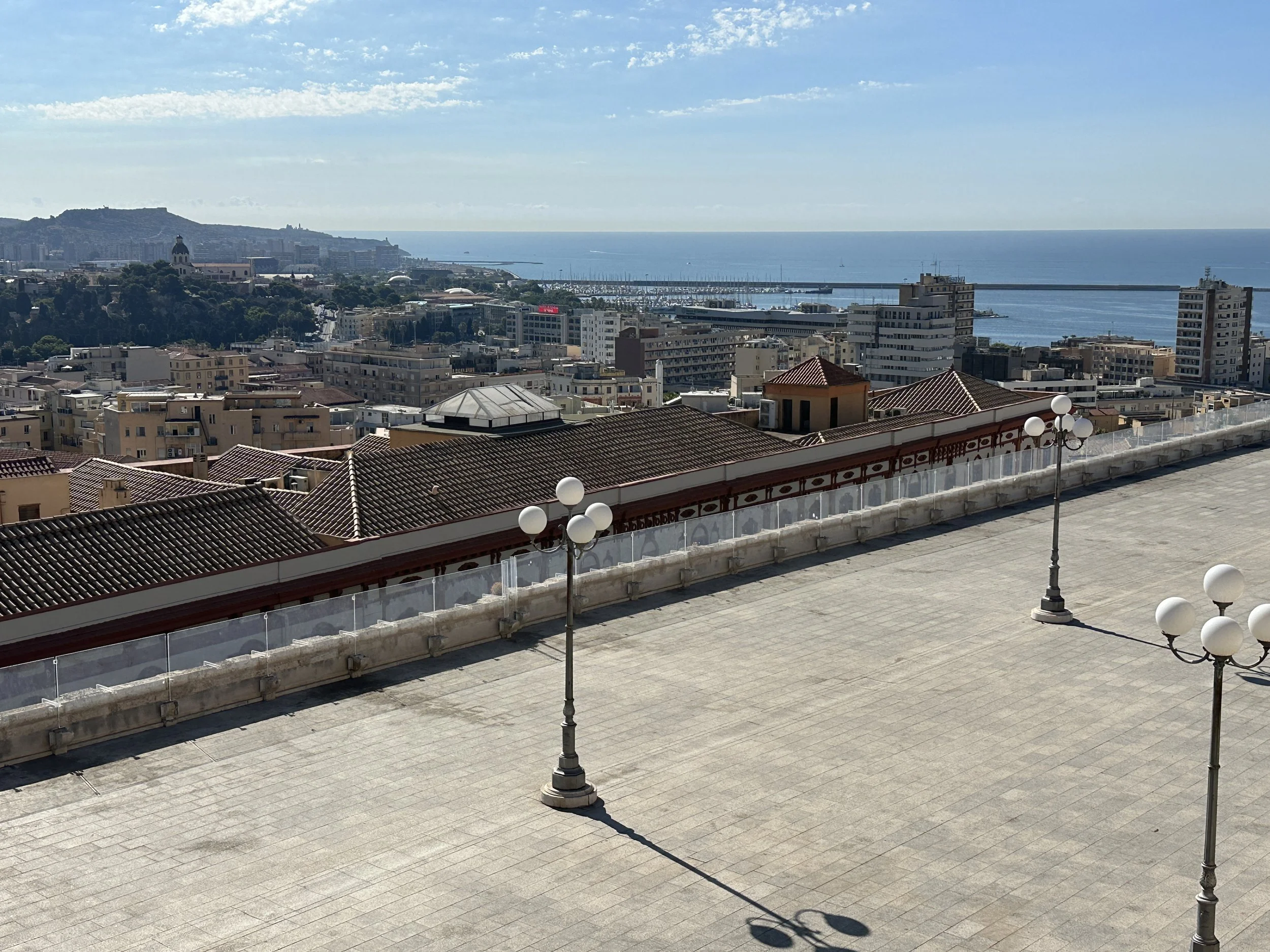
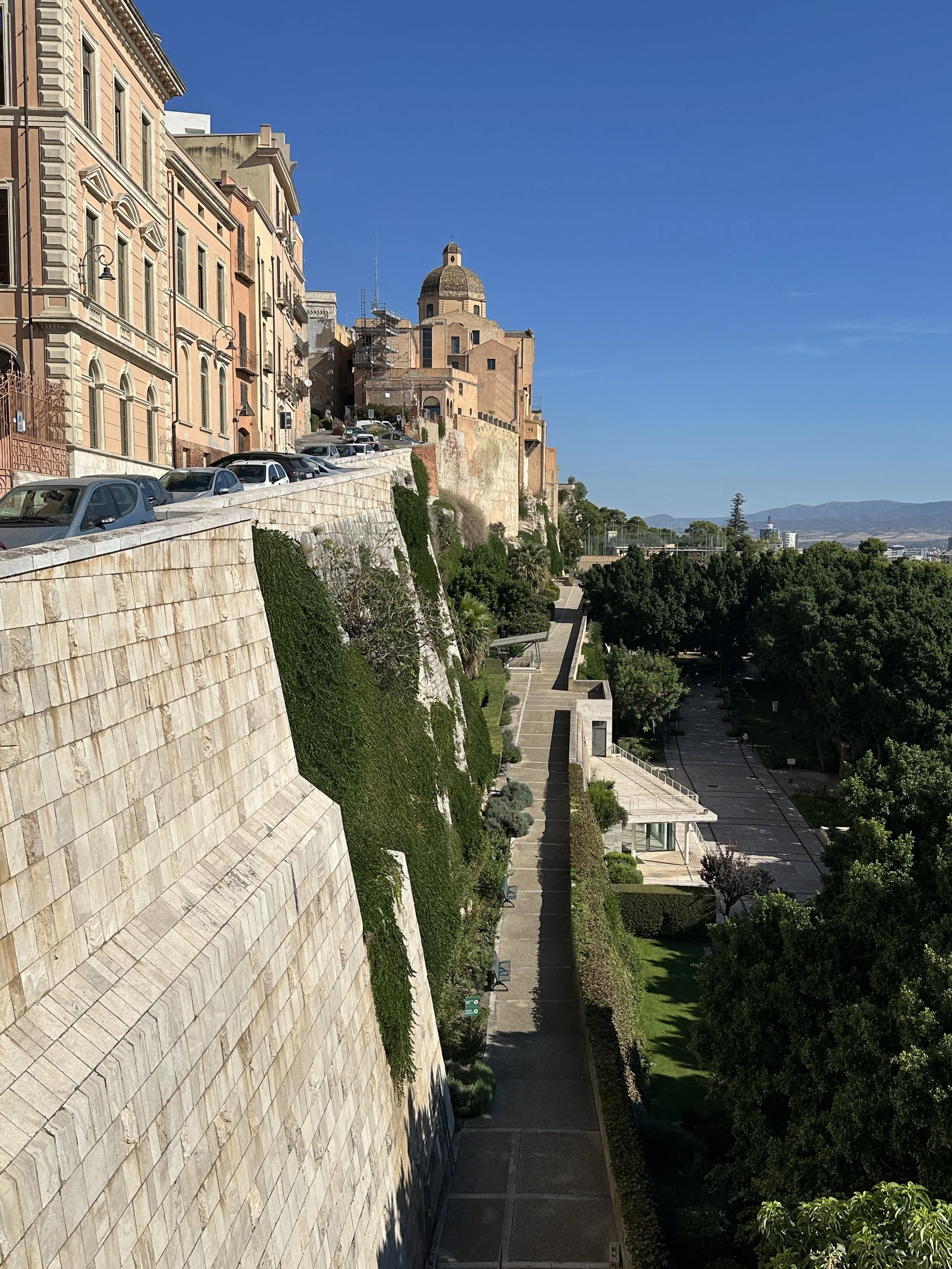
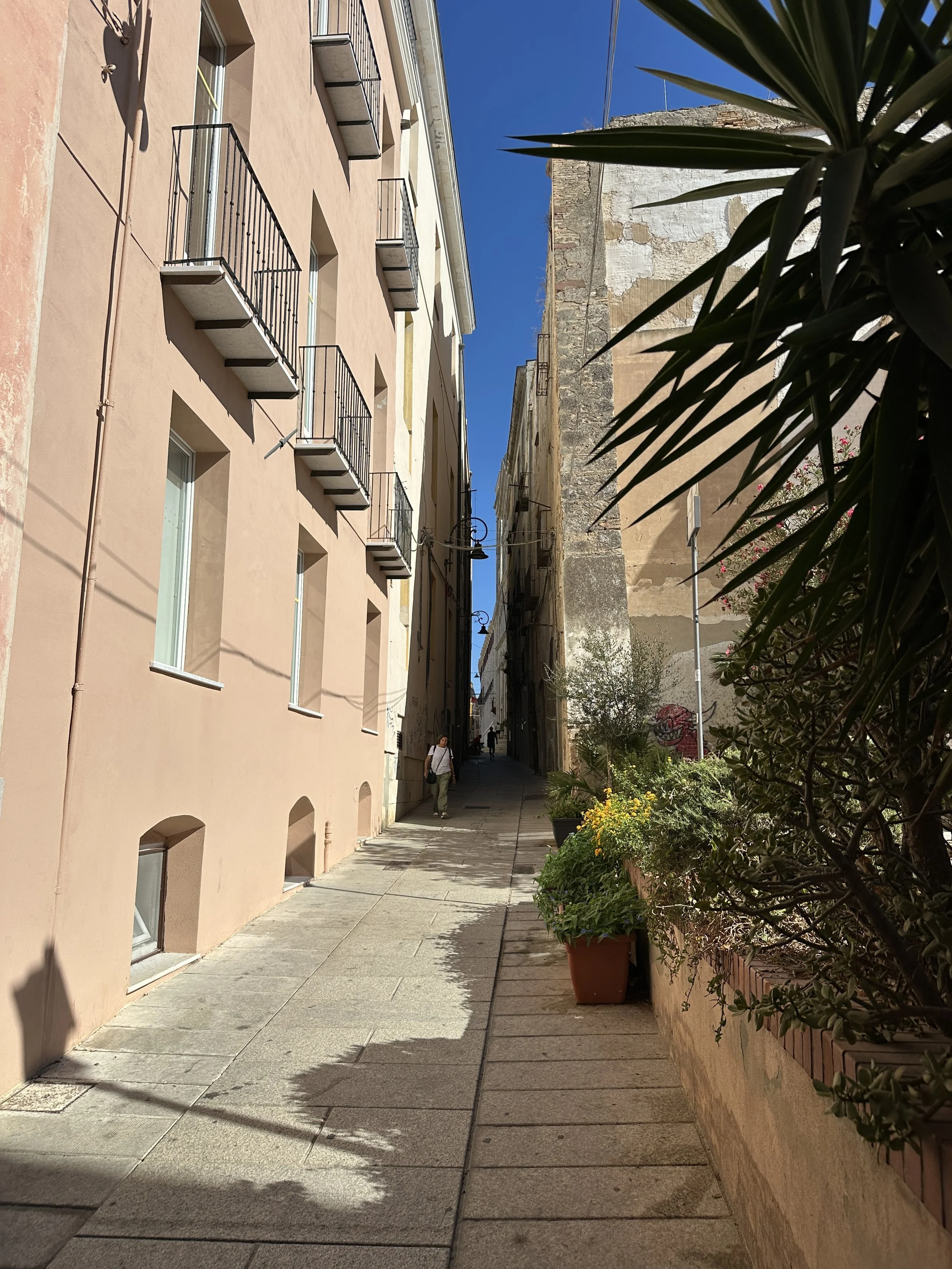
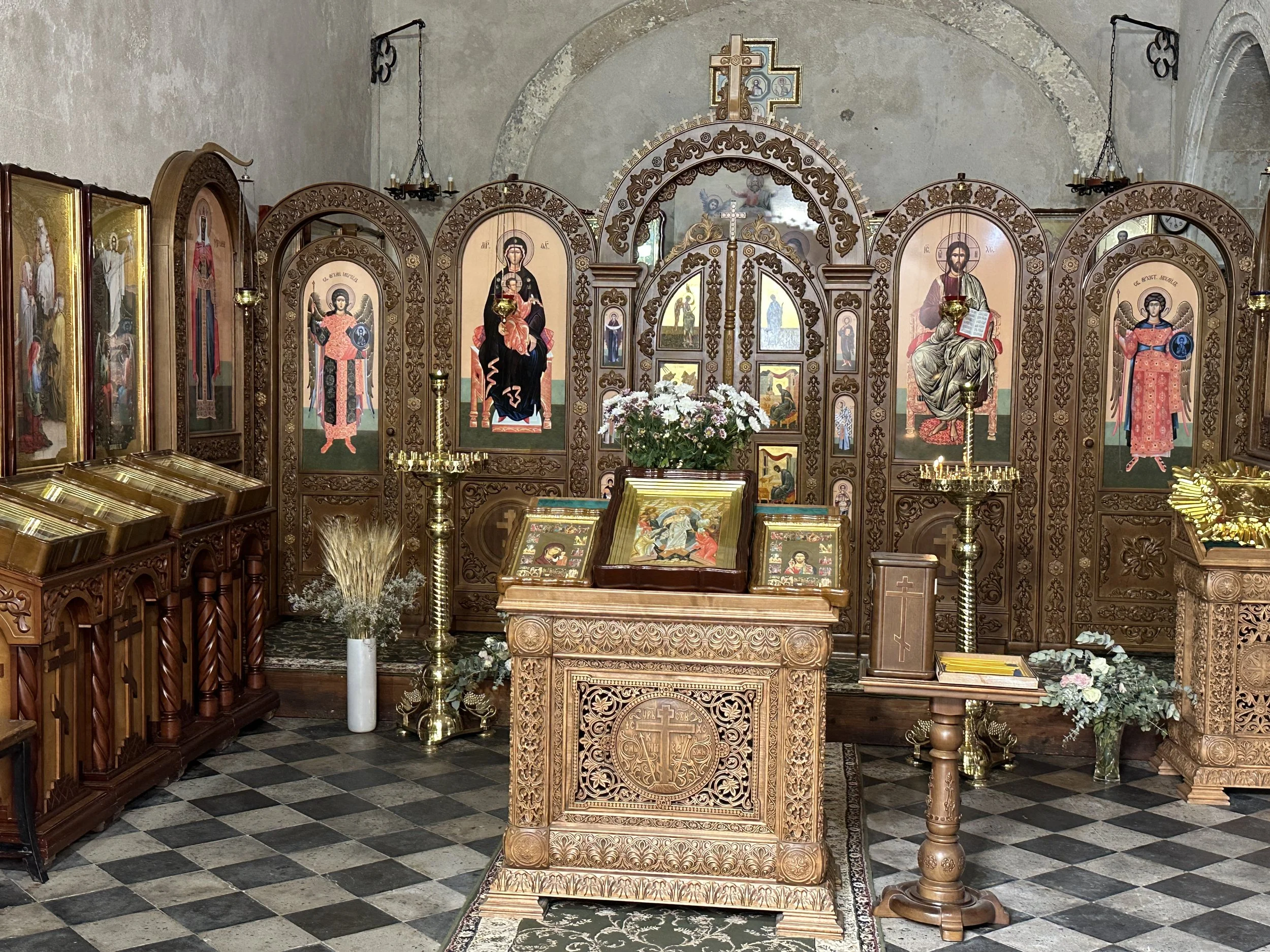
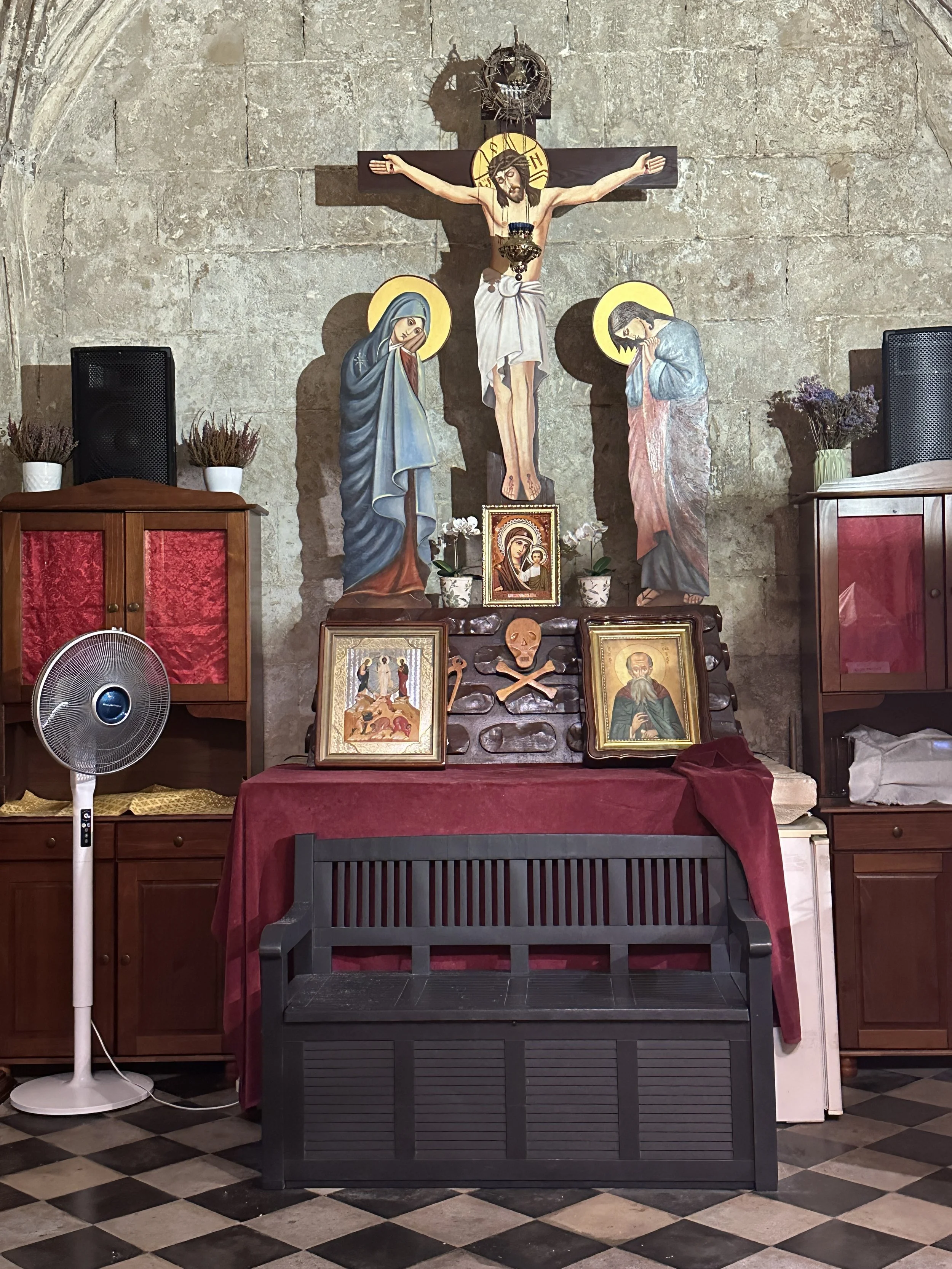
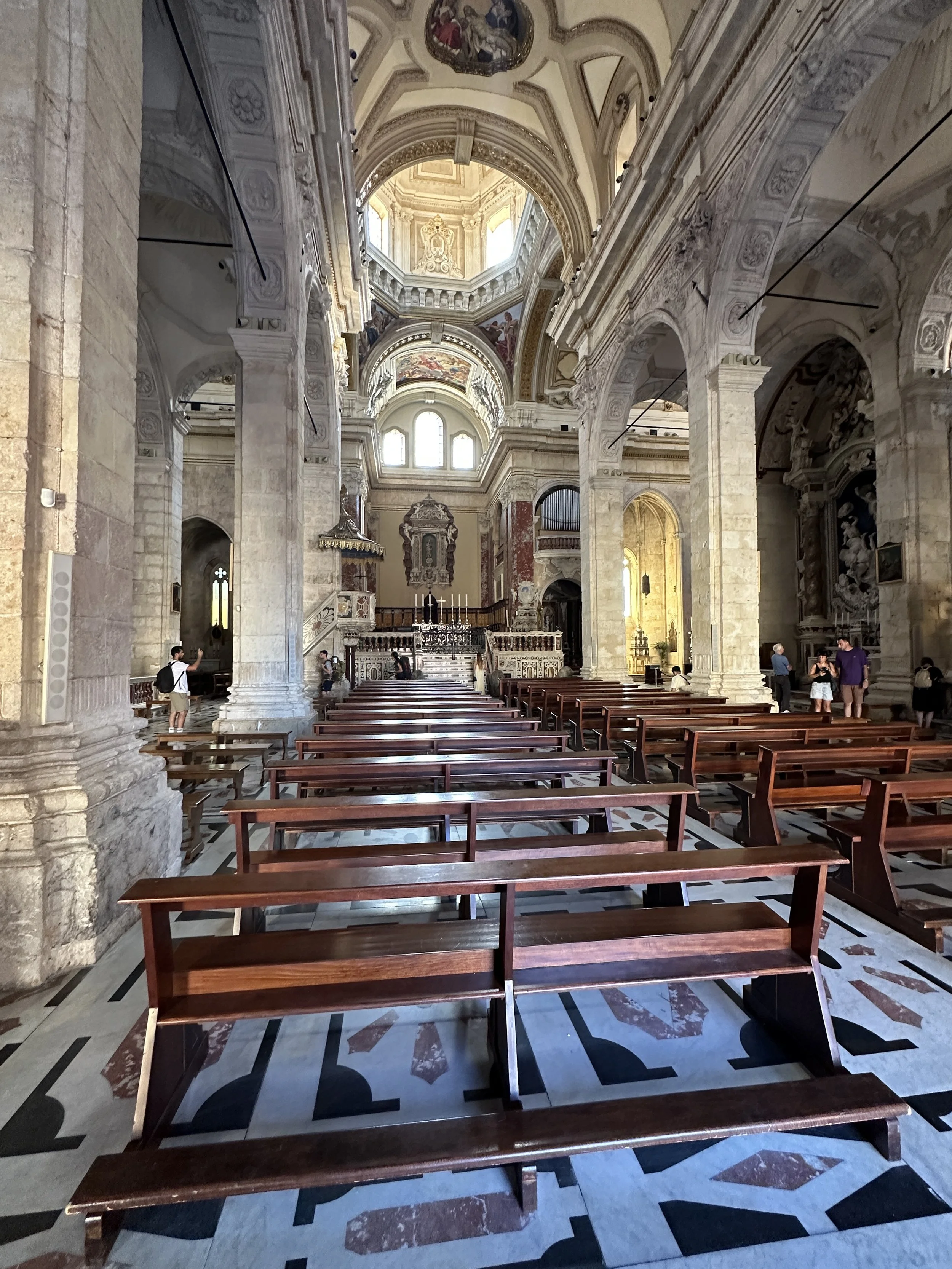
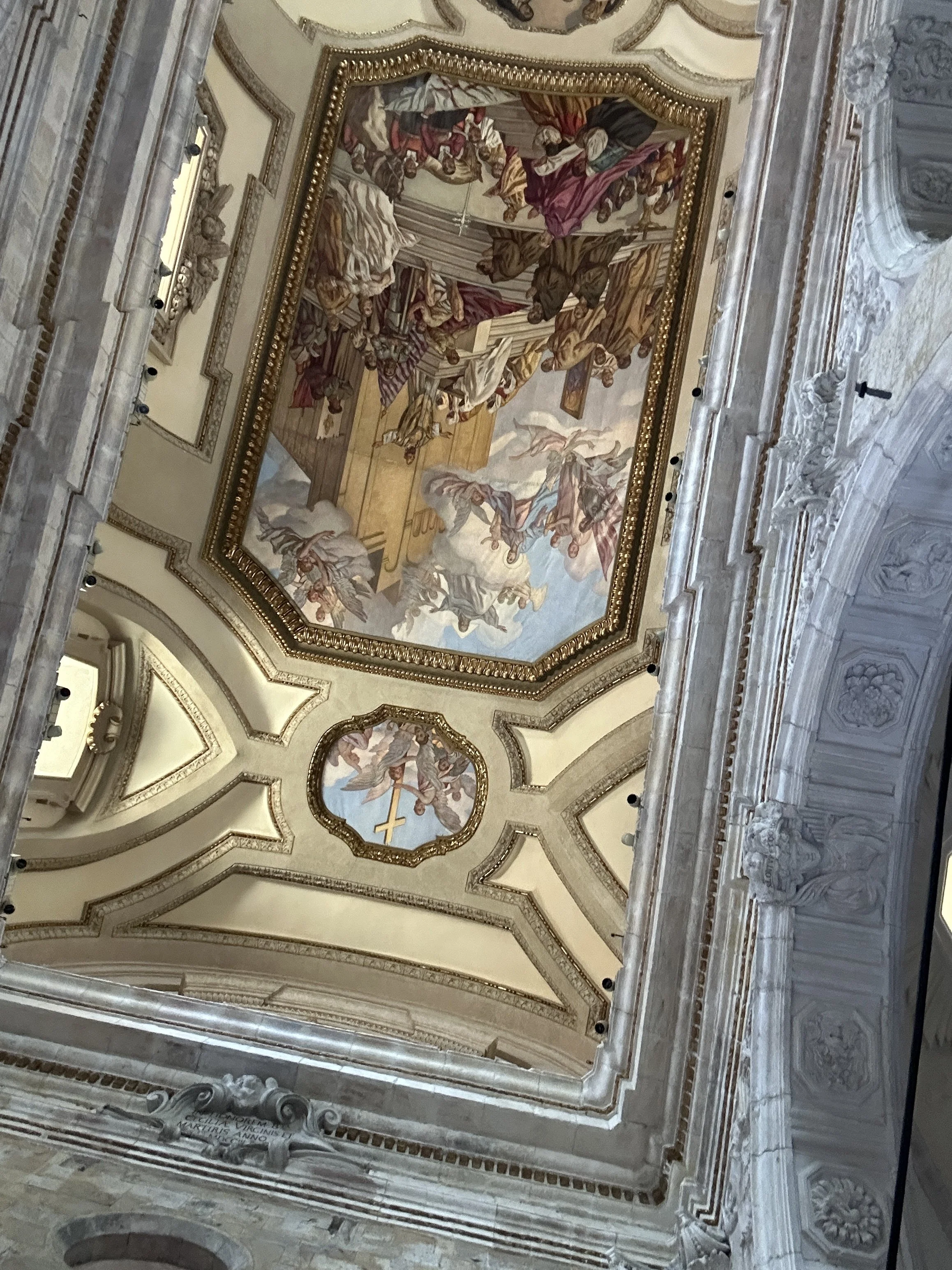
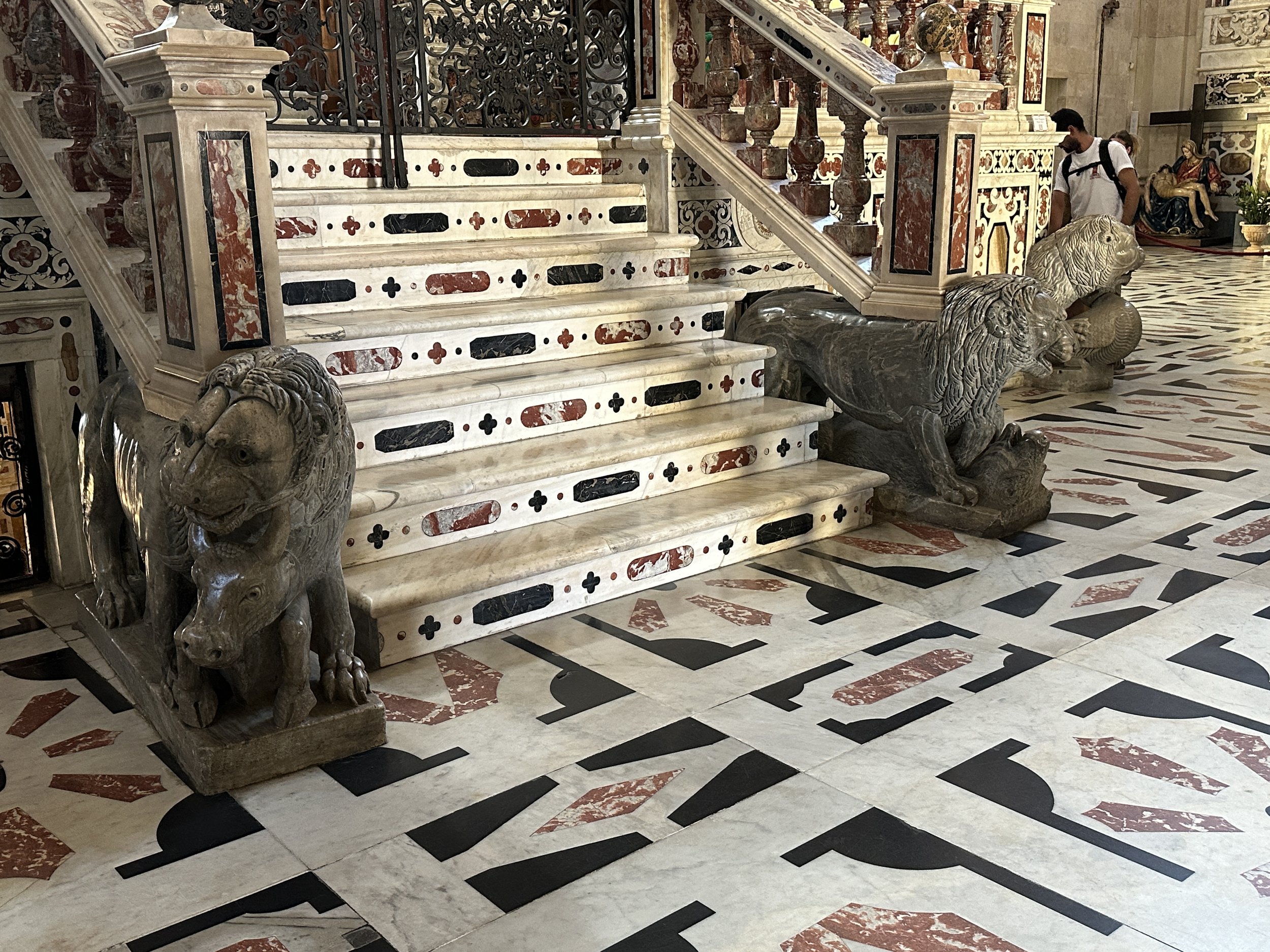
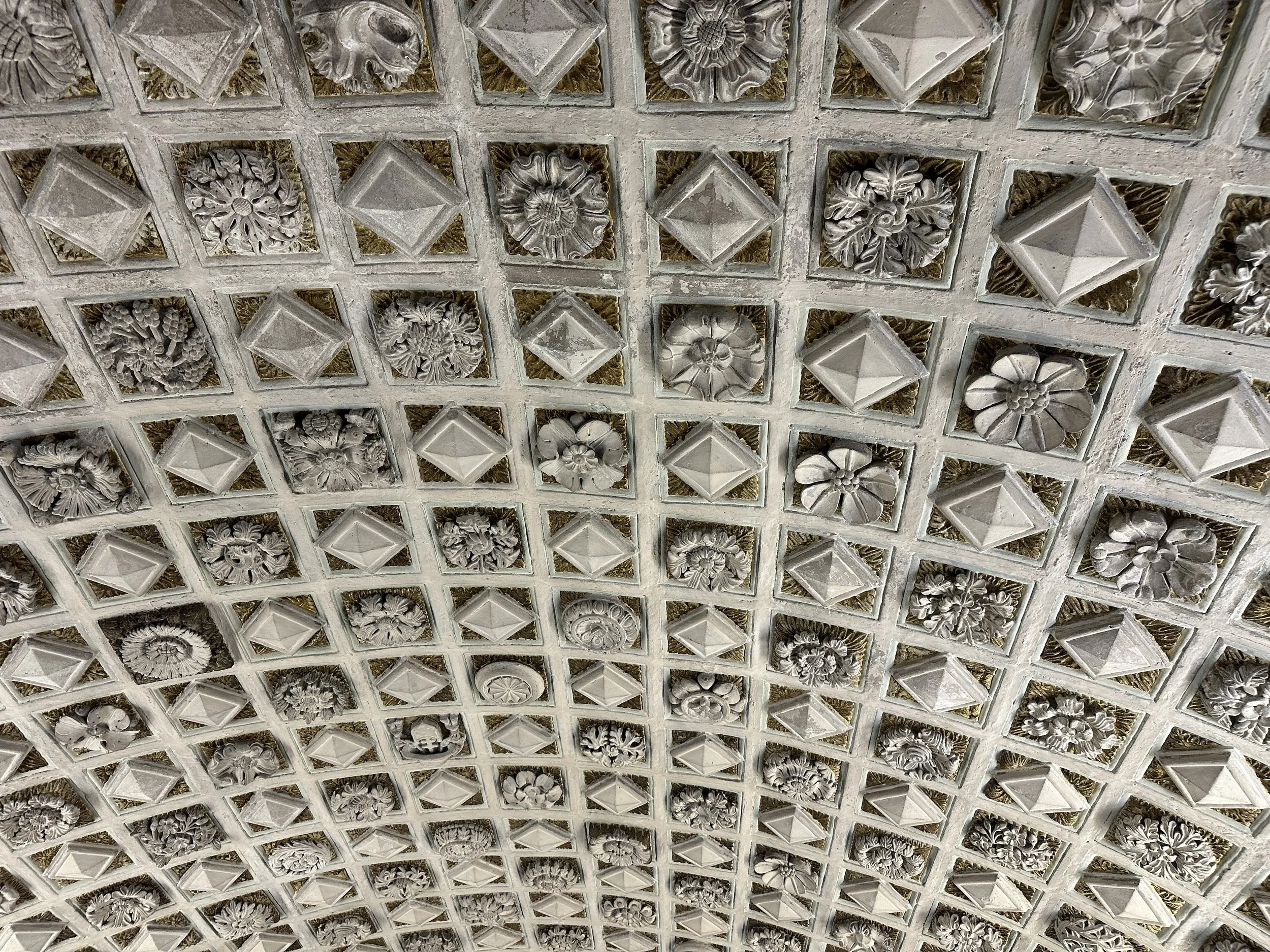
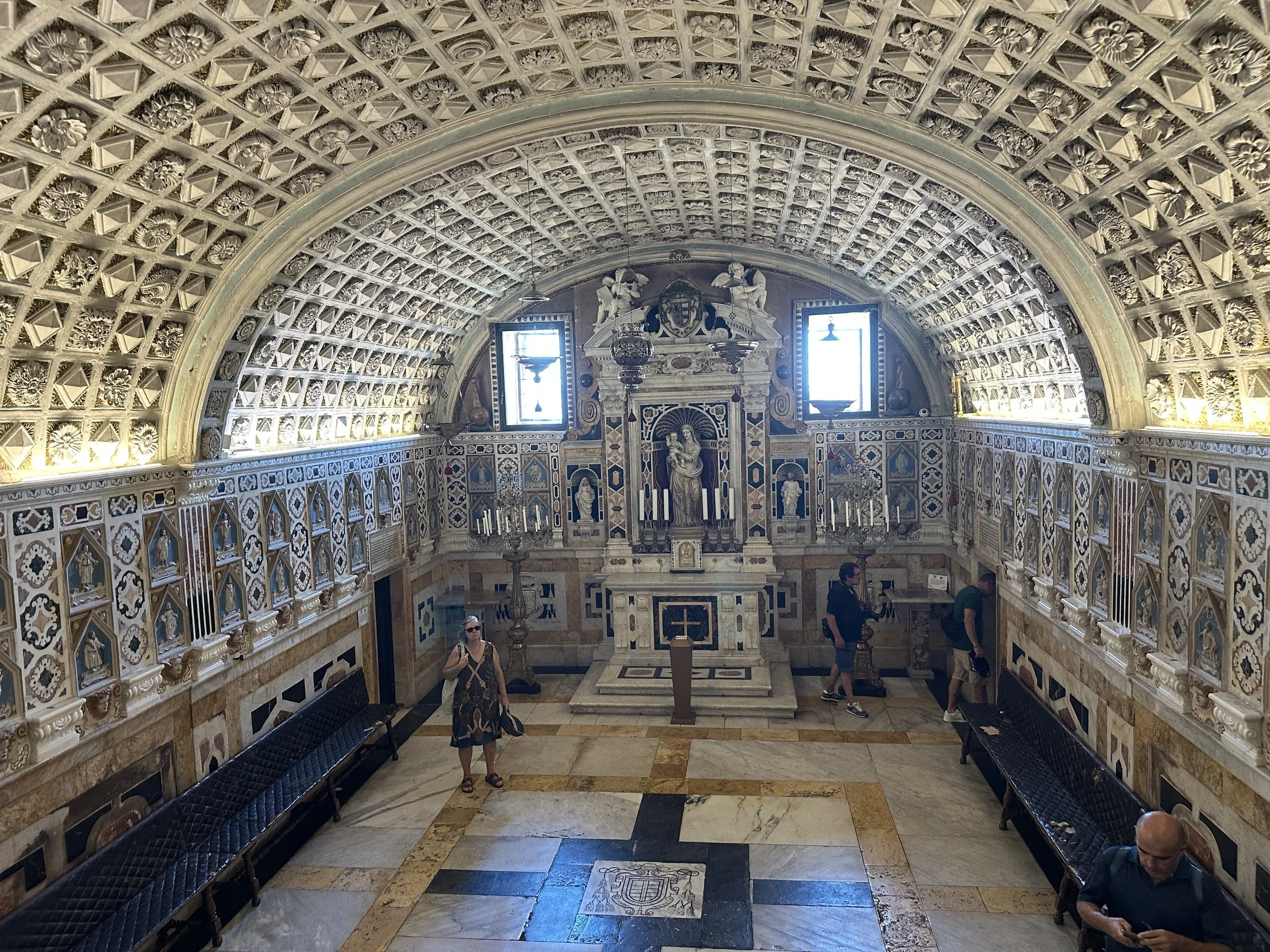
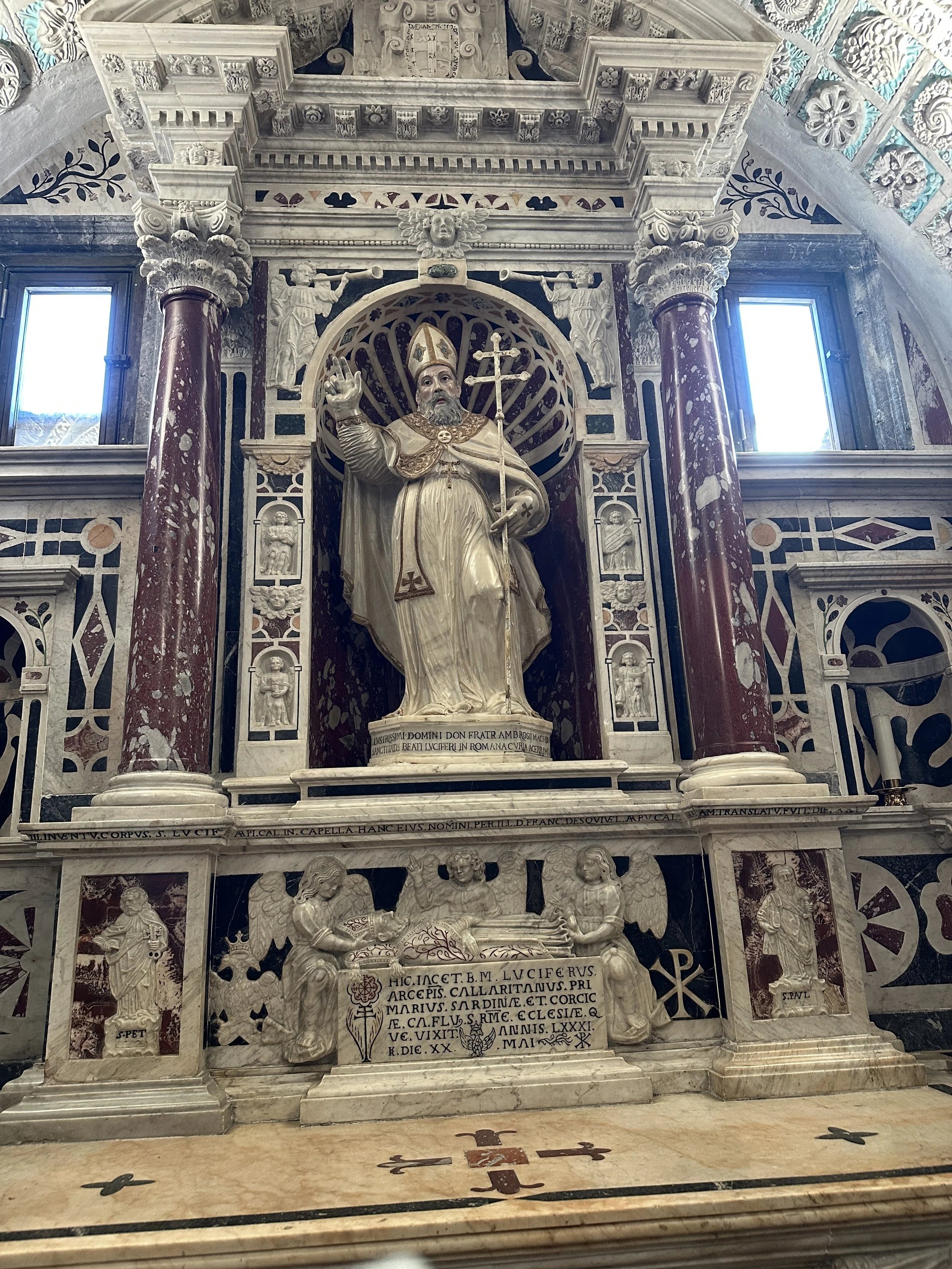
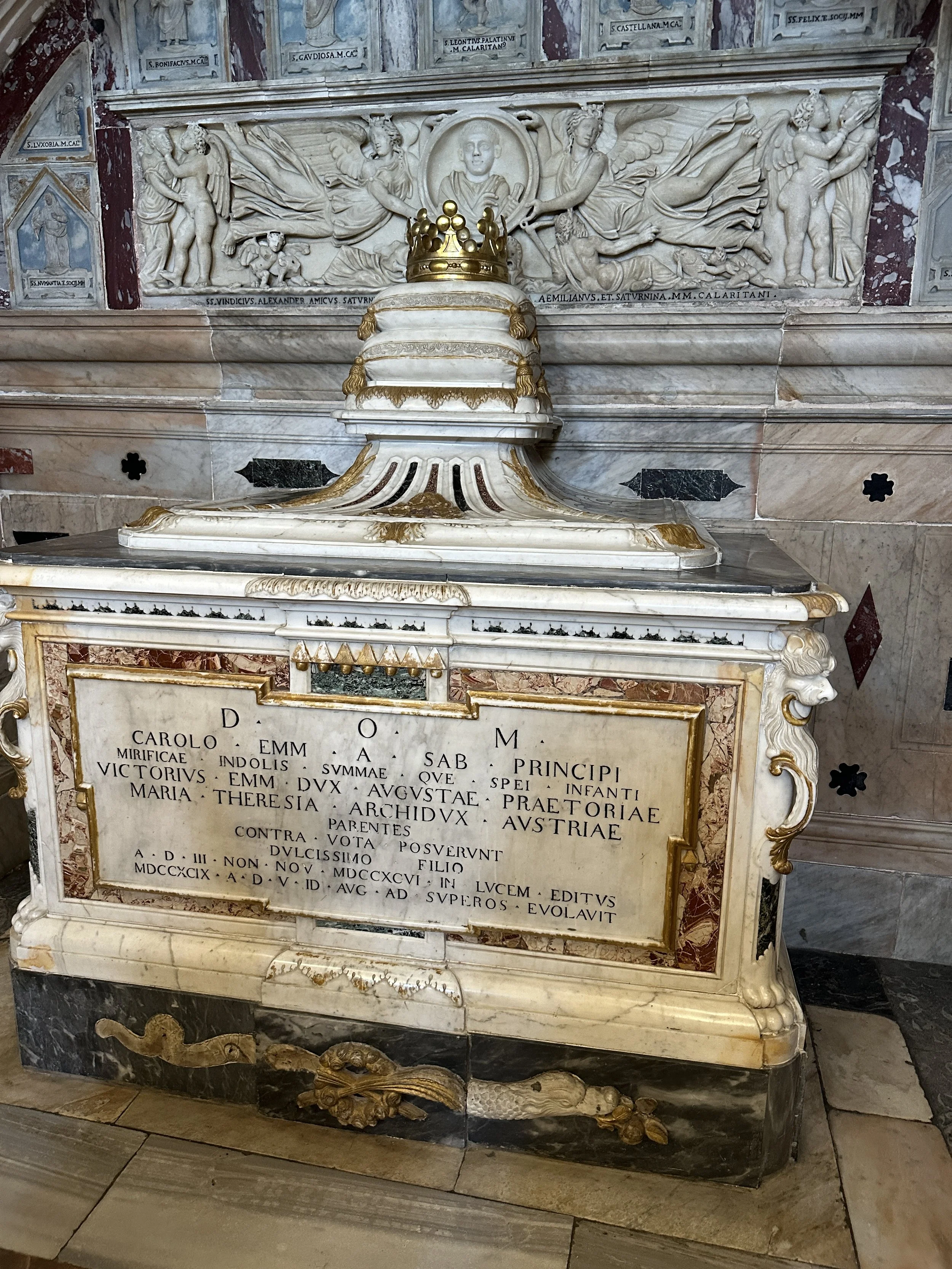
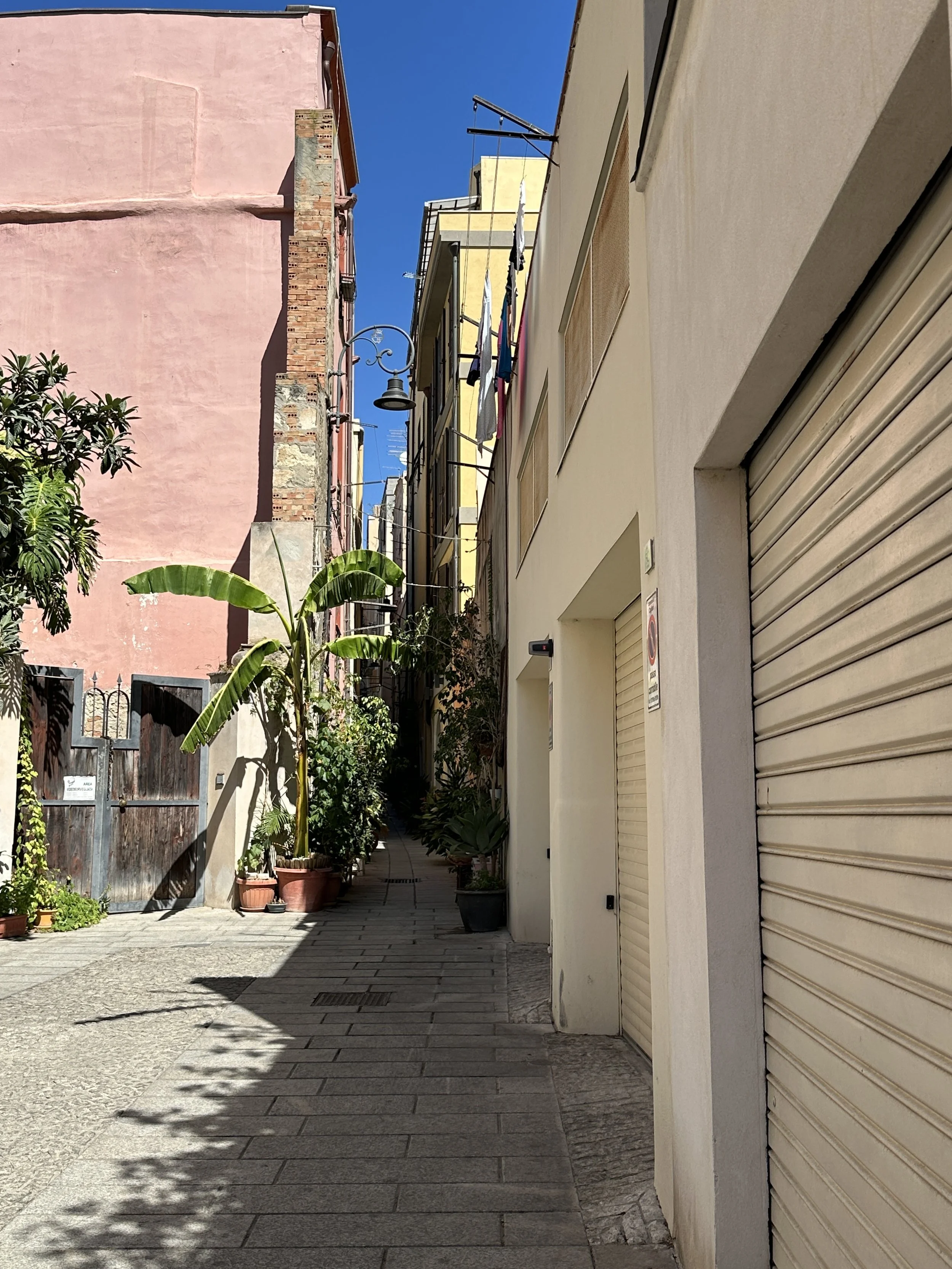
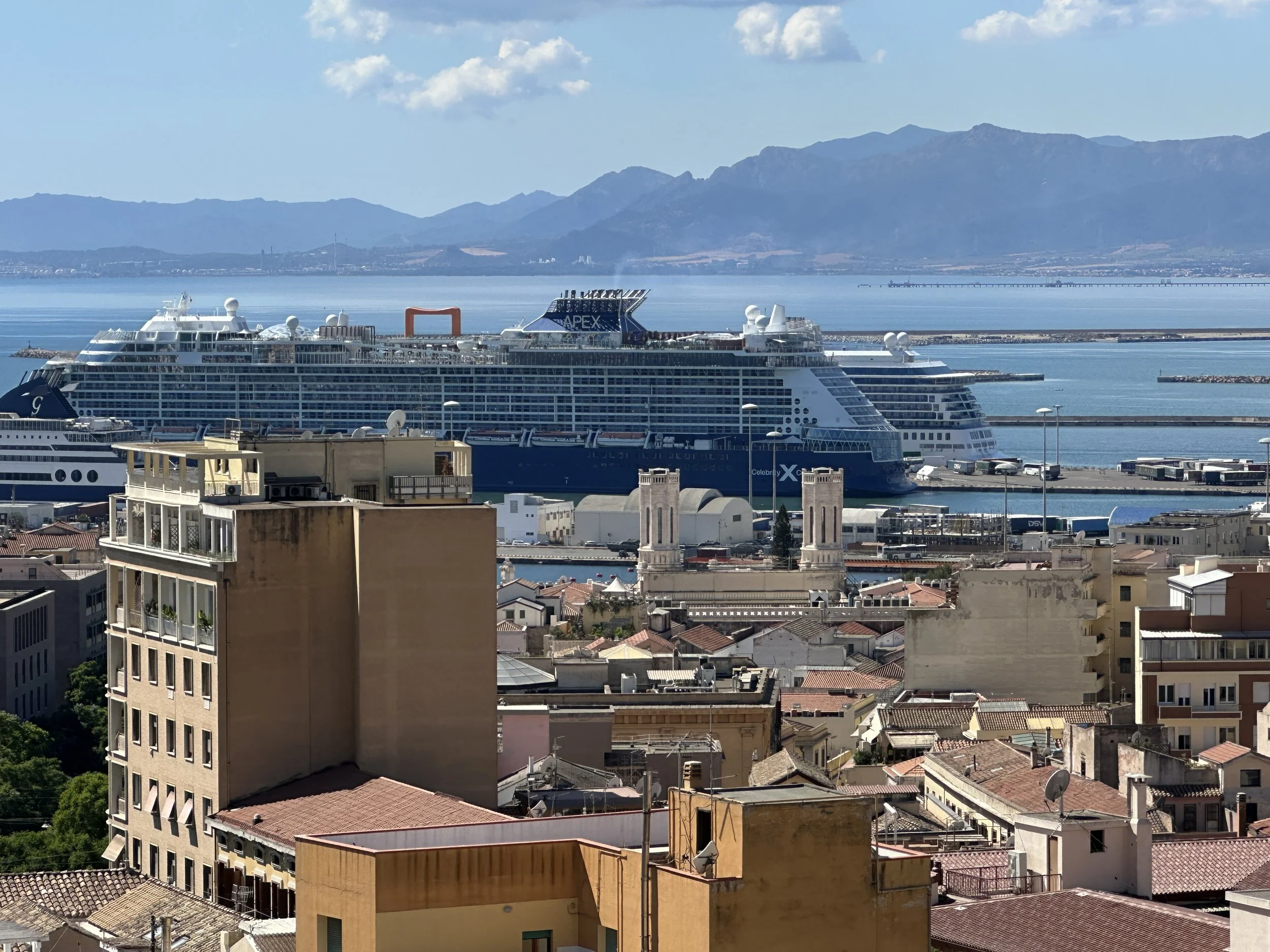
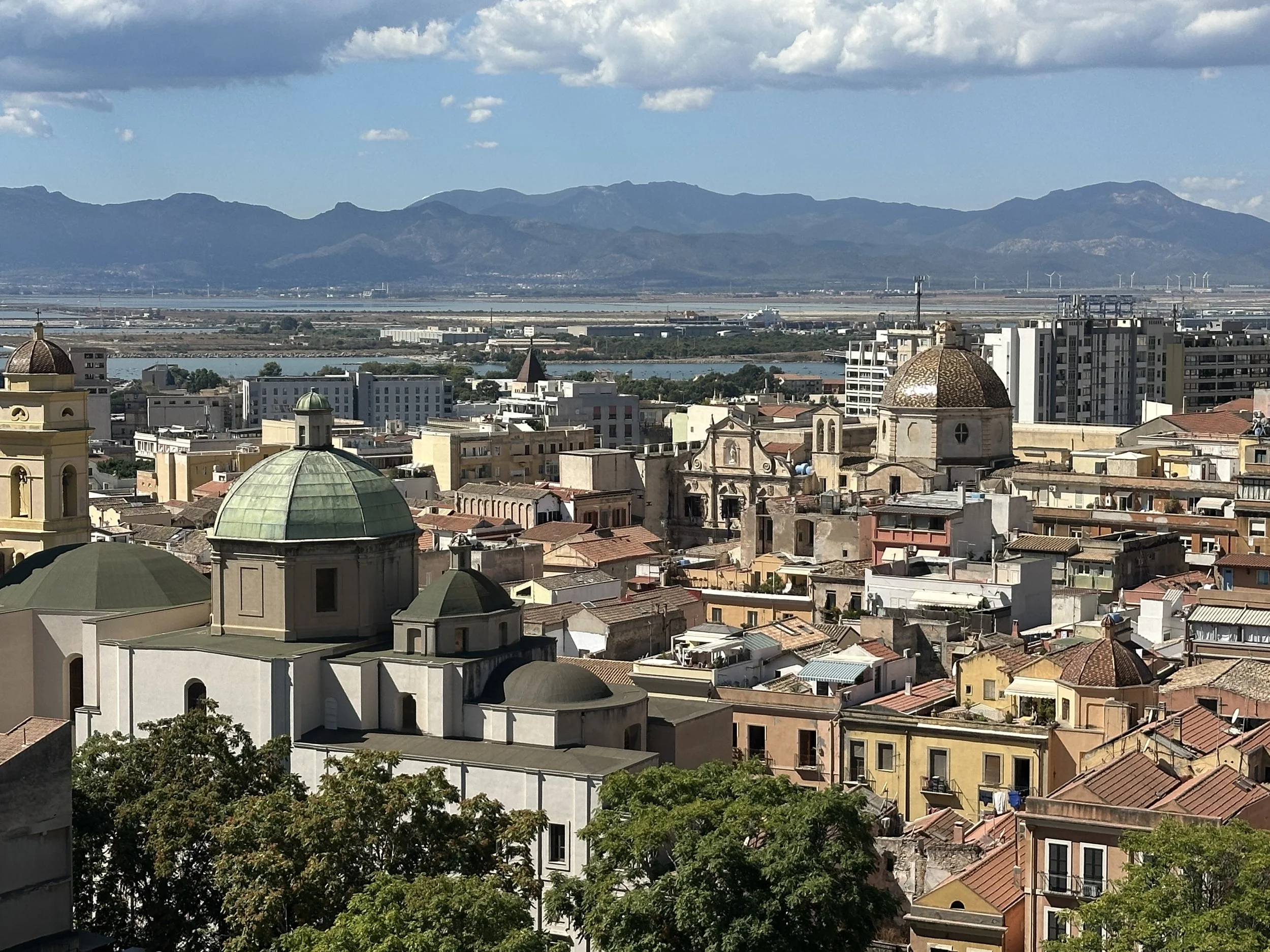
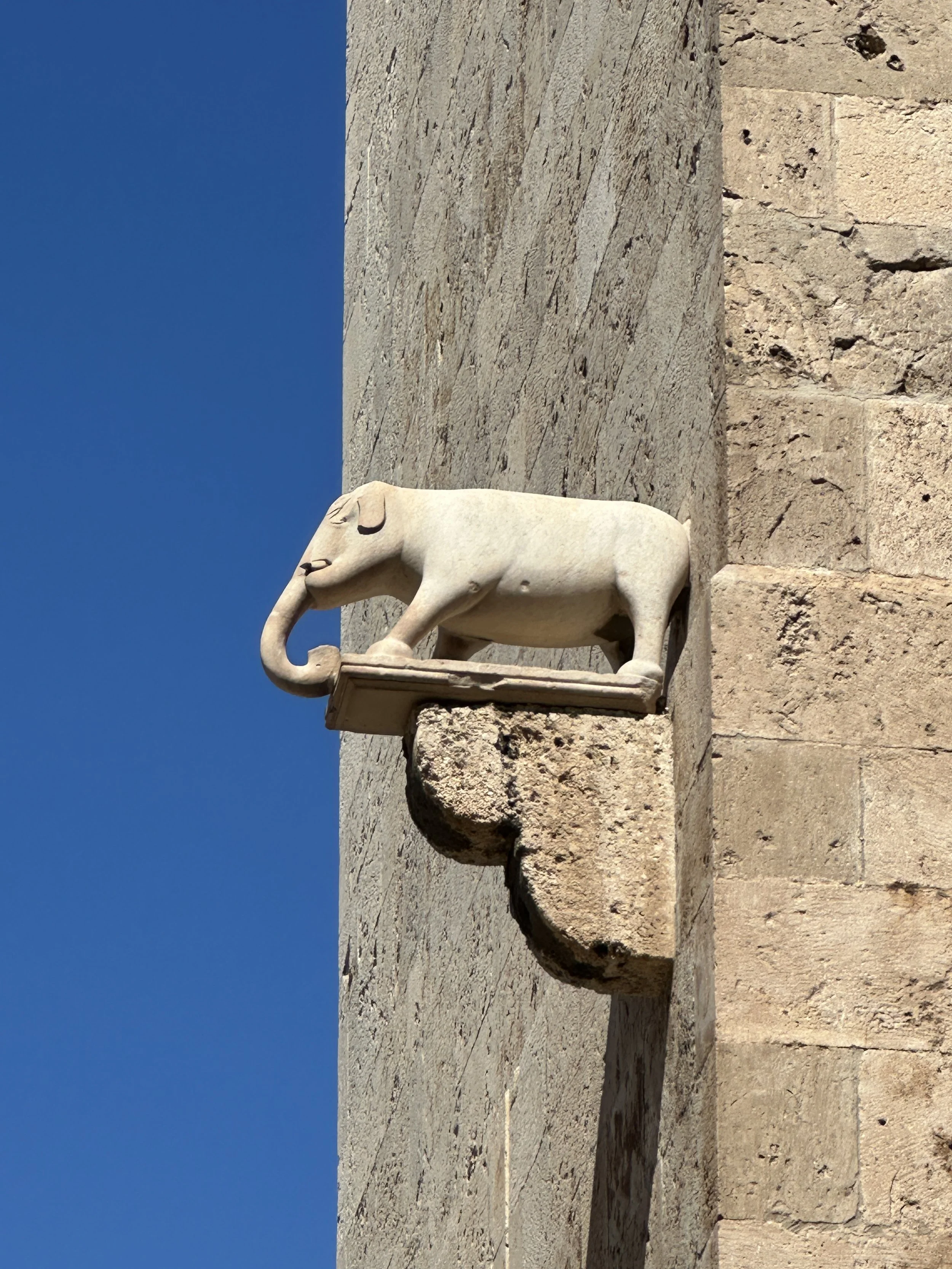
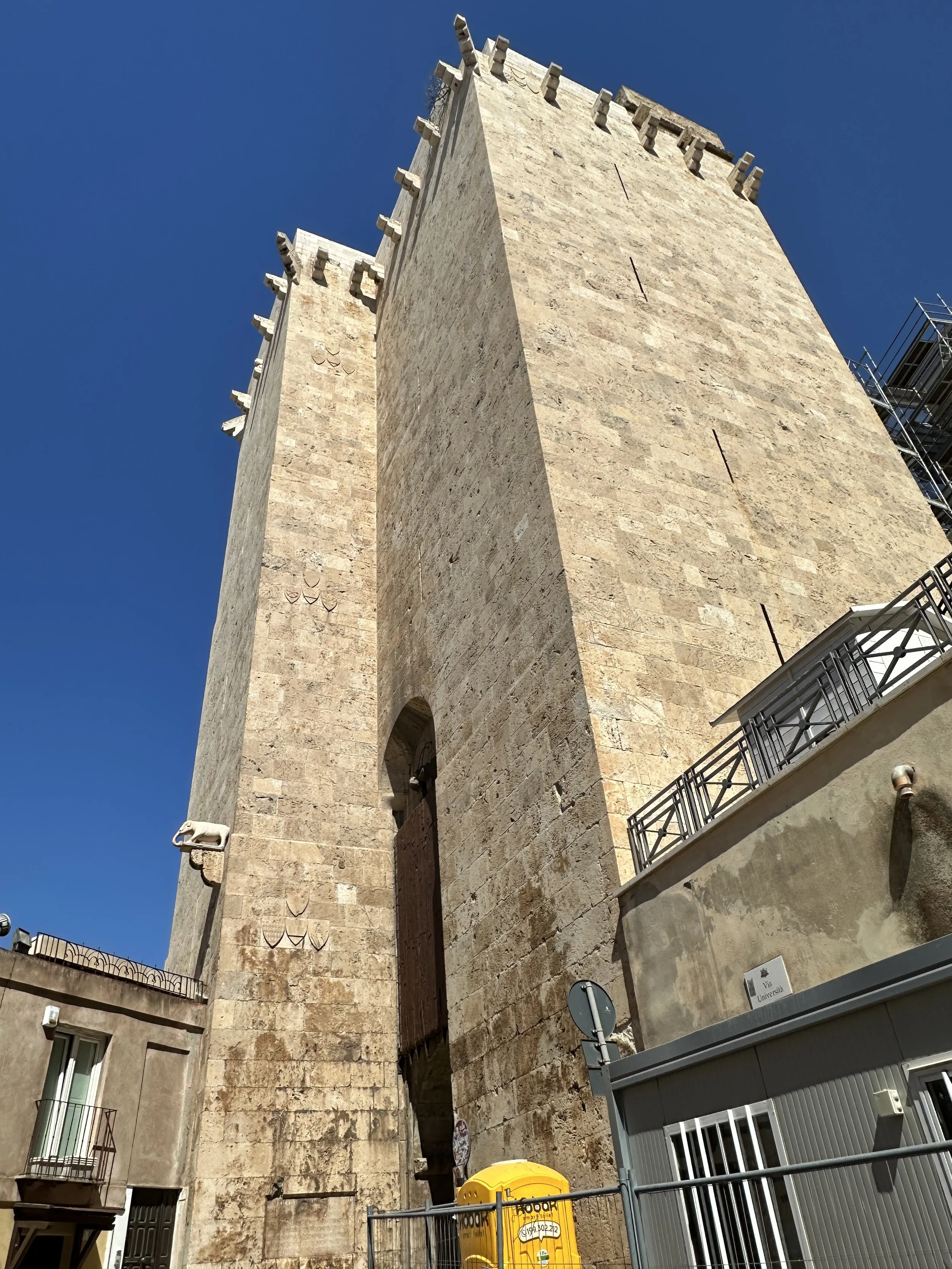
Whatever rumours you hear about Mussolini and trains do not apply here. The train system such as it exists was built to support mining (coal, copper, lead, zinc). Cagliari has the remnants of a city wall and defensive battlements, built after the city was destroyed by Pisans to keep the Spanish out. It didn’t work.
The stories and history of the litany of competing interests are many and surprising. For example that time Pope Boniface VIII gave the king of Aragon permission to occupy. There’s also an interesting history of periods of democracy among the different parts of the island, with voting even by women! Eat your heart out South Australia.
And speaking of eating, we’re here in part for the food. We hear of wonderful Sardo culinary traditions. Nothing out of the ordinary yet, but the coffee here is good, as are the antipasti (particularly delicious Sardo cheeses made from sheep’s milk), and there is every kind of delicious frutti di mare. The pasta is also something to savour. At breakfast this morning I admired the honey out loud, and was given 5 little jars of honey to take home, each made from different kinds of flower. Sardinian honey ….mmm-mmmm. And then there is the wine.
Did anyone watch Stanley Tucci’s ‘searching for Italy’ program on Sardinia? In one segment he went to a farm property in the Seulo region, part of the ‘blue zone’ where the number of centenarians per head of population is high, possibly higher than anywhere else on earth. The nonni ran the animals and grew the vegetables, and daughter Maria cooked with Stanley. Well, it turns out Maria runs a restaurant and produce store in Cagliari called ‘Is Femminas’. All food is farm to table, and organic. A wonderful evening!
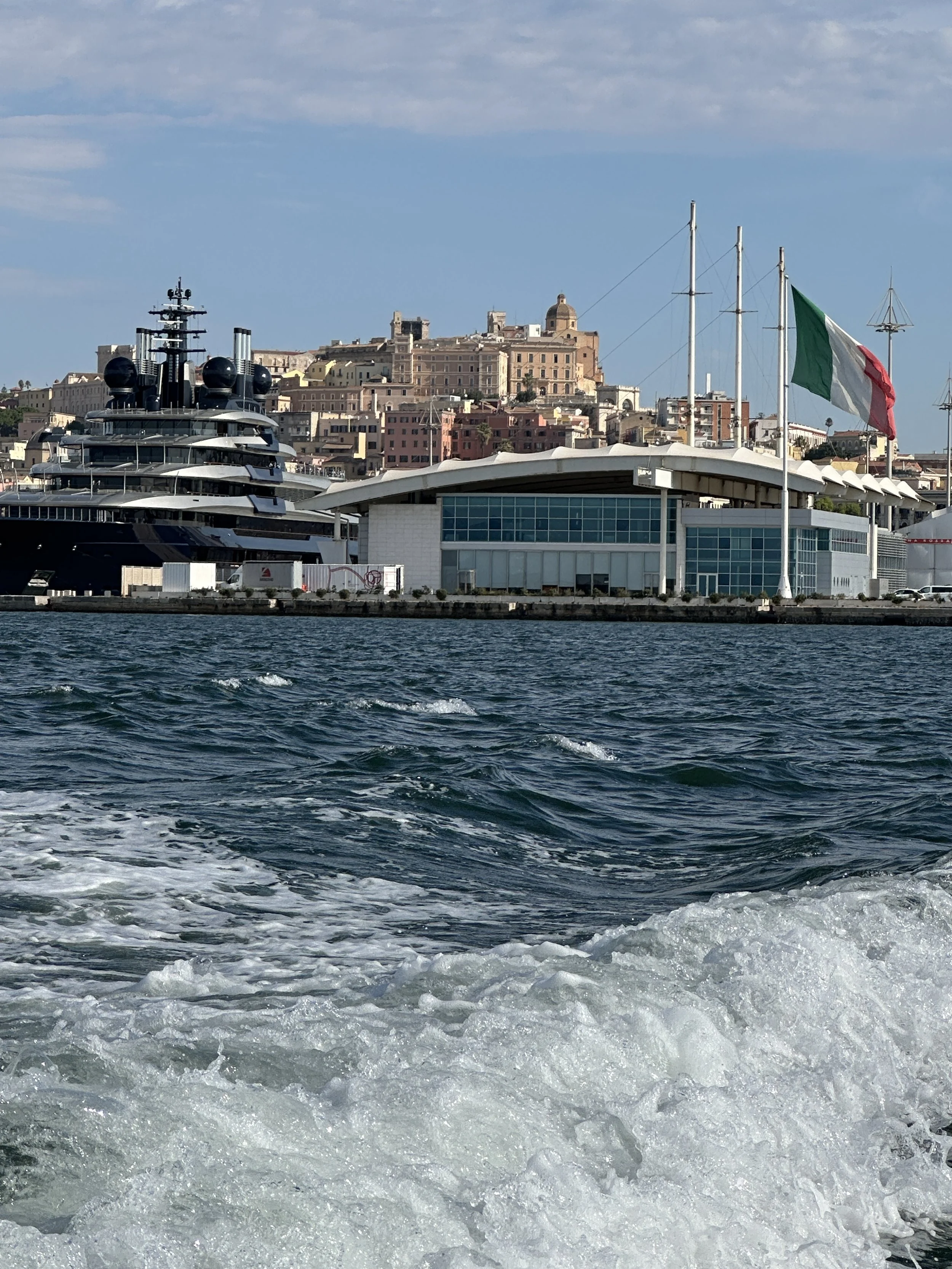
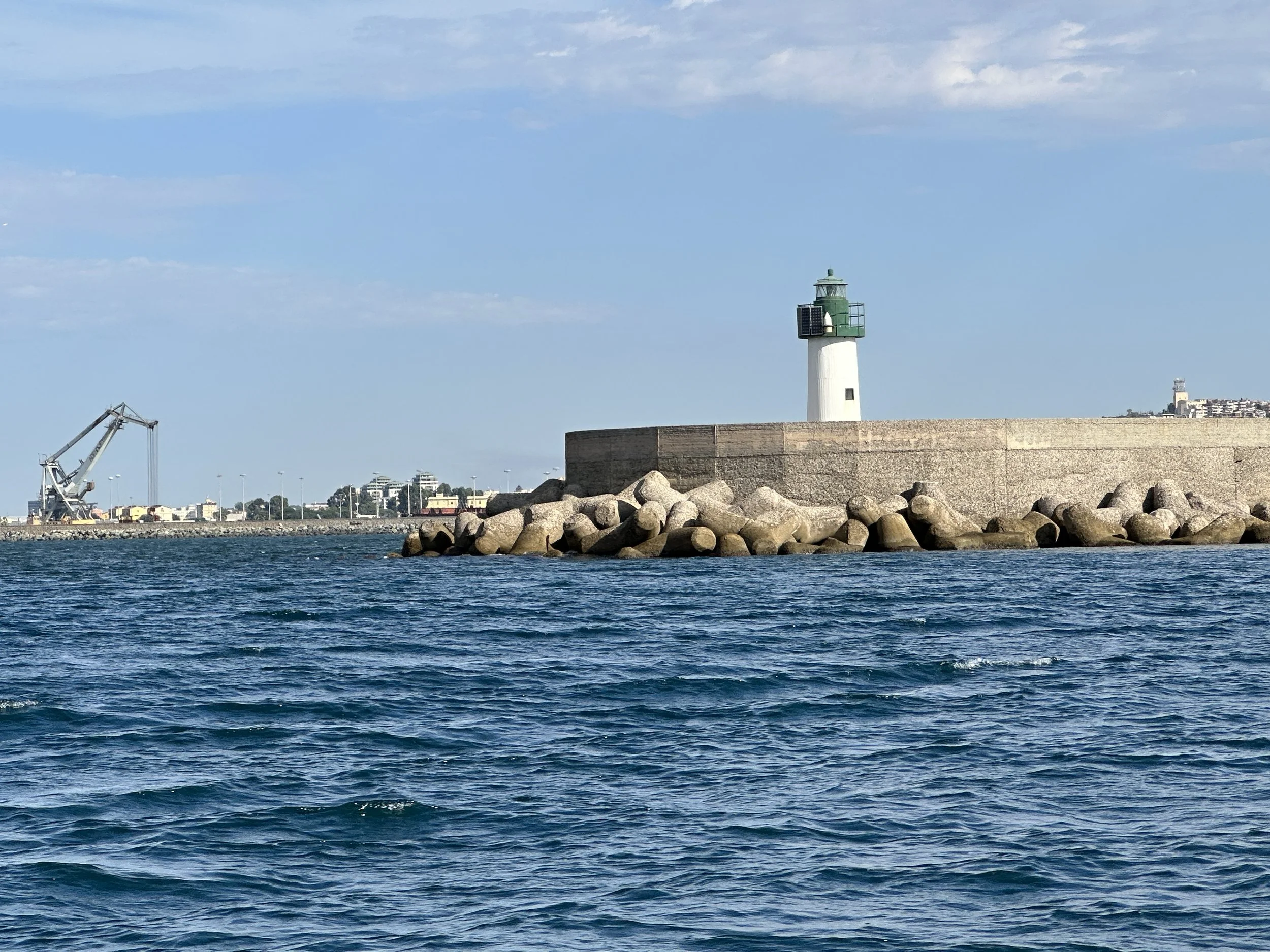
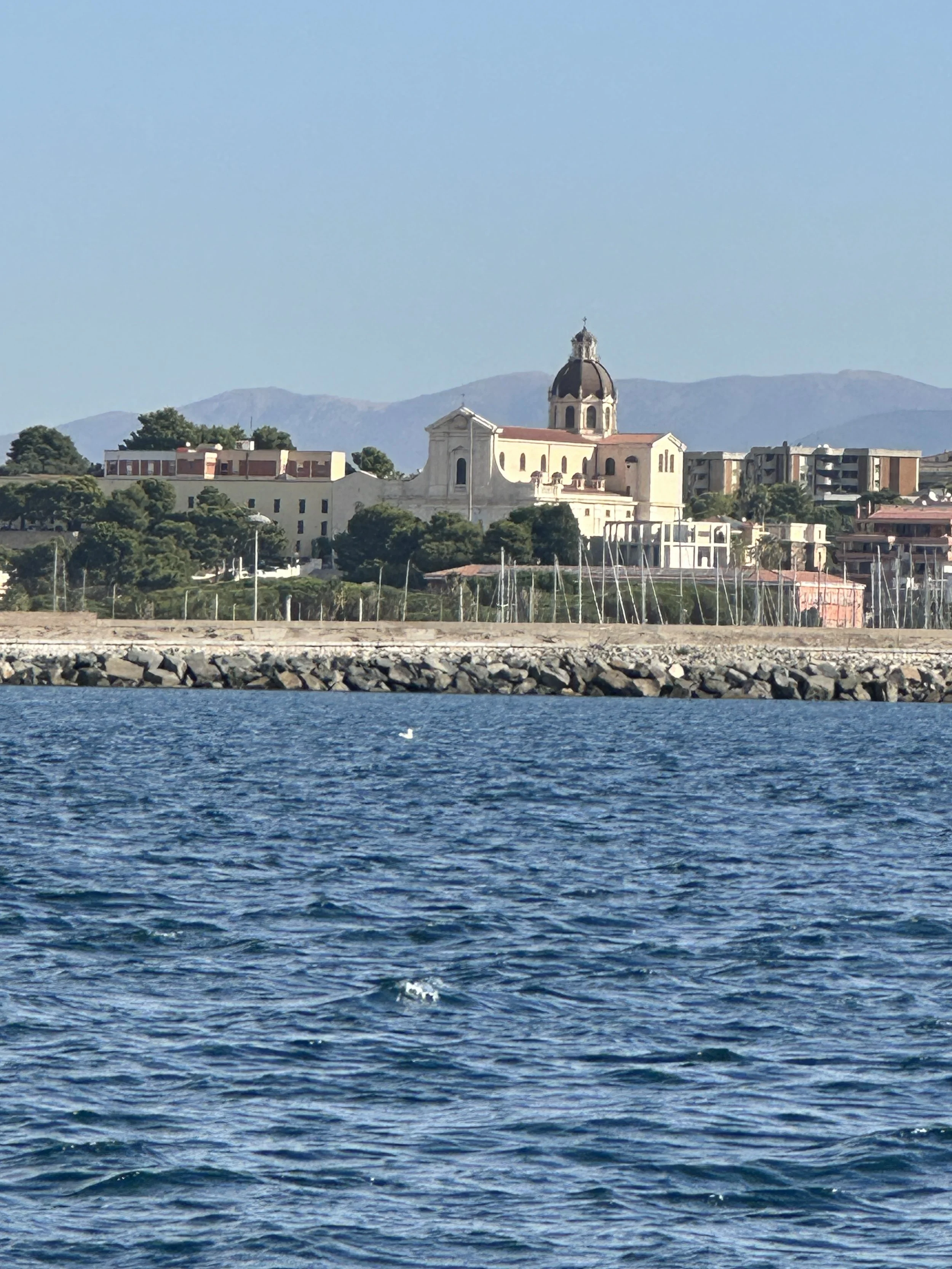
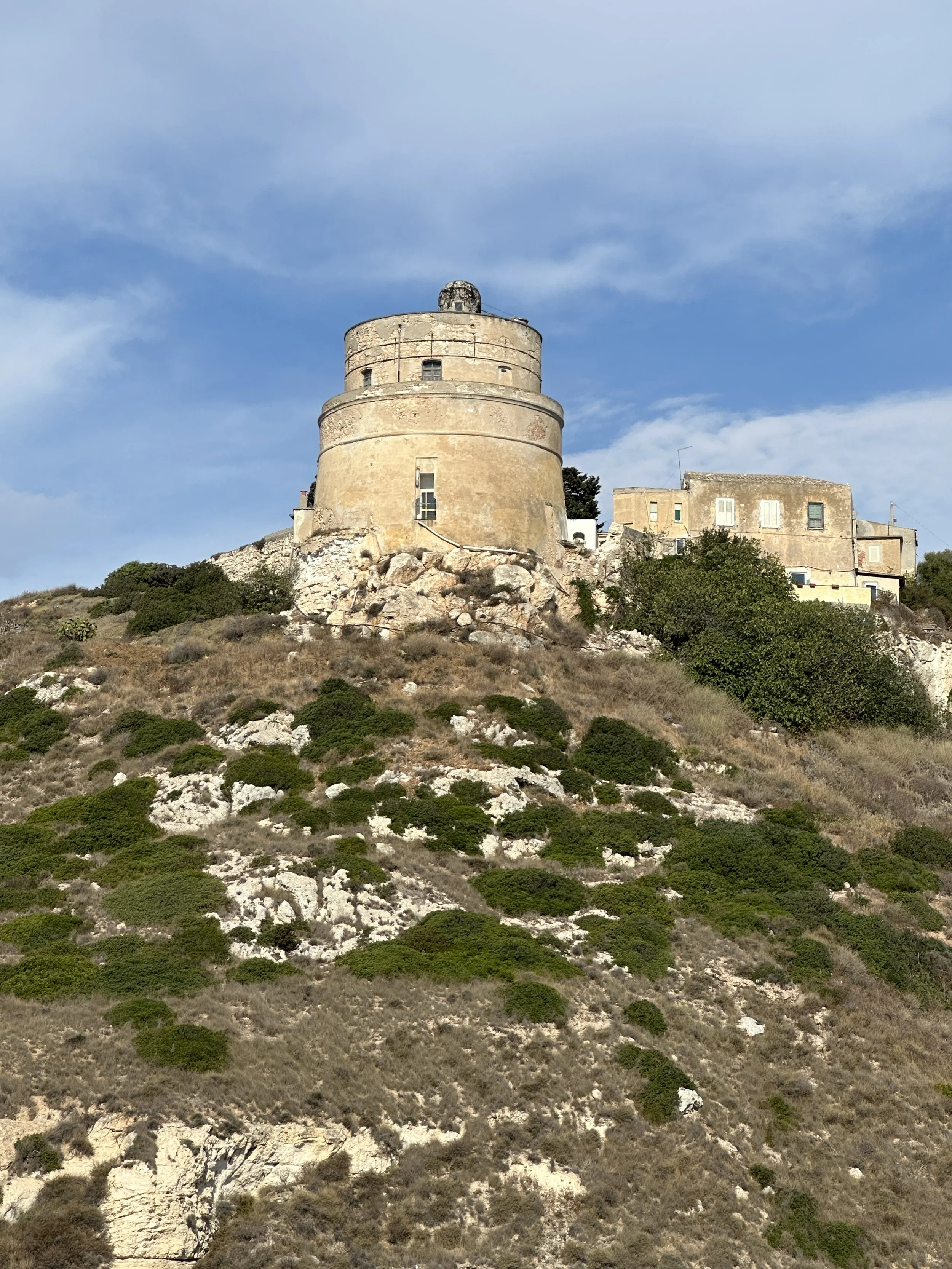
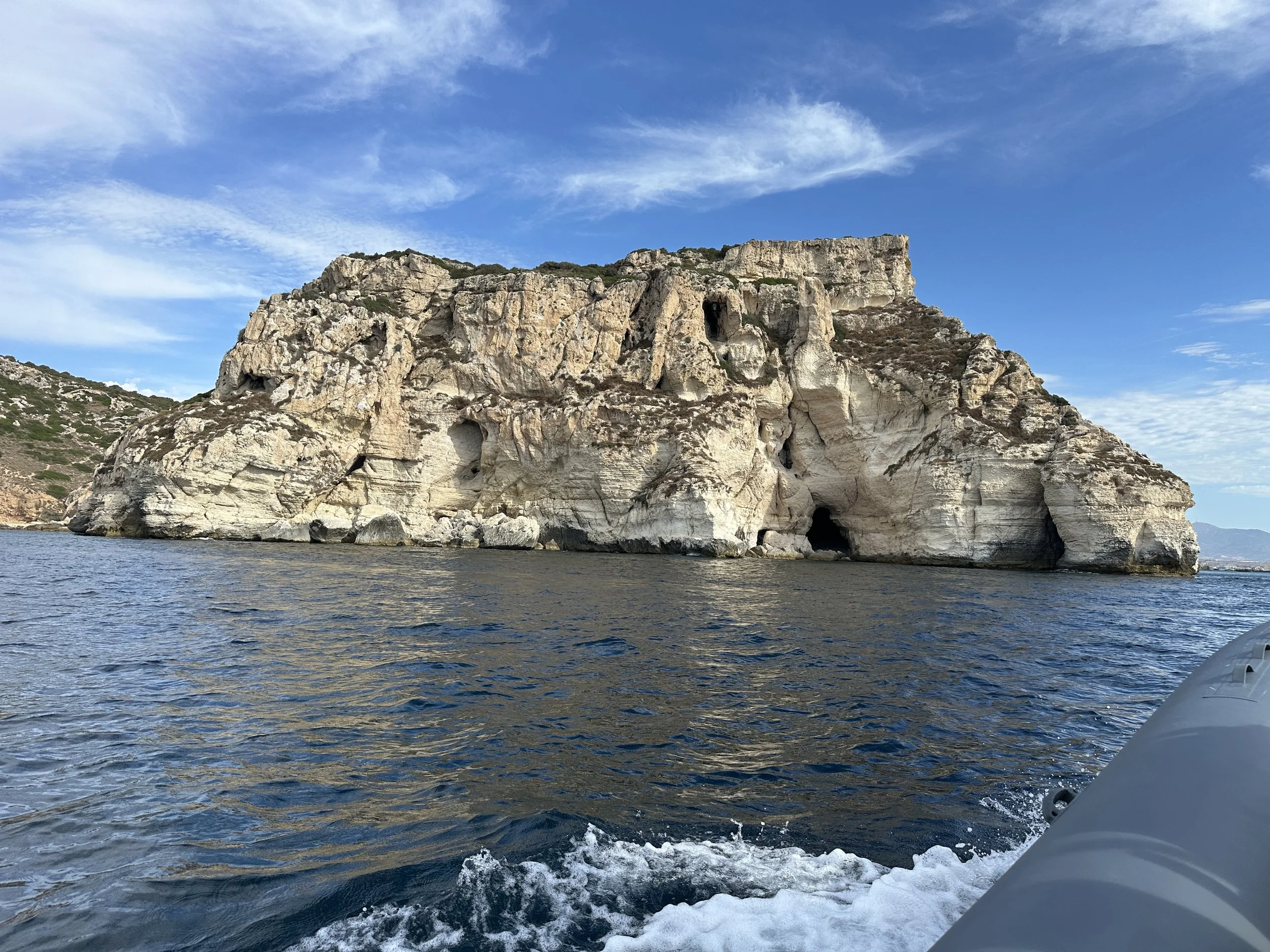
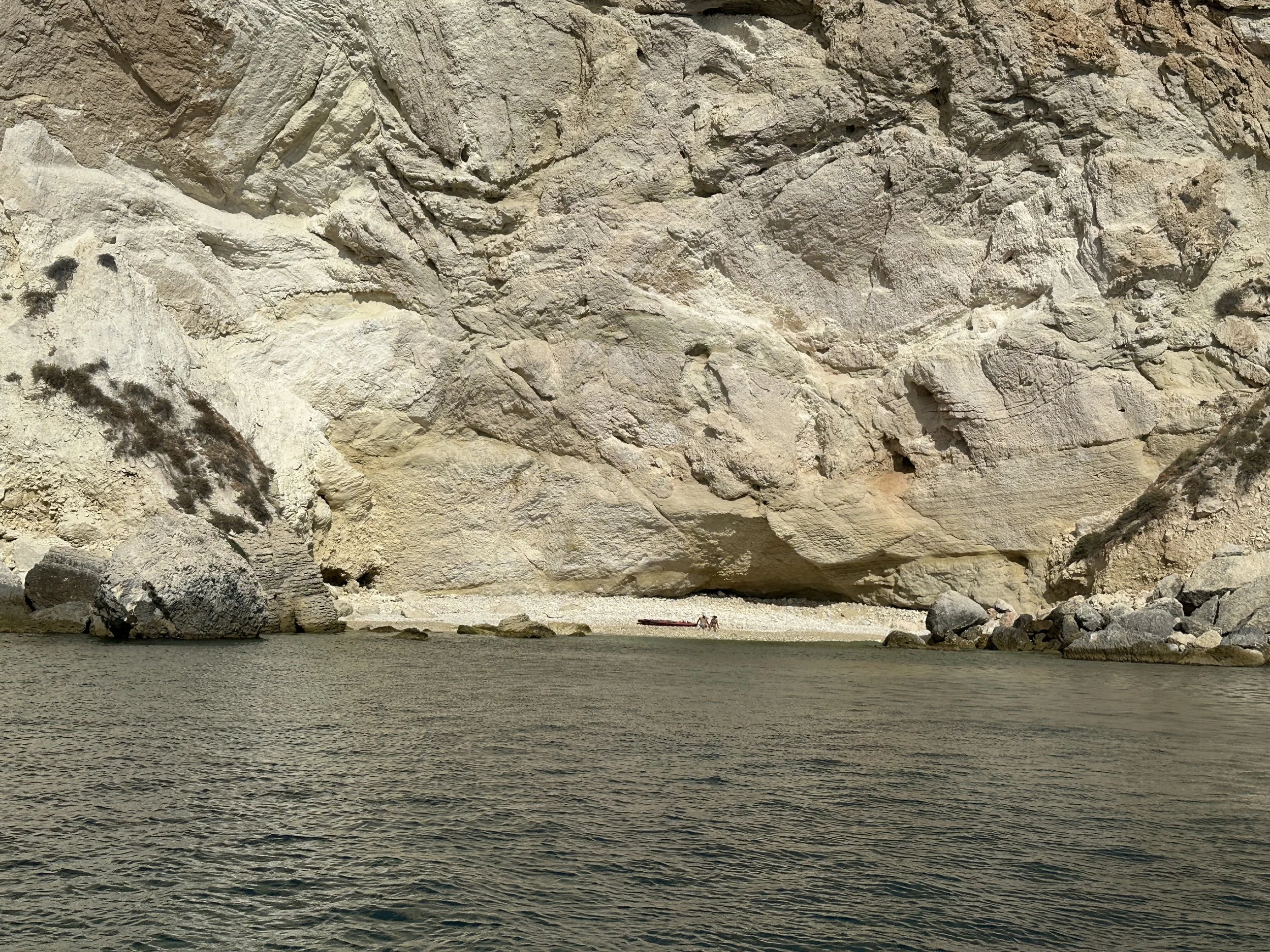
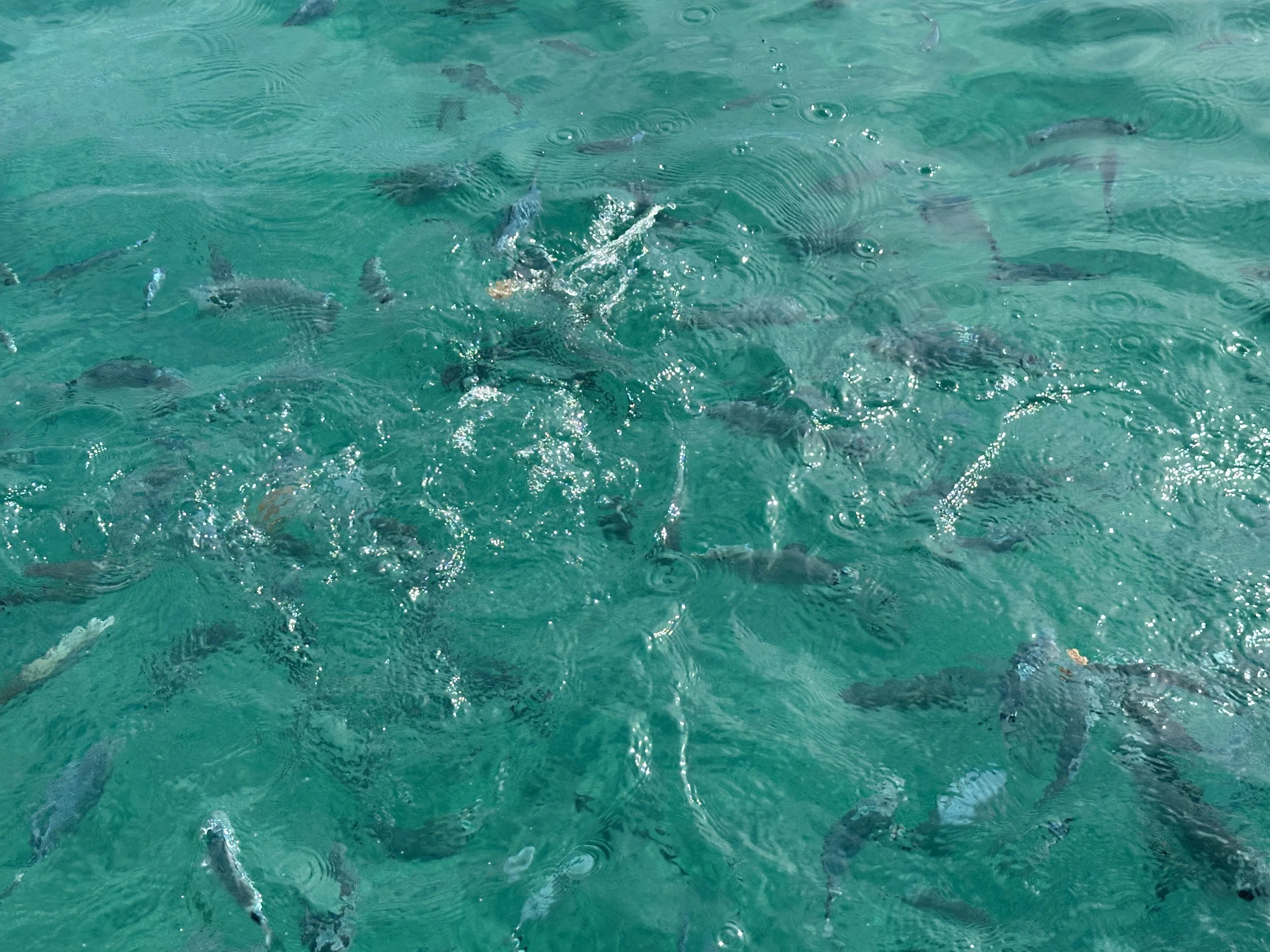
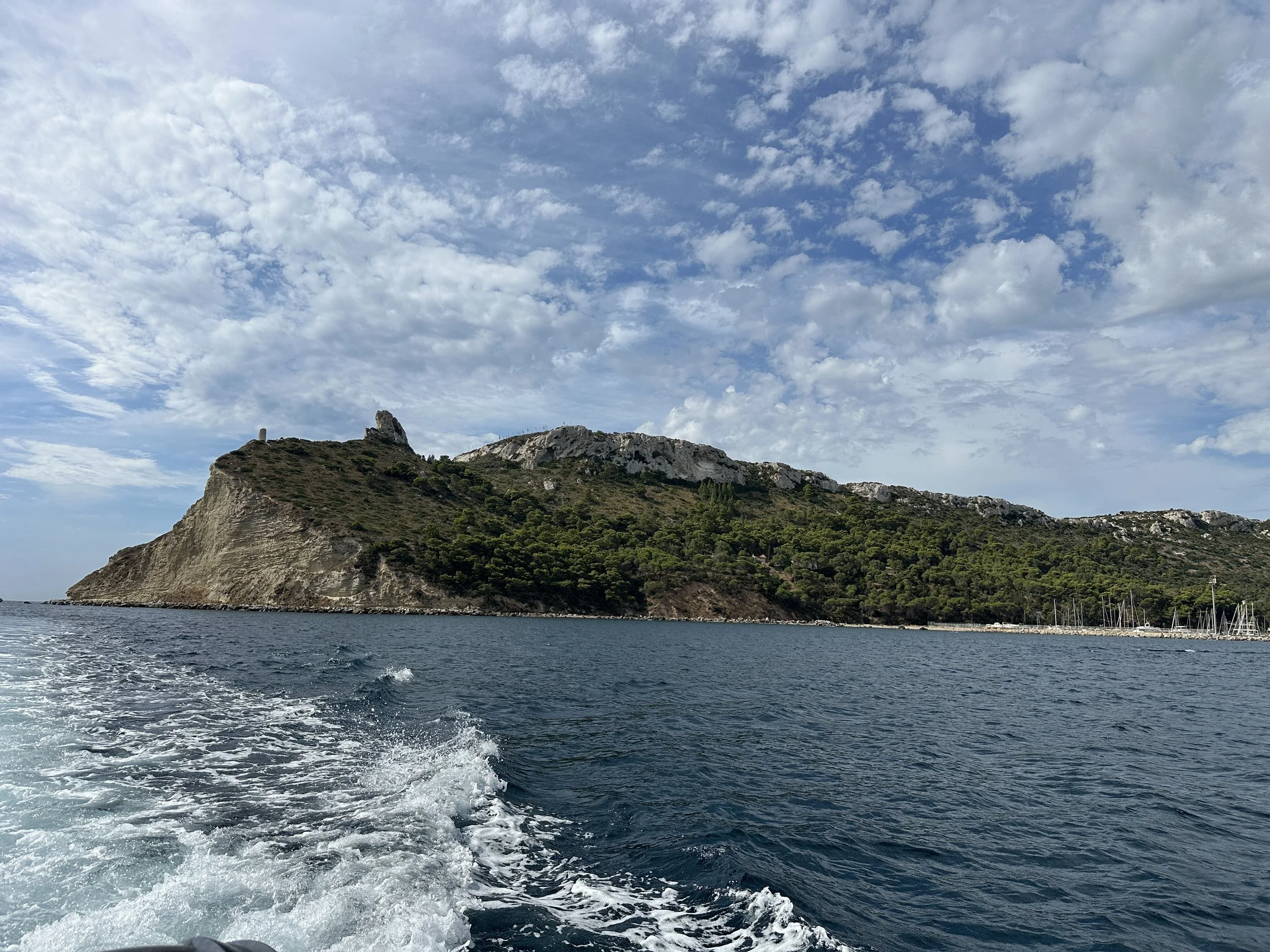
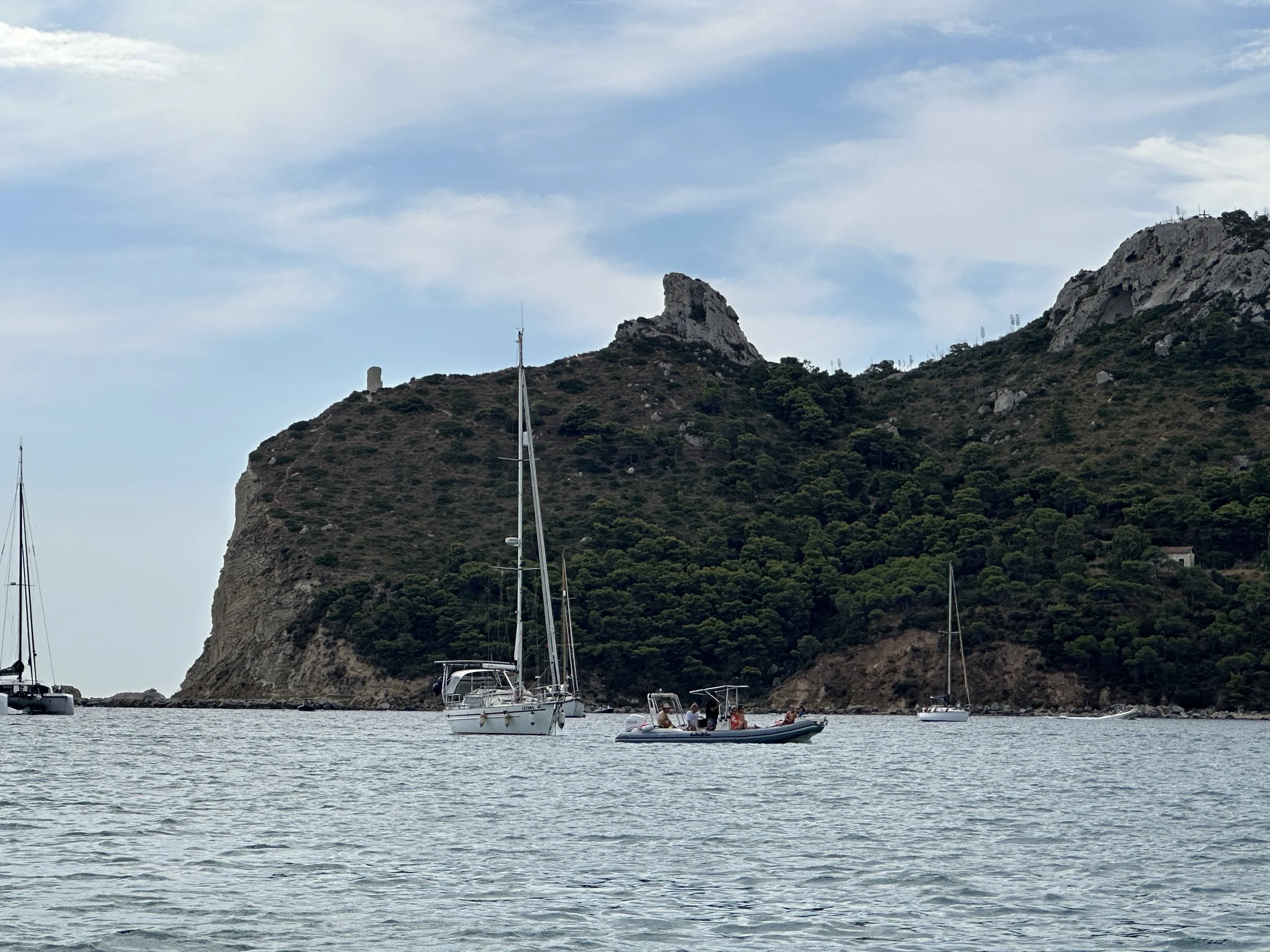
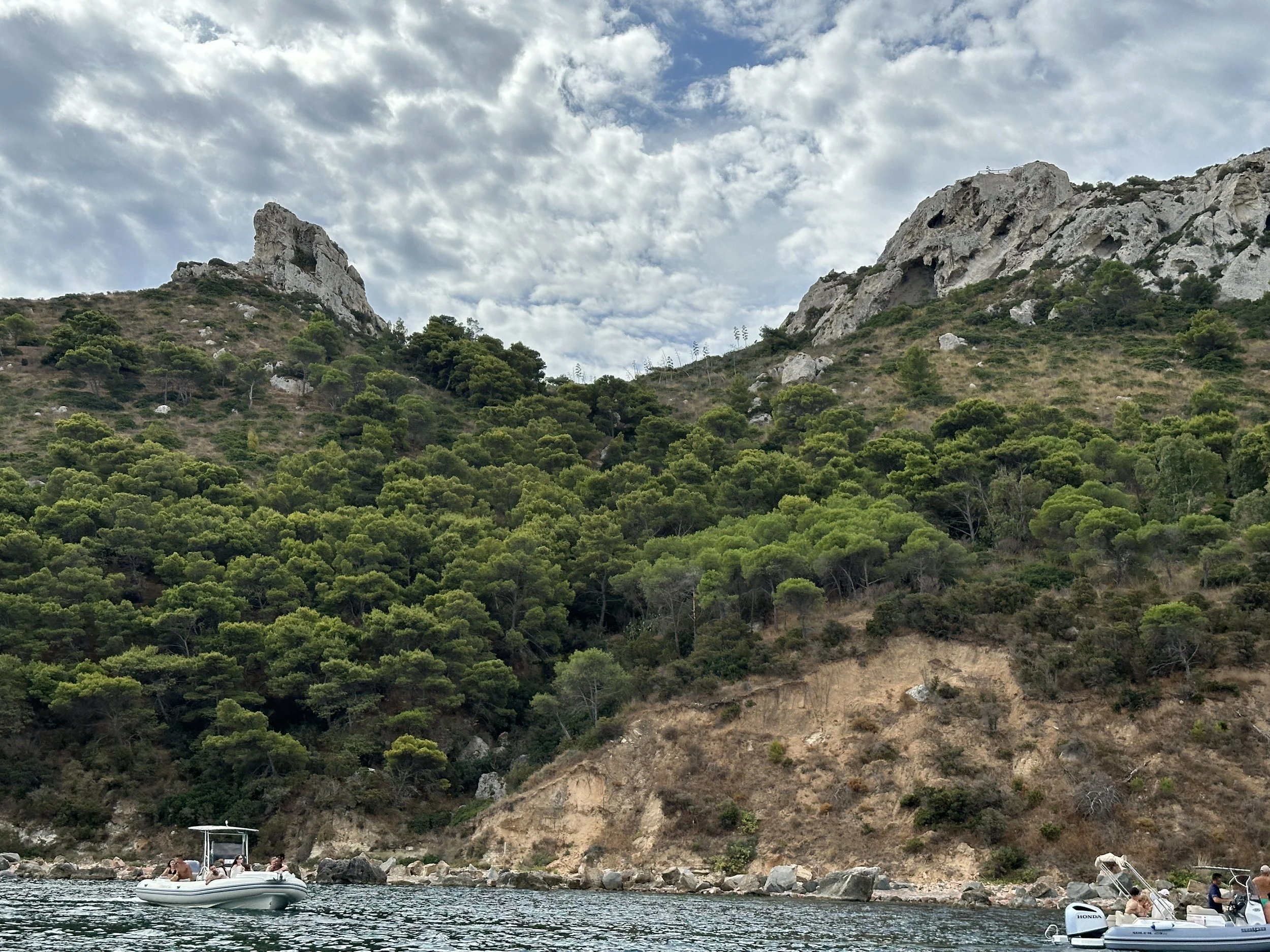
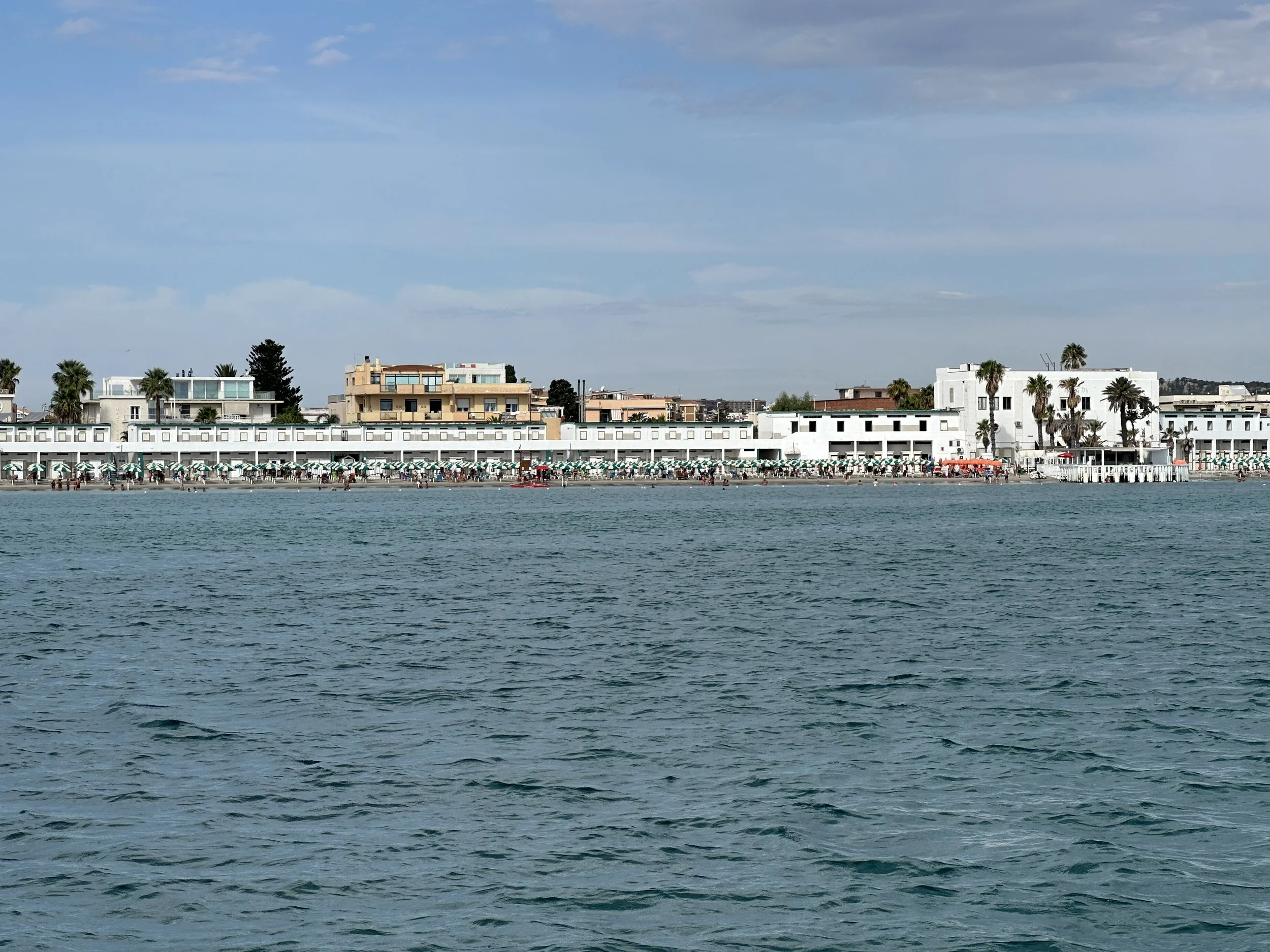
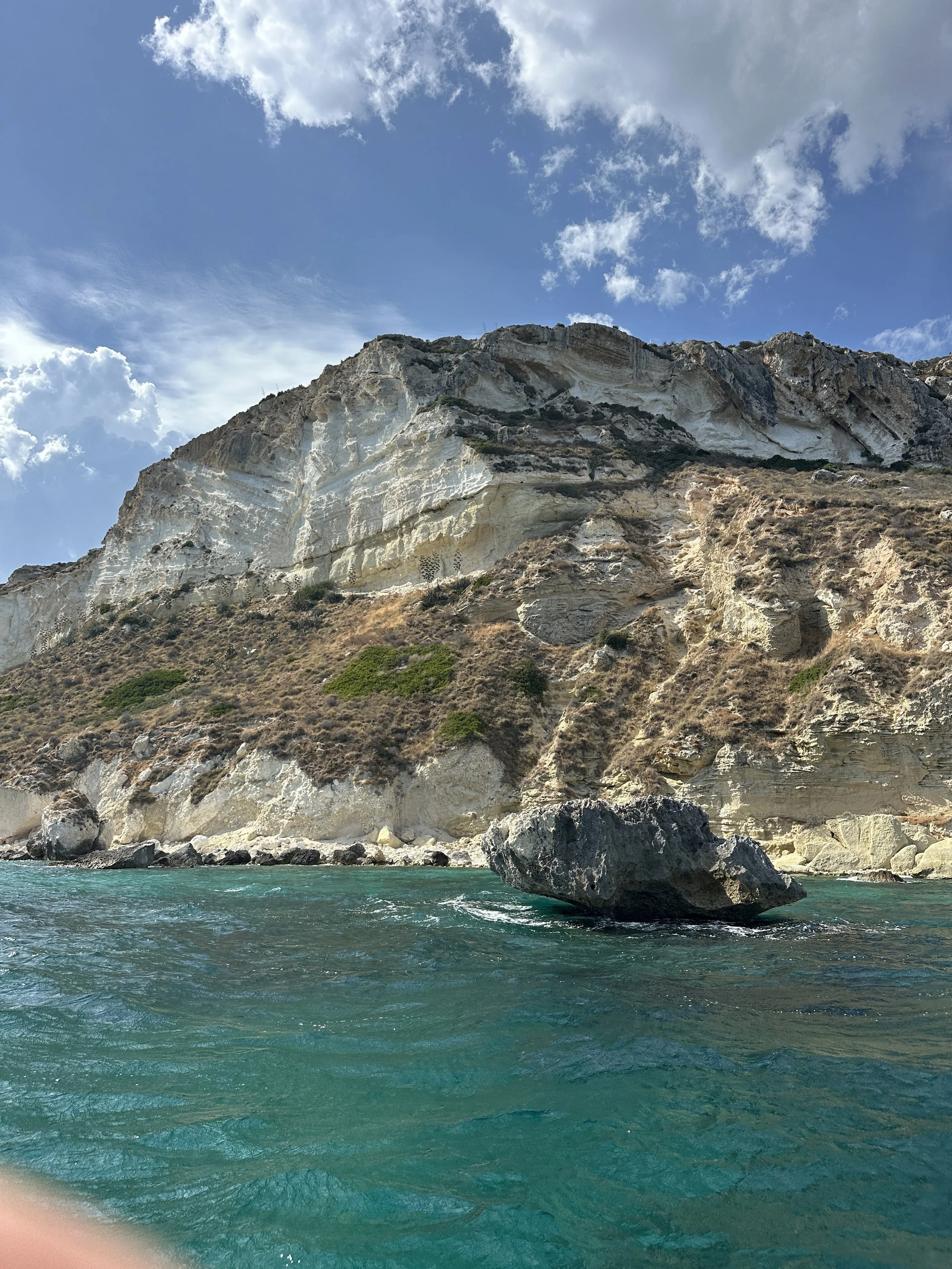
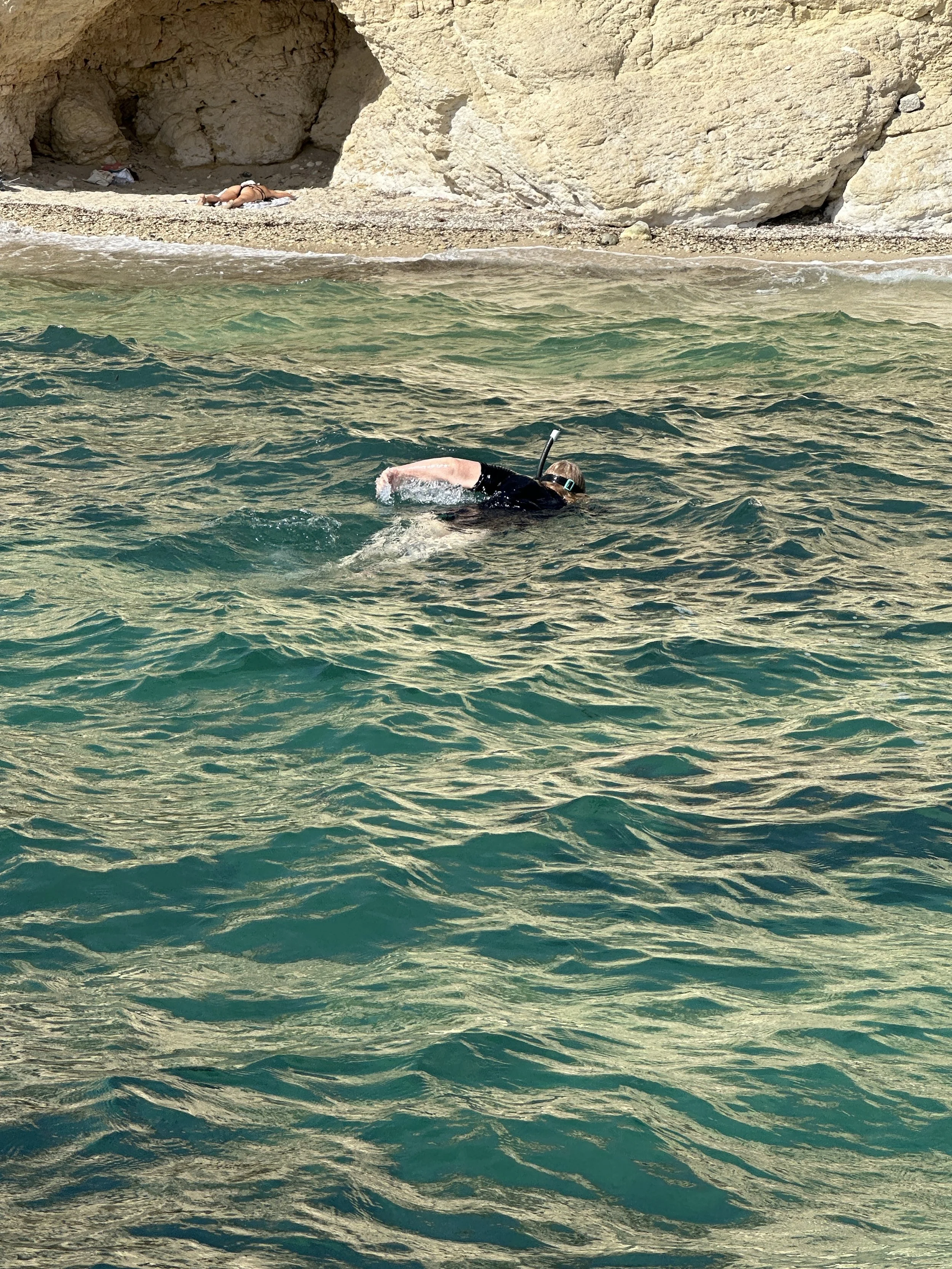
Friday we went on a boat ride around the coast east of Cagliari, as far as Poetto Beach where we had lunch. Stopped at various places for swims, some snorkelling, and relaxing on a beautiful sunny autumn day. The waters are chrystal clear. A sea grass called posedonia is plentiful, which we are told is a sure sign of the health of the water. The skipper, Luca, was from Genoa, so we have found a mainlander who has moved here. He may not count though, as he lives and works on a boat. He told us a legend about a shipwreck that involved various miracles and establishment of a church called something like Santuario di Nostra Signora di Bonaria, a very famous place in Cagliari evidently. You can find the original legend on line.
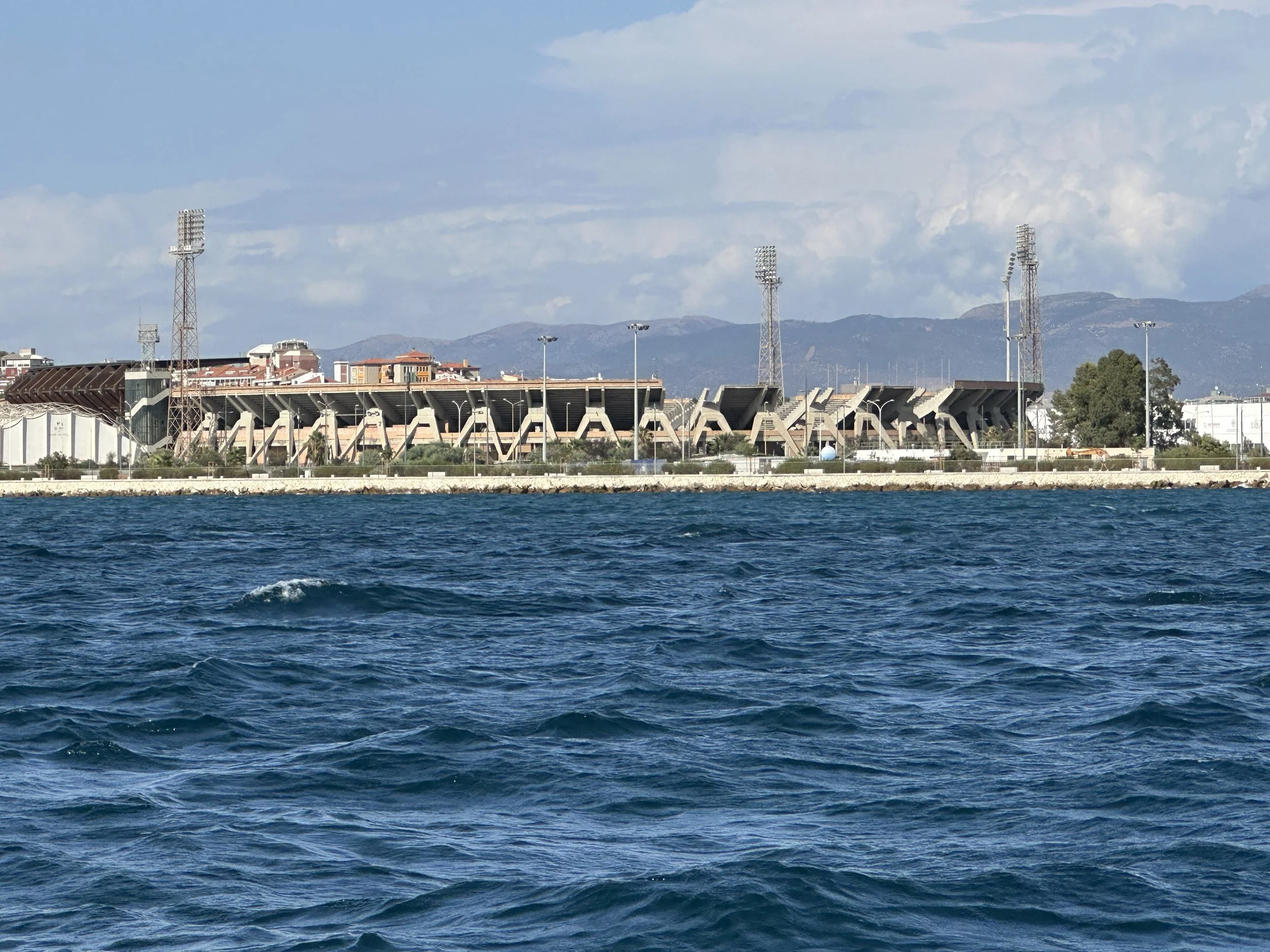
A bit past that we could see a big sports stadium, so I decided to try out my Italian language skills by telling a story, perhaps creating a new legend, about a modern sport-related miracle. Luisa (our guide) and Luca were amused. Here it is, slightly tarted up:
“Qualche anni fa, una squadra di calcio siciliana viaggiò in nave verso Cagliari per una partita nello stadio locale. Improvvisamente, scoppiò una violenta tempesta. L'imbarcazione andò alla deriva vicino agli scogli. La situazione era molto pericolosa. L'arbitro speciale per la partita era Luigi “Gigi” Riva. Gigi si alzò in piedi e fischiò forte. La tempesta si placò immediatamente. La squadra siciliana arrivò sana e salva e vinse la partita. Da quel giorno, lo stadio fu ribattezzato Stadio Gigi. Ora, chiunque vi giochi è al riparo dalle tempeste.”
One of Italy’s most famous footballers of all time and Italy’s greatest ever goal scorer, is Luigi “Gigi” Riva, a much loved figure. He came here from Lombardy, recruited early in his career, and loved Cagliari so much that he stayed for the rest of his life.
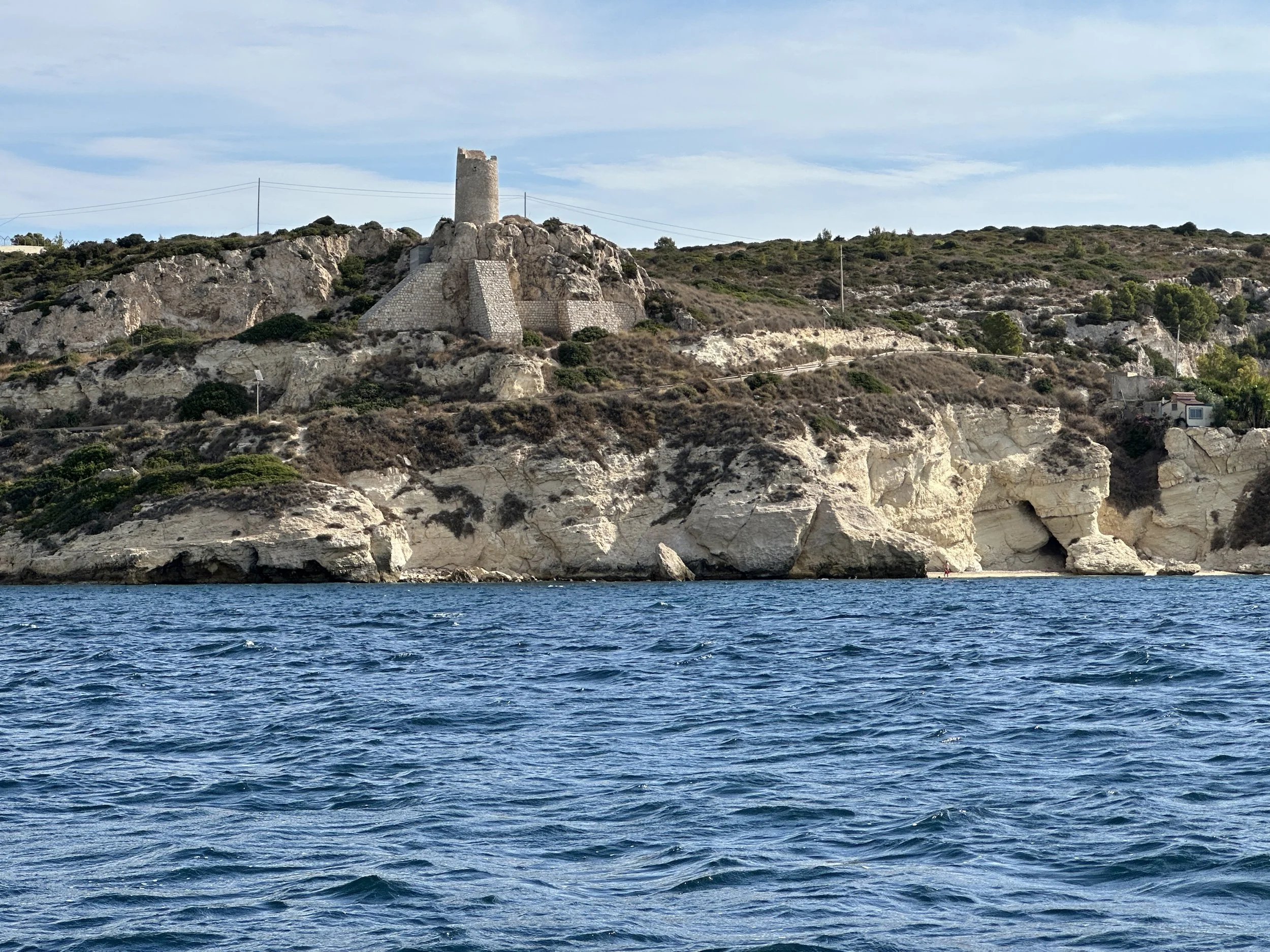
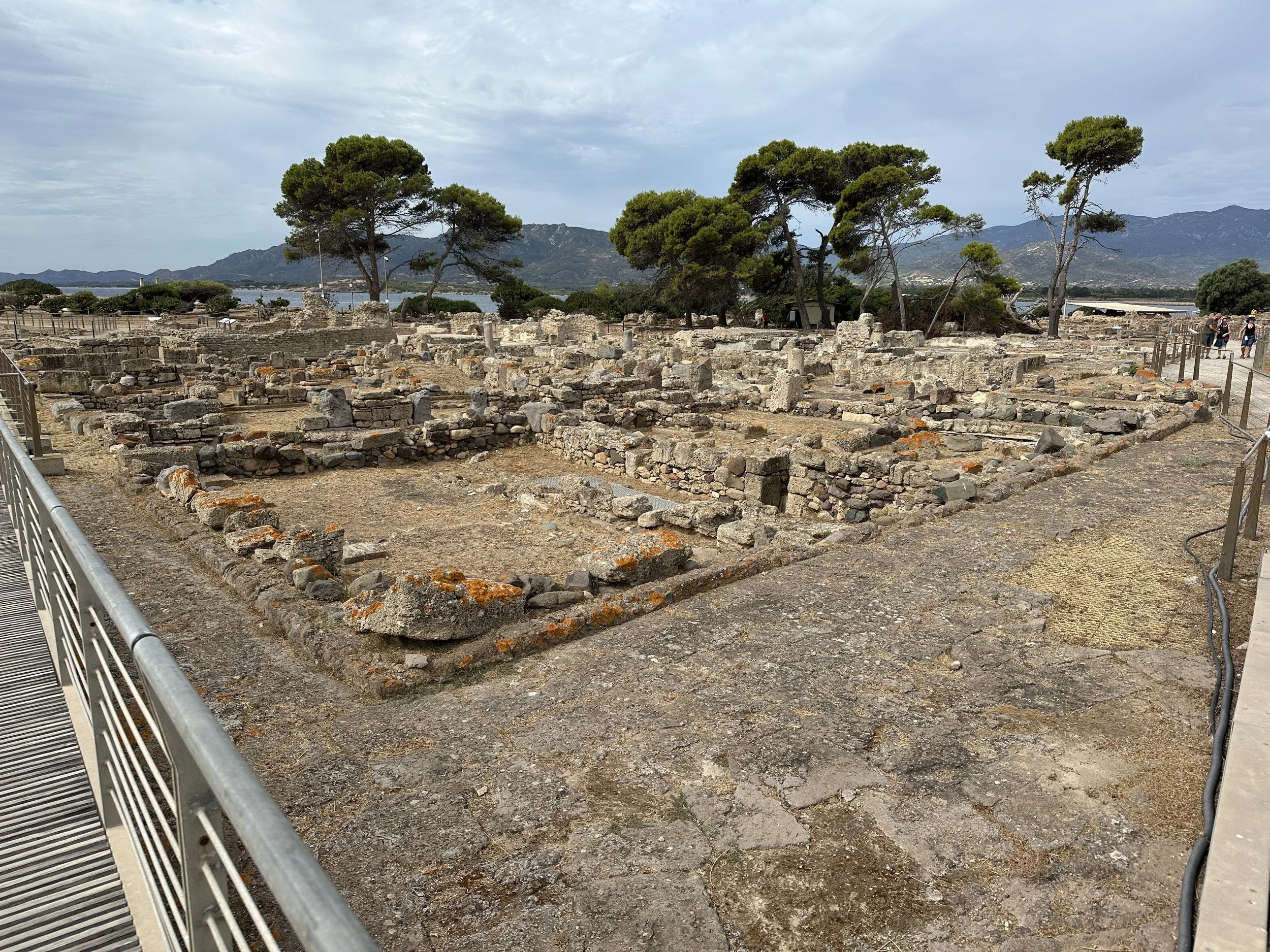
Next day an archaeological tour was the go. Sardinia’s history goes back some 500,000 years. After the Palaeolithic and Neolithic periods, locals in what is called the Nuragic period built stone towers called nuraghi across the country, around 1800 BC. Perhaps 8,000 of them. Their function is guessed at but not known. From around the 9th century BC Phoenician traders visited and established a trading presence especially in the south. Things hotted up when the Carthaginians invaded with conquest in mind in the 6th century BC. Then the Romans turfed the Carthaginians out (after winning the three Punic Wars) and ruled from about 200 BC for the next 700 years. Evidence of all these periods can be found today. It’s quite amazing. Of course there’s plenty to tell after that, in the often painful lead-up to the unification of Italy in relatively modern times, with Sardinia playing a very important role in the 1861 unification. Perhaps we’ll learn more about that later in our trip when we are on the mainland.
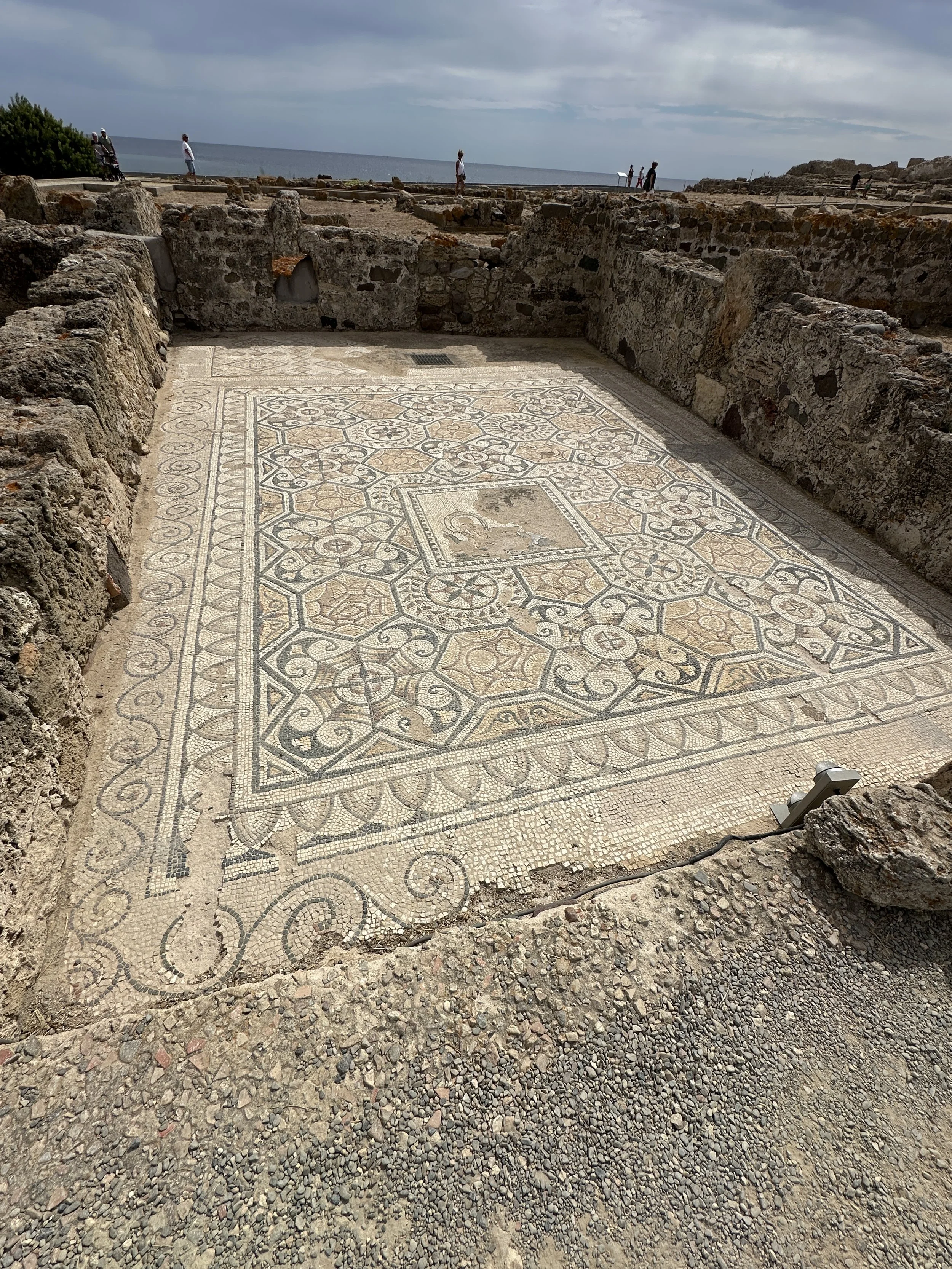
Our guide Laura, who has a sideline as an archaeologist, showed us some of the evidence about parts of this history as we visited Nora, where there are ruins of both the Carthaginian and Roman periods. The town was right on the then shoreline, an hour or so west of Cagliari. The site was abandoned when it became too dangerous due to repeated attacks by pirates. The people moved to nearby villages, particularly to Pula. We had a great lunch there at Federico’s restaurant.
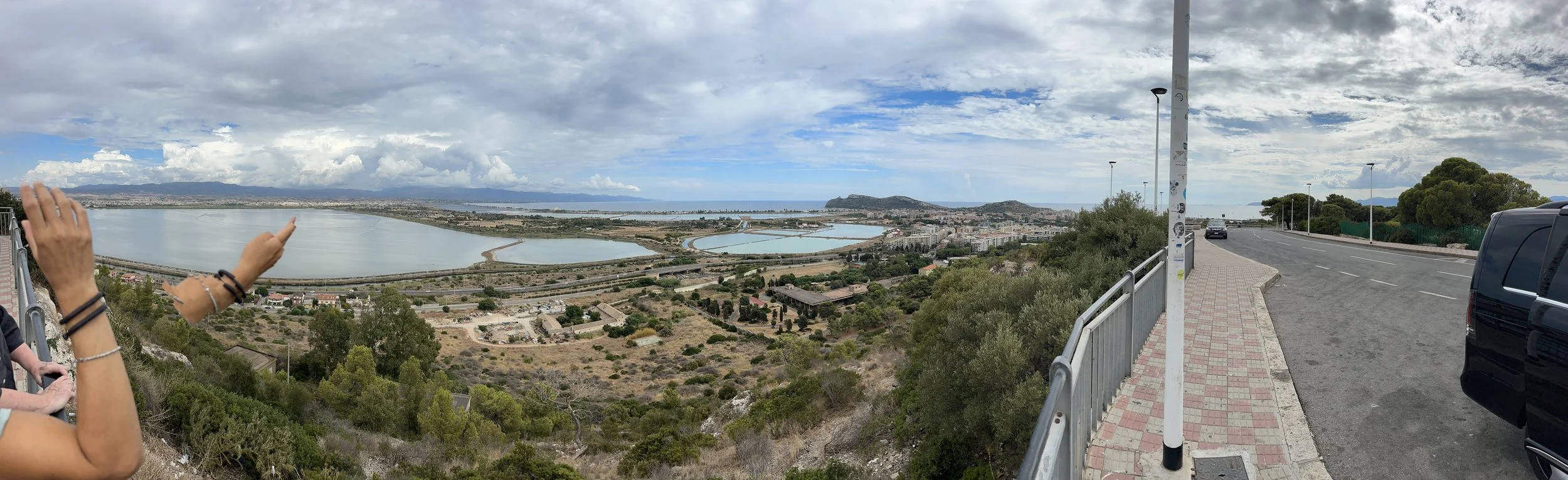
On the outskirts of Cagliari lies the Molentargius lagoon. It’s a national park famous for its flamingos. They get their pinkness from the caratenoids in the shrimp and algae they eat.
Sardegna — Alghero
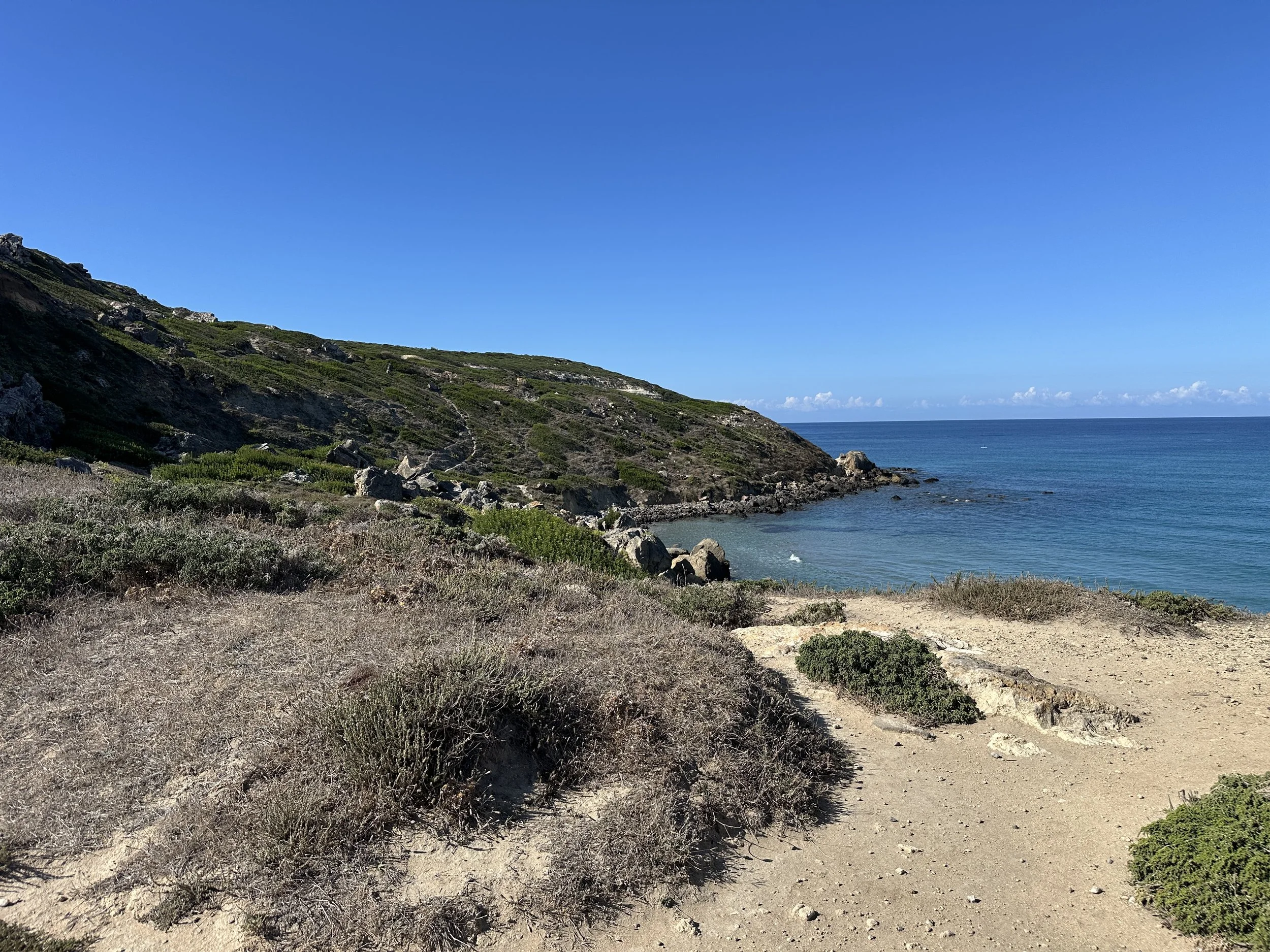
Next day we headed to Alghero, on the north-west coast, via another archaeological site at Tharros, where we saw more of the ruins of Nuragic, Phoenician, Carthaginian and Roman occupations. Our guide was another Laura. This one had completed her PhD in archaeology last year at Melbourne University, had lived in Parkville, and as a sideline taught Italian at CIS, where I study Italian.
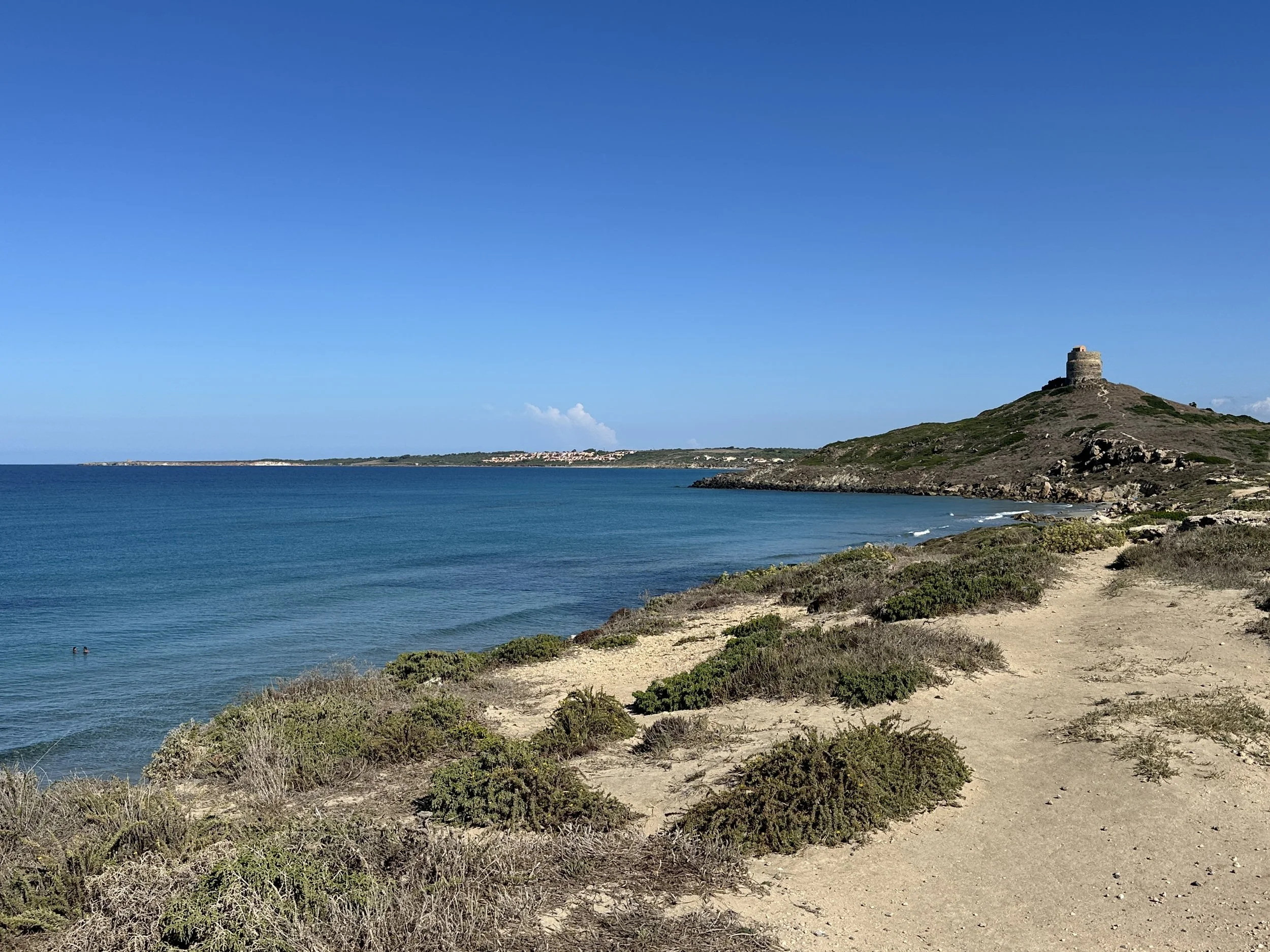
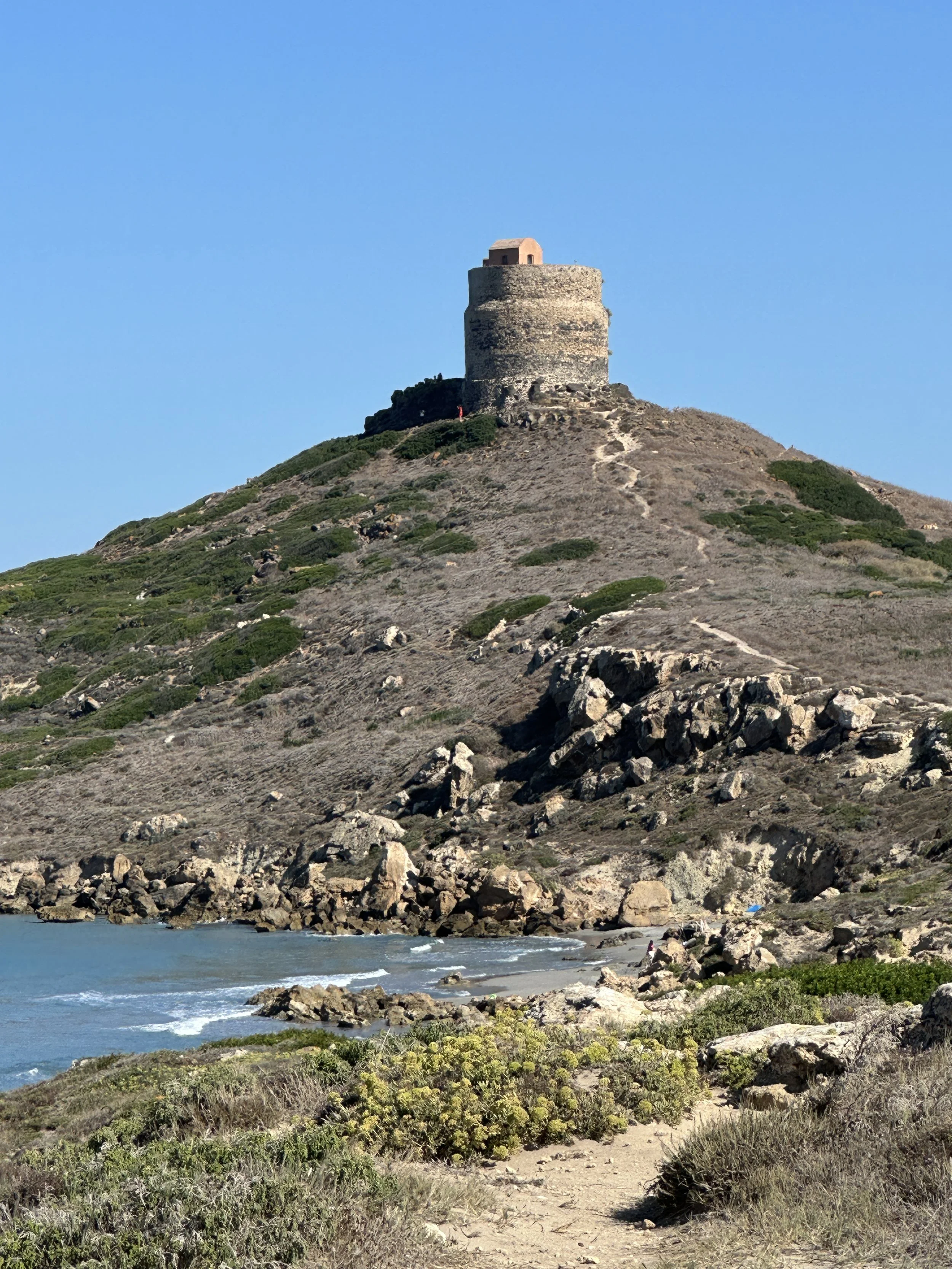
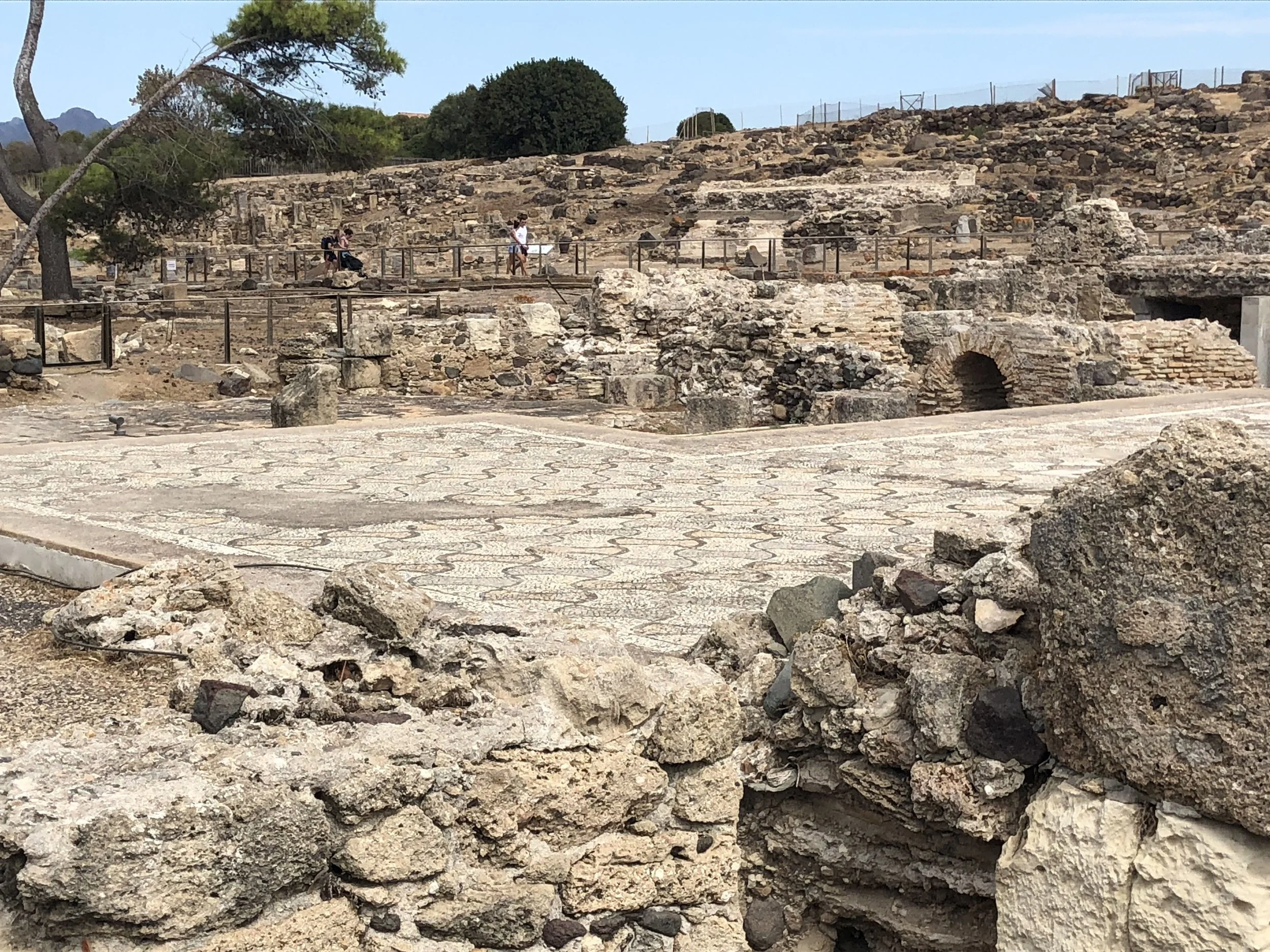
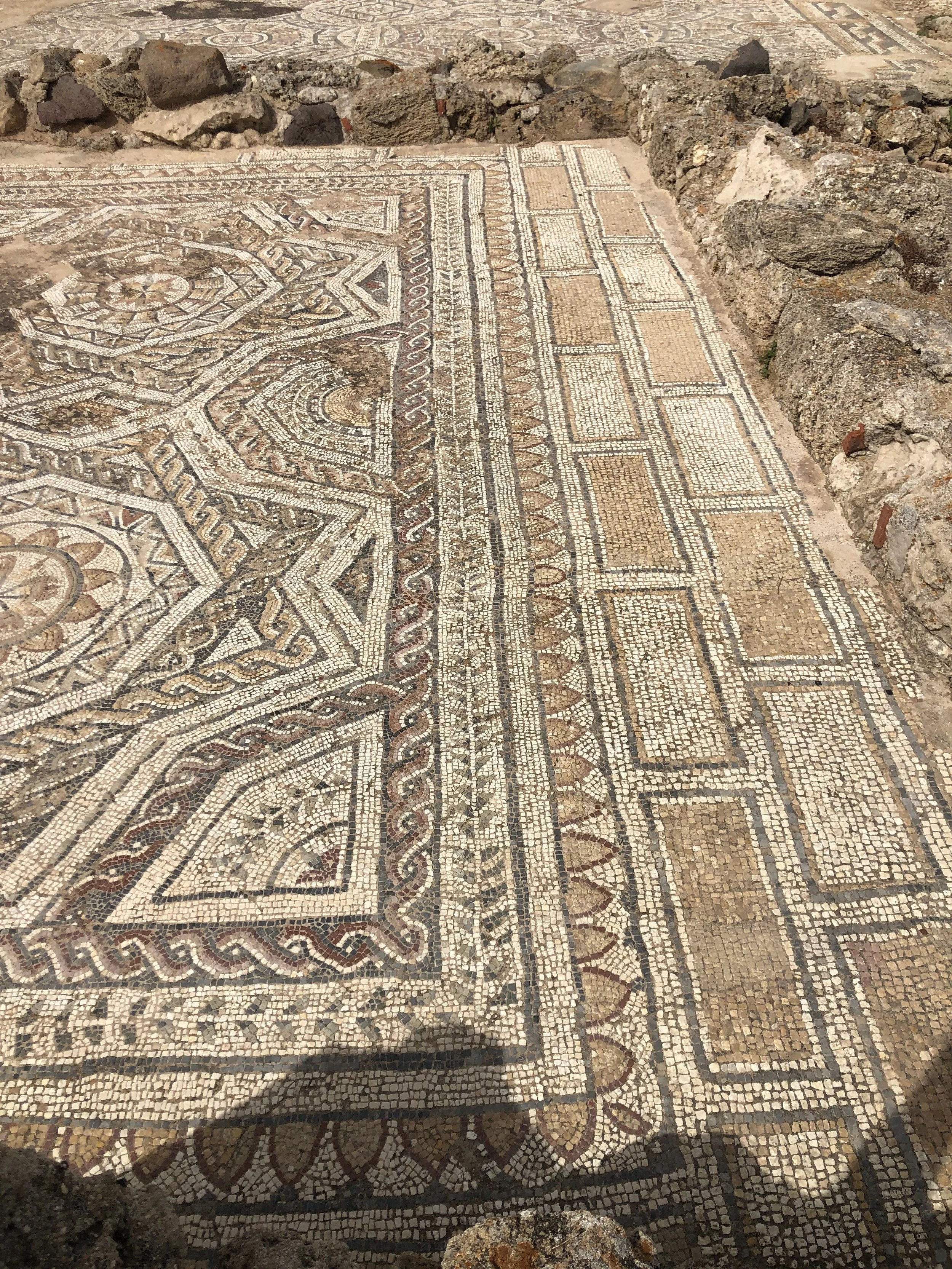
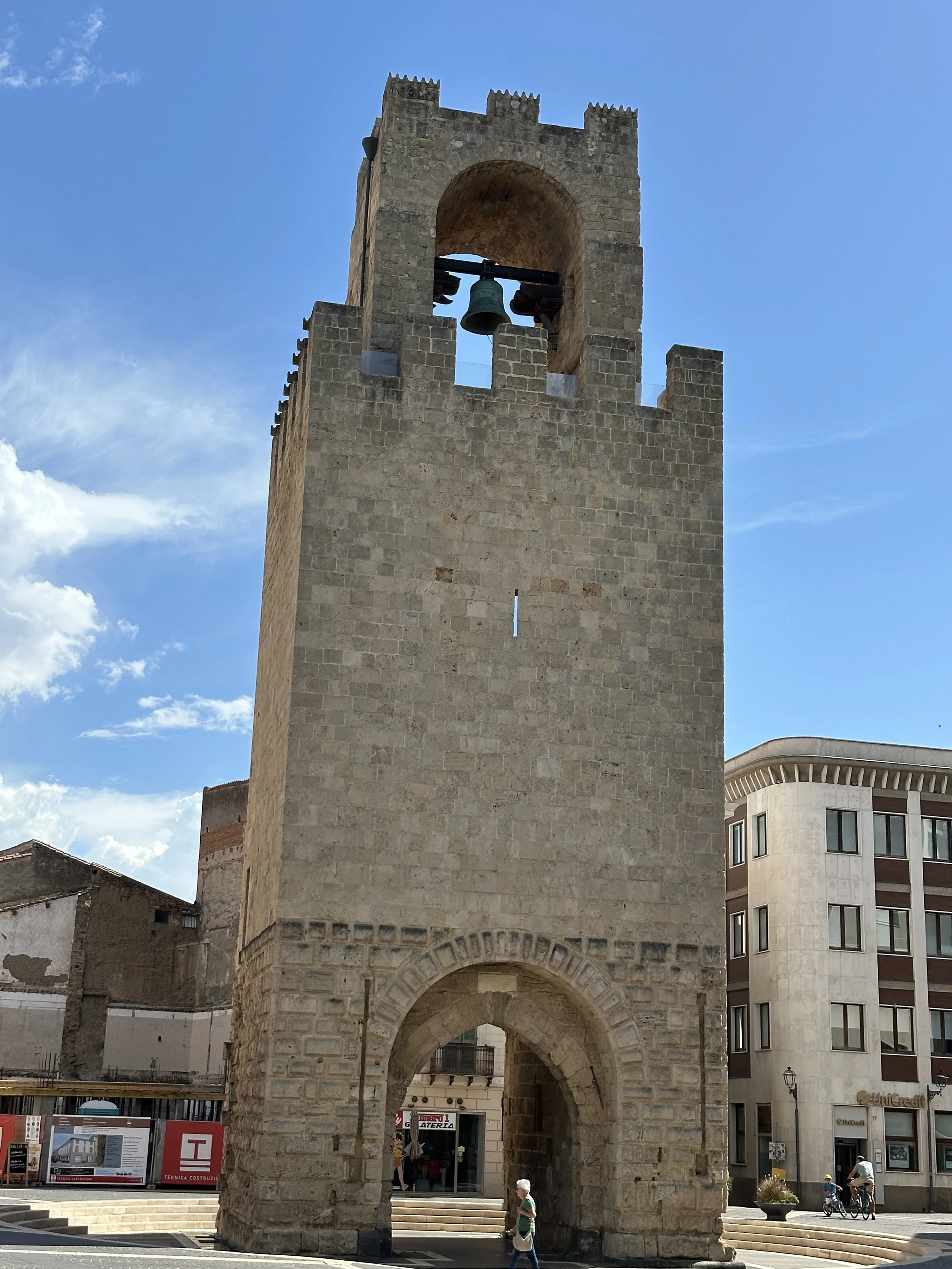
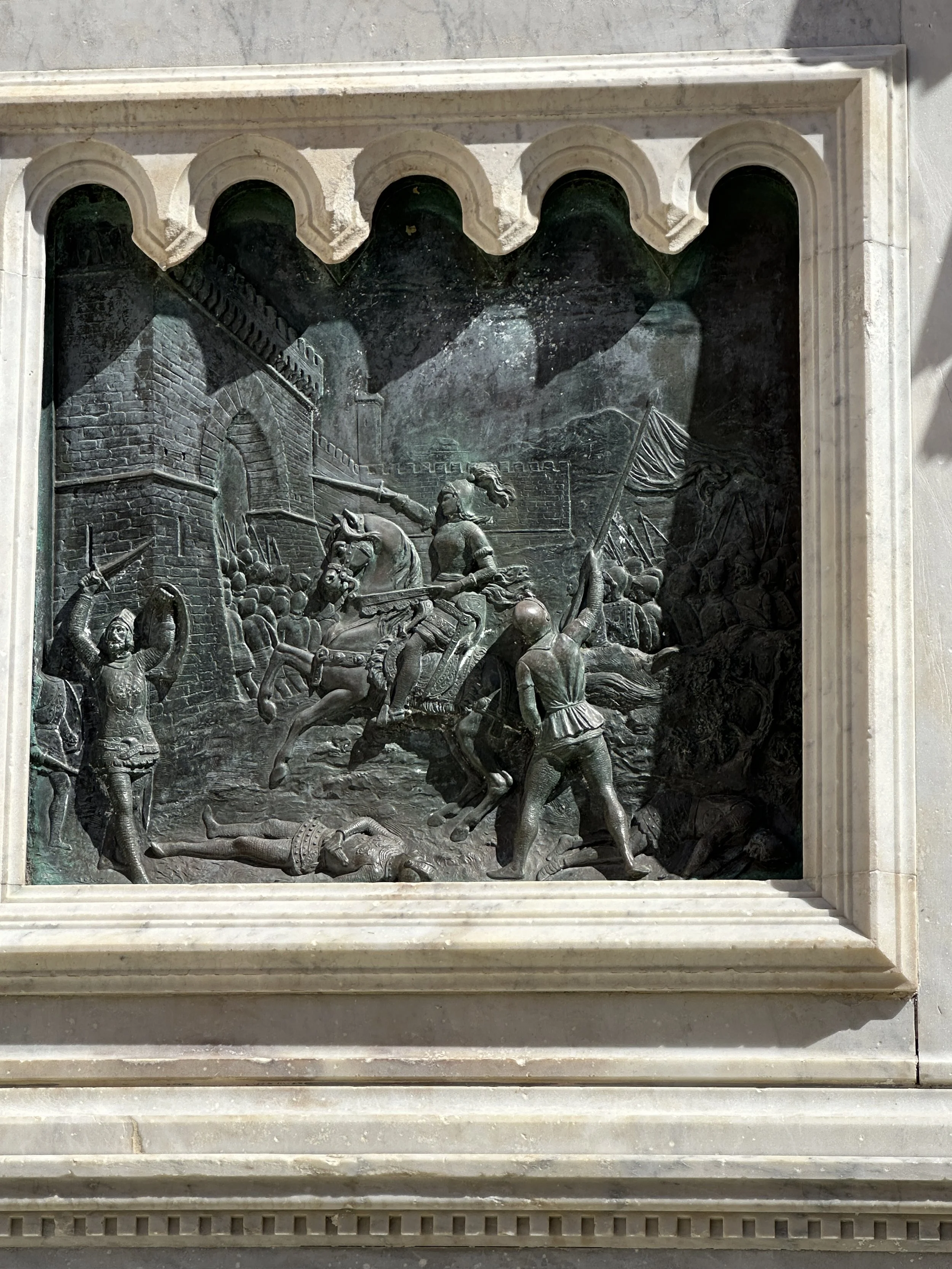
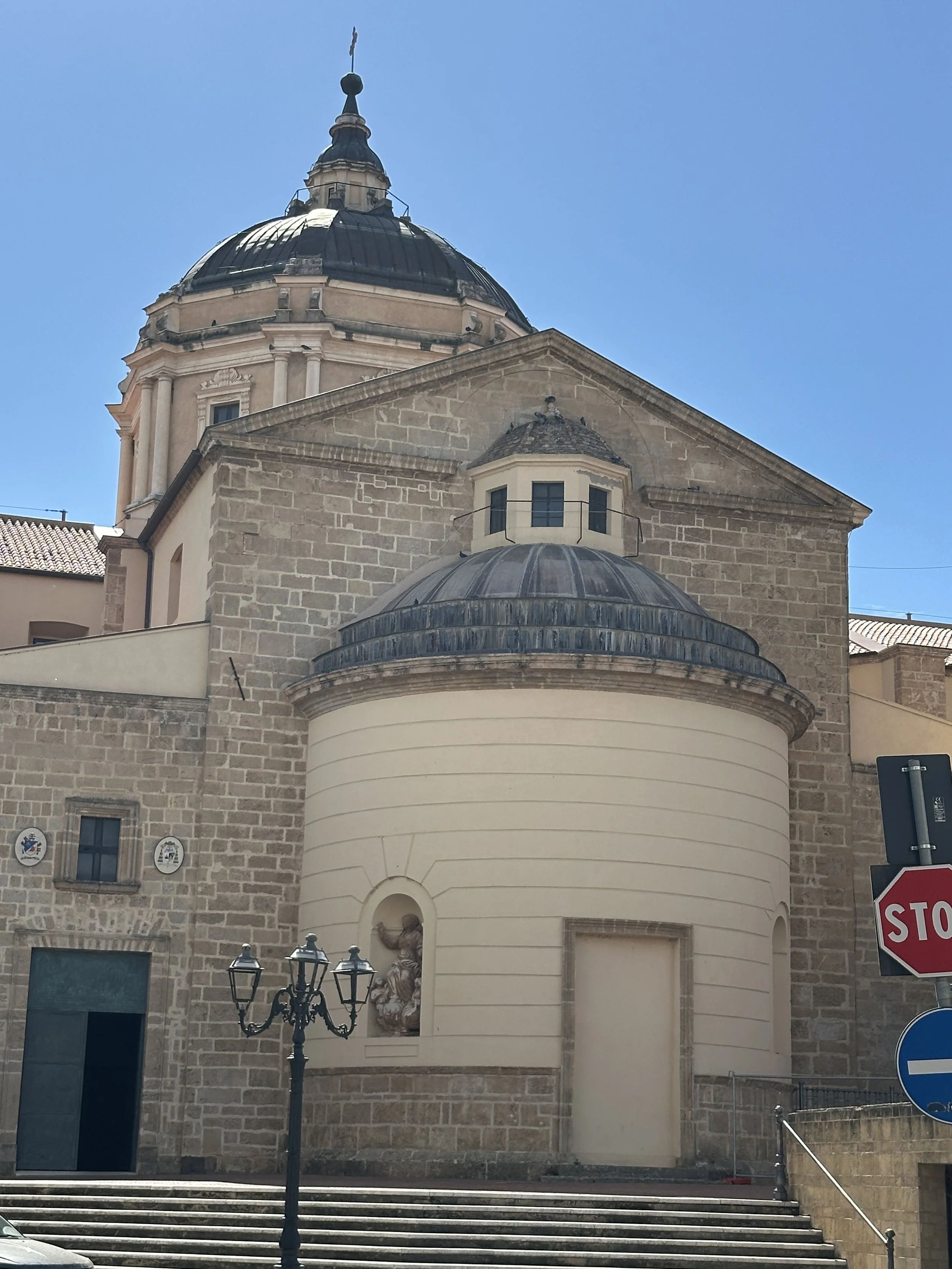
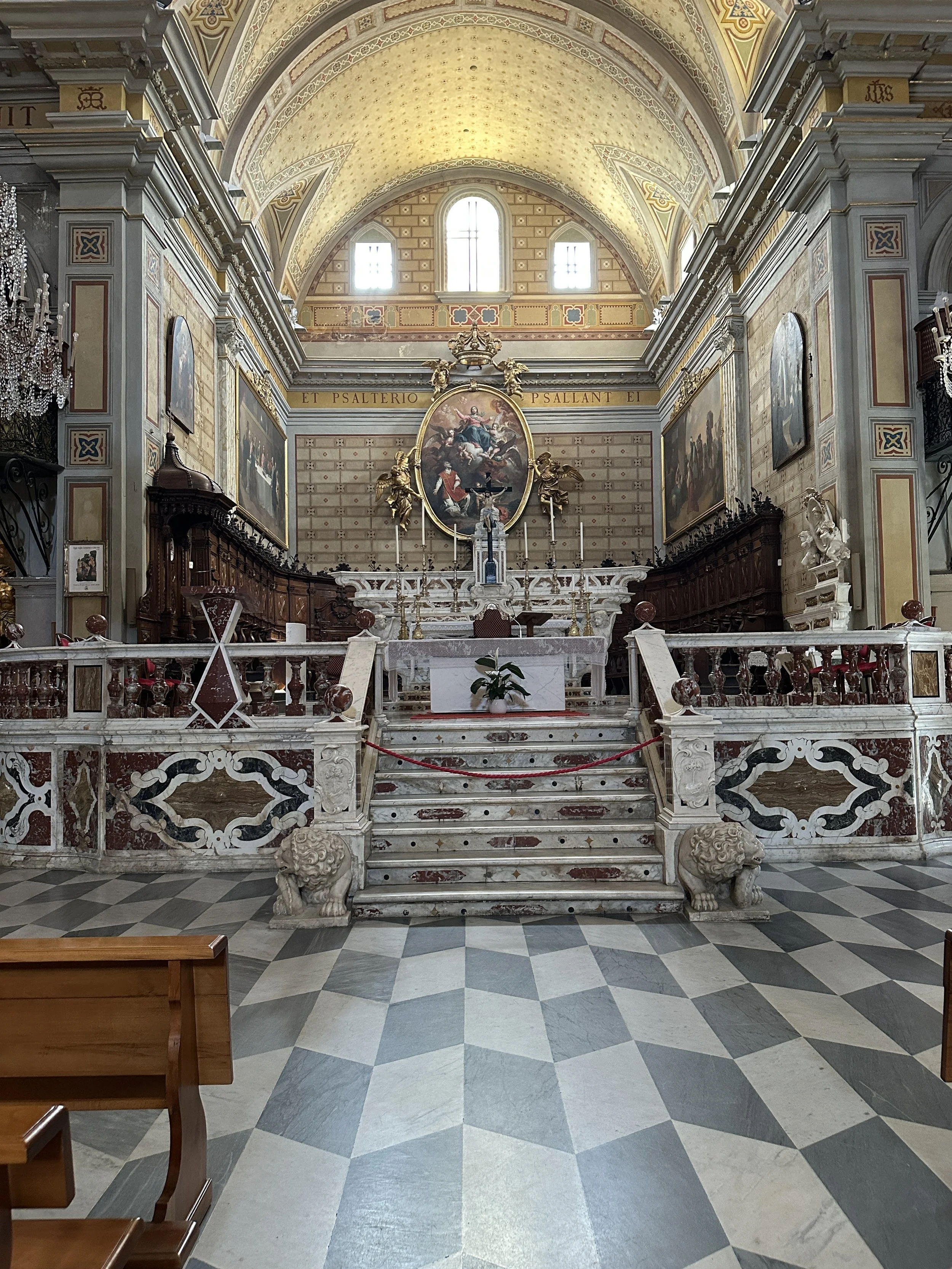
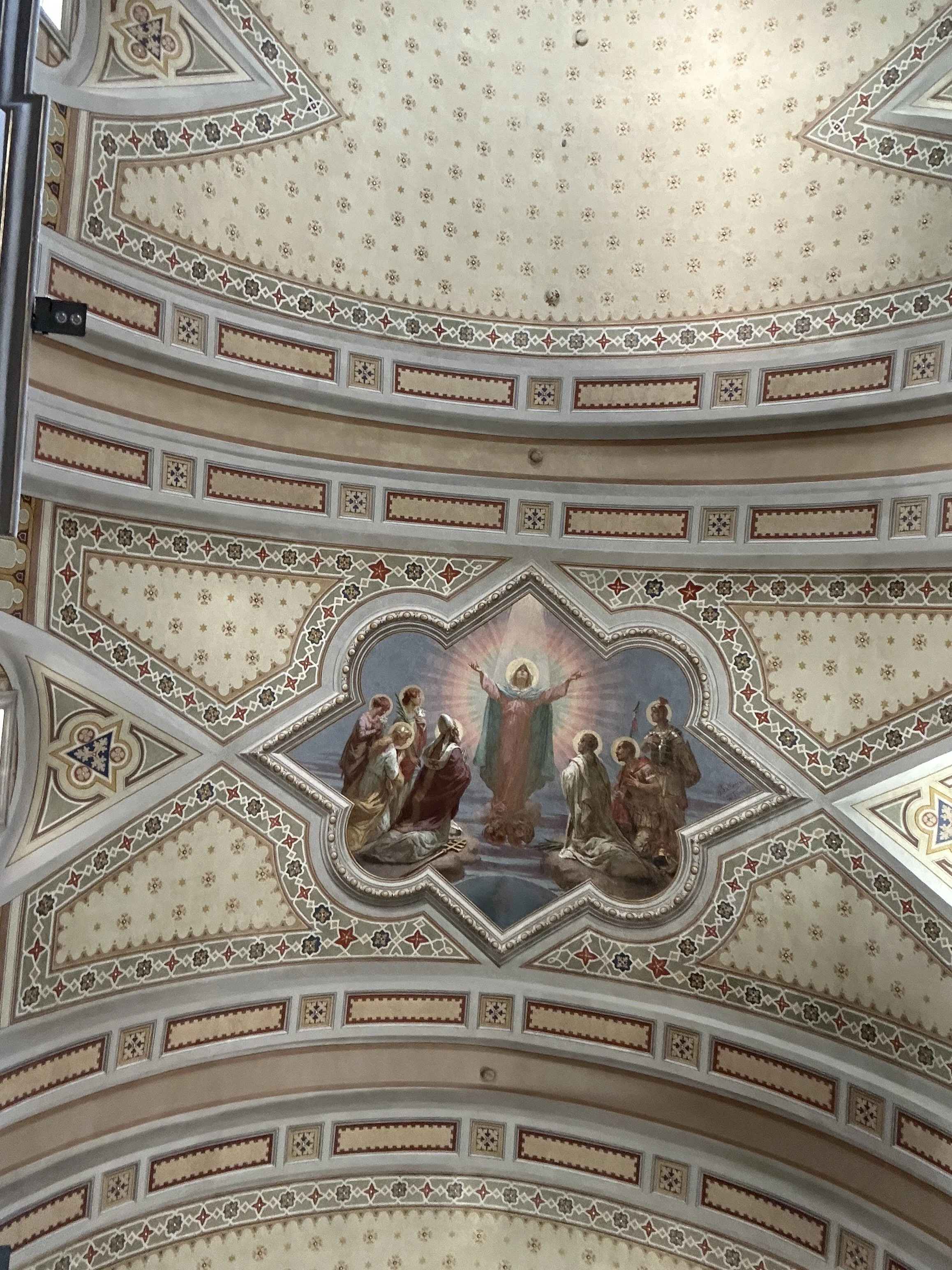
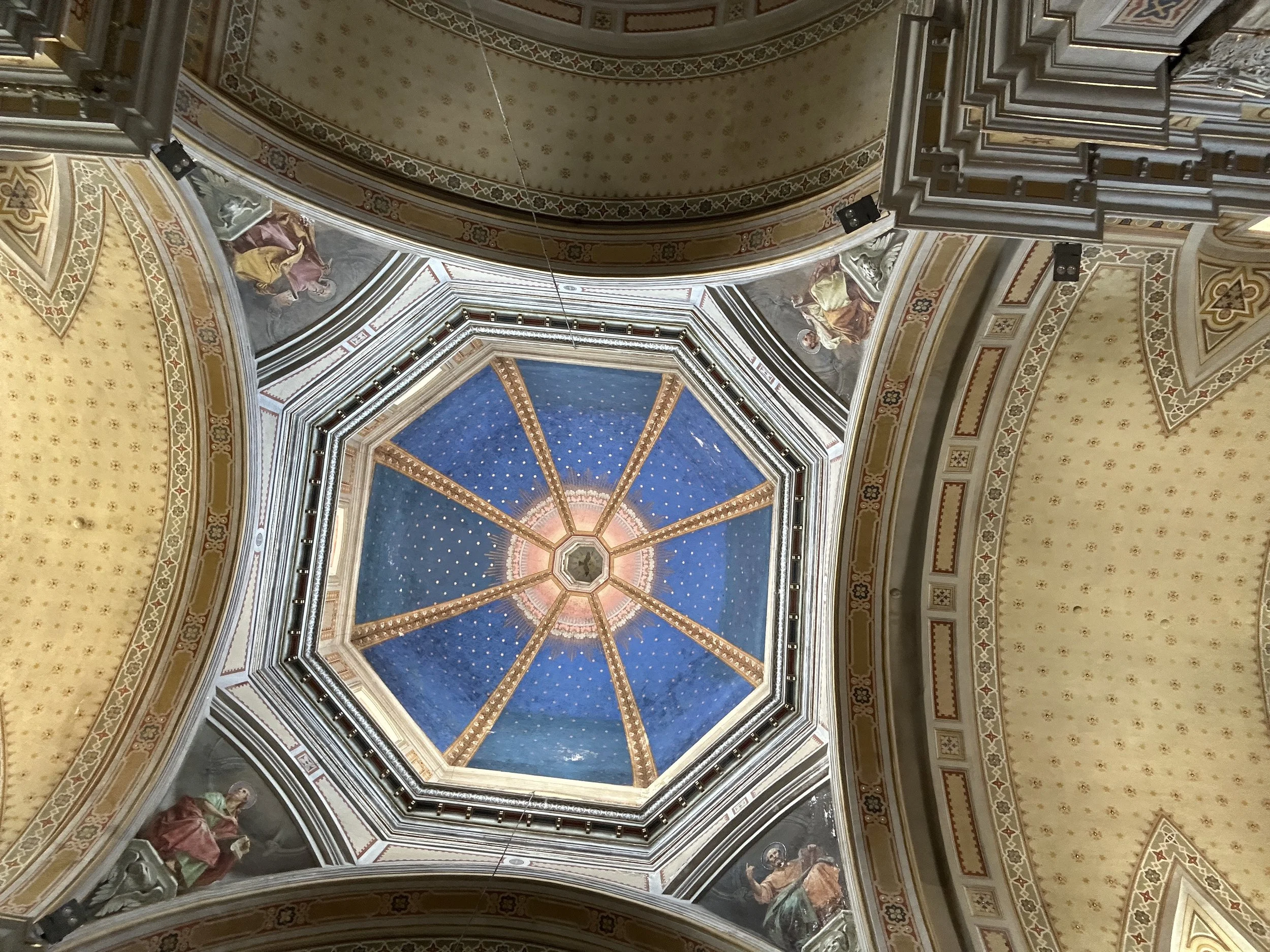
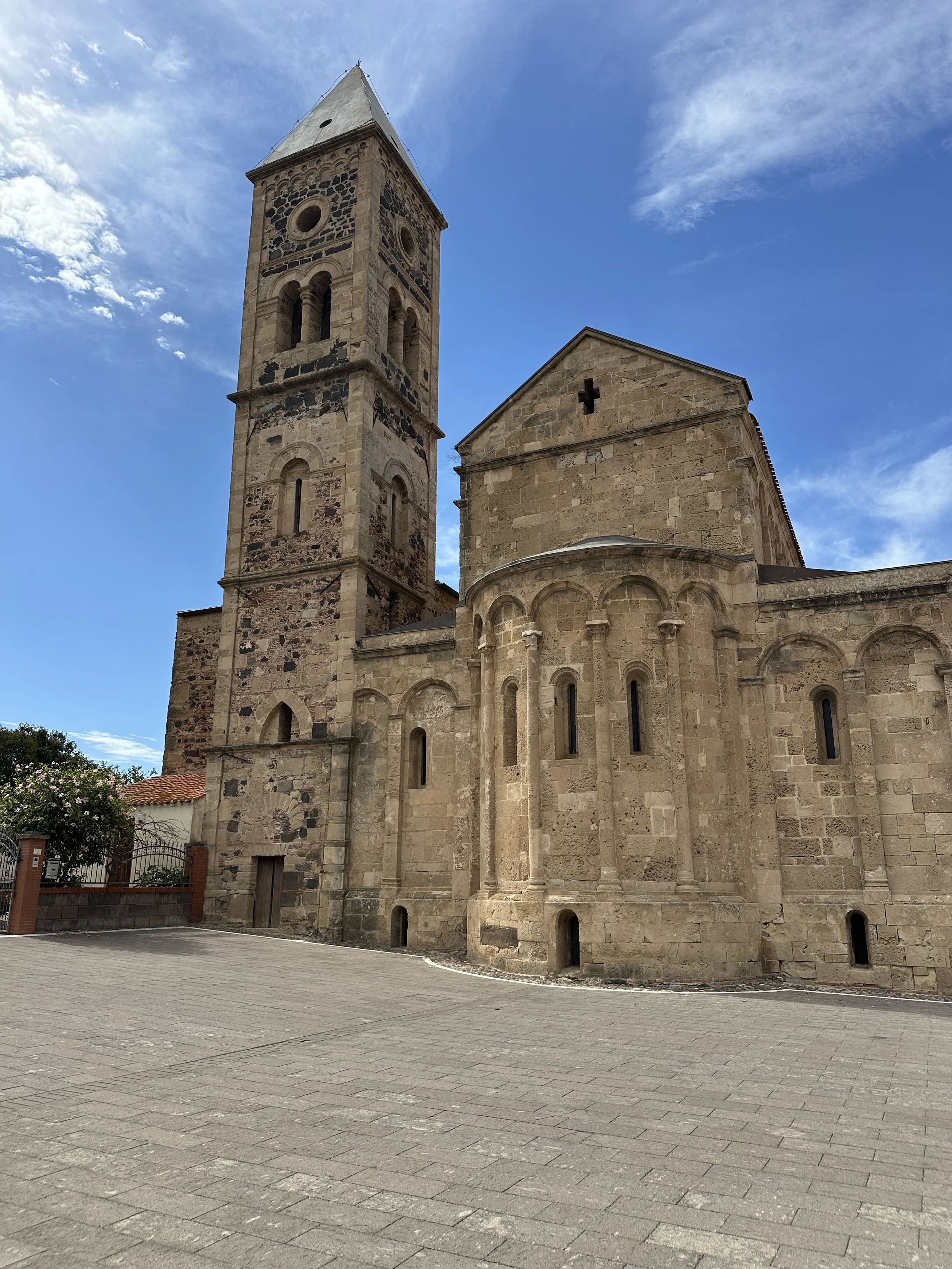
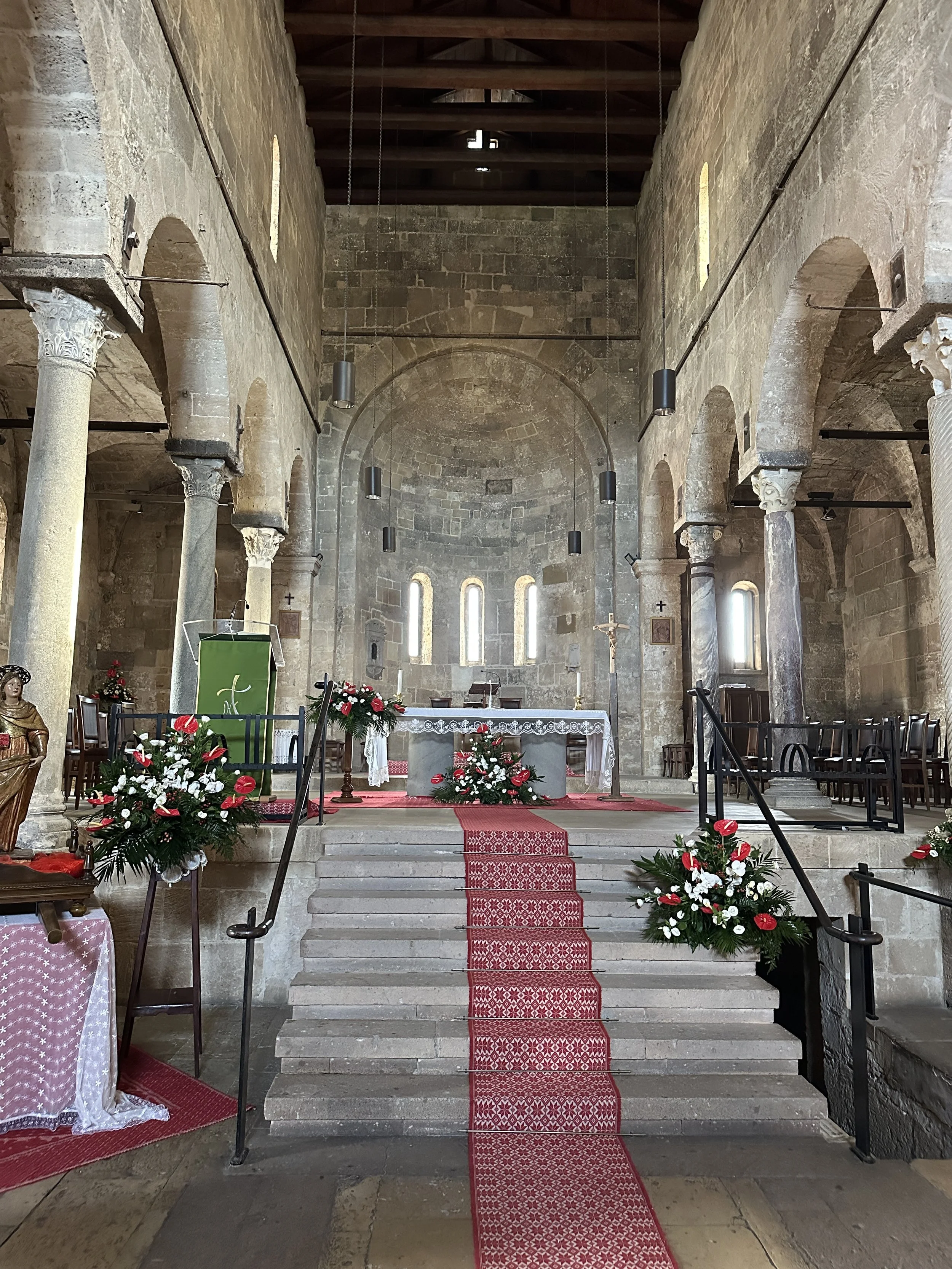
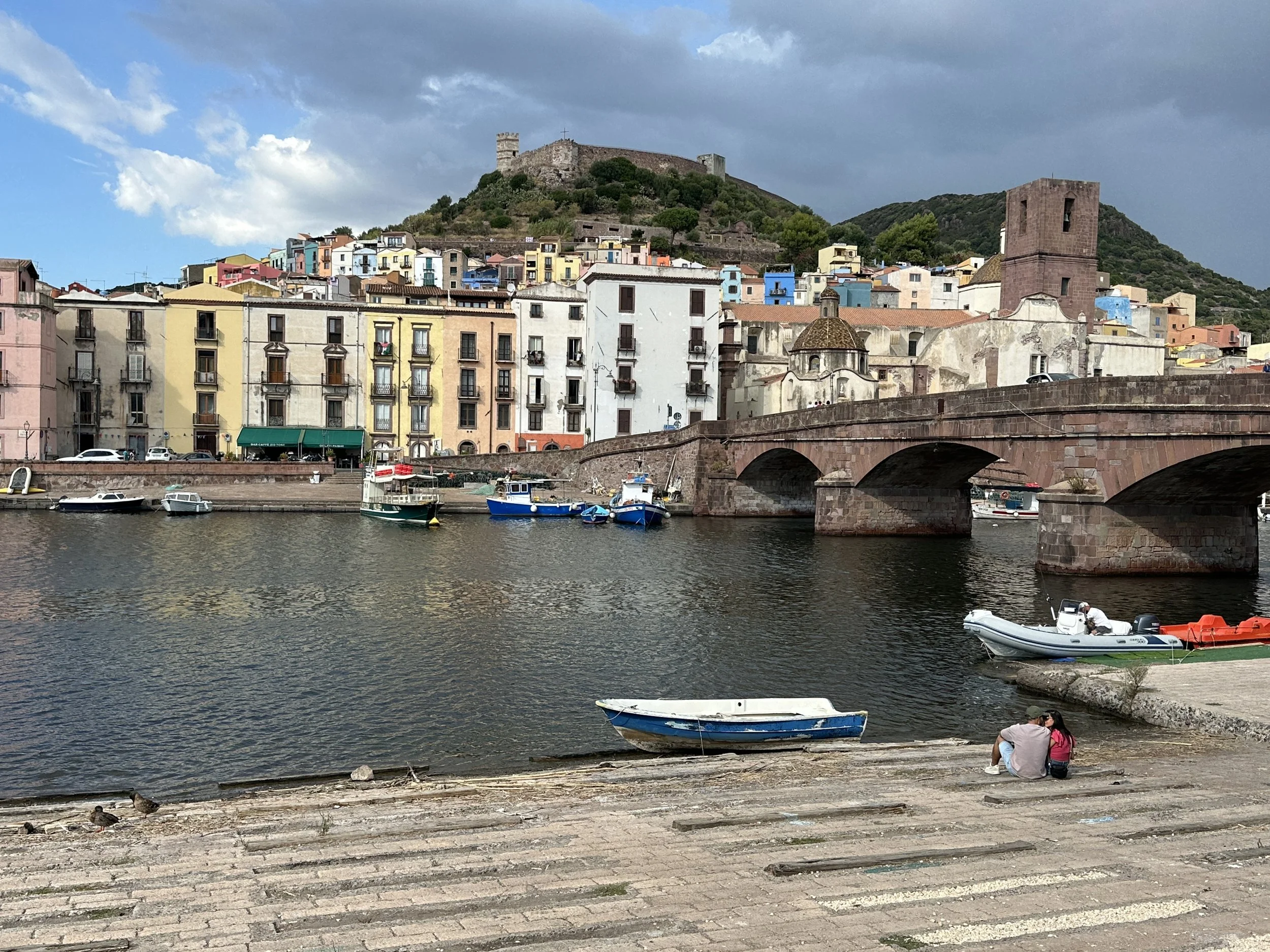
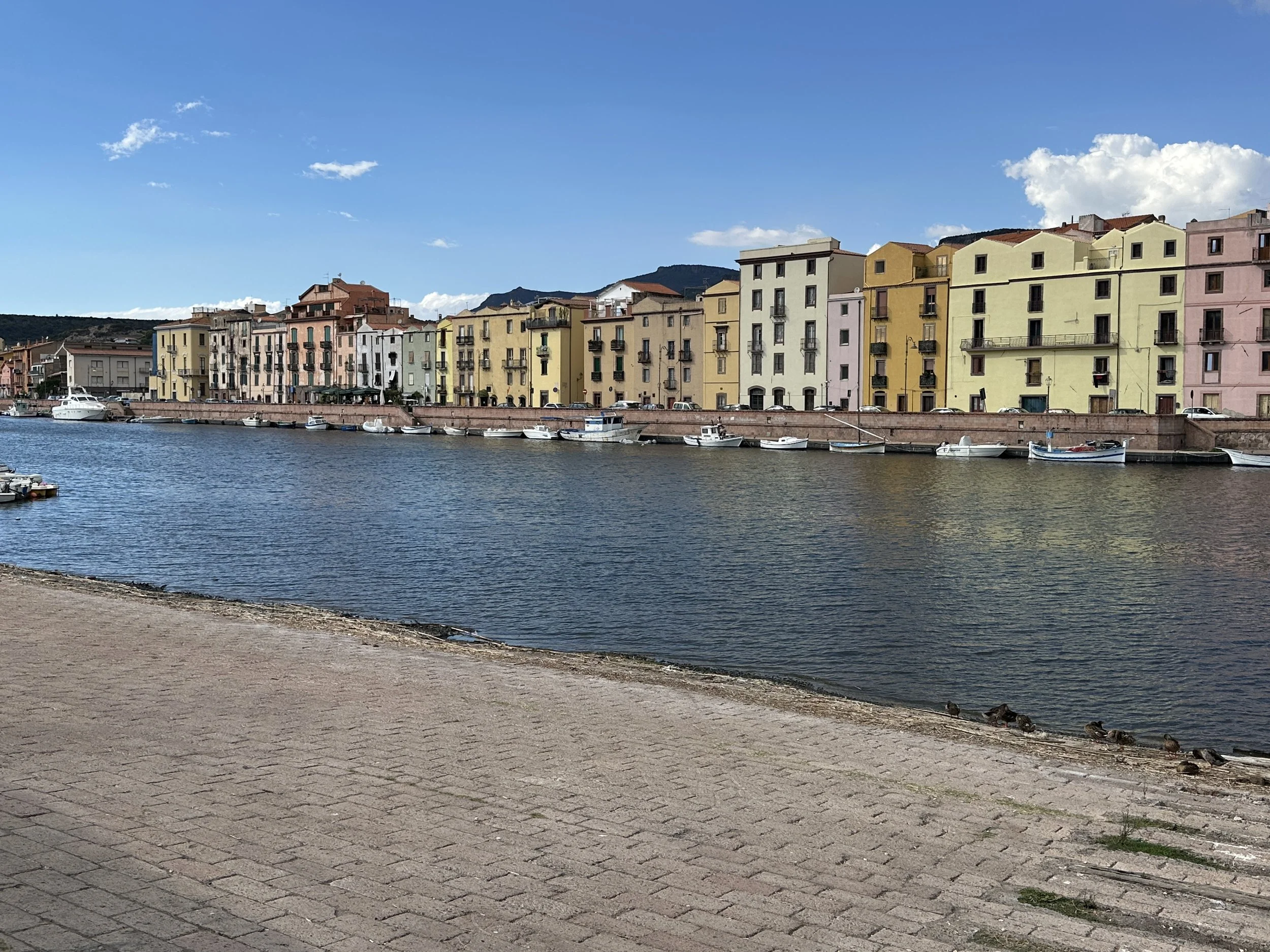
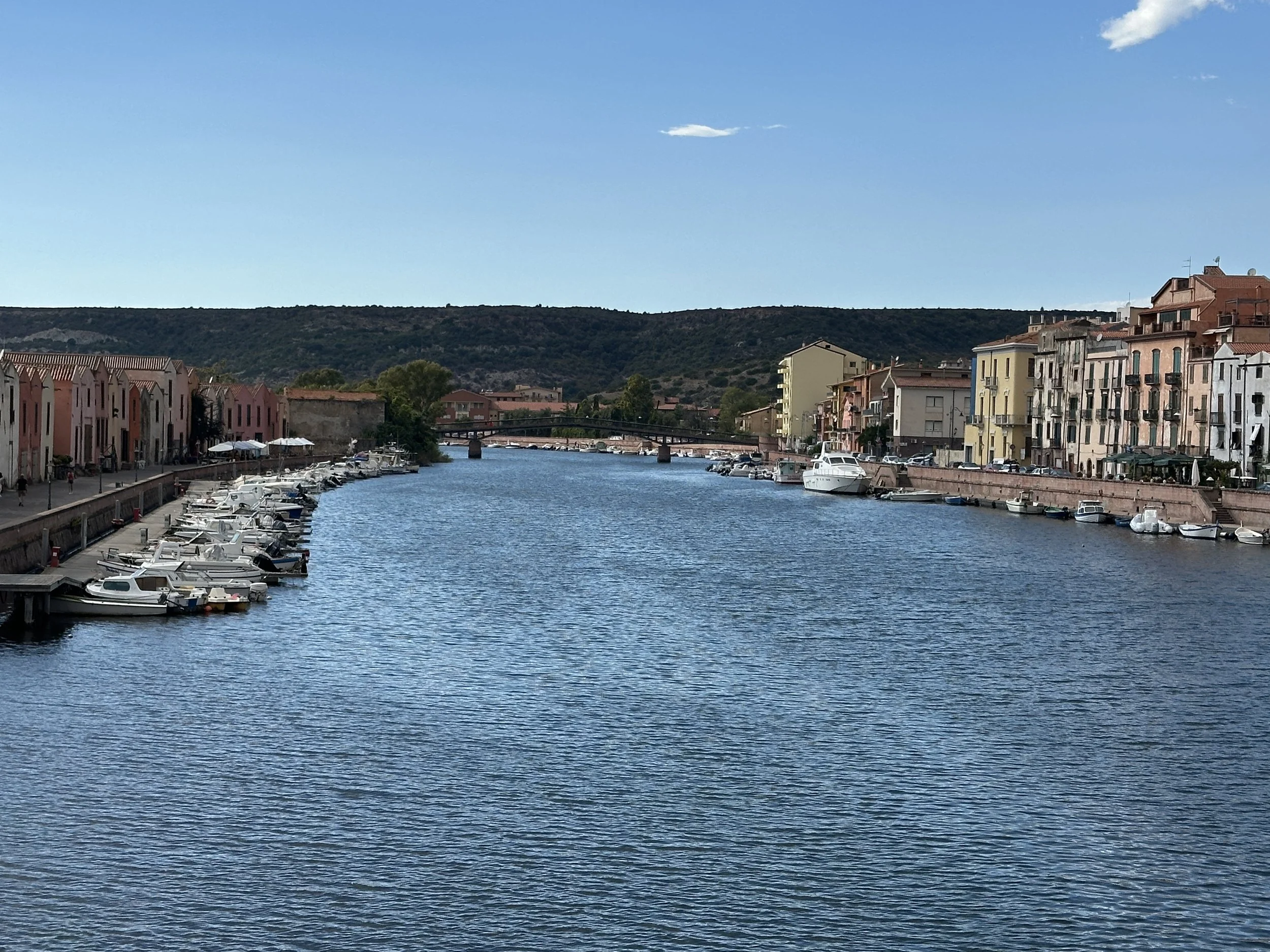
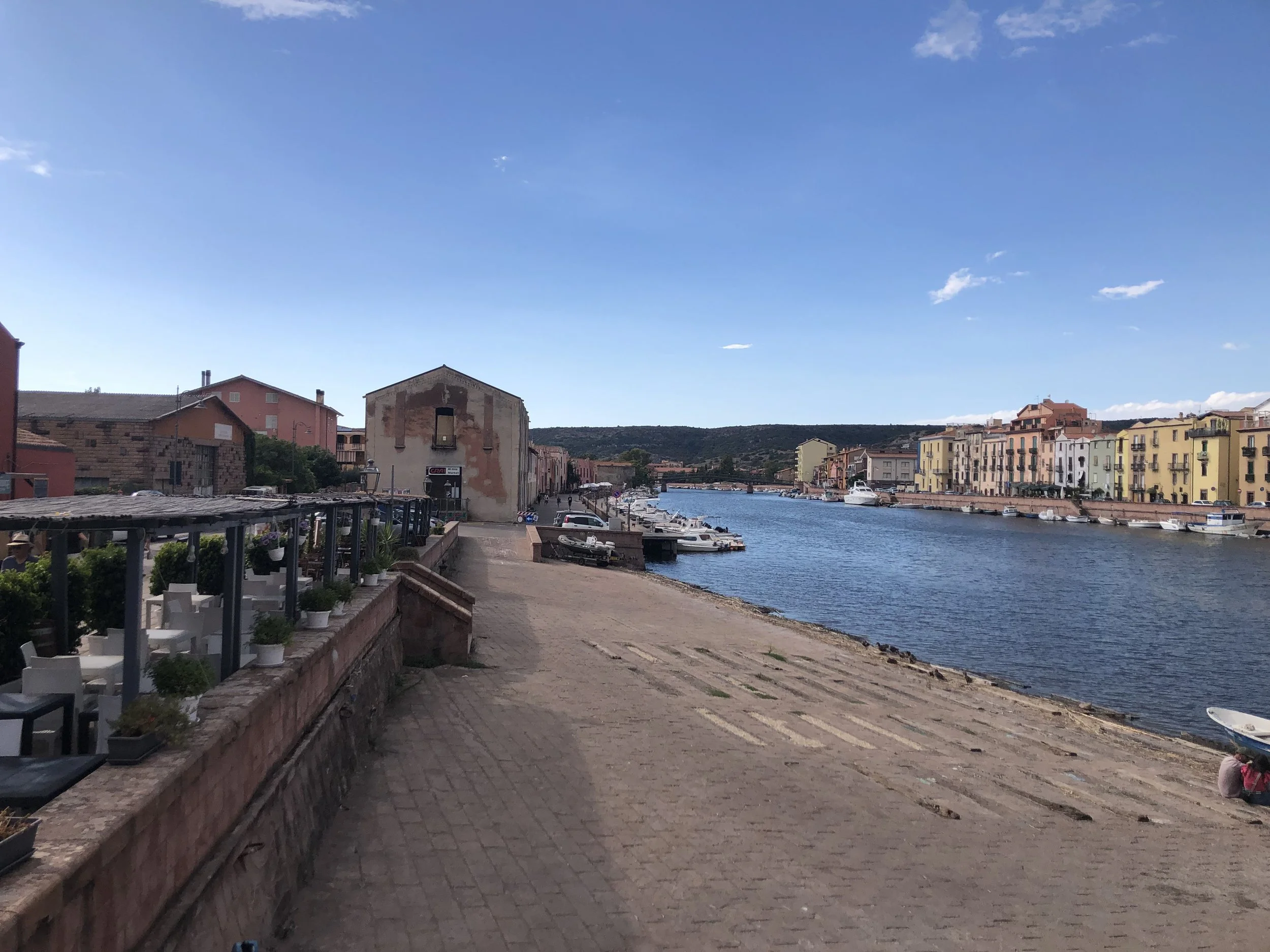
A short interlude in Oristano for lunch, then a short walk to the statue of Queen Eleonora and the nearby Cathedral. Eleanora was the Giudicessa (ruling judge) of the Judicate of Arborea, one of the four autonomous medieval kingdoms of Sardinia in the period after Roman occupation. She was a great warrior, fighting the Aragonese as they took over Sardinia. Then a visit to San Giusta to see the Roman church there, and we were on our way through Bosa and the coast road to Alghero. Bosa has the only navigable river in Sardegna. It reminded me of Bergen, with its very colourful houses, and the road was very reminiscent of the Great Ocean Road (but in Sardegna the apostles are all kept indoors).
We passed many flags fluttering in the breeze, flags in the worst condition you can imagine — the damage caused by the Mistral, a very powerful wind from the north-west they get here. This had also been mentioned in Cagliari, but there the worst wind is the very hot Sirocco that blows from the south off the Sahara.
We have two full days to explore here unassisted. Our hotel looks amazing, perched on a rocky outcrop above the water, and with a gorgeous outdoor pool, beautiful gardens, and unbeatable water views on three sides. There’s a suspicious portrait in the lobby. Huge, full military regalia. It might be Silvio Berlusconi, I’ll have to ask.
Ah! It is a portrait of Francesco Arborio Mella, 5th Count of Sant’Elia, previous owner of the Villa Las Tronas that is now a ‘luxury’ hotel. It was originally built as a hunting lodge by his grandfather Alessandro, the 3rd Count of Sant’Elia. Nobs the lot of them.
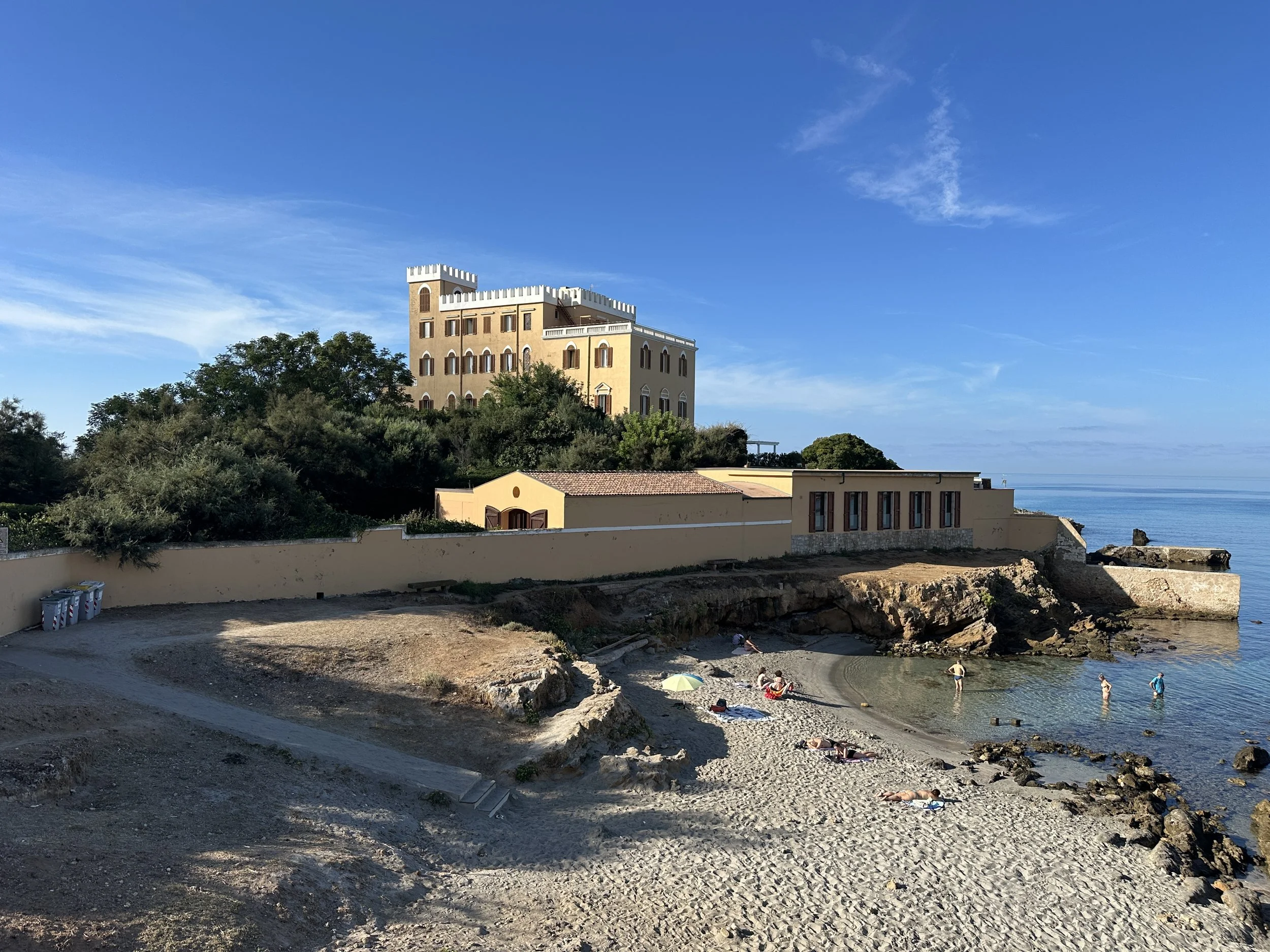
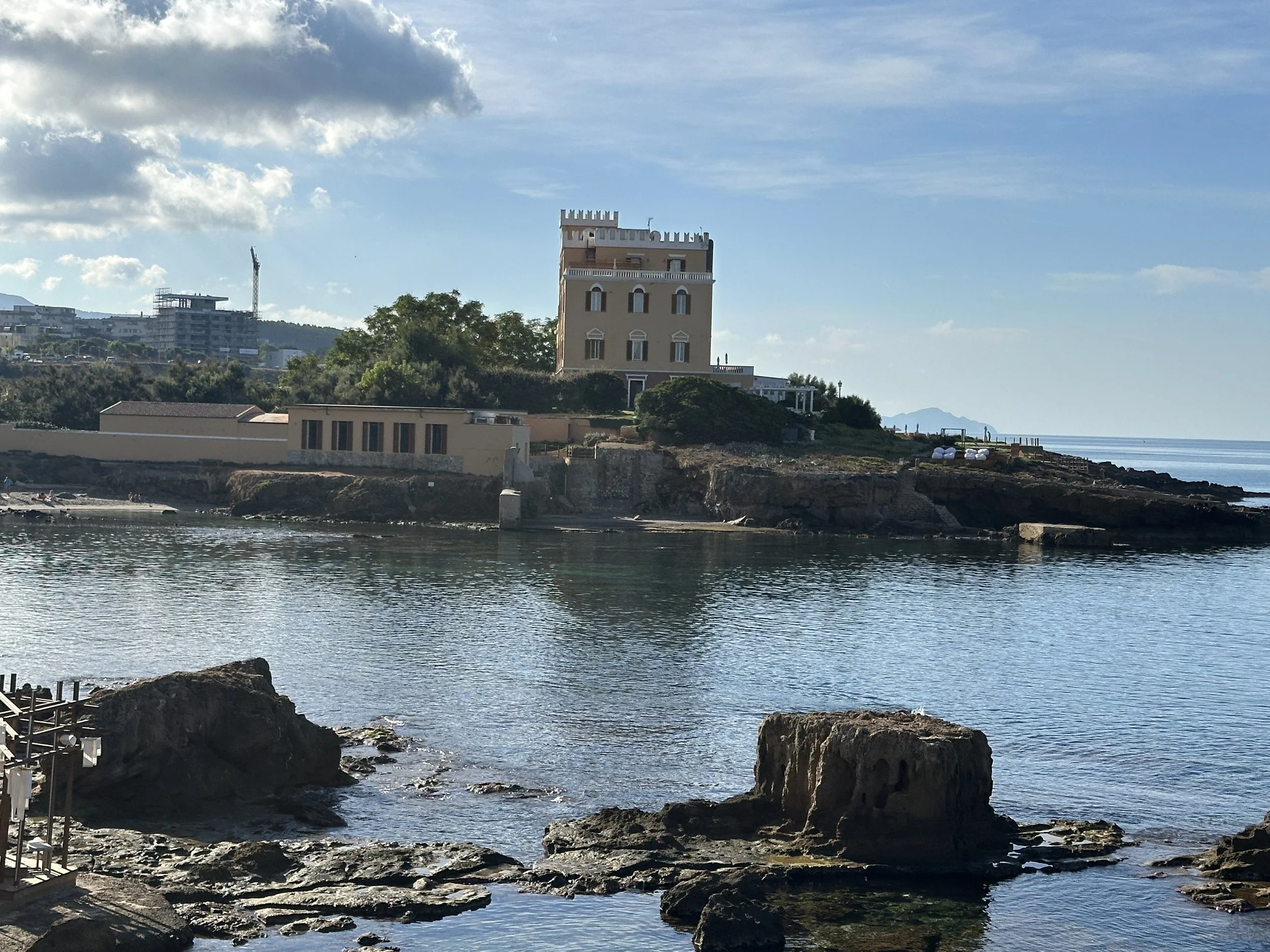
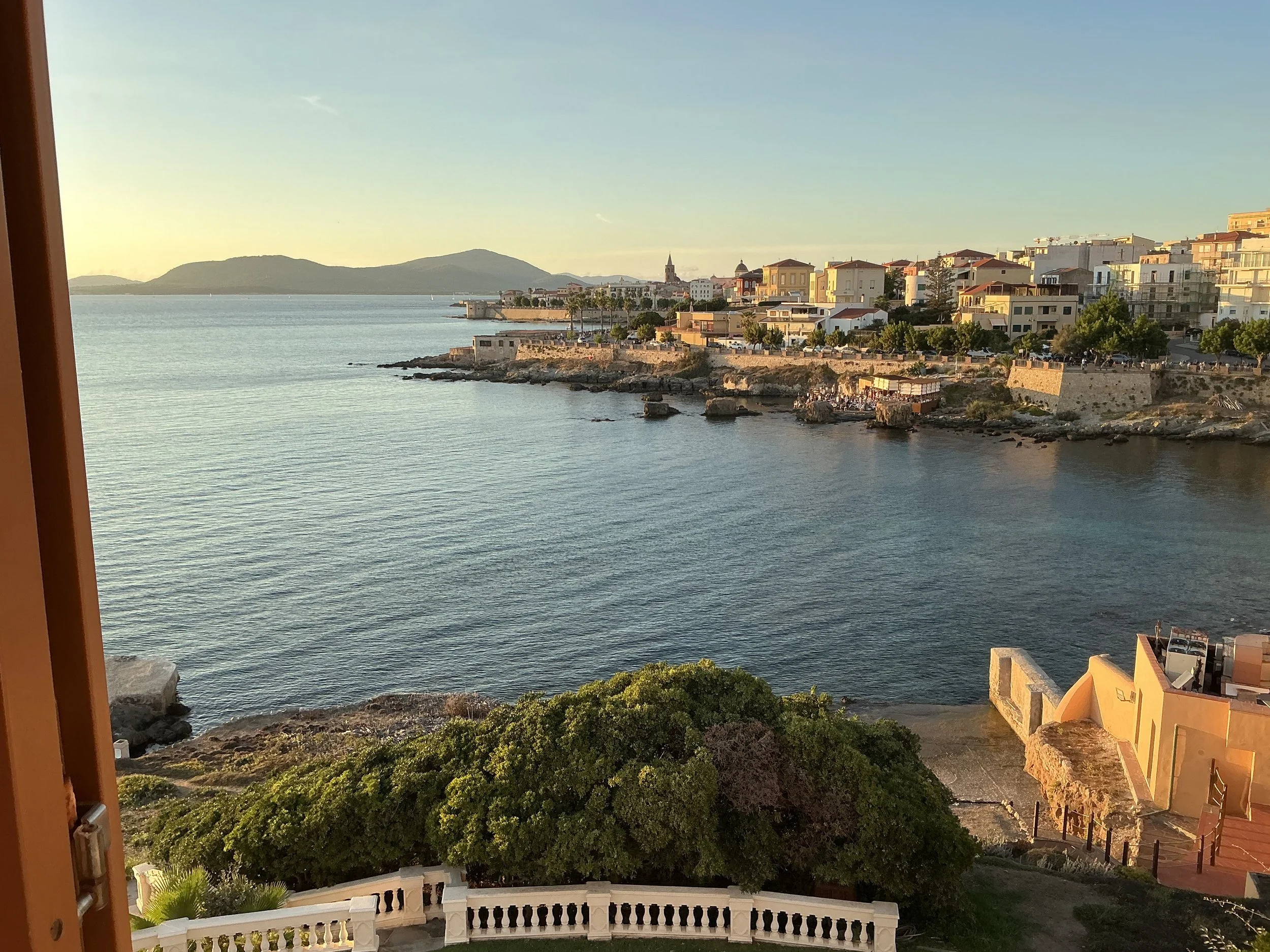
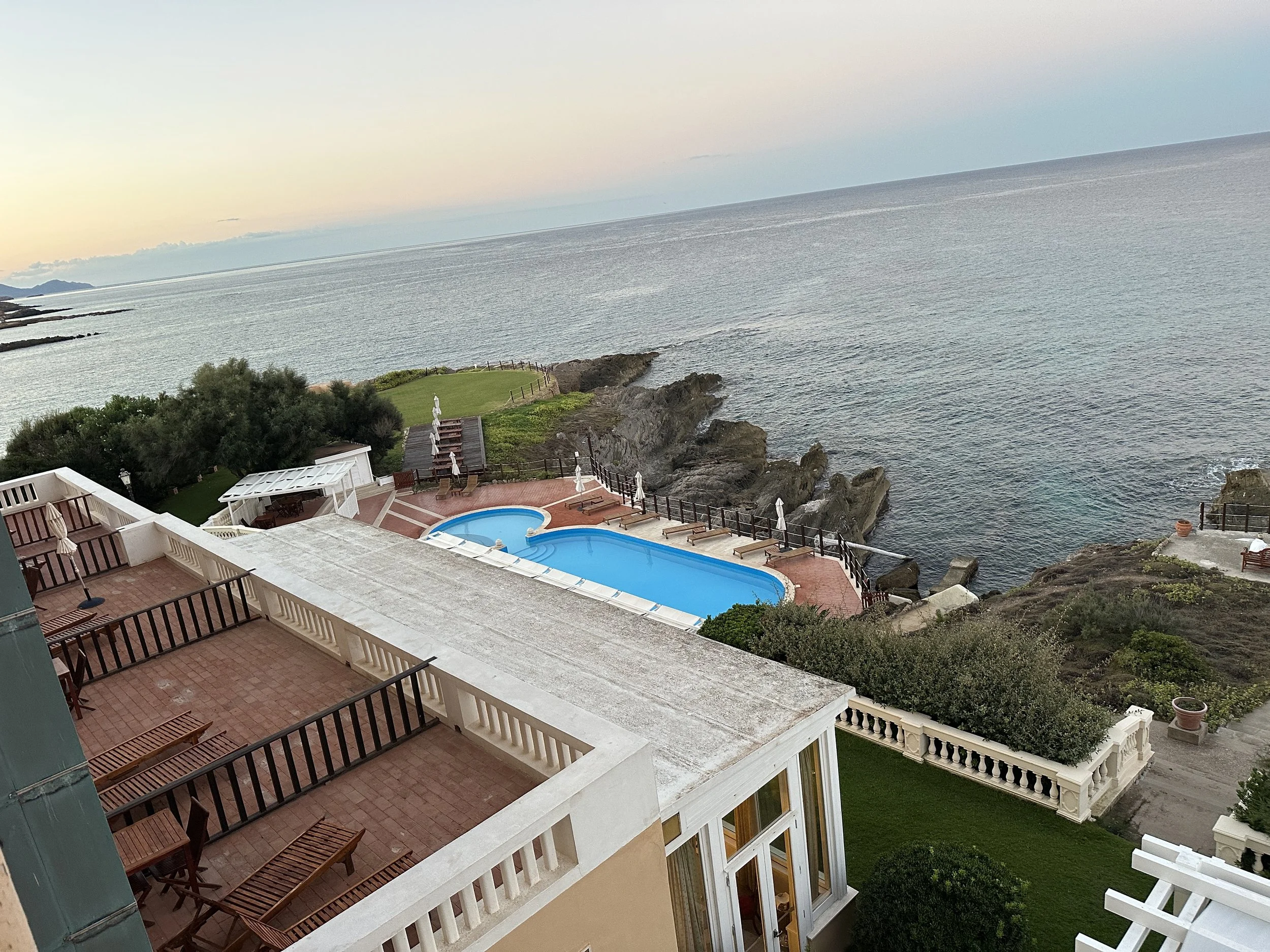
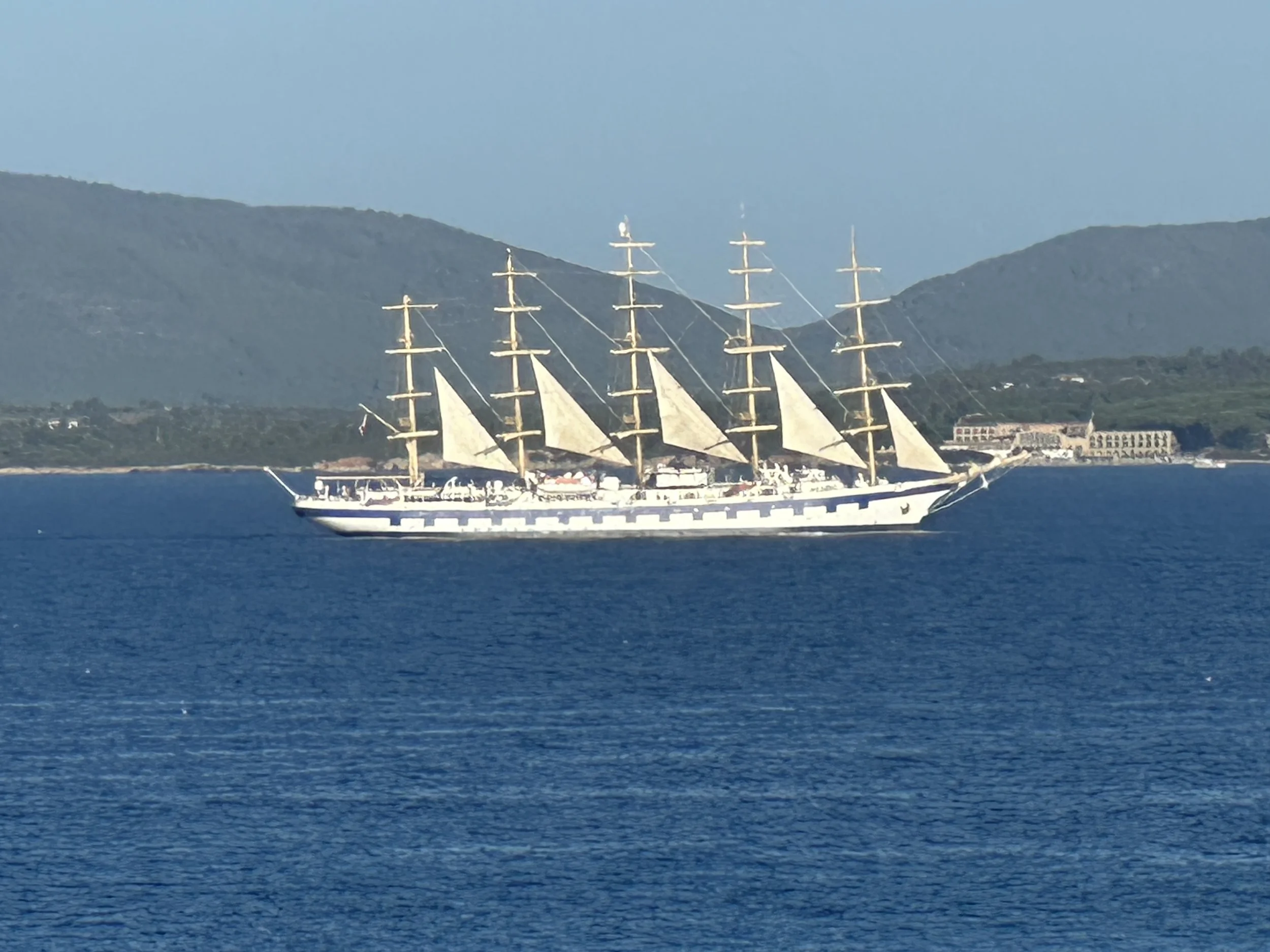
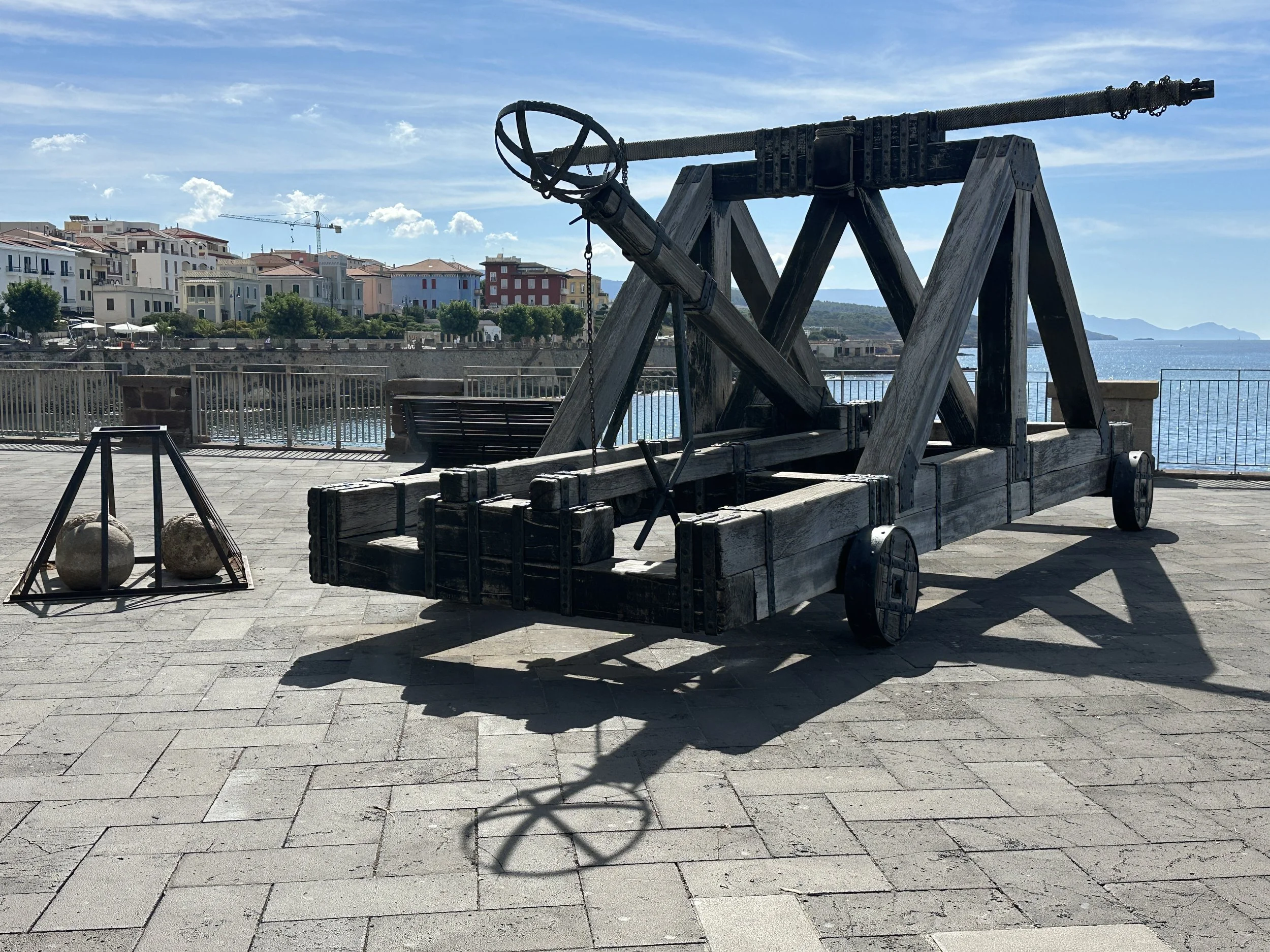
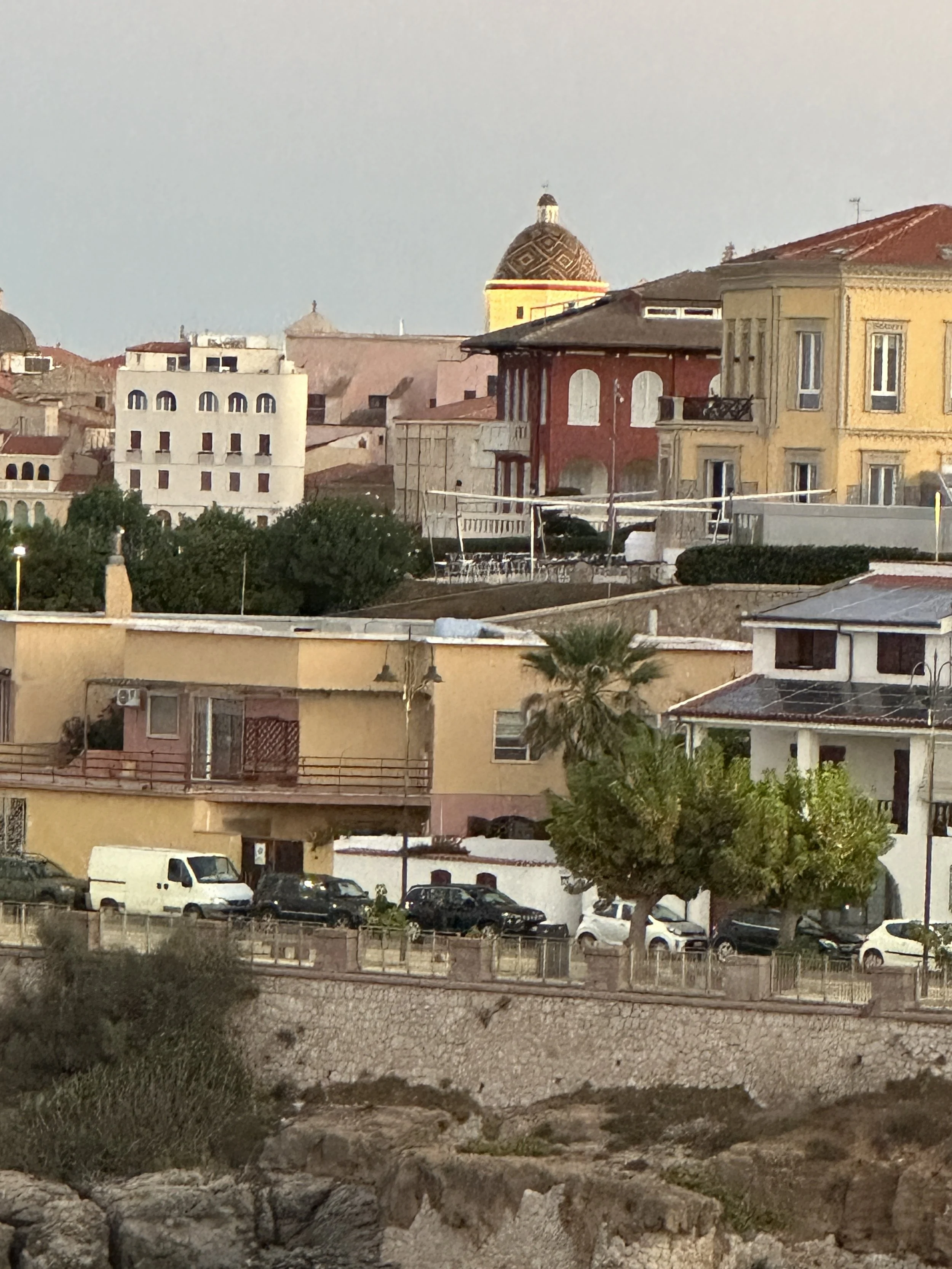
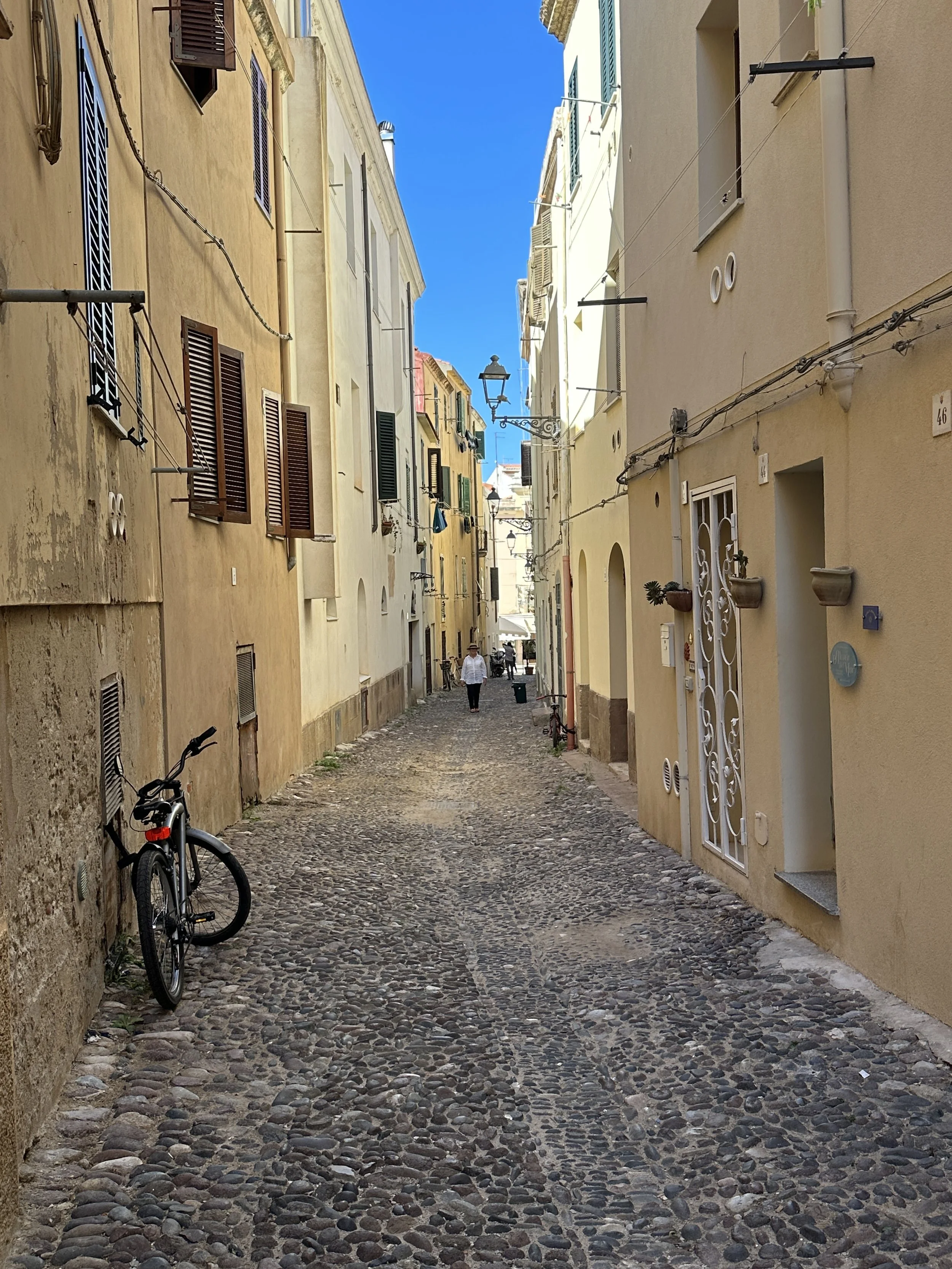
A short return to matters culinary. Sardinia is an island, and therefore surrounded by fish and other frutti di mare. We have eaten a lot of that. One much loved delicacy is called bottarga. It’s dried mullet roe. Typically enjoyed in pasta dishes, perhaps with tomatoes or with other seafoods. For me a subtle flavour. The main source is a lagoon bear Oristano. But there is also a very strong tradition of growing and eating frutti della terra. This stems from the history of invasion, when the inhabitants moved inland to get away and modified their culinary practices. Sheep and shepherds rule in the central plain, giving us pecorino (made from the milk of pecora, ie sheep) and several other varieties of formaggio and various types of prosciutto (made from the meat of sheep, pigs, or beef cattle). Also different and interesting breads, including pane carasau, a flat and thin crispy bread that the shepherds made for their stints away from home. Last night we had another of the local specialties, slow roasted suckling pig. Another winner. And tonight, our last night in Alghero, we walked to an inner suburb restaurant that has a great reputation, L’Antica Fortezza. A really interesting mix of Sardo and Bolognesi dishes. Highly recommended! Likewise the white wines, we’ve been enjoying mostly Nuragus and Vermentino.
Sardegna — Olbia and surrounds
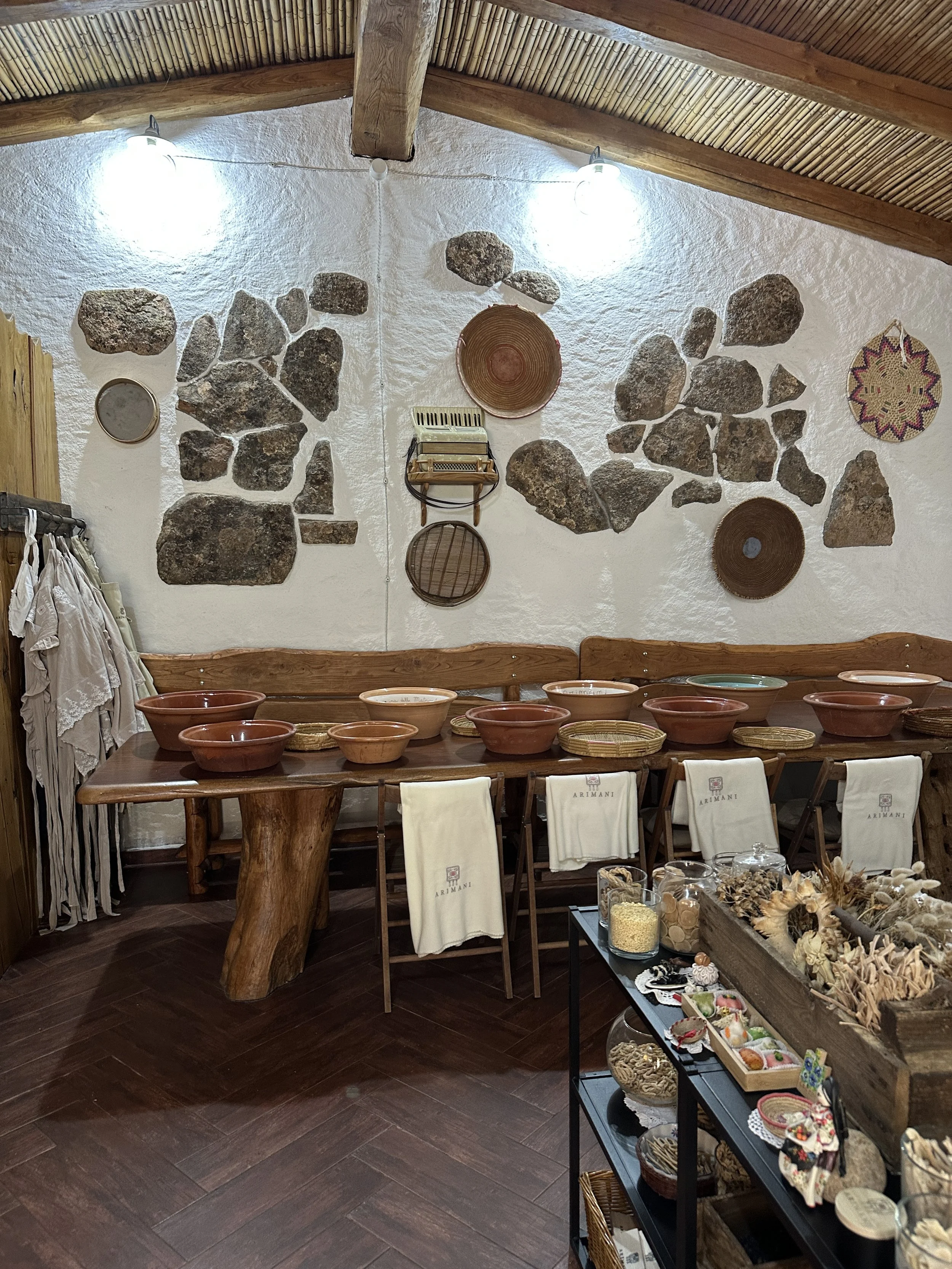
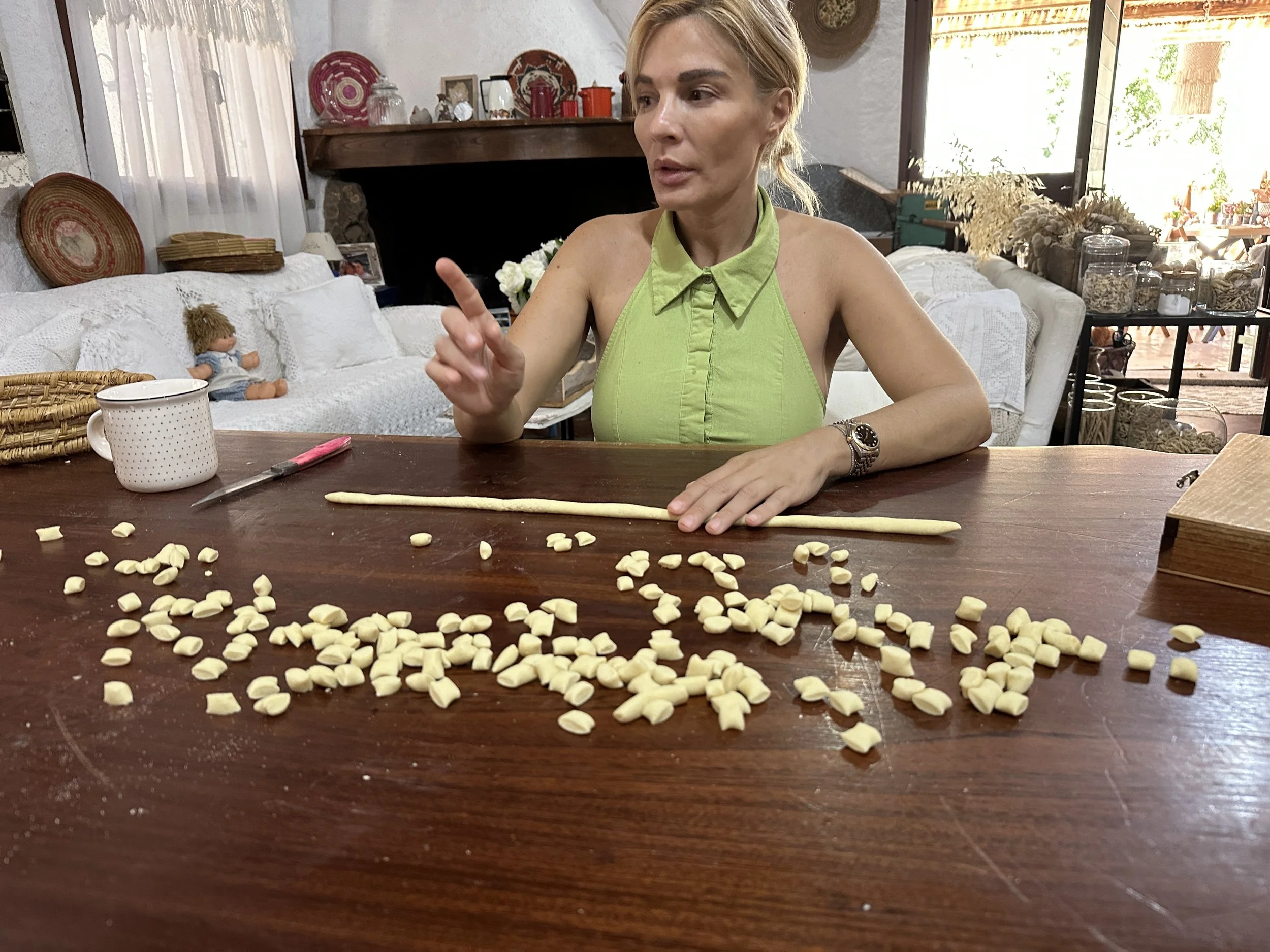
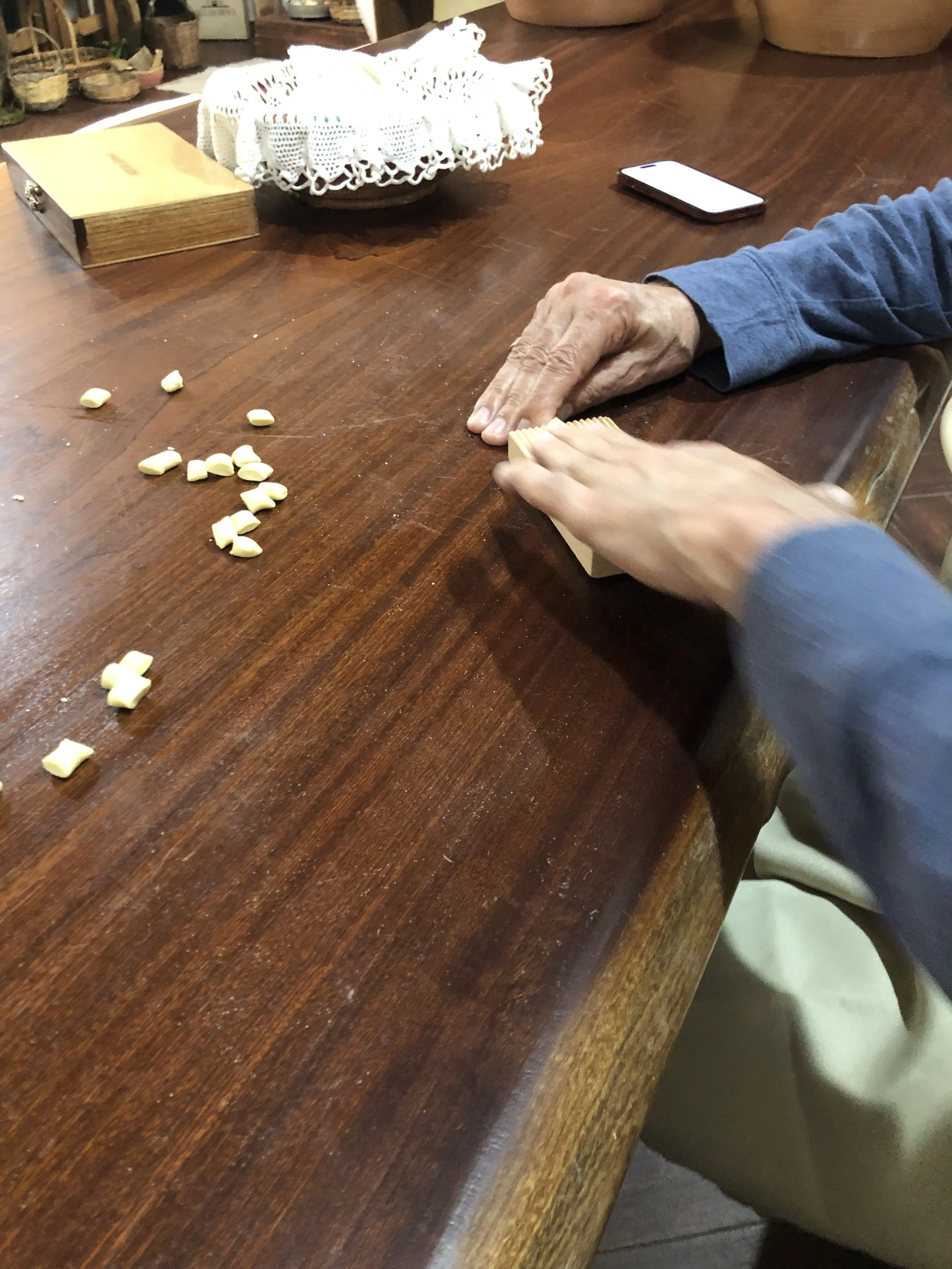
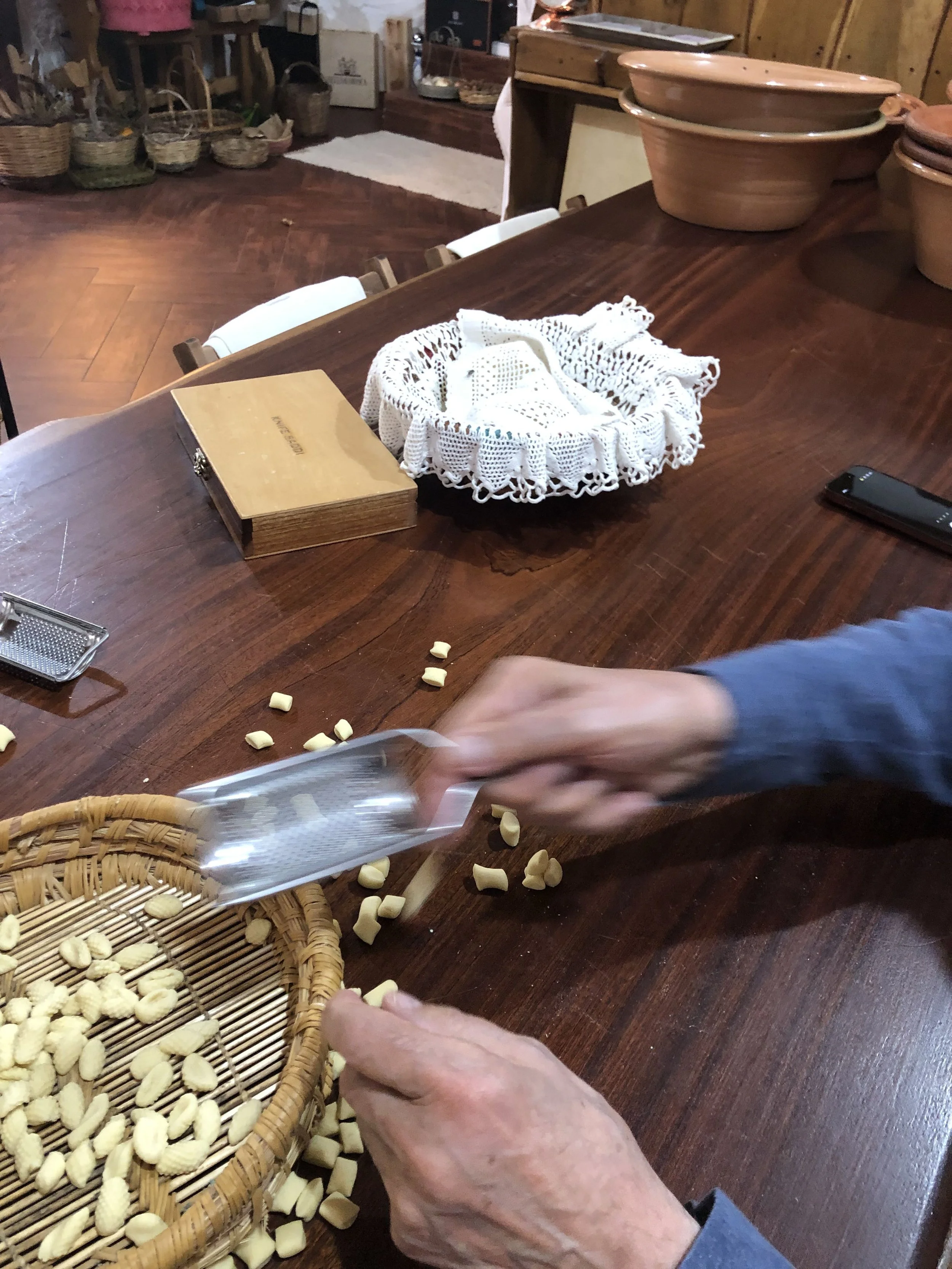
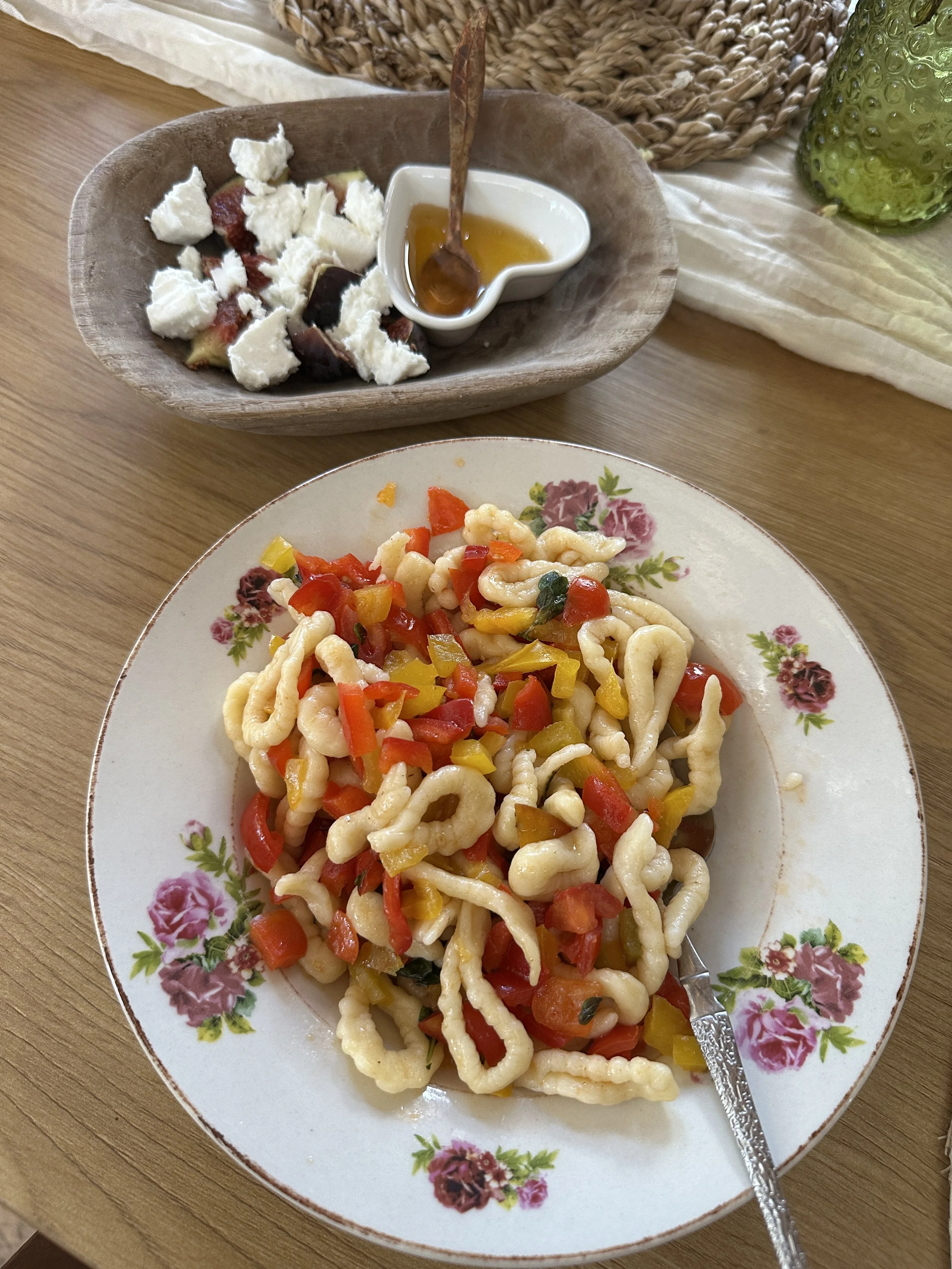
We’ve moved on to the Hotel Gabbiano Azzuro, in Golfo Aranci, near Olbia in the north-east of Sardegna. Dropped our bags off at the hotel, a bag of washing at a local lavanderia, and headed straight to our appointment with chef Simonetta at a little village called Battista, an hour’s drive away. Simonetta’s parents and grandparents used to live here, but they have all moved away, so Simonetta has bought the whole town. She has restored a beautiful stone cottage where her grandparents used to live, and lo and behold we find we are following in Stanley Tucci’s footsteps again. In scenes that did not make the Final Cut for his Sardinia episode, he made pasta here with Simonetta. Last year, Simonetta was brought out to Melbourne for the Lygon St Festa, where she was the star of the Sardinia stall. Originally a lawyer, she now runs ‘blue zone’ experiences for tourists here, teaching people to make pasta as her elders taught her. We made several types of pasta (Gnocchietta, Bruco, Lorighittas and one other) then they were all cooked for our lunch. We drank her home-made Cannonau (red wine). The whole thing was magic. She also gave us three lessons from the blue zone for a long and healthy life: do the work yourself (especially the food preparation); enjoy a little bit of shared wine culture; and immerse yourself in community enjoying time together especially around meals. Seems fair enough.
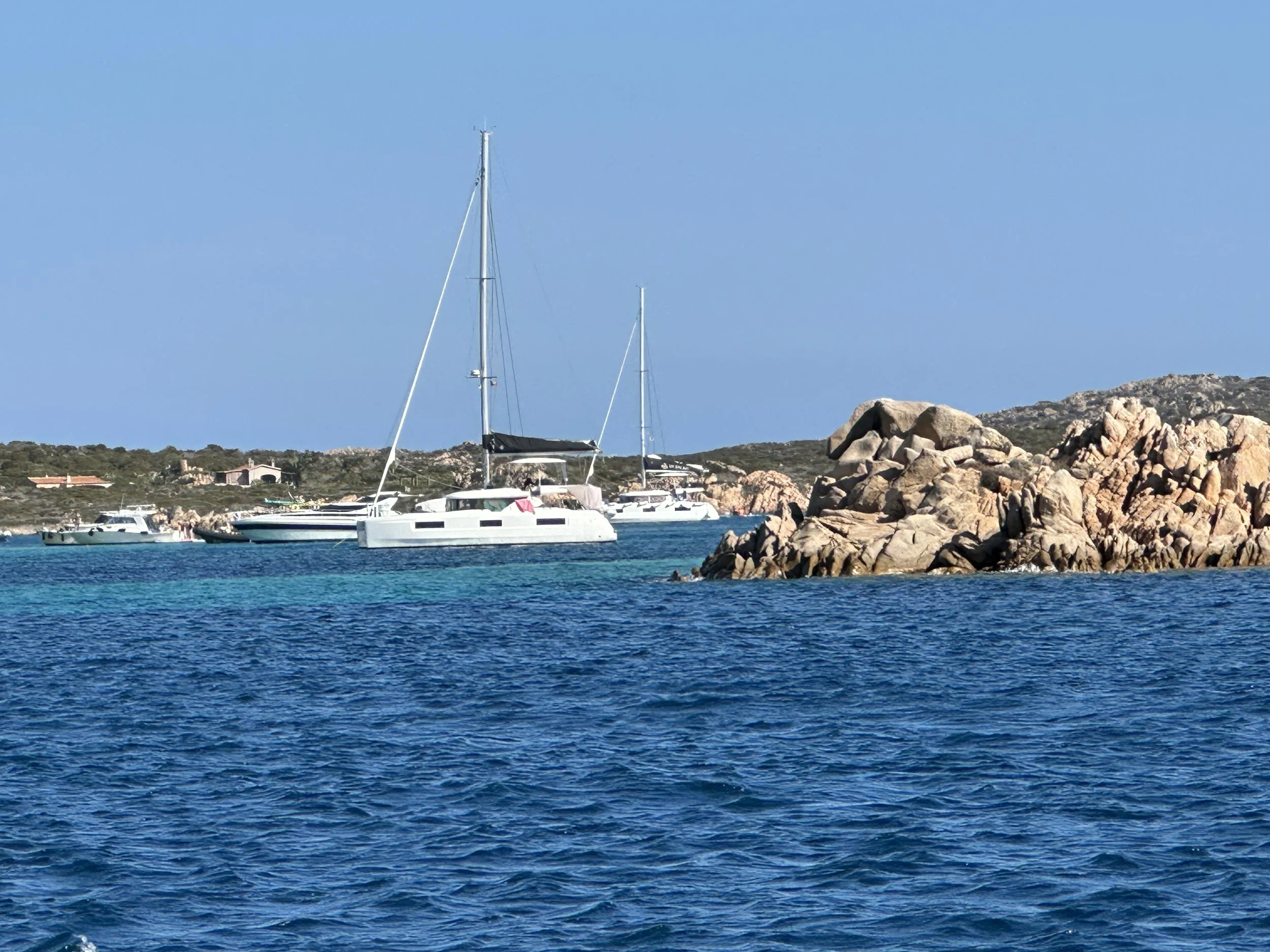
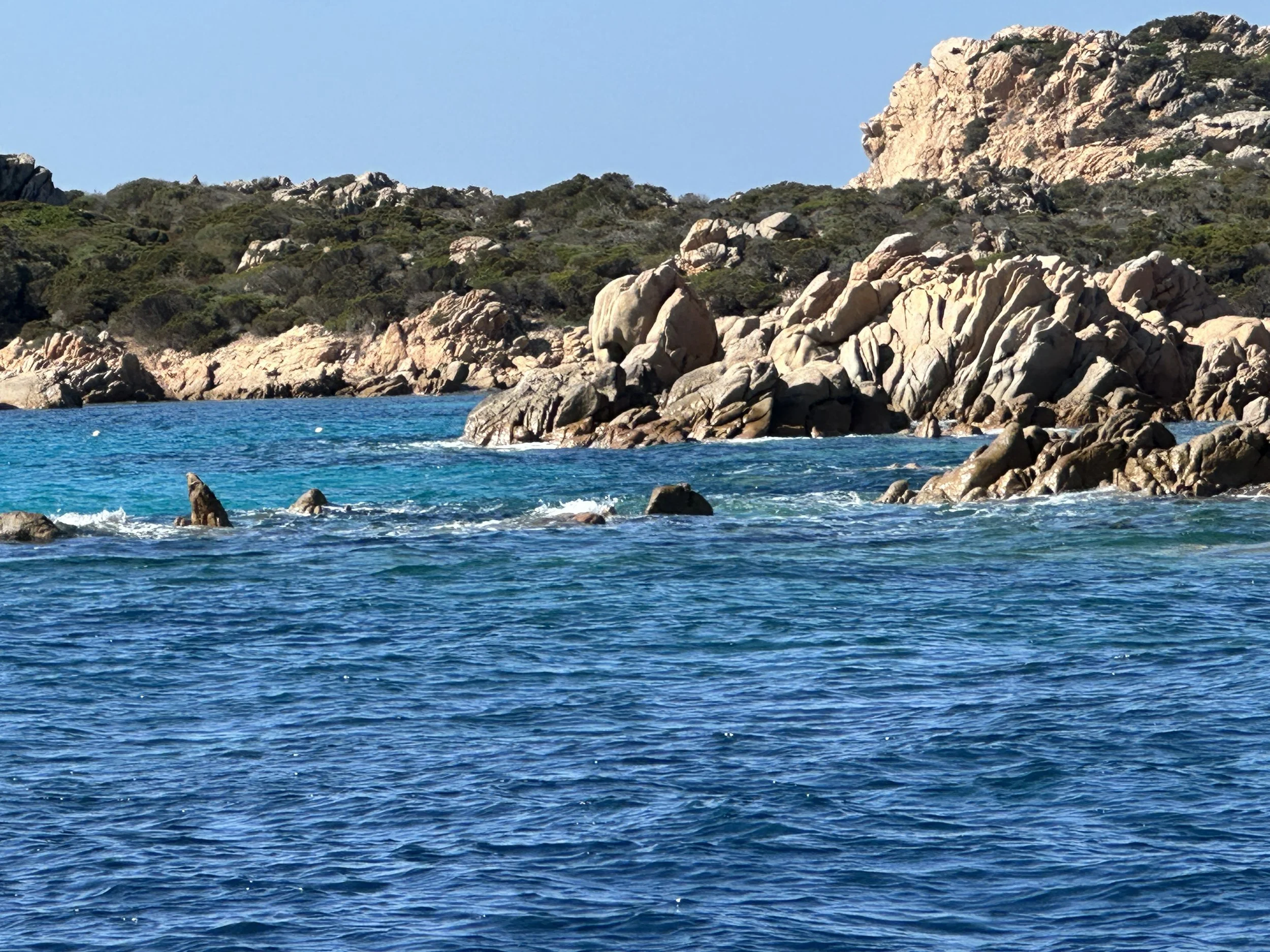
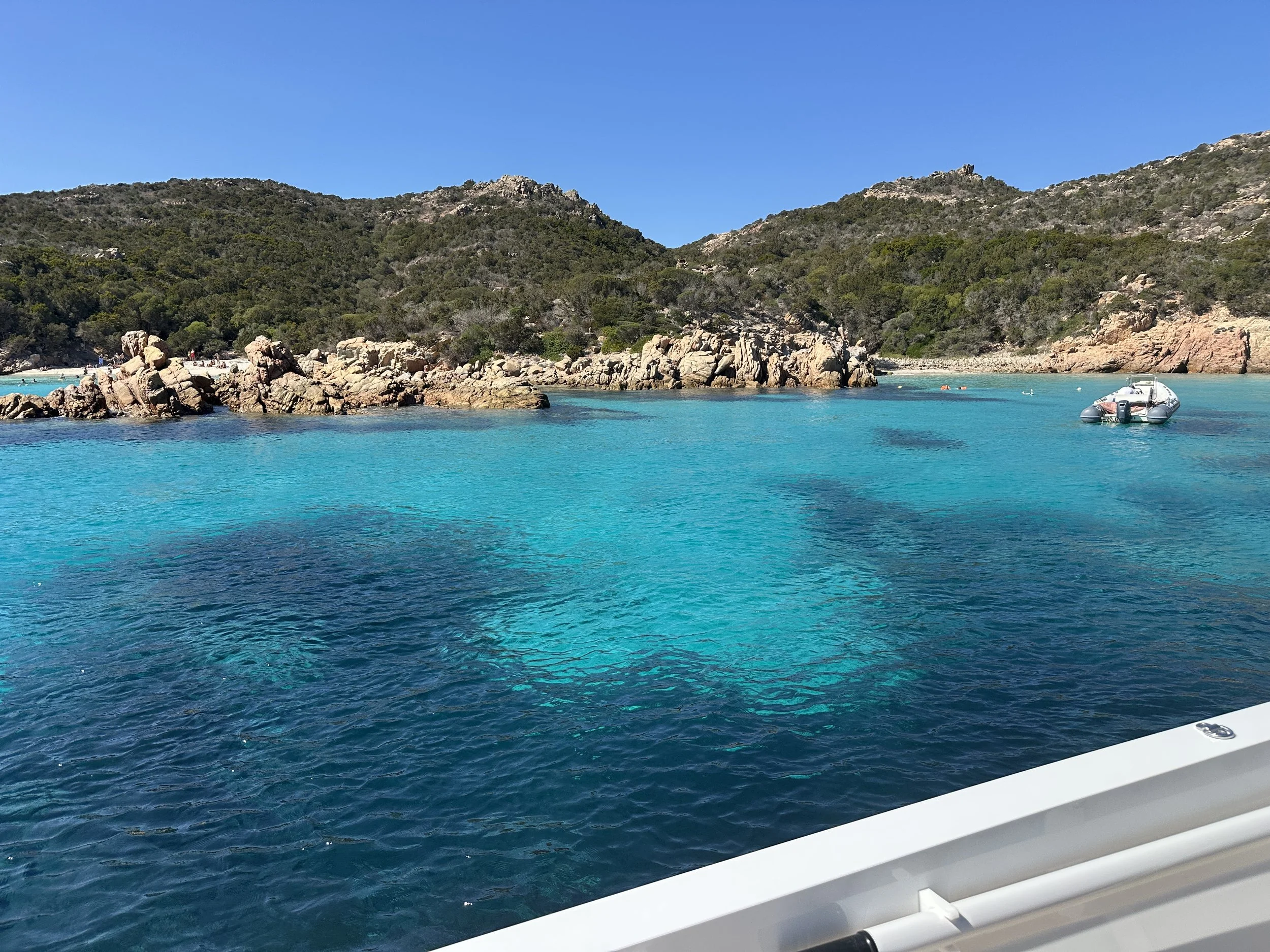
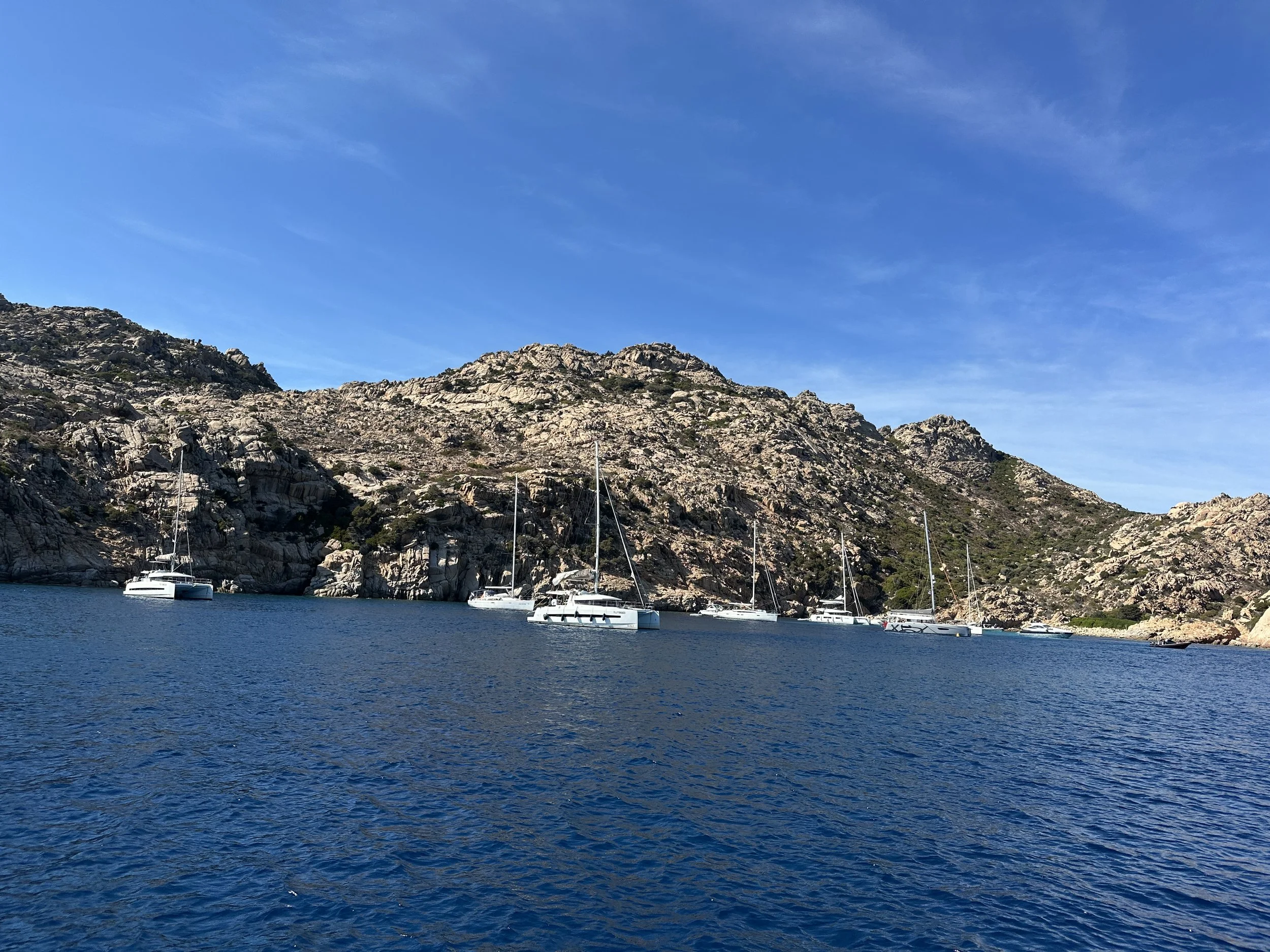
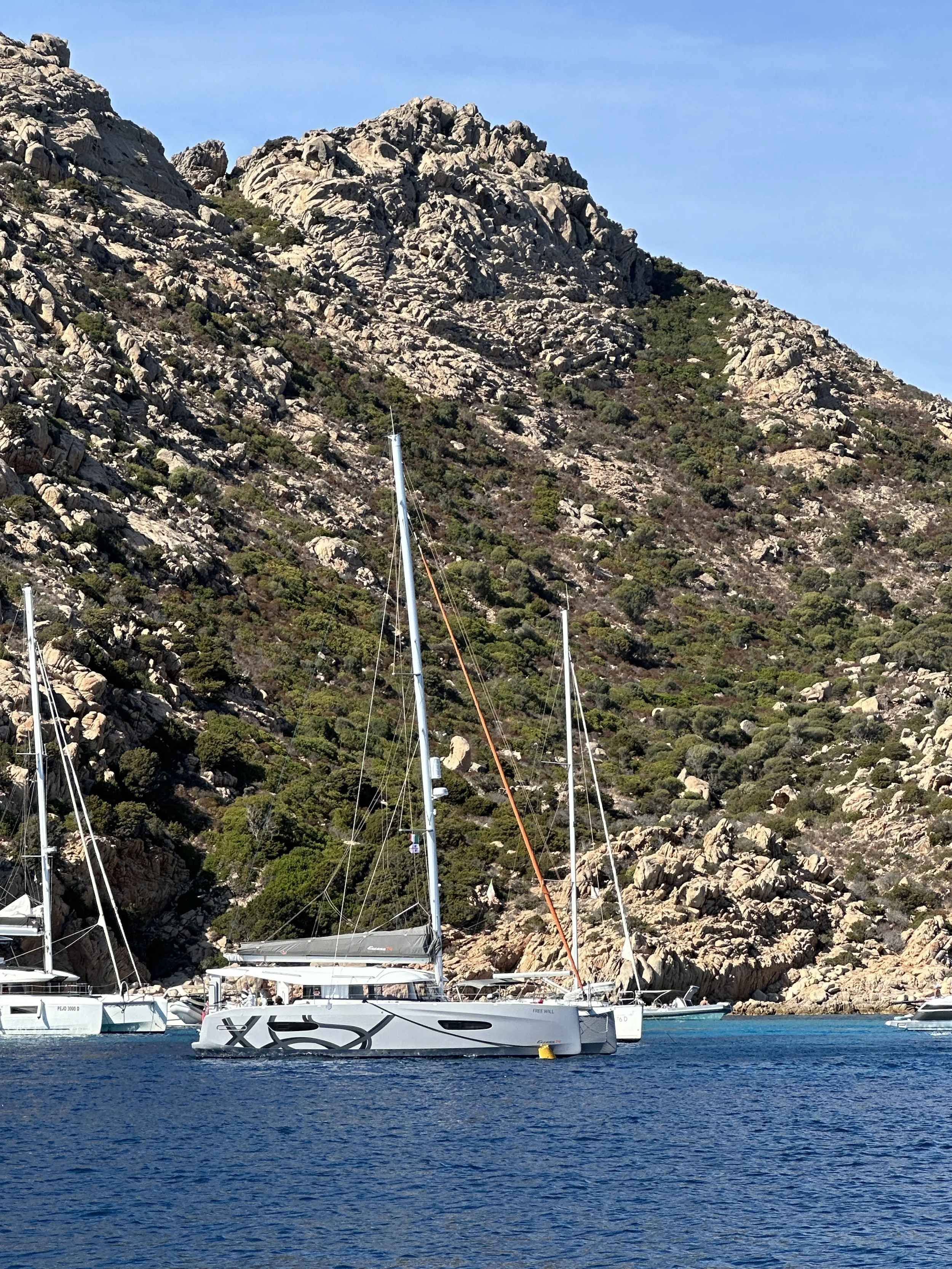
Next up is some more water play. We have our guide and first mate, Silvia, and skipper Dario. Both very lovely people with such interesting back stories. We are spending 8 hours exploring La Maddalena Archipelago. Can I see another country from La Maddalena Archipelago? ‘Course I can.
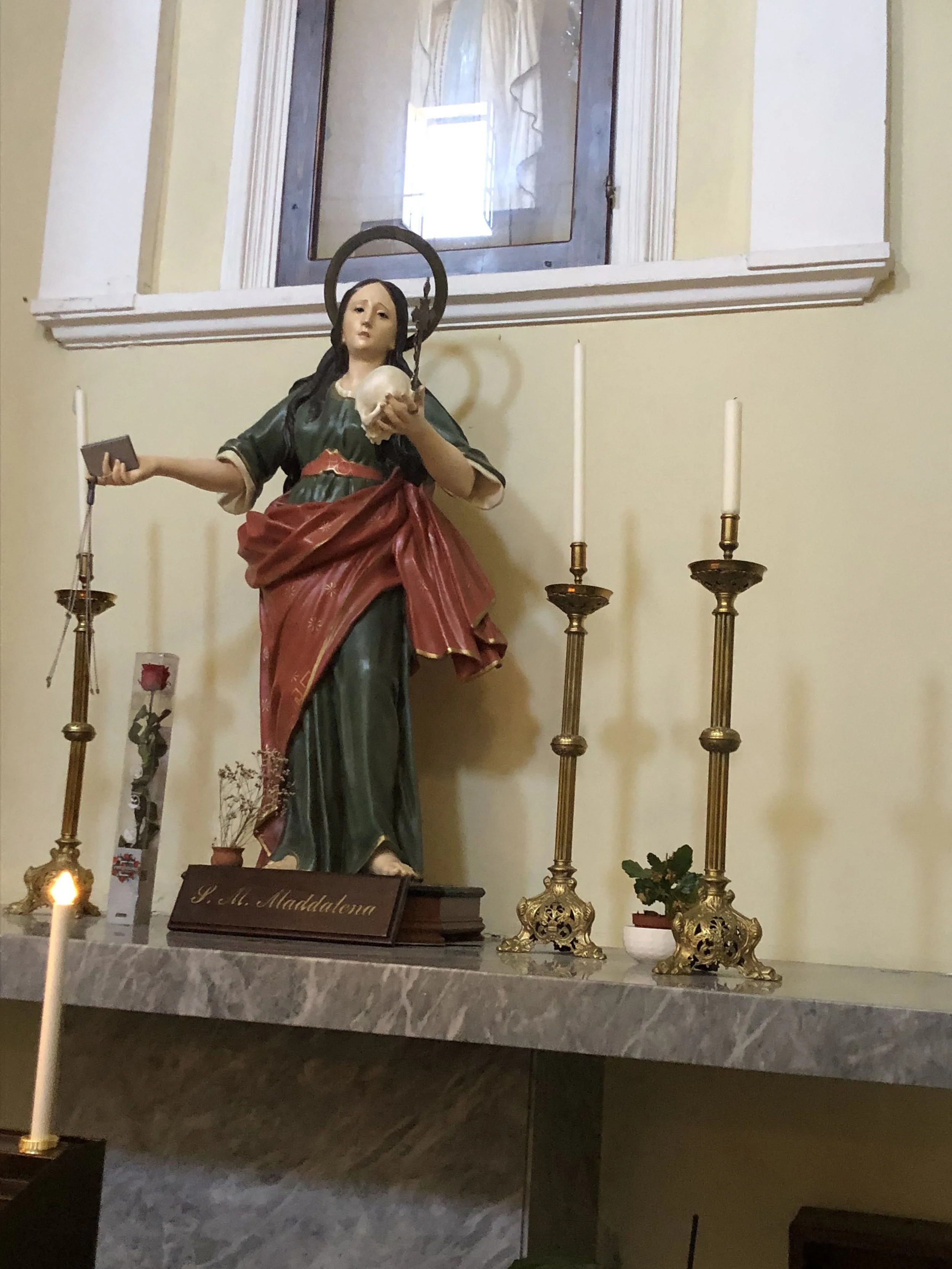
The boat is very well equipped for island hopping and in-water work. Snorkel, goggles, and a wonderful gadget they called a water scooter that was a hand-held propulsion device. One stop was on the island of La Maddelena. The said Maddalena was depicted in the church, holding a skull. Apparently meant to remind us of the fragility of life. Maybe she has particularly good reason — said to have escaped to Paris, possibly pregnant (and with the extreme scenario that there could have been lots of little Jesuses running around in Paris) and definitely ran foul of church authorities.
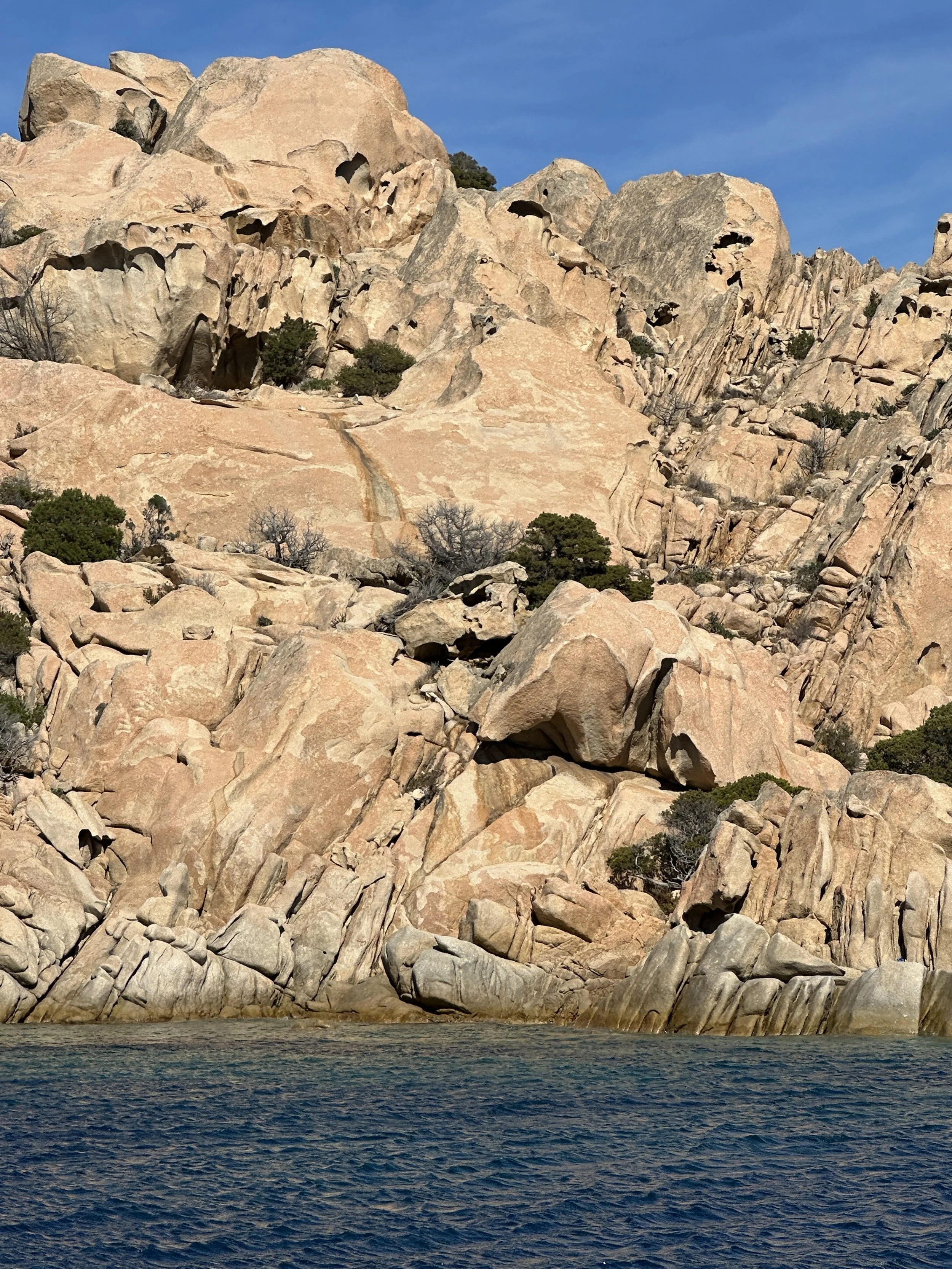
The geology is a feature. Silvia pointed out the pinkish granite all over the Sardinian islands in the archipelago, and the white limestone cliffs in the distant Corsica. The geologists have it that with tectonic plate movements, Sardinia broke off from Spain somewhere near Gibraltar, whereas Corsica used to be joined to the French mainland. We’re learning so much about these places from the archaeologists and now the geologists. One of the many swimming stops was off the island of Caprera. Giuseppe Garibaldi is buried there. He had played a critical role in the fight for Italian independence and unification, and had wanted to be cremated. Not on your papal nellie. Apparently his first wife Anita was also widely loved. A street in Alghero is named after her.
Our last night in Sardinia, we found a great restaurant, Lo Scorfano Allegro (which TripAdvisor assured us was #2 of 70 in the area. It was brilliant, but I can’t help wondering what was #1. Wonderful food, and the cutest feature was the little stool placed beside each woman guest on which to place her handbag.
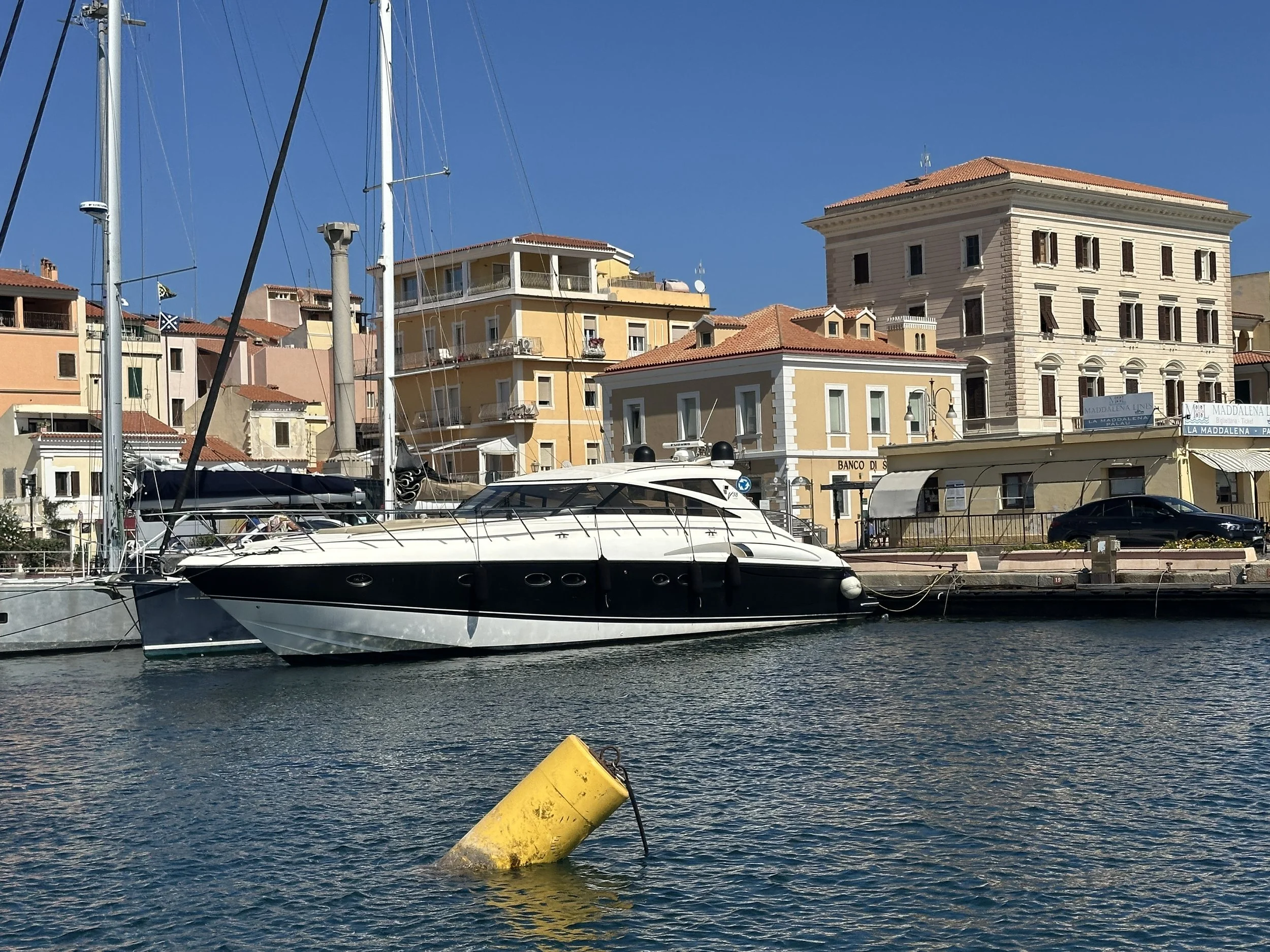
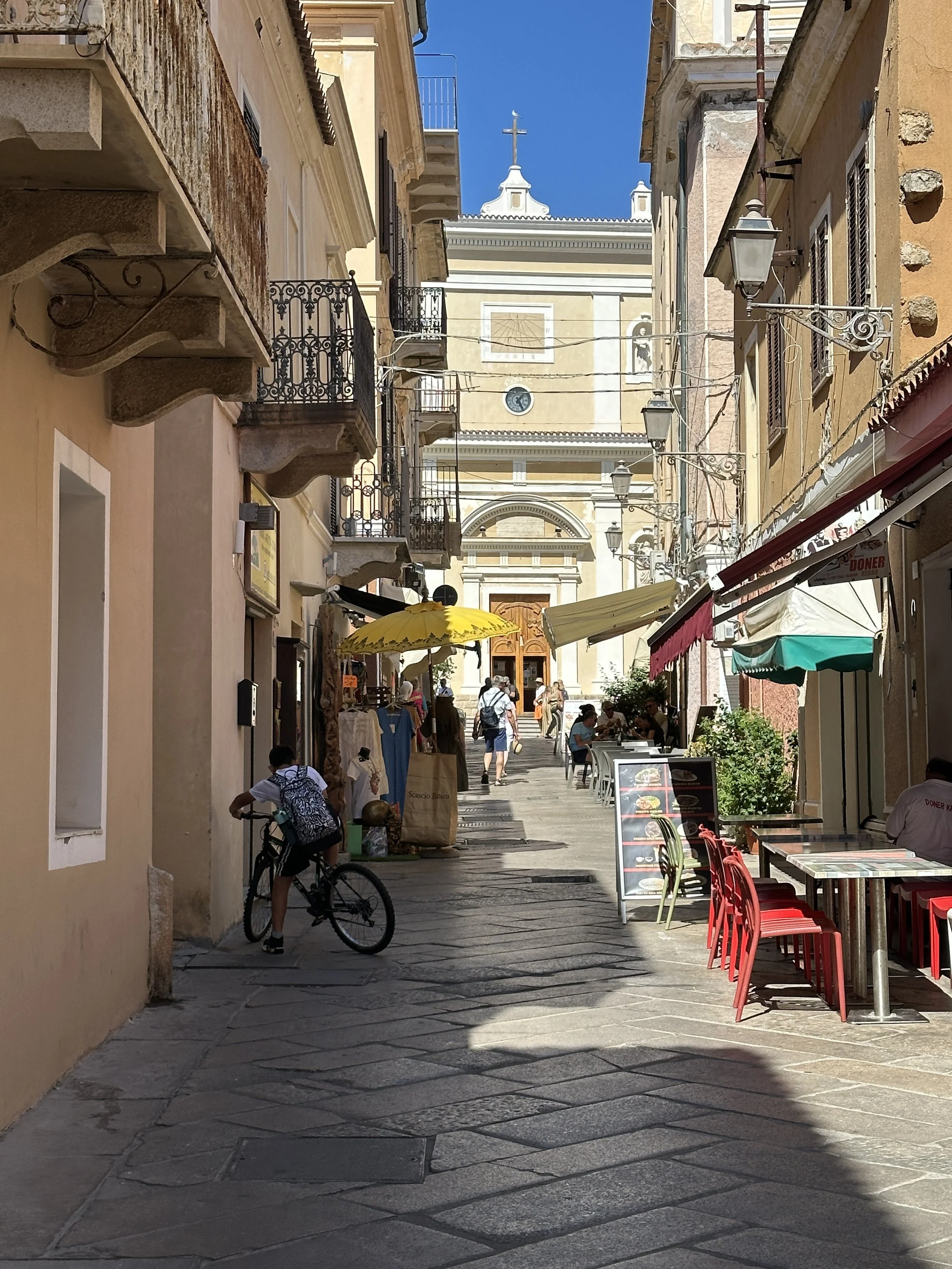
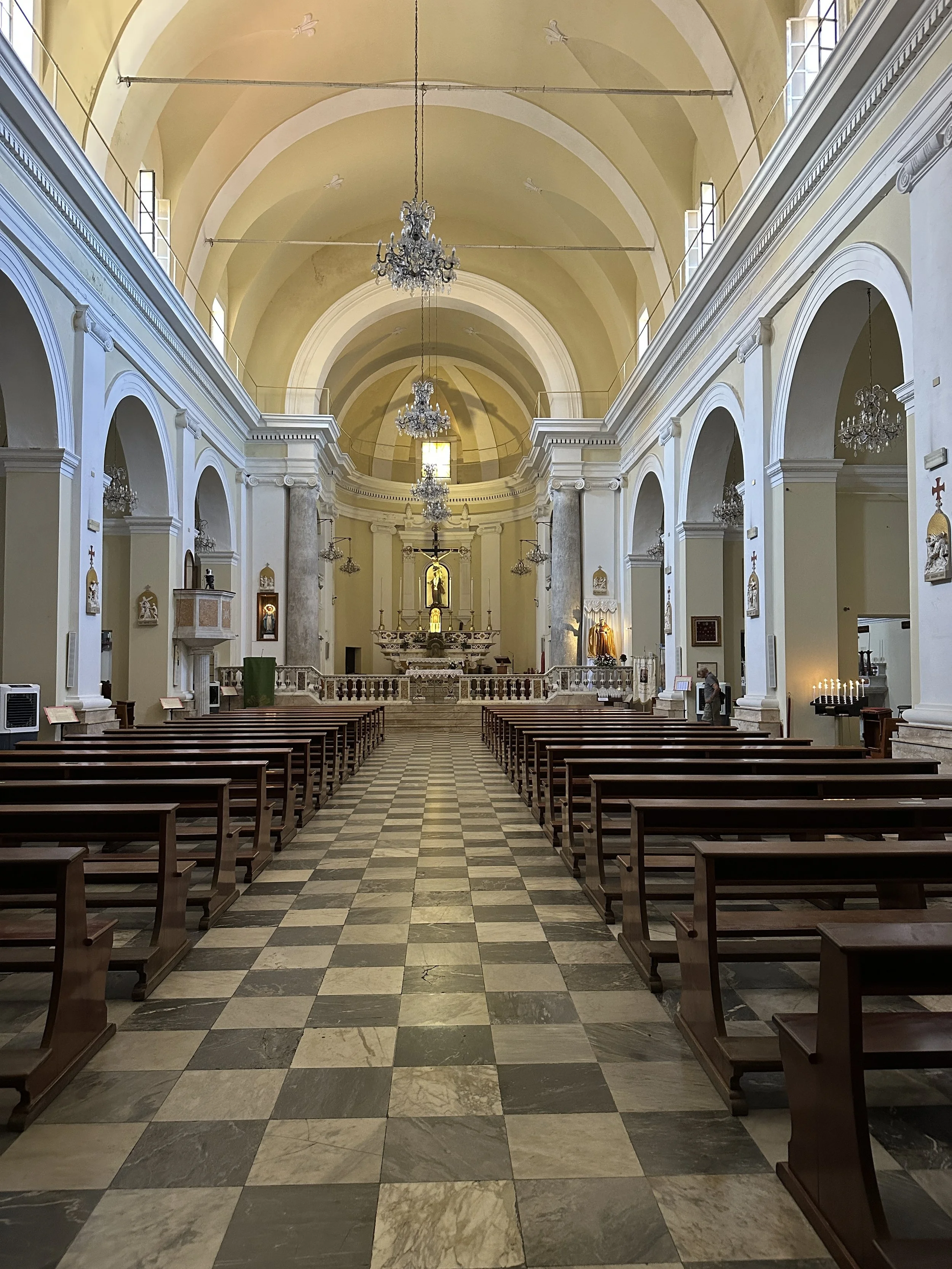
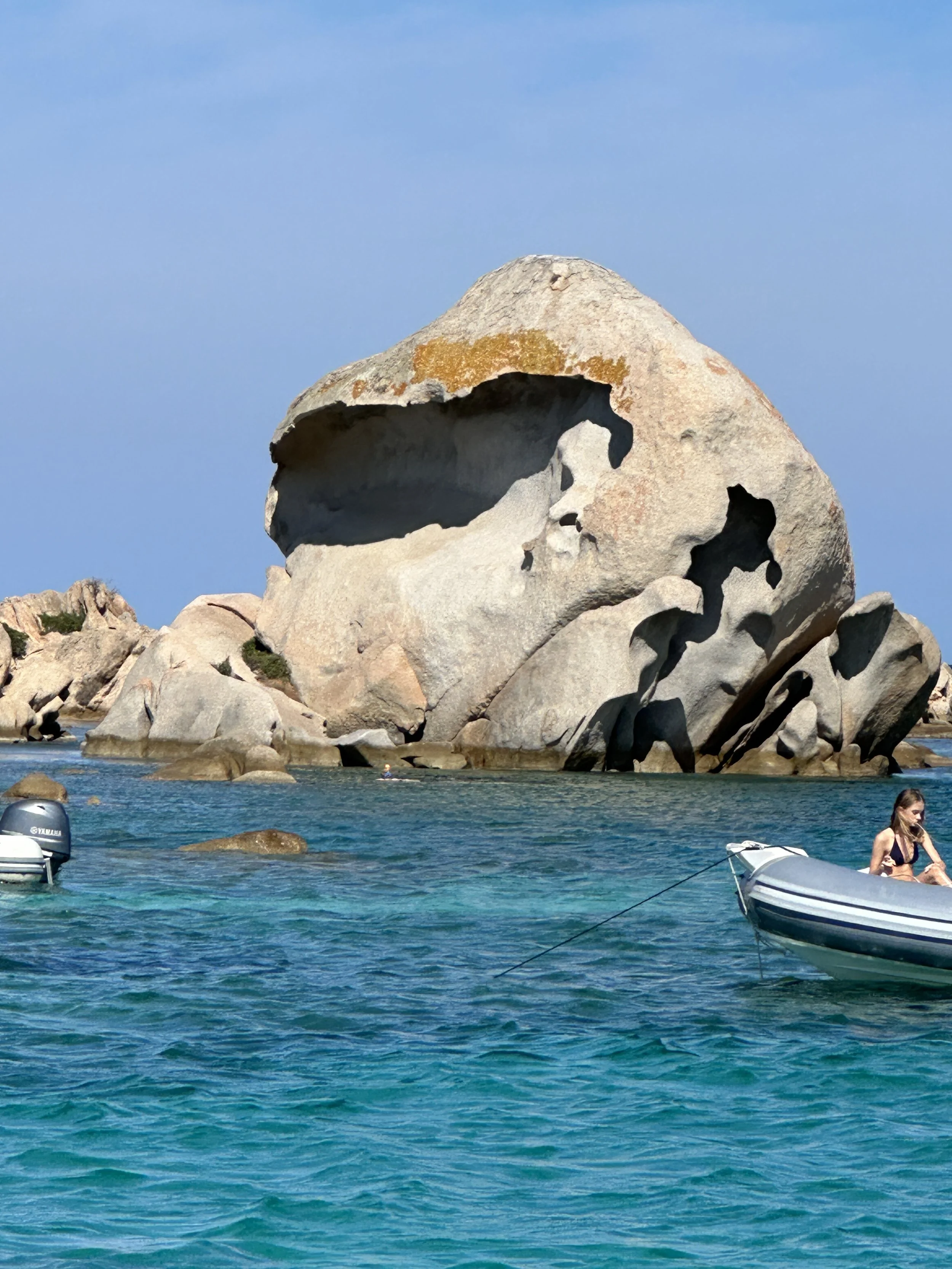
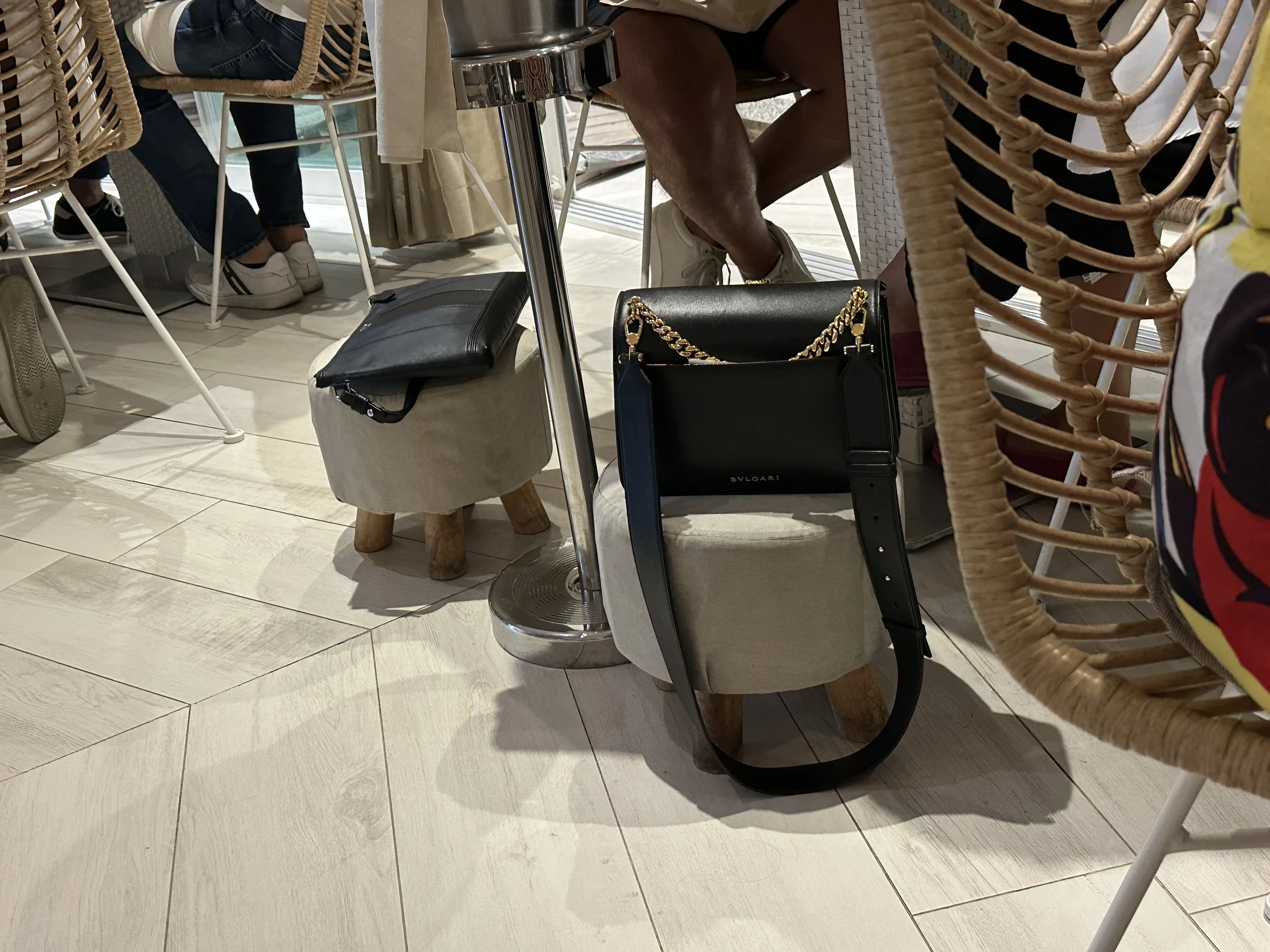
A very early start for the flight from Olbia to Firenze, for the connection by road to Lucca. It was dark as we were driven from hotel to airport, and SWCBN spotted a pair of cinghiale (wild boar) dashing across the road in front of the car. Apparently they are everywhere. Faster than a wombat, but slower than a kangaroo.
Lucca
A frequent problem following early starts on relocation days: we arrived a few hours before check-in was permitted. We found coffee and the original bruschetta for breakfast (delicious), and started exploring.
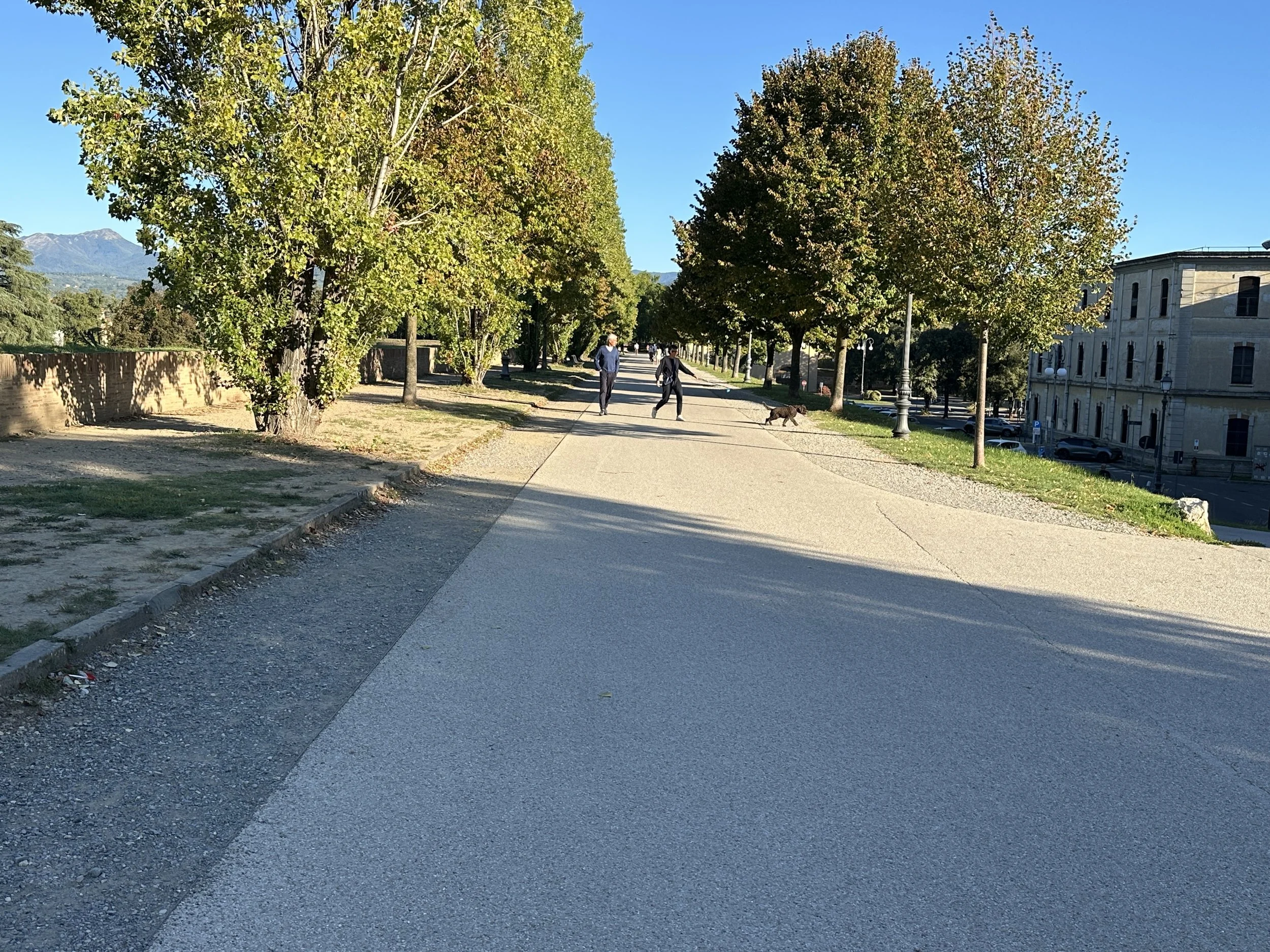
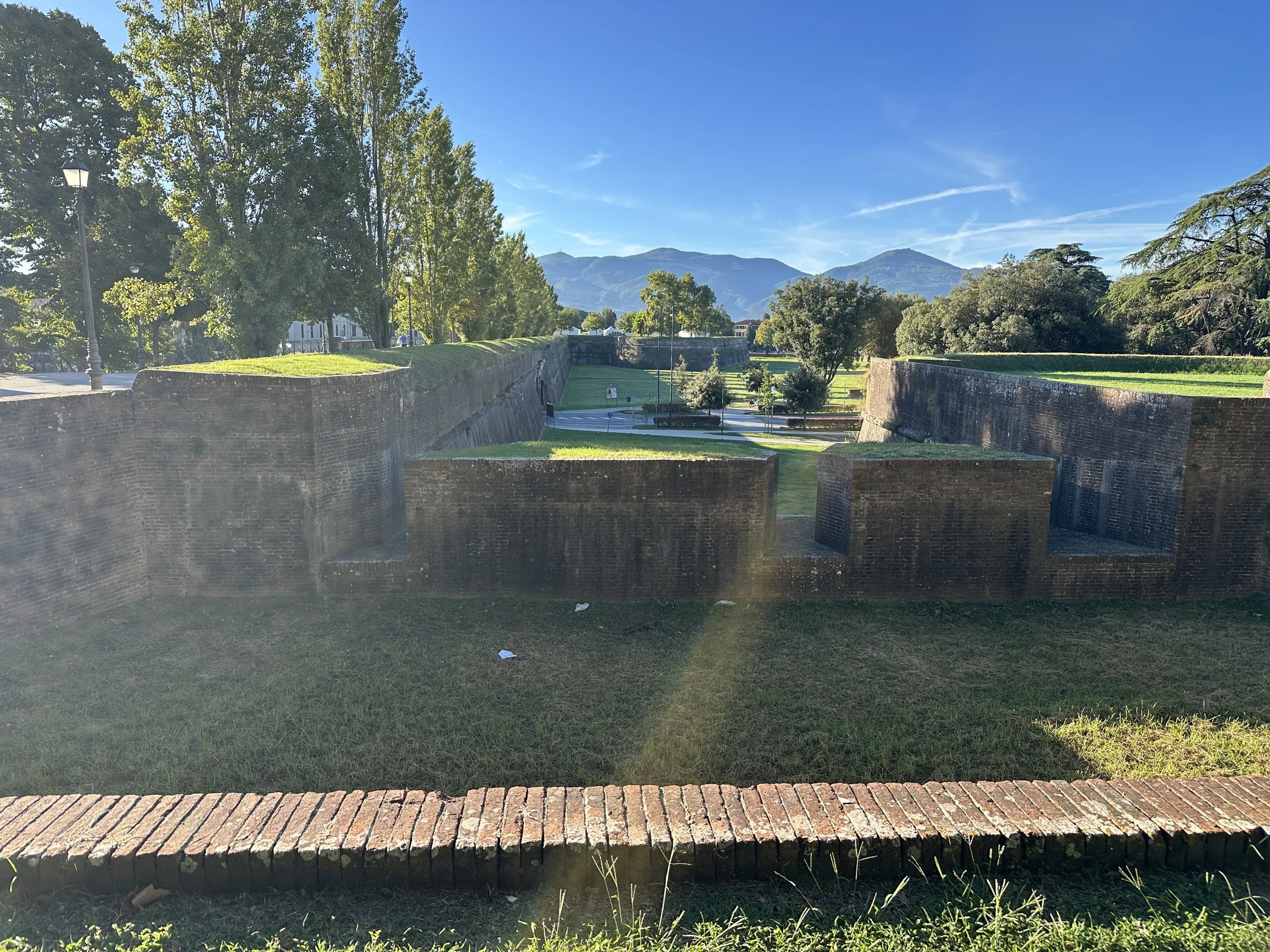
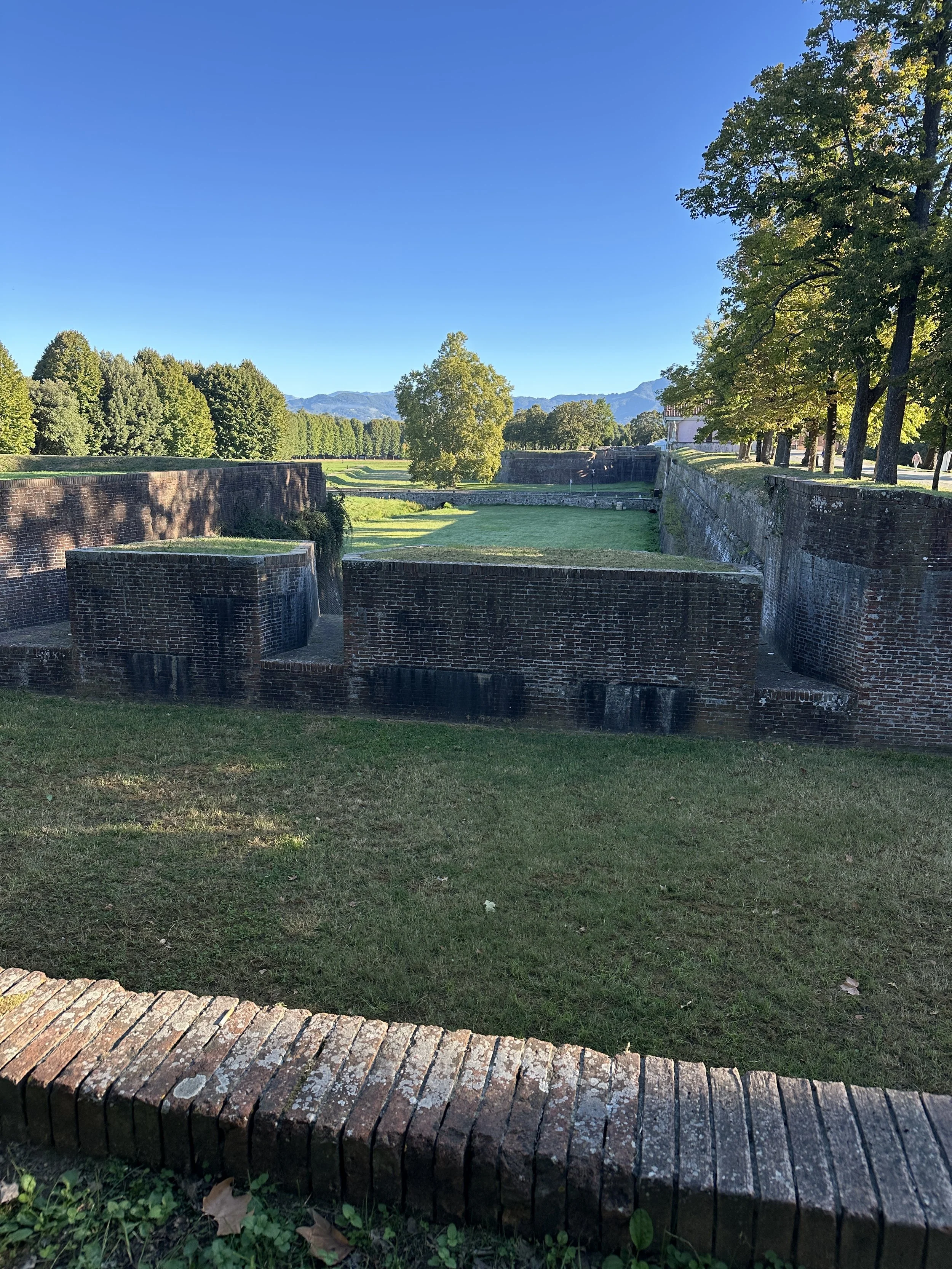
Lucca is a medieval city, founded by the Romans in 180 BC following initially being home to Ligurian and Etruscan peoples, with an old Centro Storico, inside a fabulous wall still totally intact. The wall is several meters wide, with trees, grass, battlements, the occasional special events, a few restaurants, and it’s possible to walk right around the historical centre along the 4 km path on top of the wall. Cars require a special license to drive inside the wall — residents, taxis and small buses. There are thousands of people walking through the narrow streets. It’s hard to tell how many are locals, but you can certainly tell many are tourists.
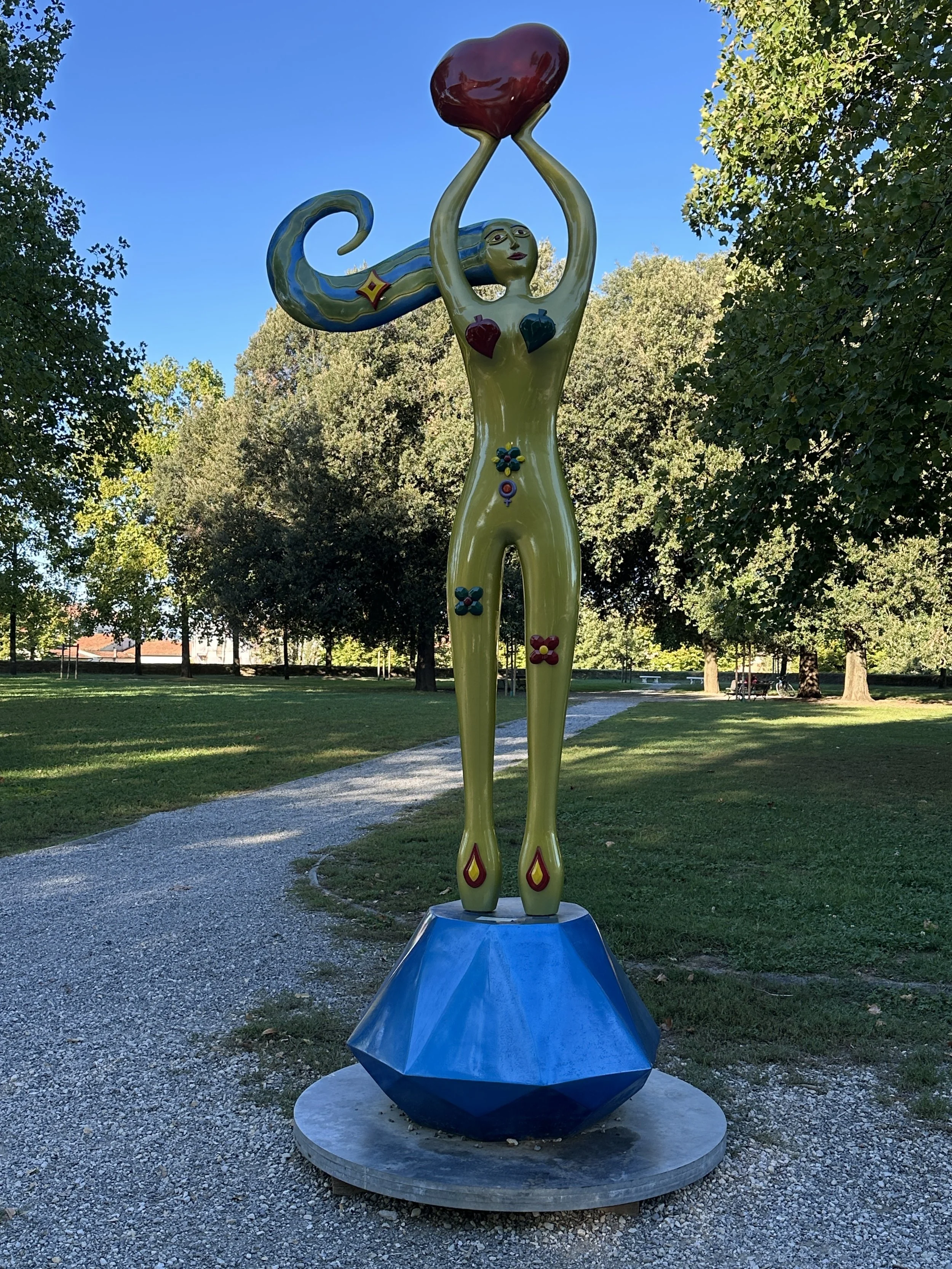
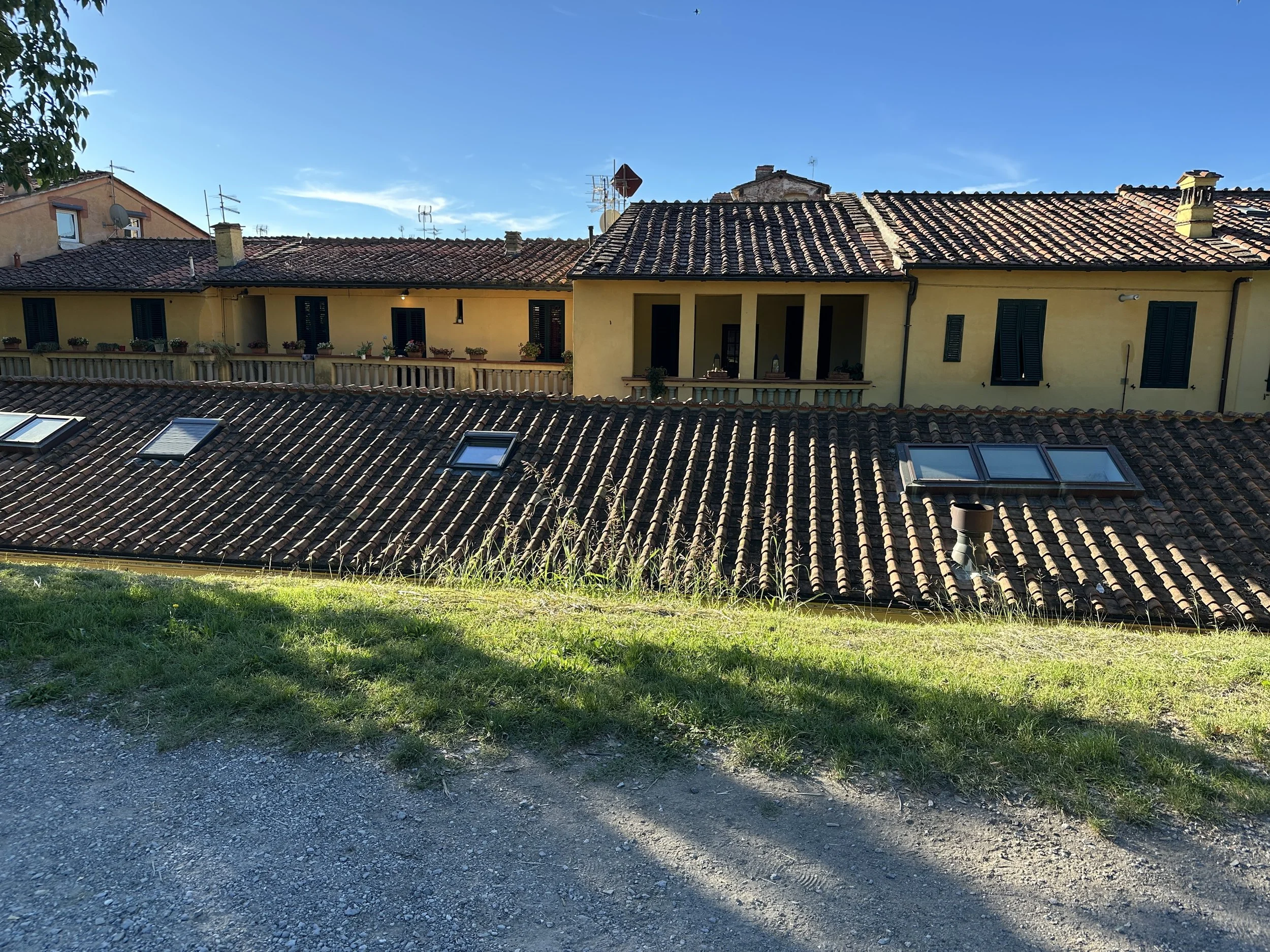
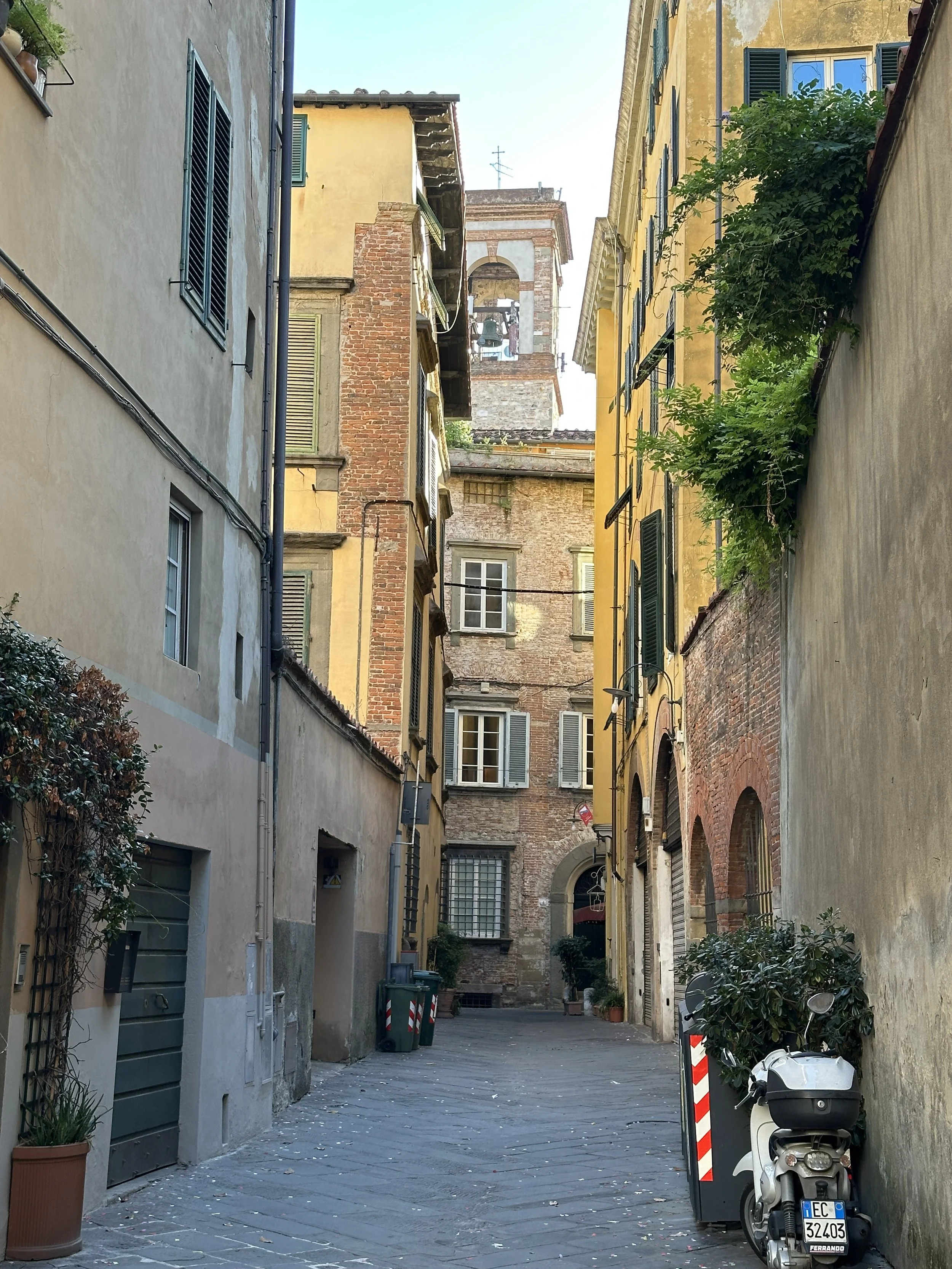
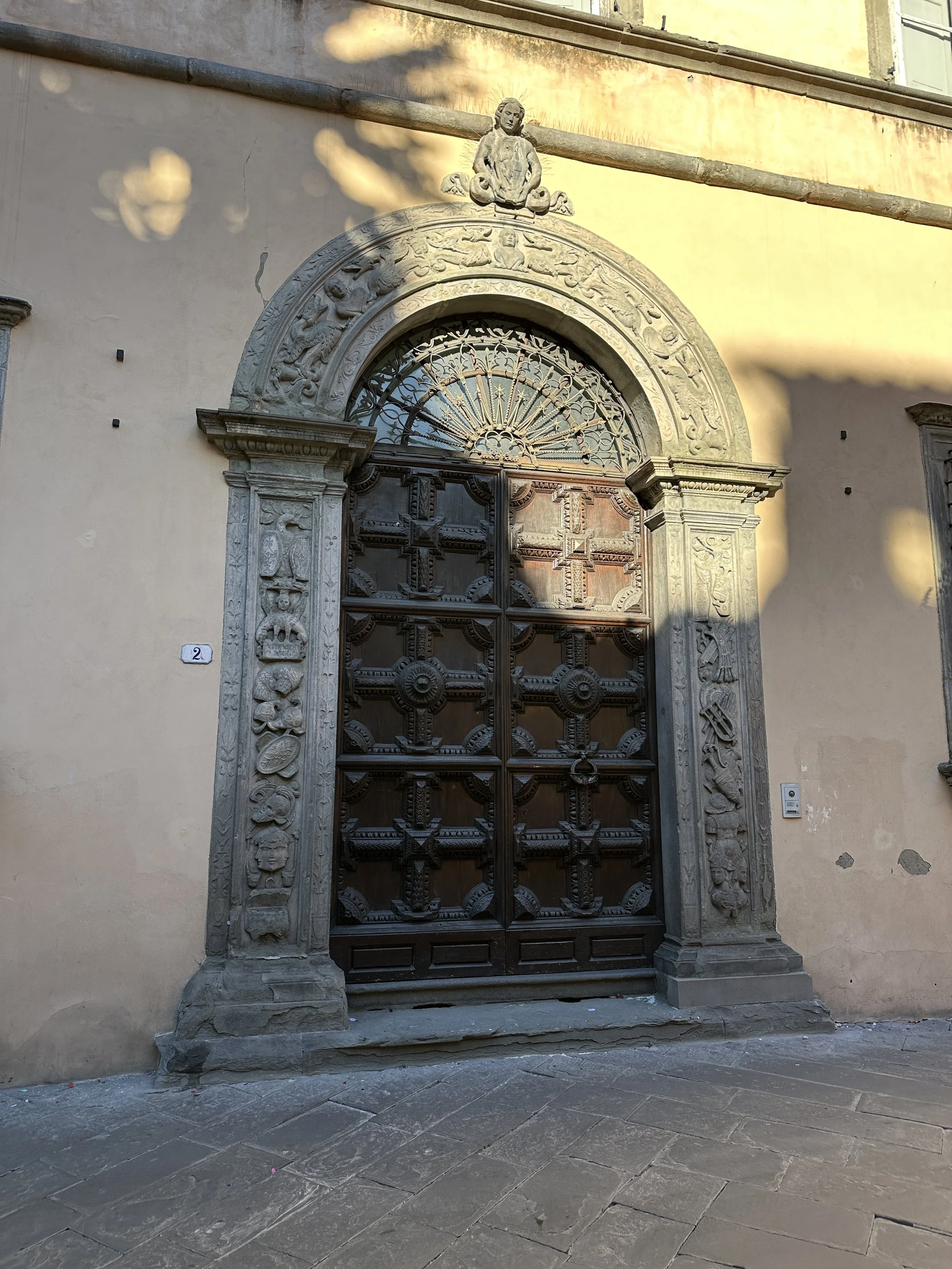
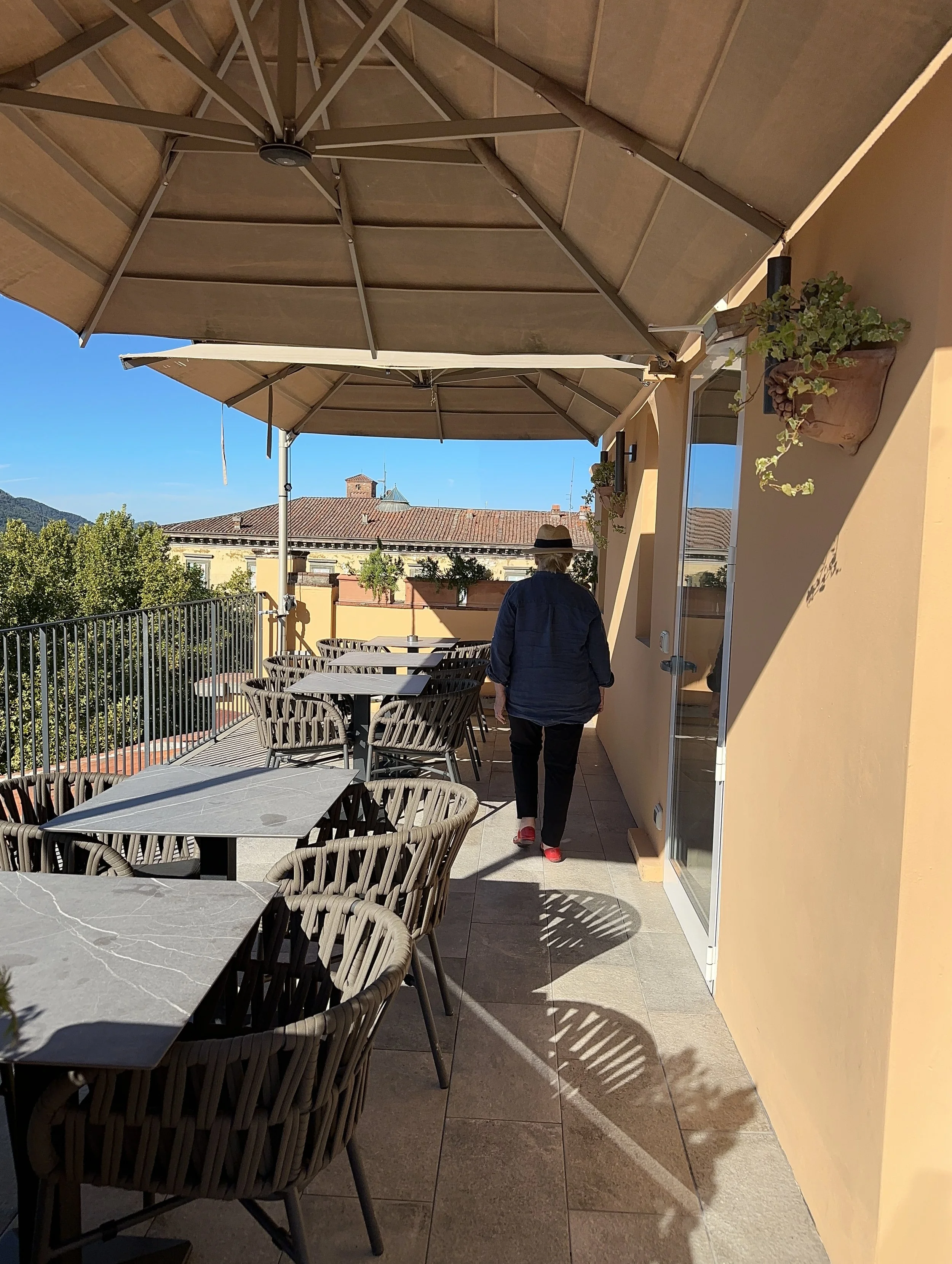
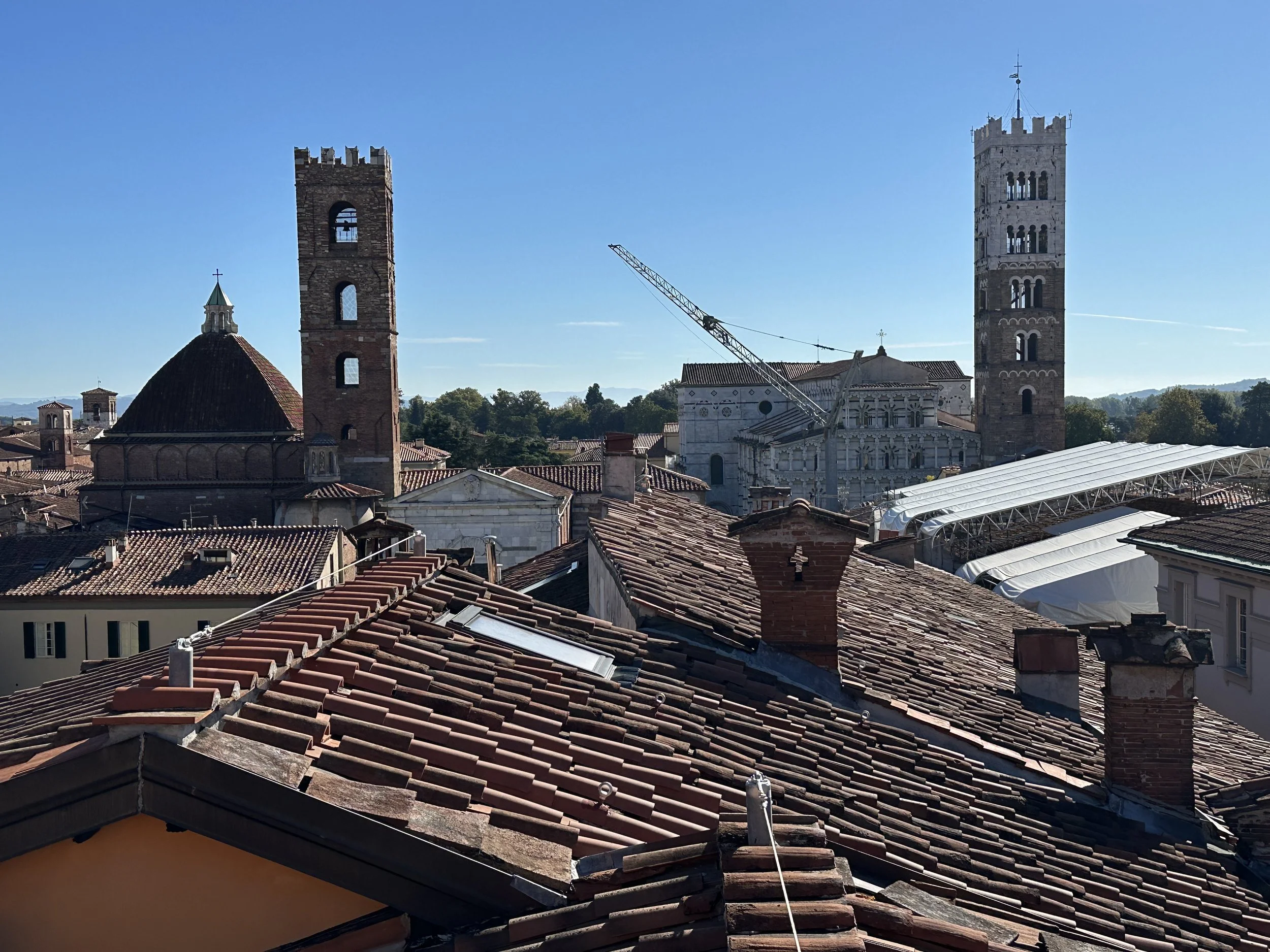
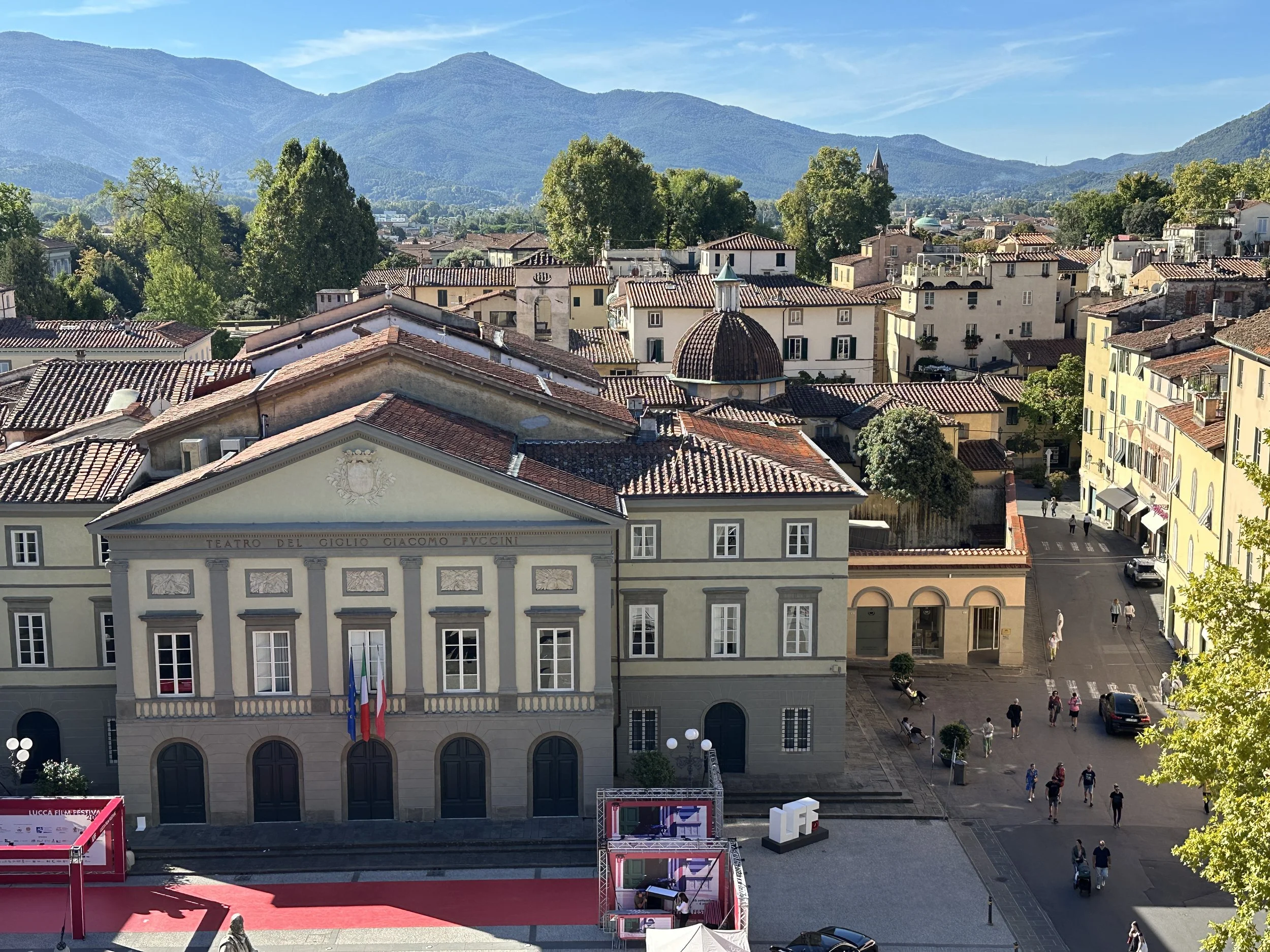
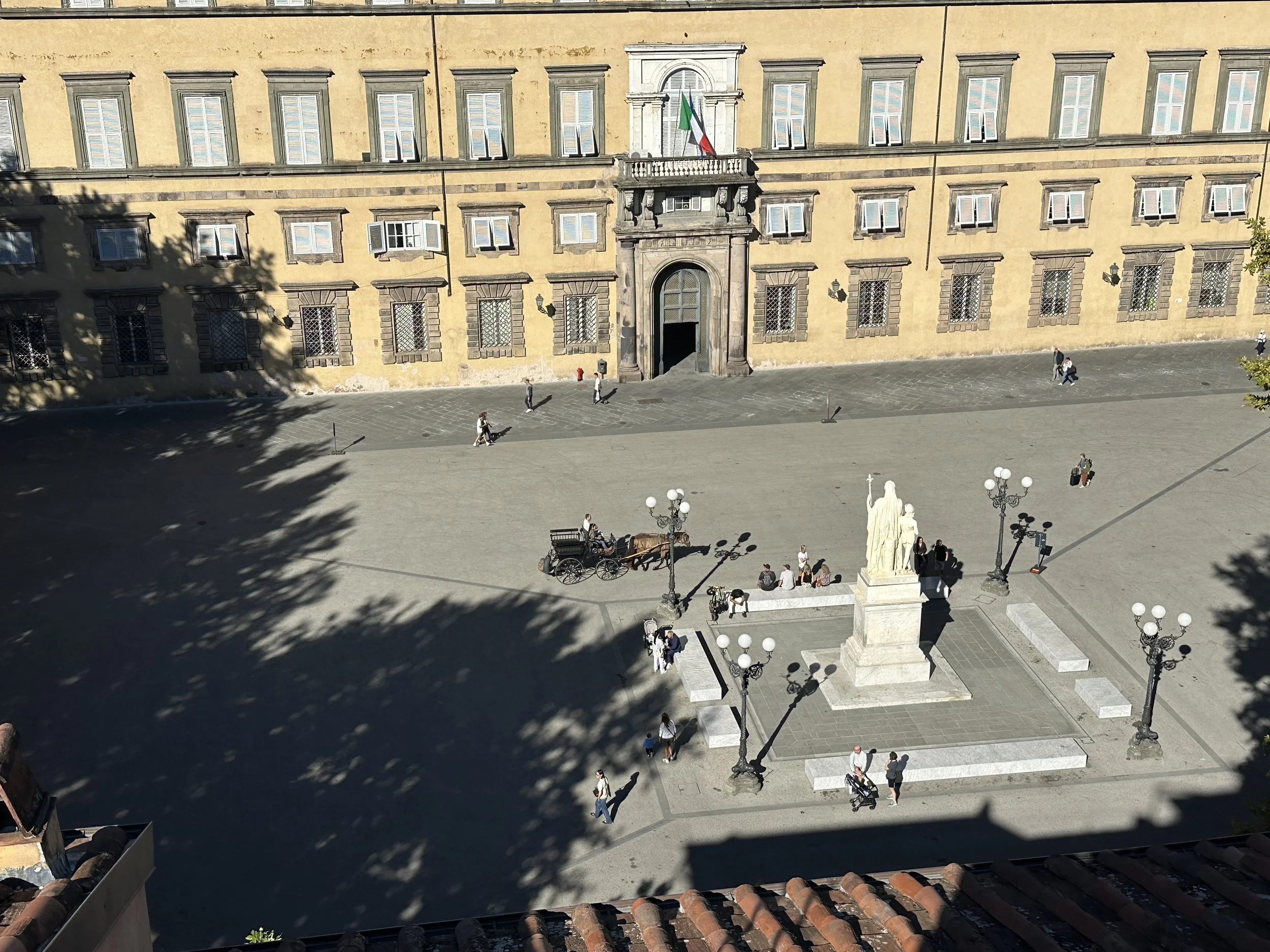
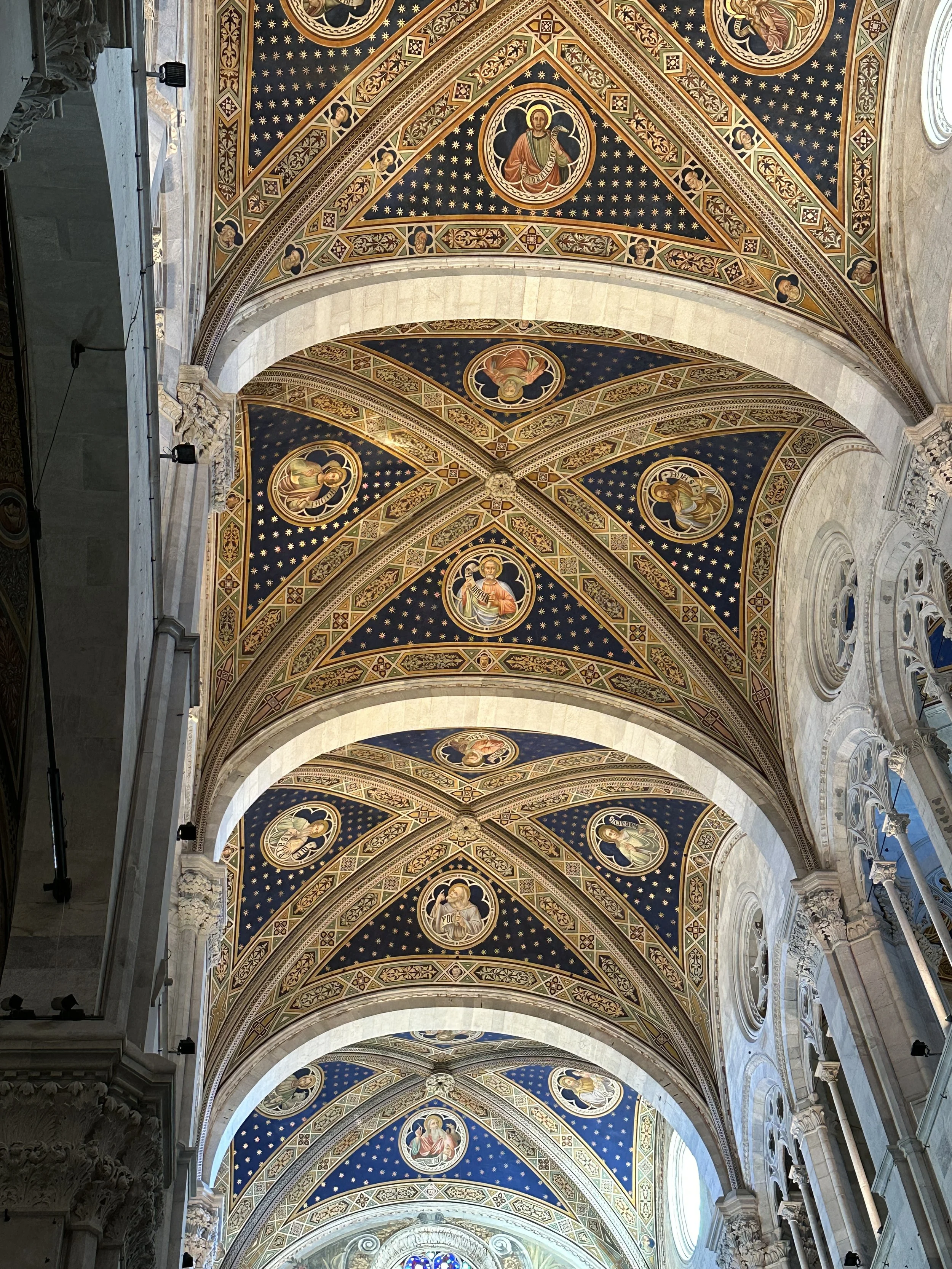
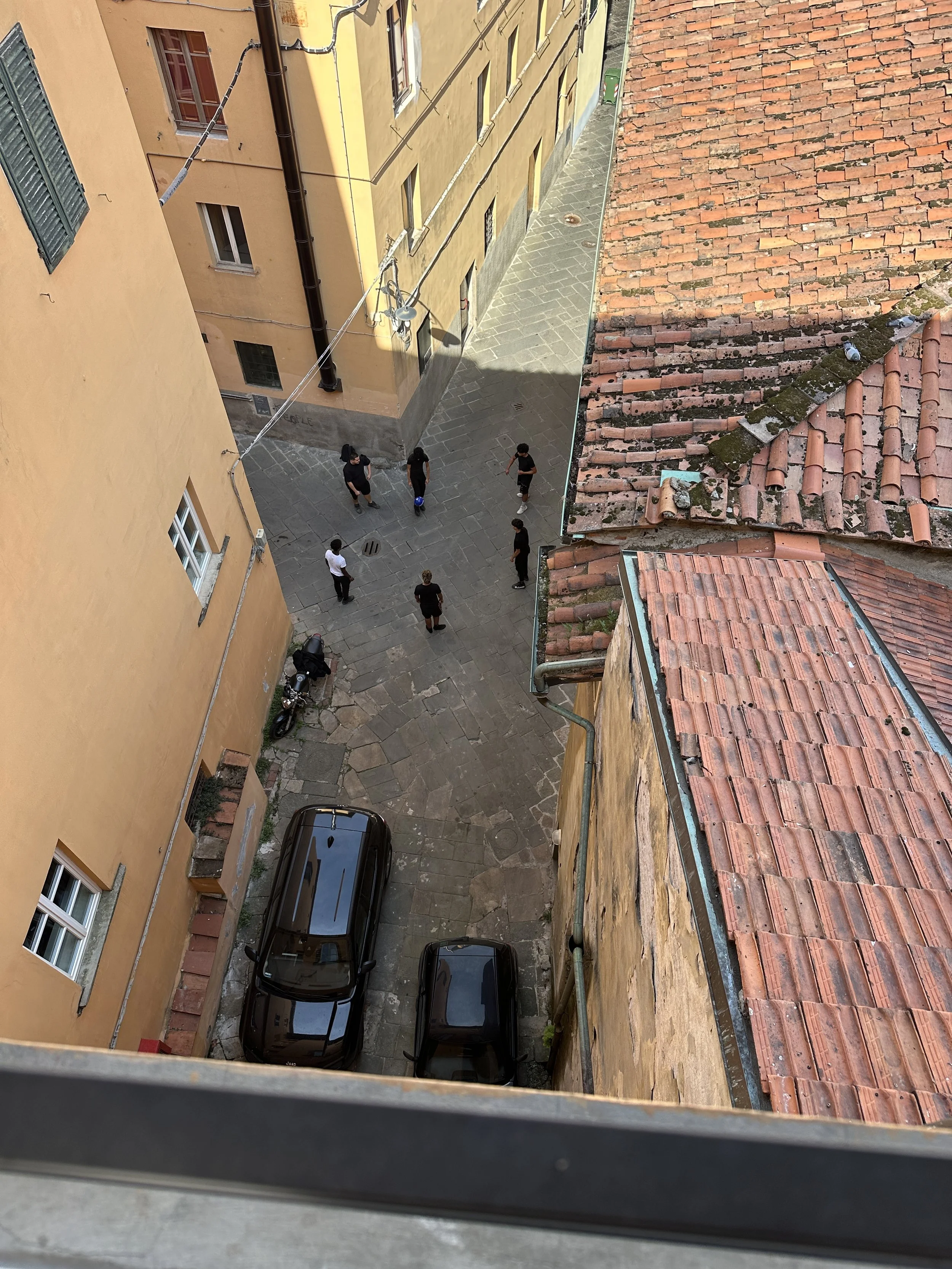
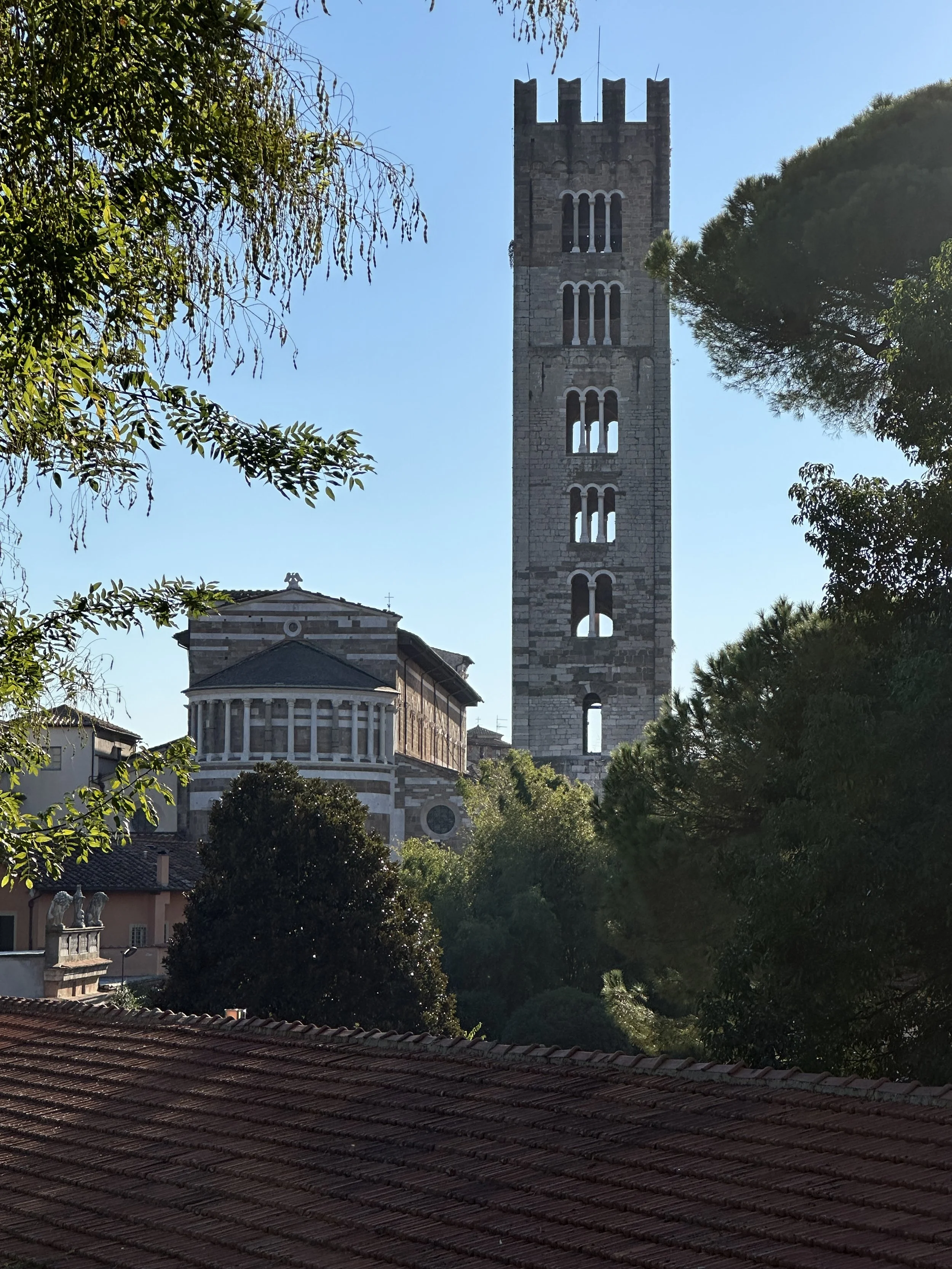
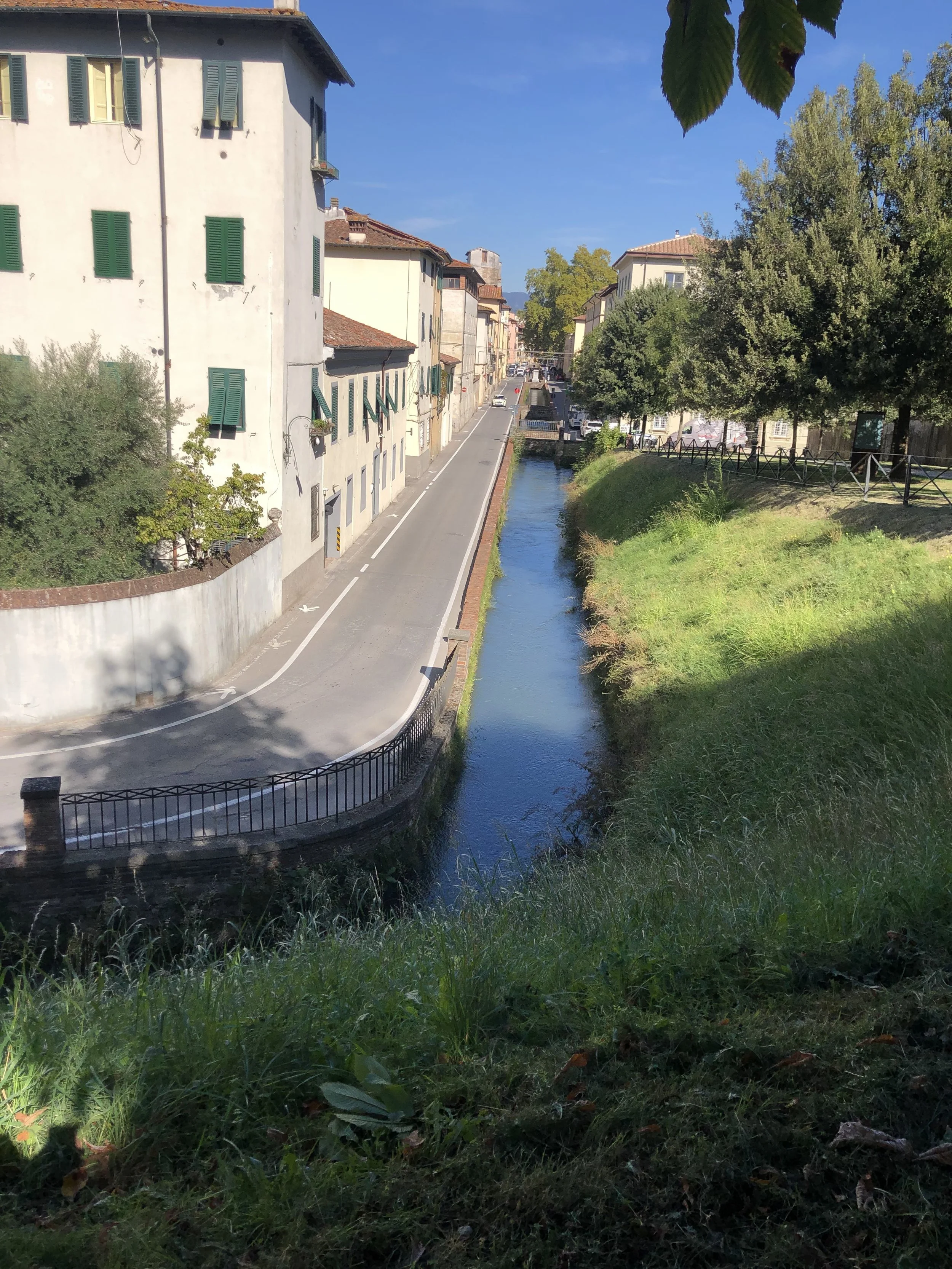
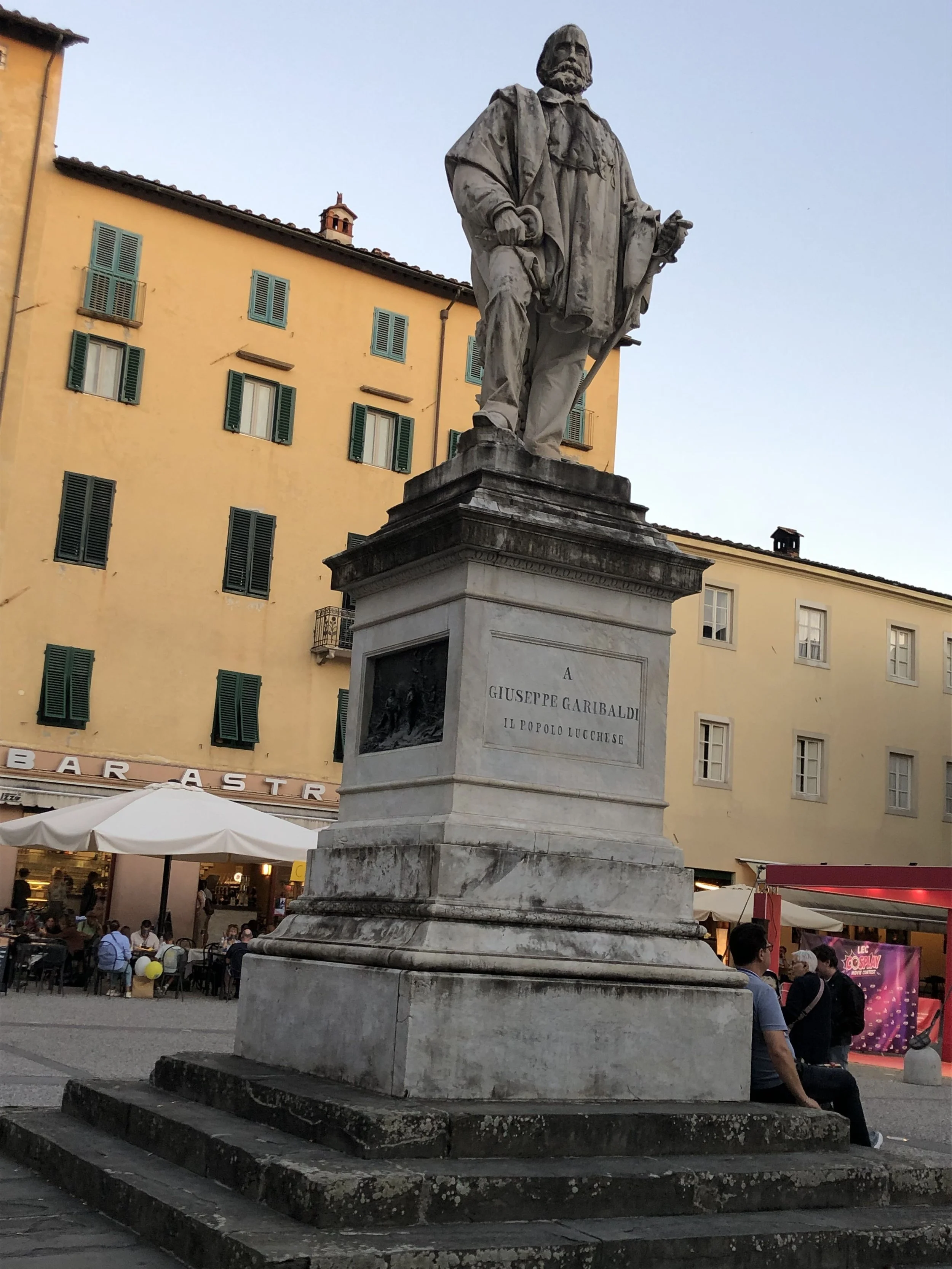
Lunch at Buca di Sant’Antonio was simple but fabulous. How do they cook pasta so well? Of course there were many other offerings, a bit different from the Sardinian fare we’ve been enjoying, but I’m starting to feel the need for a little more restraint on the eating front.
We can find signs of many musical events being advertised, for example ‘the history of gospel music’. Sounded plausible, right? Wrong. Turned out the be a hard sell by happy clappers. We stayed until I could stand it no longer. Hopefully Puccini tomorrow night will be better. And the organ recital on Wednesday night. There’s also the Lucca film festival this week.
While exploring the Cattedrale and its surrounds this morning, and seeing some quite amazing archaeological stuff underneath, a group of thirty or forty people walked through the piazza each leading a greyhound. How fortunate we were to be in Lucca on the day of The Great Global Greyhound Walk. A bit of research showed us that many places in Australia also hosted a local event for this special day. Did you experience it too? Woof.
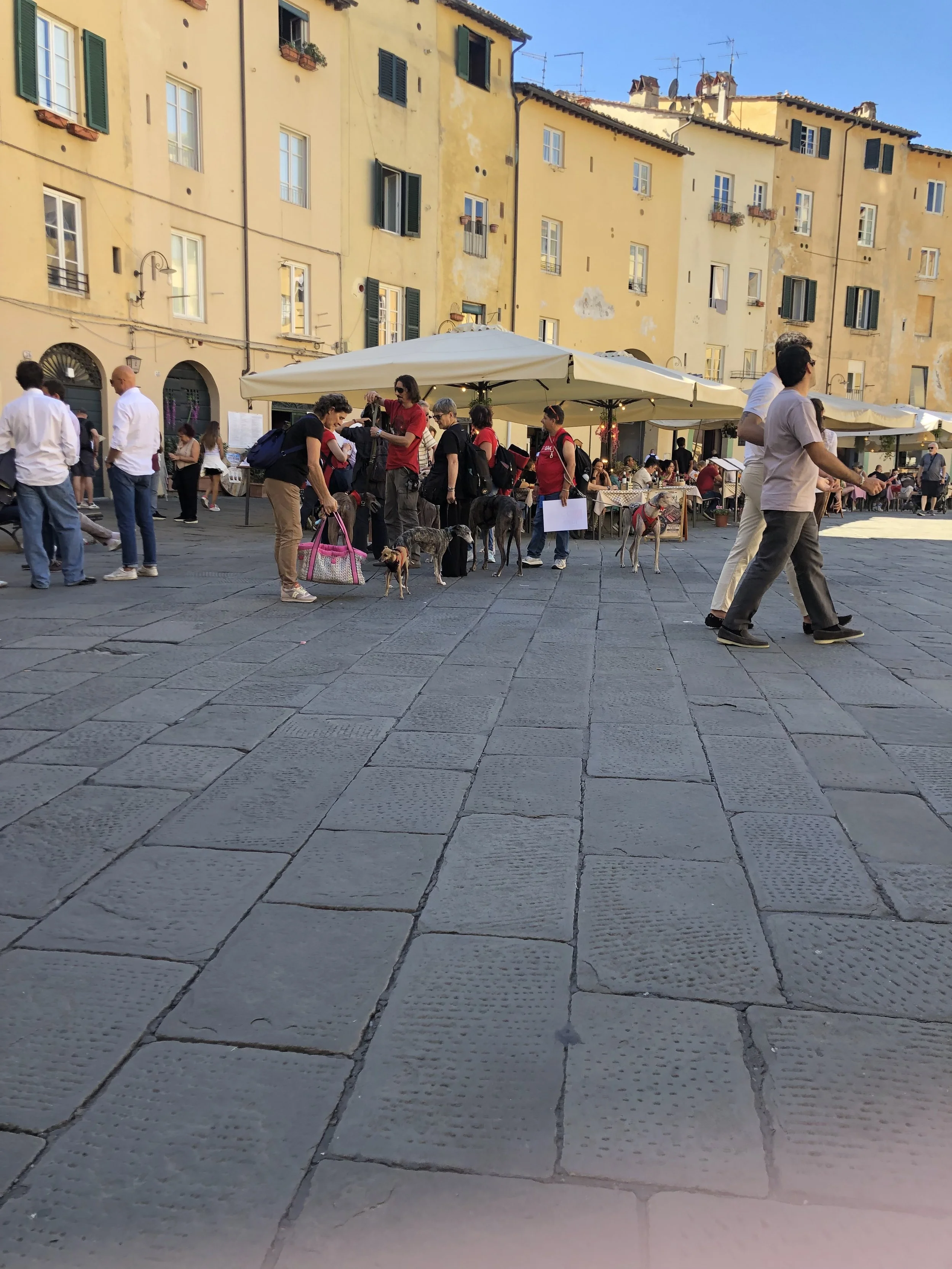
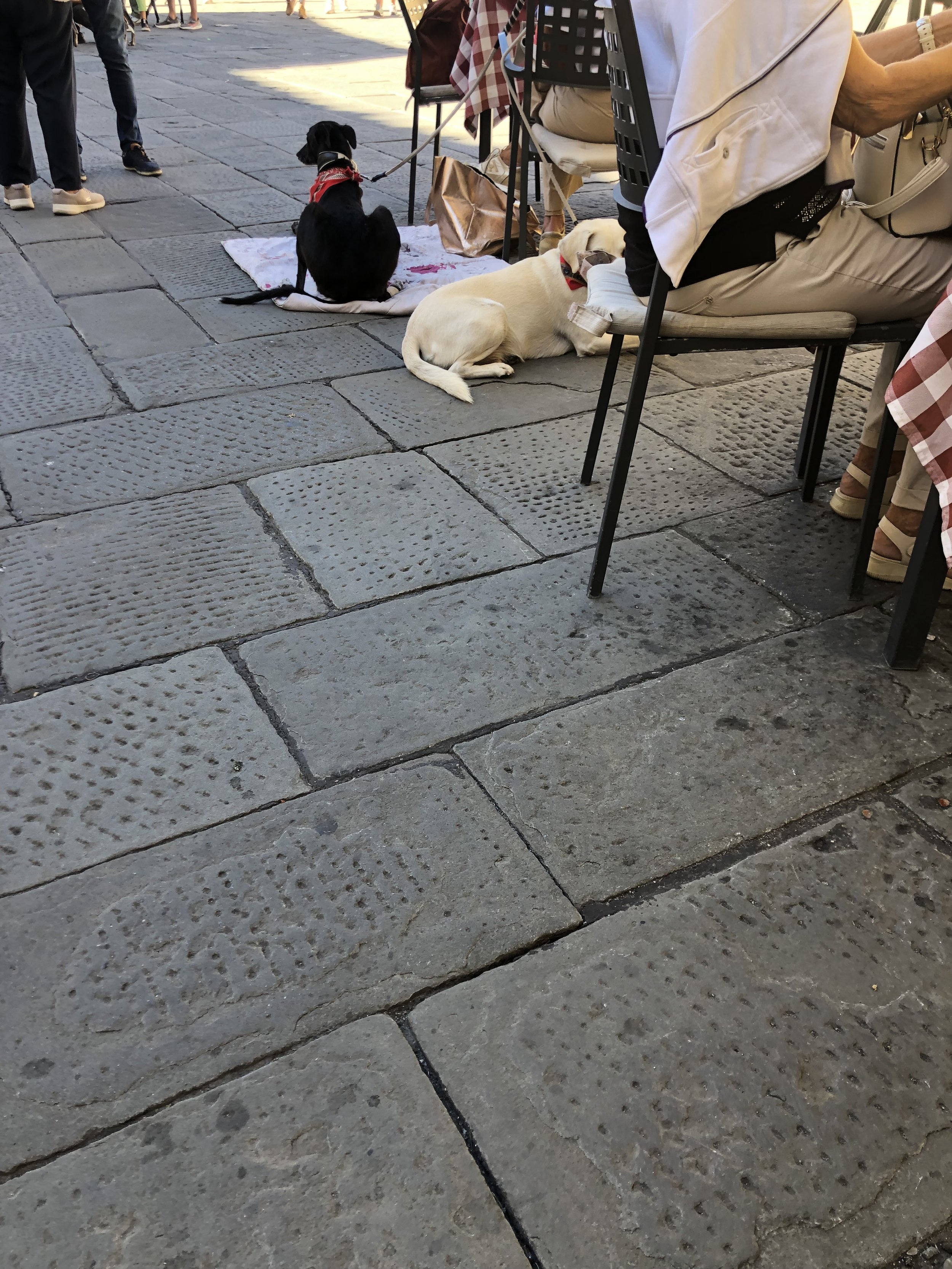
The Puccini was brilliant — so good we’ll try to take advantage of their incentive pricing scheme, and go again tomorrow night. A soprano and a tenor, mostly Puccini. A late dinner at a restaurant recommended by friends B&G, L’Angolo Tondo in the Piazza dell’Anfiteatro. We shared a delicious entree that was a kind of anchovy bruschetta, each had a pasta dish, then shared a piatto secondo of very thinly sliced roast pork served at room temperature with various vegetables and peach. Yum.
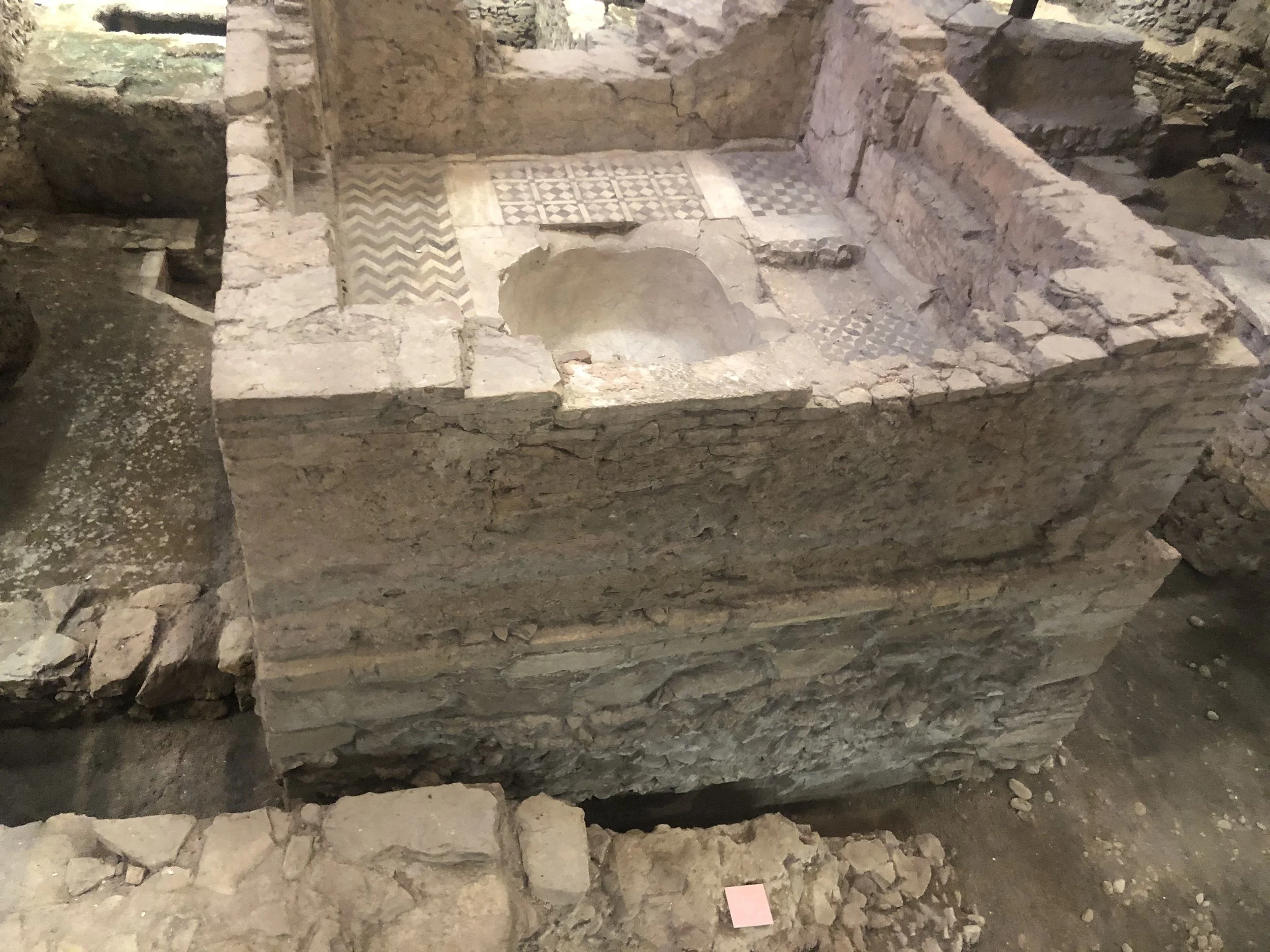
Another archaeological site is touted as the only privately owned home archaeological site. It’s near the domus romanus Lucca. Three layers of history, going down several meters, each evidently built on top of the previous settlement after it had been destroyed by subsequent conquerors. History repeating itself.
Somehow I managed to persuade SWCBN to join me in attending two hours each afternoon this week of personalised Italian language tuition at the Koinè school. How will that go? Day 1 of the individual lessons was tiring but good, for both of us. Jen is loving her teacher, a young fellow from Pisa who says it is much more lively there. So it looks like I kicked a goal there. I came away thinking I had been able to engage in conversation about various issues better than I had expected. So far so good. We celebrated our success by going again to Puccini. This time two blokes, a baritone and a tenor, alternating mostly Puccini and Mozart. Mozart was such a show-off, always having a longish coda forcing the listener to be impressed by the ends of his compositions without the annoying presence of a noisy singer.
Dinner afterwards at a place at which we were happily able to turn down their specialty offering of various tripe dishes. Sorry, not sorry.
In Lucca our daily routine looks something like this: not too early rise, a healthy breakfast at the hotel, a longish walk on part of the wall or exploring another part of the city, a task (such as laundry, check out the route to the station, try out a bus ride, do some Italian homework), lunch, Italian class, rest, evening entertainment, dinner, then sleep. It’s exhausting.
After an excellent but very rich dinner at Buca di Sant’Antonio, which included a half bottle of wine from near Belluno (where Sergio had lived for a year) we made the next day a fasting day (well, mostly). Very good idea. And it sharpens the mind, very useful for day three of our Italian classes.
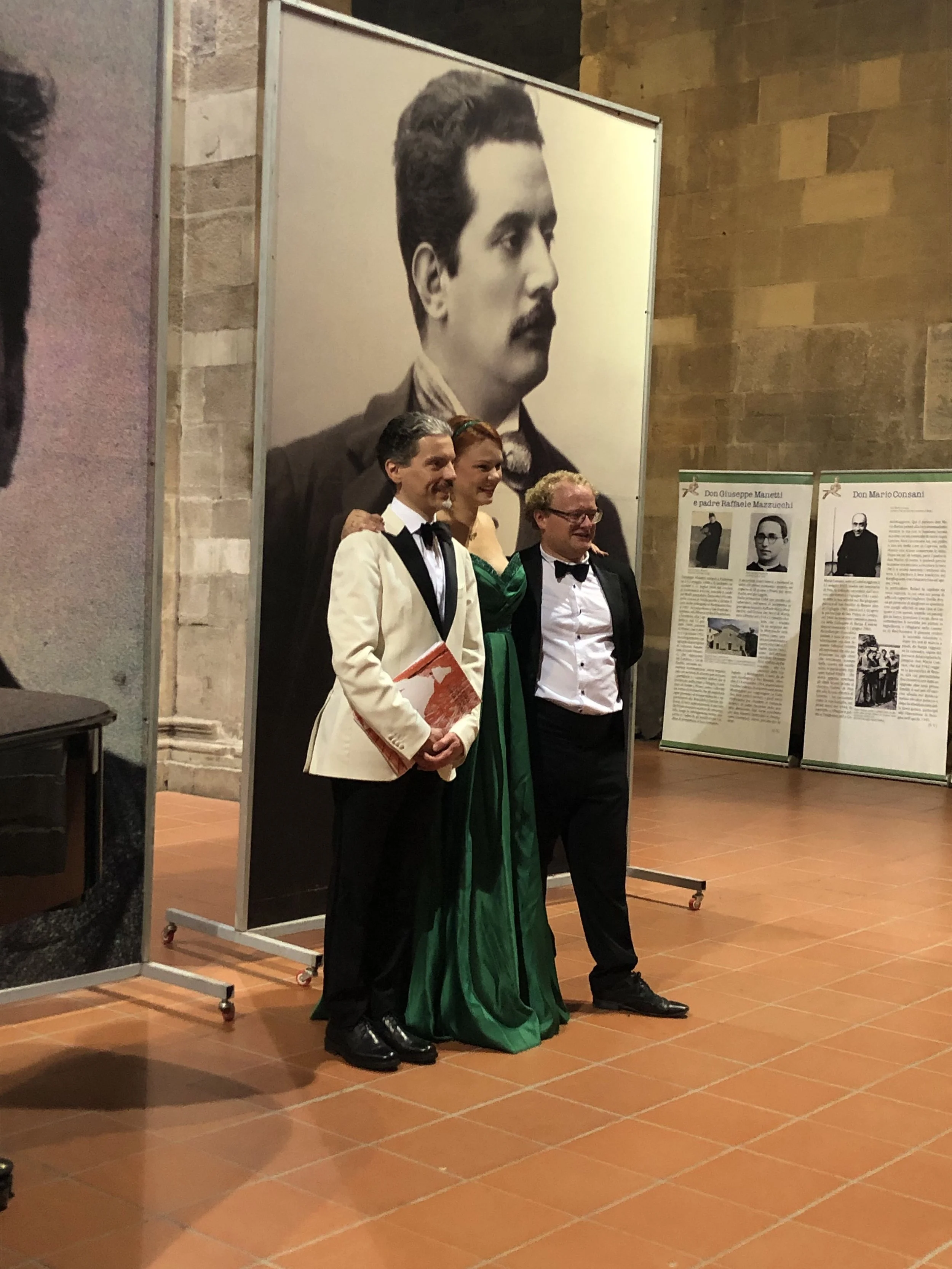
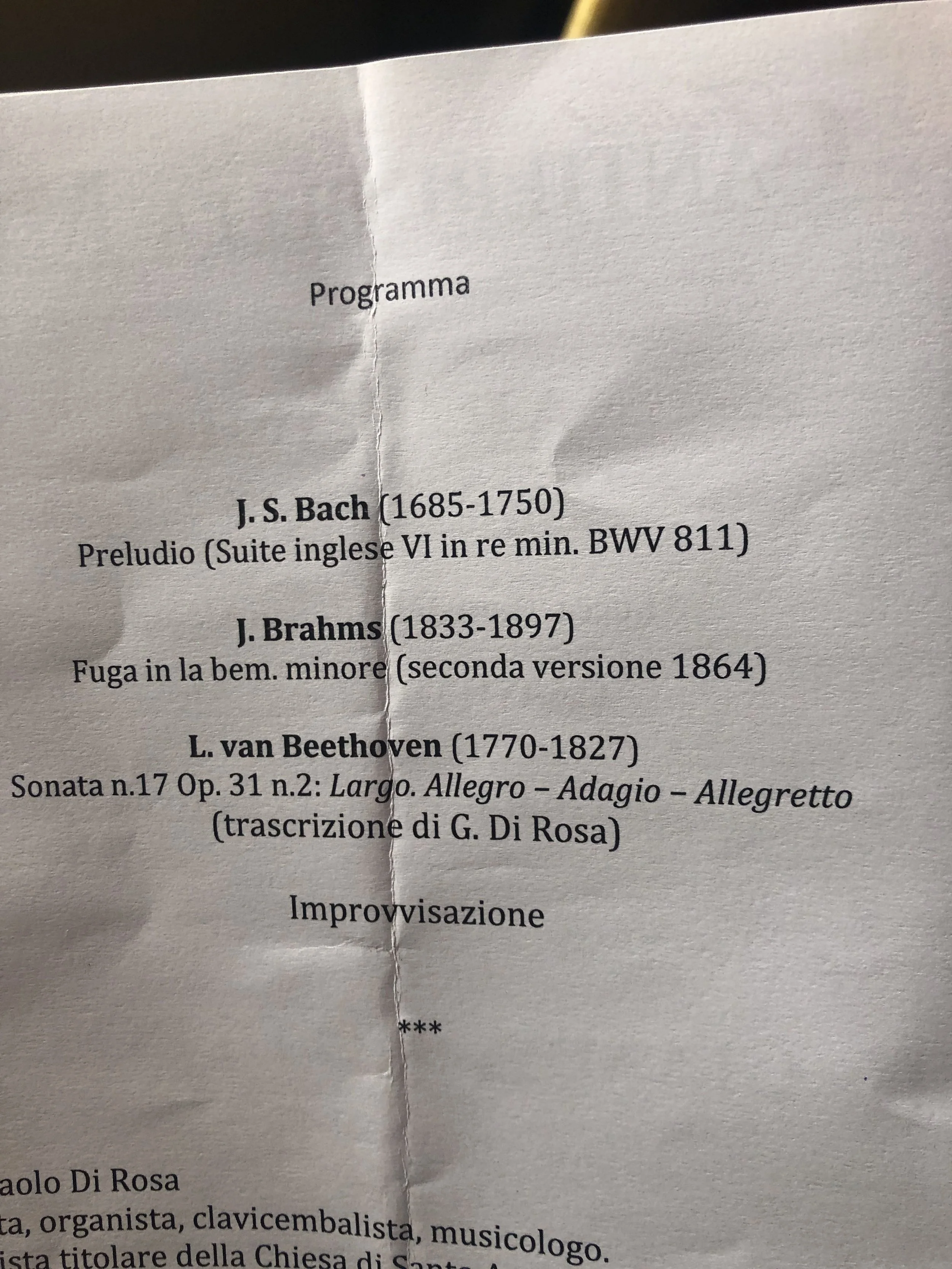
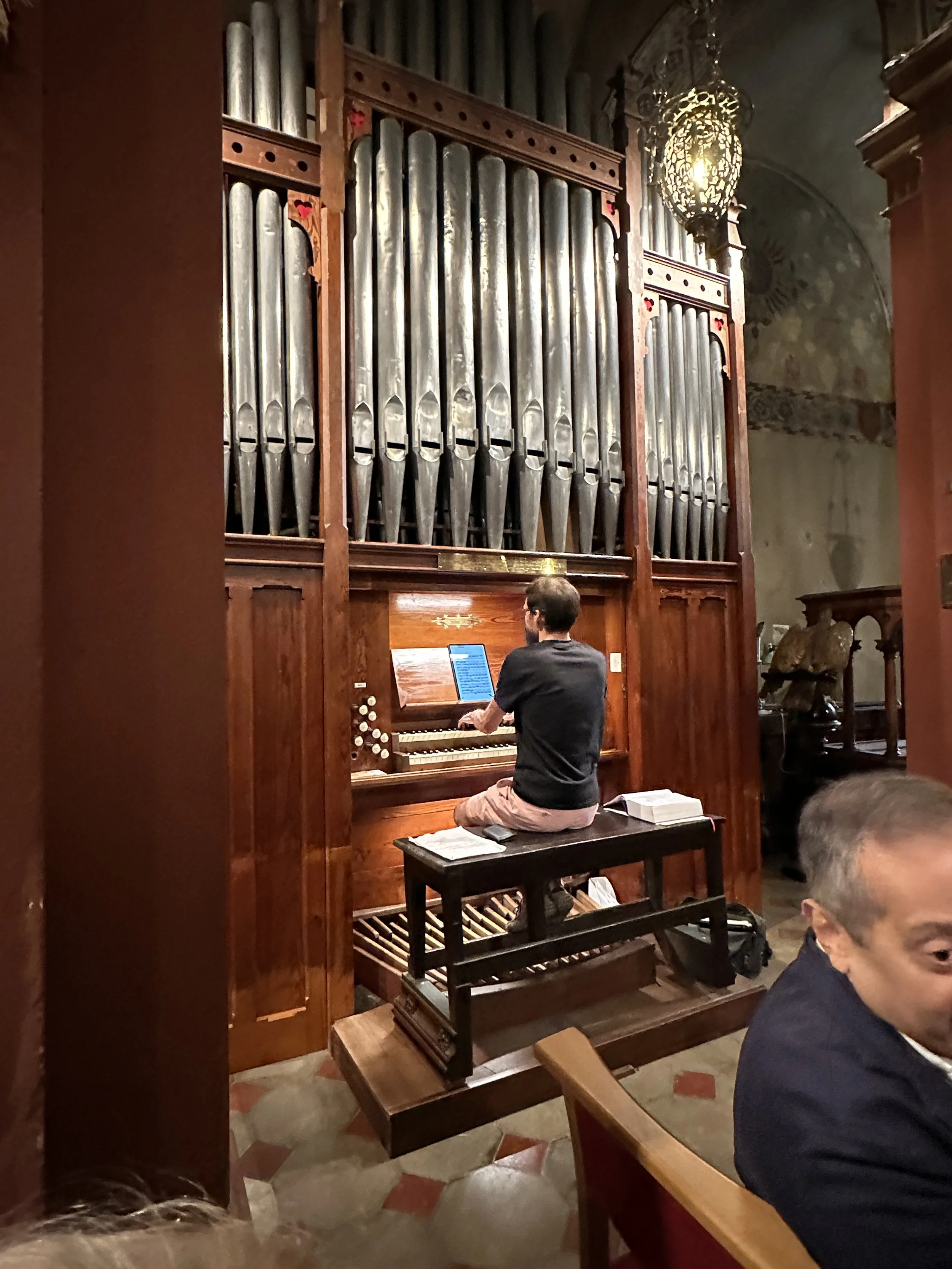
More magic tonight — an organ recital at the Cattedrale di San Martino. Giampaolo Di Rosa gave us works of Bach, Brahms, Beethoven, and some of his own improvisation. It was brilliant. There were two large banks of pipes up high, one on each side of us. Organ in stereo. A huge space filled with sound.
Today the sky is overcast. So far we have had perfectly clear blue skies, and temperatures in the high 20s.
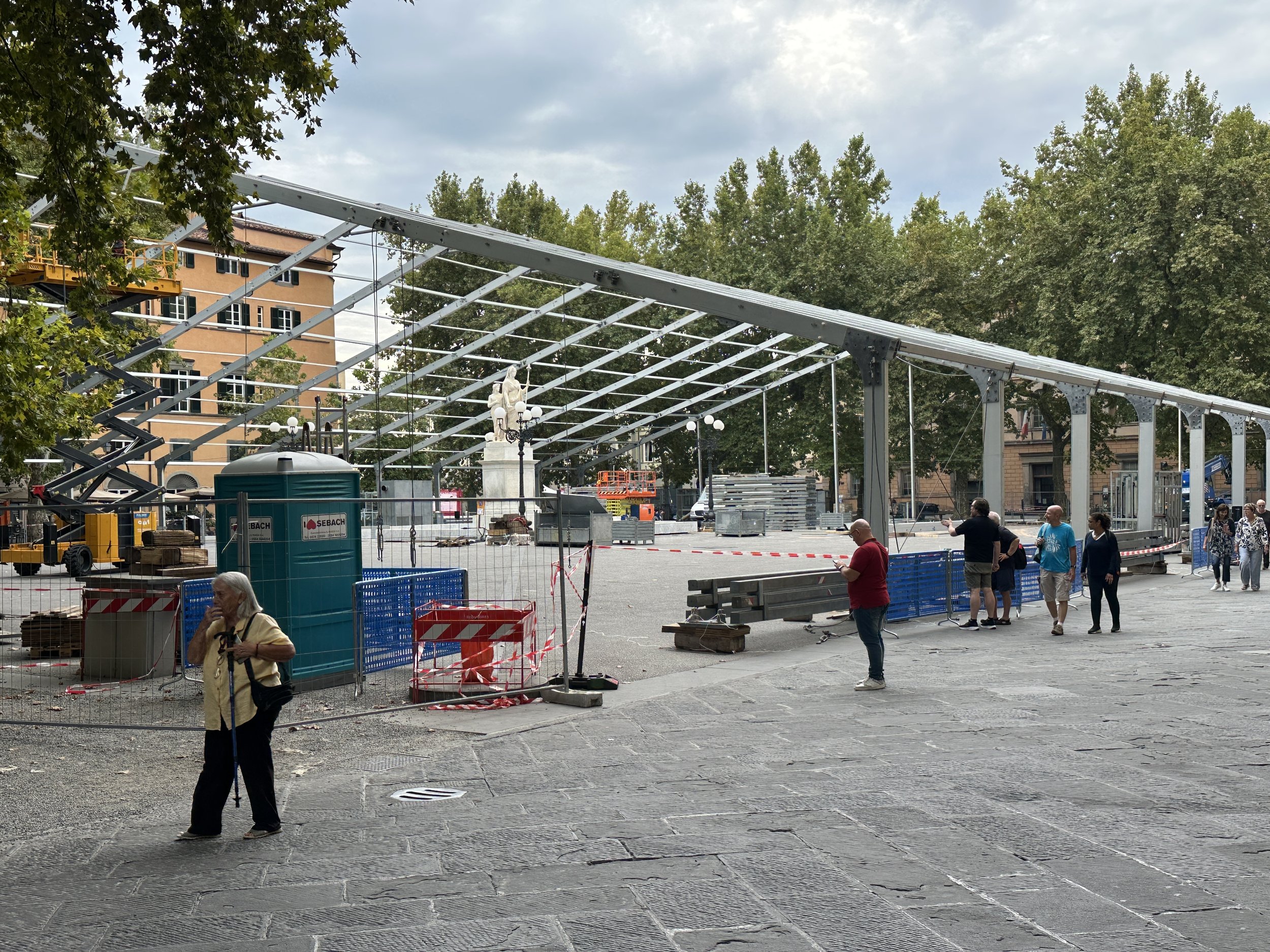
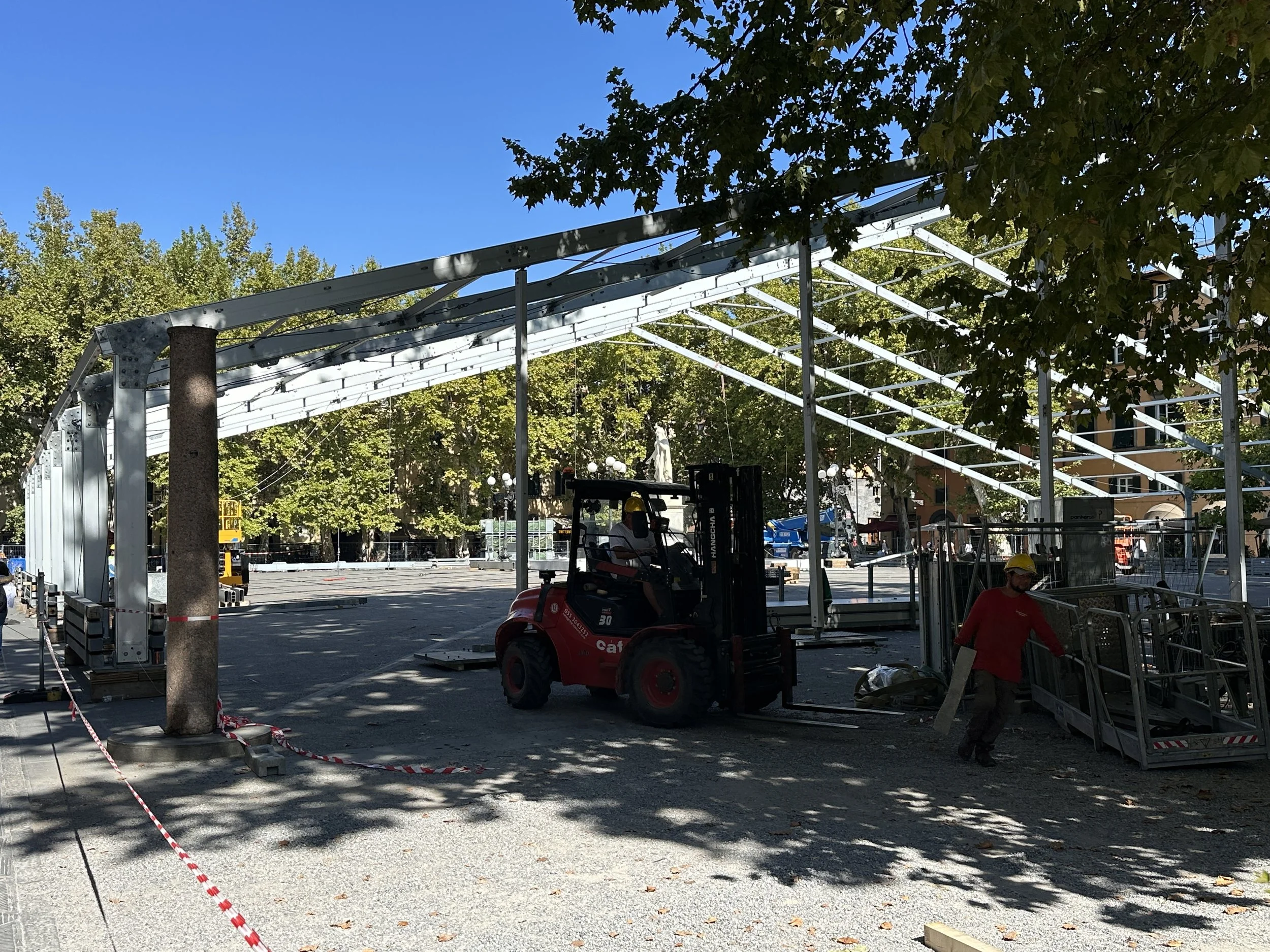
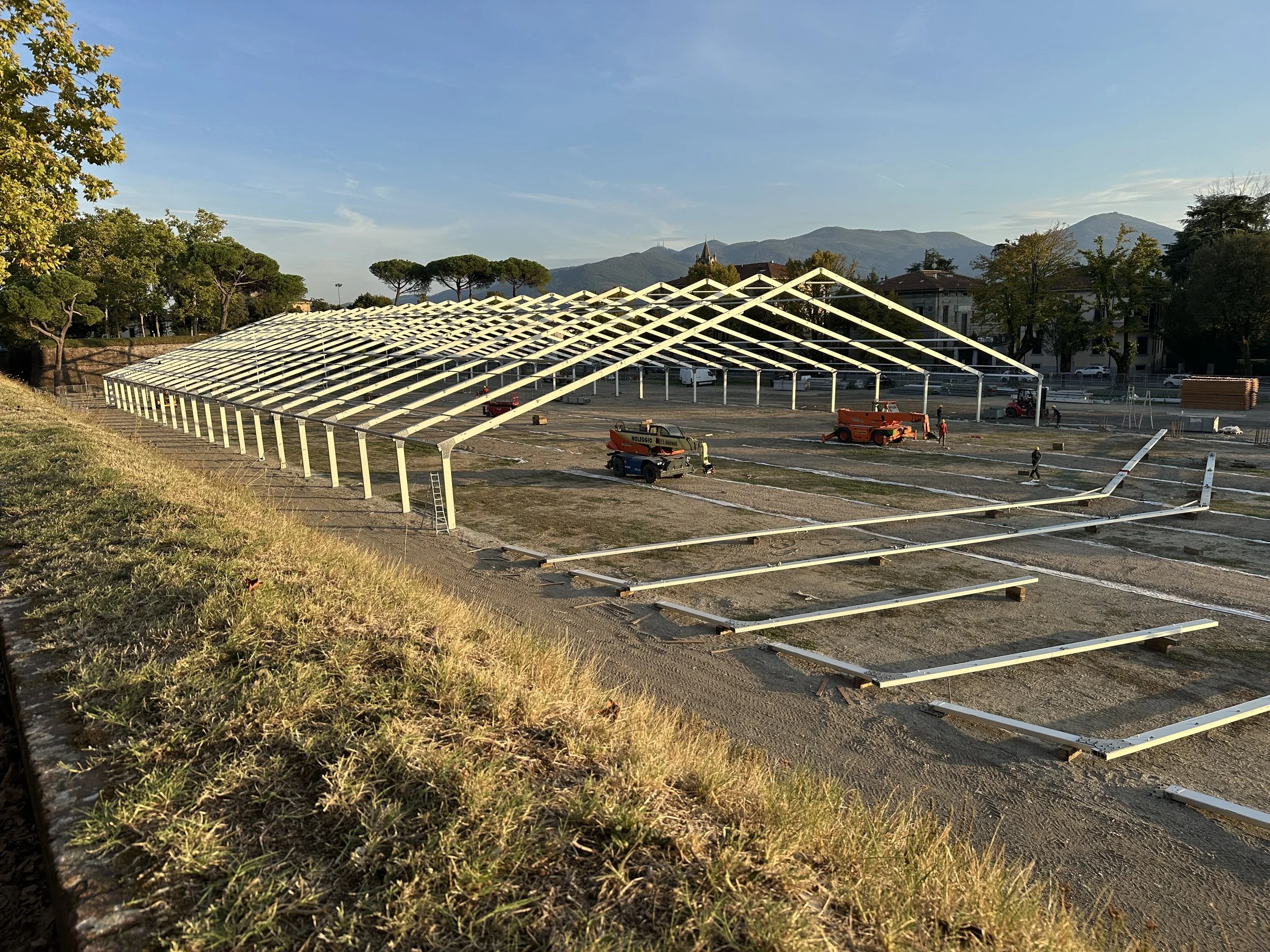
Next to our hotel is a large piazza, Piazza Napoleone. Over the last few days workers have been erecting the frame for a huge temporary covered pavilion. I think it is for the ‘Luca comics and games festival’ starting later in October. The construction has been an amazing process. Biggest tent I’ve ever seen. One of the most exciting ongoing events of the week. Funny, on a morning walk we observed just outside the wall an even bigger pavilion being erected. It seems that these things, of varying sizes, are constantly being erected and dismantled at ‘empty’ spaces all over the city for different (often unknown) purposes.
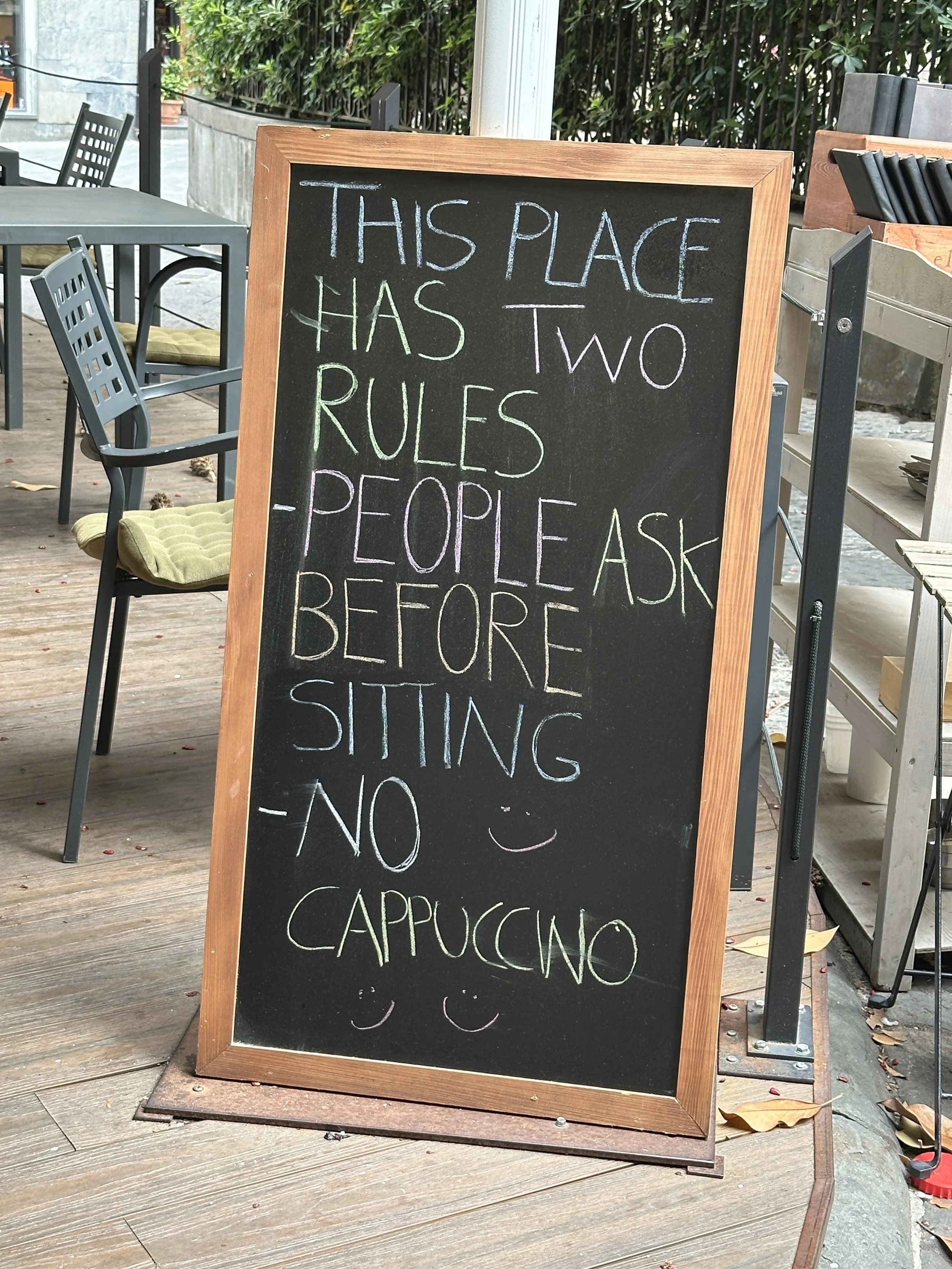
The coffee here is very good if you ask for the right thing. In Sardinia, it was pretty safe to ask for a cappuccino in the early morning — it was essentially an espresso doppio with a little milk added. An americano came out similarly, an espresso doppio with a little hot water added. In Lucca, if you ask for an americano, you get rubbish. If you ask for a caffe latte, also rubbish. We’ve figured out you have to ask for ‘un espresso doppio, con latte caldo [o aqua calda] a parte’. It’s perfect, you can add as much hot water or hot milk as you like.
Day 4 of Italian classes down, and it’s going well for both of us, except that Lorenzo, who has been teaching SWCBN, has an unavoidable other commitment tomorrow. A day off appears to be on the cards for one of us. I, however, will continue. Today’s “task” required us to skip our post-study rest. We saw a really interesting film straight after Italian, part of the Lucca film festival, that was a biographical pic ‘I Am Curious Johny’ about a famous and wealthy photographer named Jean Pigozzi (son of the man who started and ran Simca cars — does anyone remember them?). Followed by dinner at the restaurant rated #1 in Lucca by TripAdvisor, Osteria Da Pasquale. It was excellent. Pasquale is a jolly host, with possibly the most amazing and extensive wine collection I have ever seen. The wine list was pages and pages long.
Our last full day in Lucca sees the pavilion frame complete, and the cover going up quickly. My final Italian lesson in which I learned some subtleties about their past tenses and a few other useful things. And preparing for our third visit to Buca di Sant’Antonio. We have tried a minute fraction of the restaurants here, it might be their main industry. Three of them have been very good, but we cannot know how many of the others might have been just as good. A pre-dinner stroll took us along part of the wall, then on our way back past a church from which emanated beautiful singing. A choir was rehearsing. After a little while of very lovely choral music, they gave the floor over to a Swedish choir. Nowhere near as good as the earlier group. The Swedish choir was being conducted by the accompanist who surprisingly took all the solo roles, plus his accompaniment was too loud. I find it hard to go past a good choir. Even a bad one will draw me in. We had a bit of both.
Final dinner at Buca saw a slight deviation. We shared just one dish — the absolutely amazing bistecca fiorentina. It was incredible, and we still had to take a small unfinished portion away for tomorrow’s train trip. In fact that turned out to be enough for lunch for both of us.
Firenze
Regional trains (at least this one) do not have a space for luggage. We therefore took up four seats. This wasn’t really a problem until closer to Florence as more and more people got on. SWCBN enjoyed the company of two nonne who boarded at about the second last stop. As soon as they found a seat, across the aisle, the two got out their phones and shared snaps of each other’s grandchildren, with constant talking and laughter. Their pride and delight was obvious to everyone.
The Santa Maria Novella station in Firenze was an absolute madhouse. People everywhere, I found it very exciting. After a slight detour caused by a map-reading error on my part, we found the street of our hotel, walking past several restaurants with tables out on the footpath at which people were eating bistecca fiorentina. The window displays of huge pieces of meat were incredible. The advertising seemed to be working.
Choosing good restaurants from the 2500 or so listed on TripAdvisor might be easy, or might not. We ate at #45 last night, I would not recommend it. Tonight we have a booking at #19.
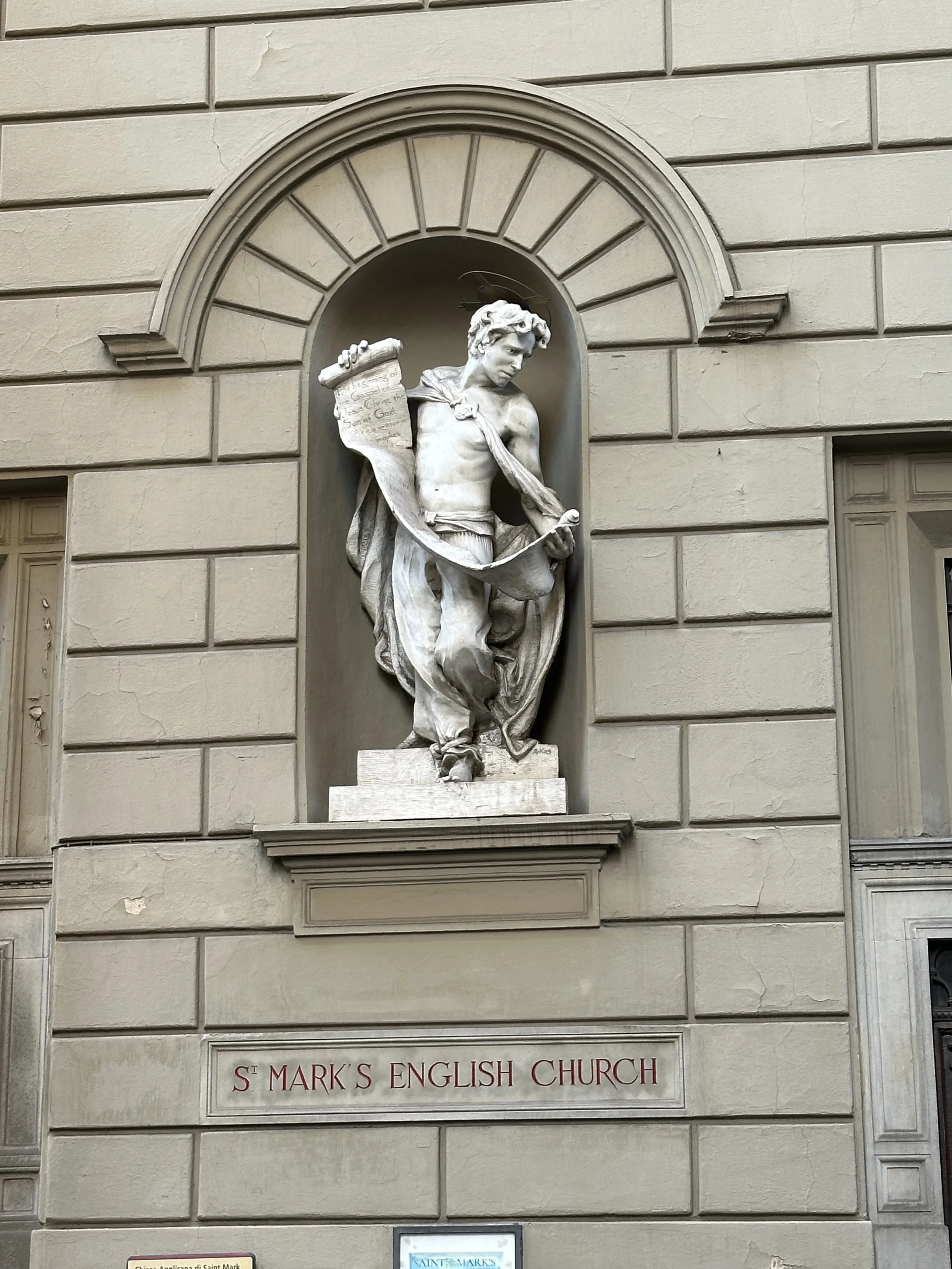
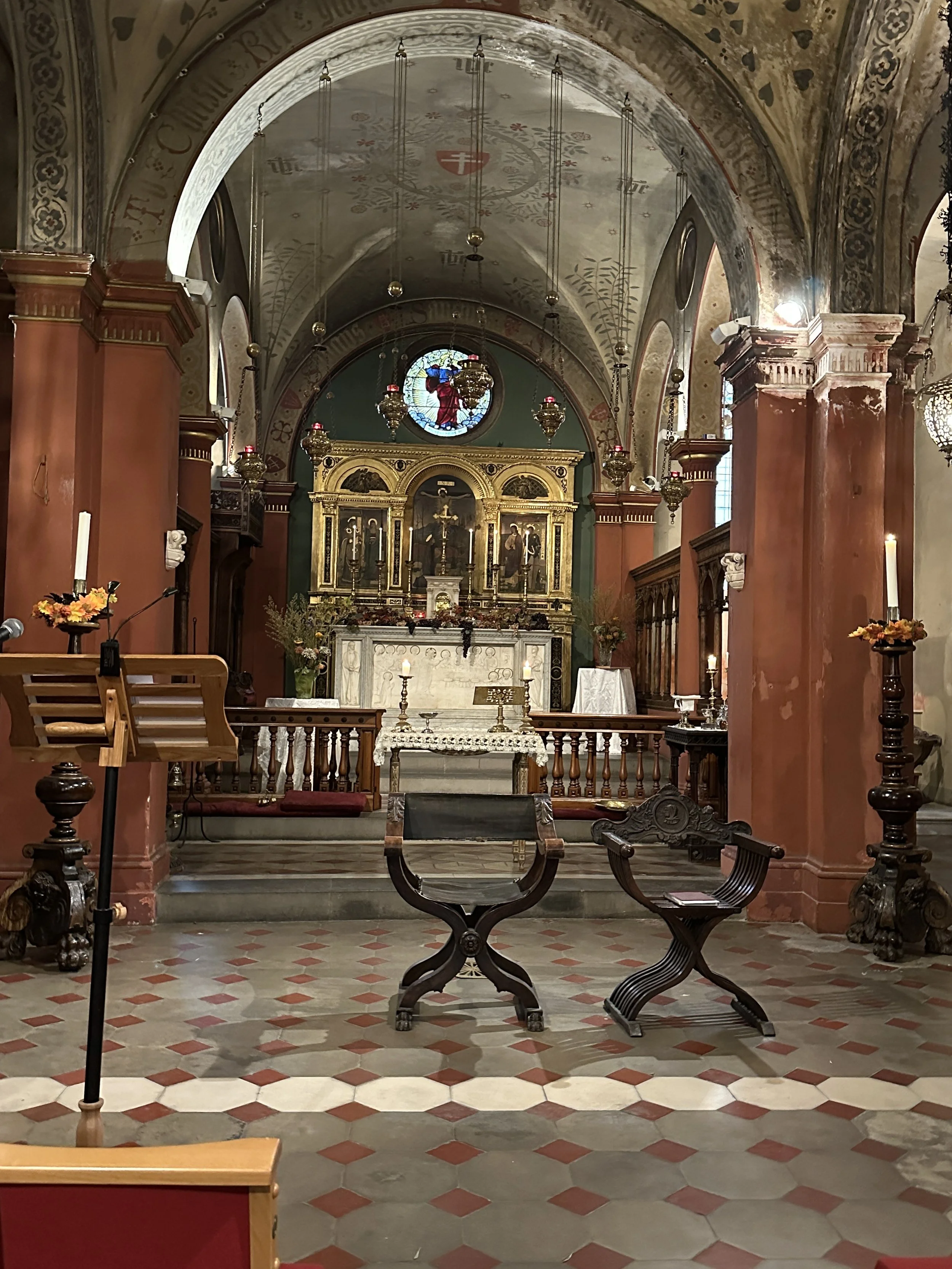
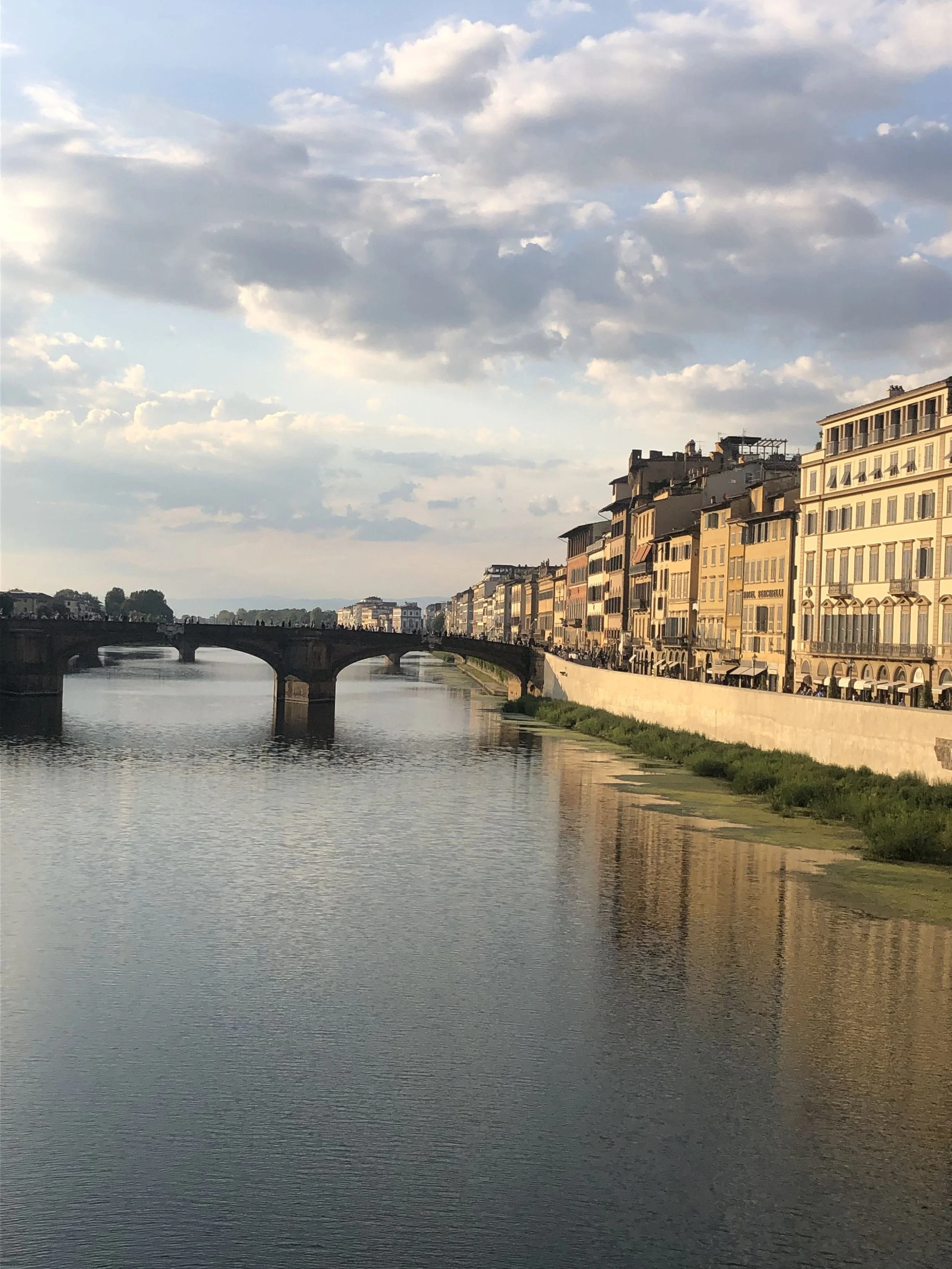
A morning bus ride took us over the Arno in time for a coffee before church. A pleasant chat with a young Californian woman studying economics here on some kind of university exchange. Surprisingly the English (Anglican) Church has an outlet here, St Marks, which has an interesting history as a high church breakaway from the original Holy Trinity English Church, regarded by many at the time as ‘too low’. As part of the Harvest Festival season, today they had a ‘sung Eucharist’ (the ‘sung’ bit is what attracted me) in special honour of animals. Only slightly bizarre, and regrettably the singing failed to meet my expectations.
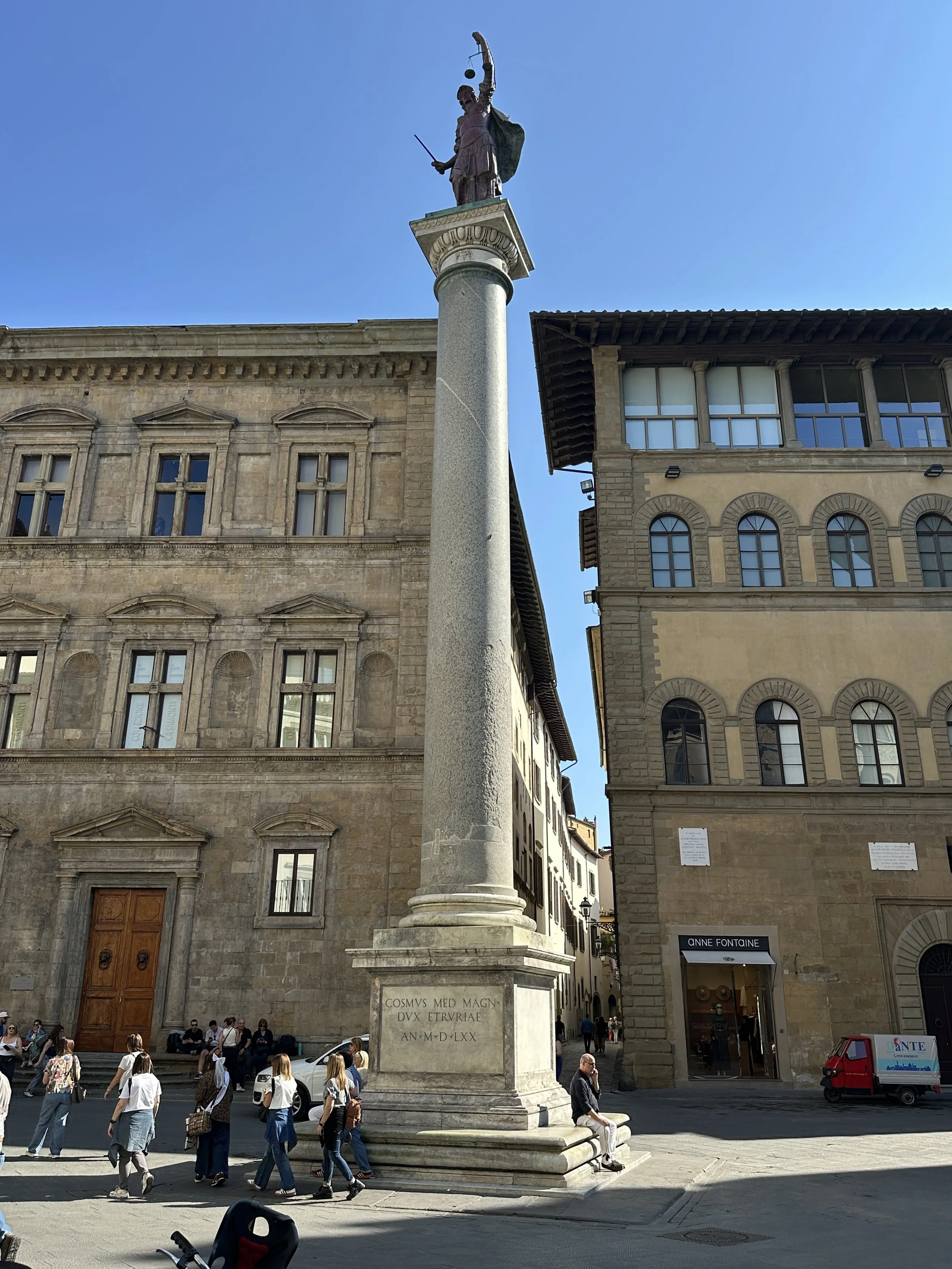
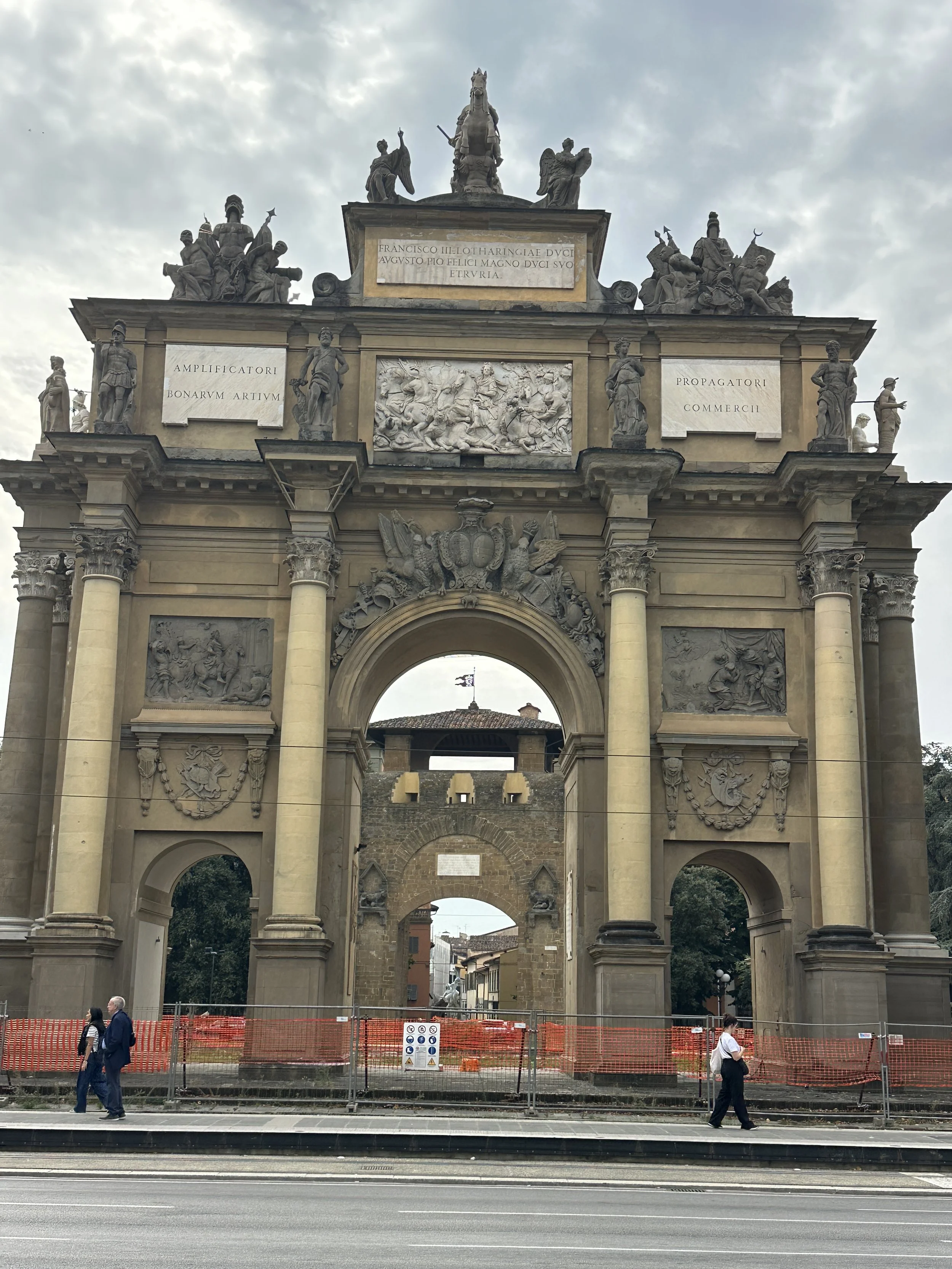
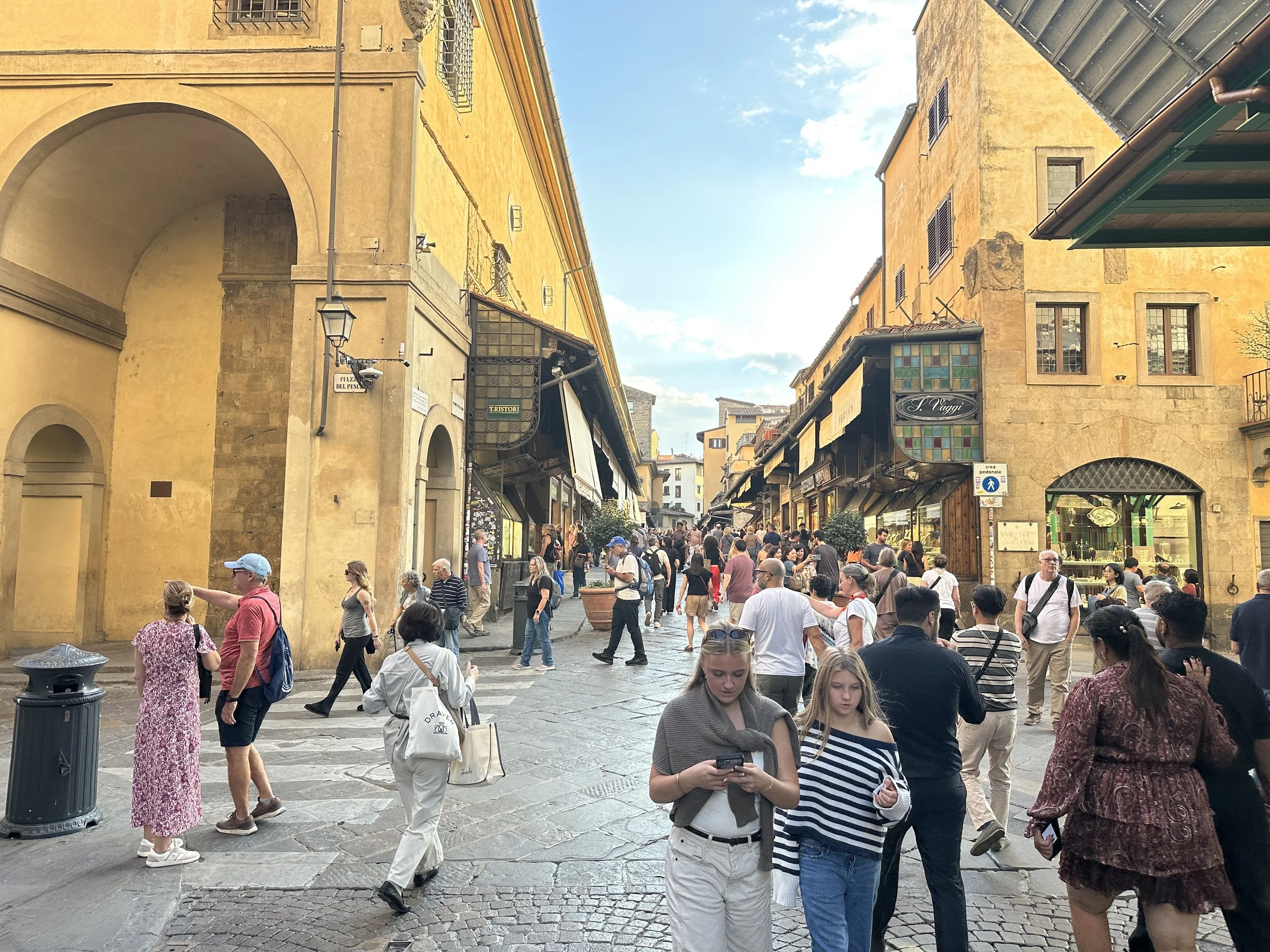
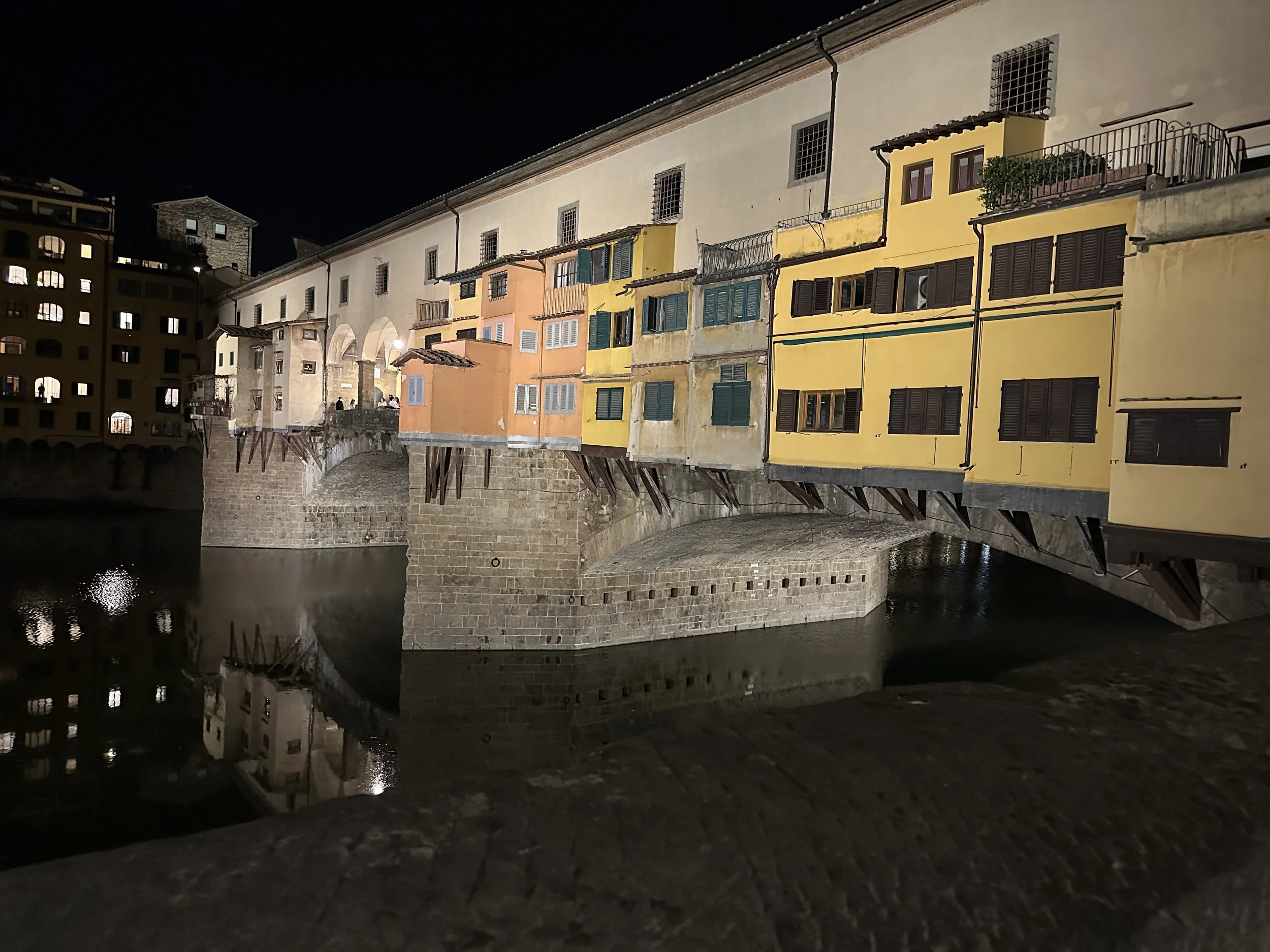
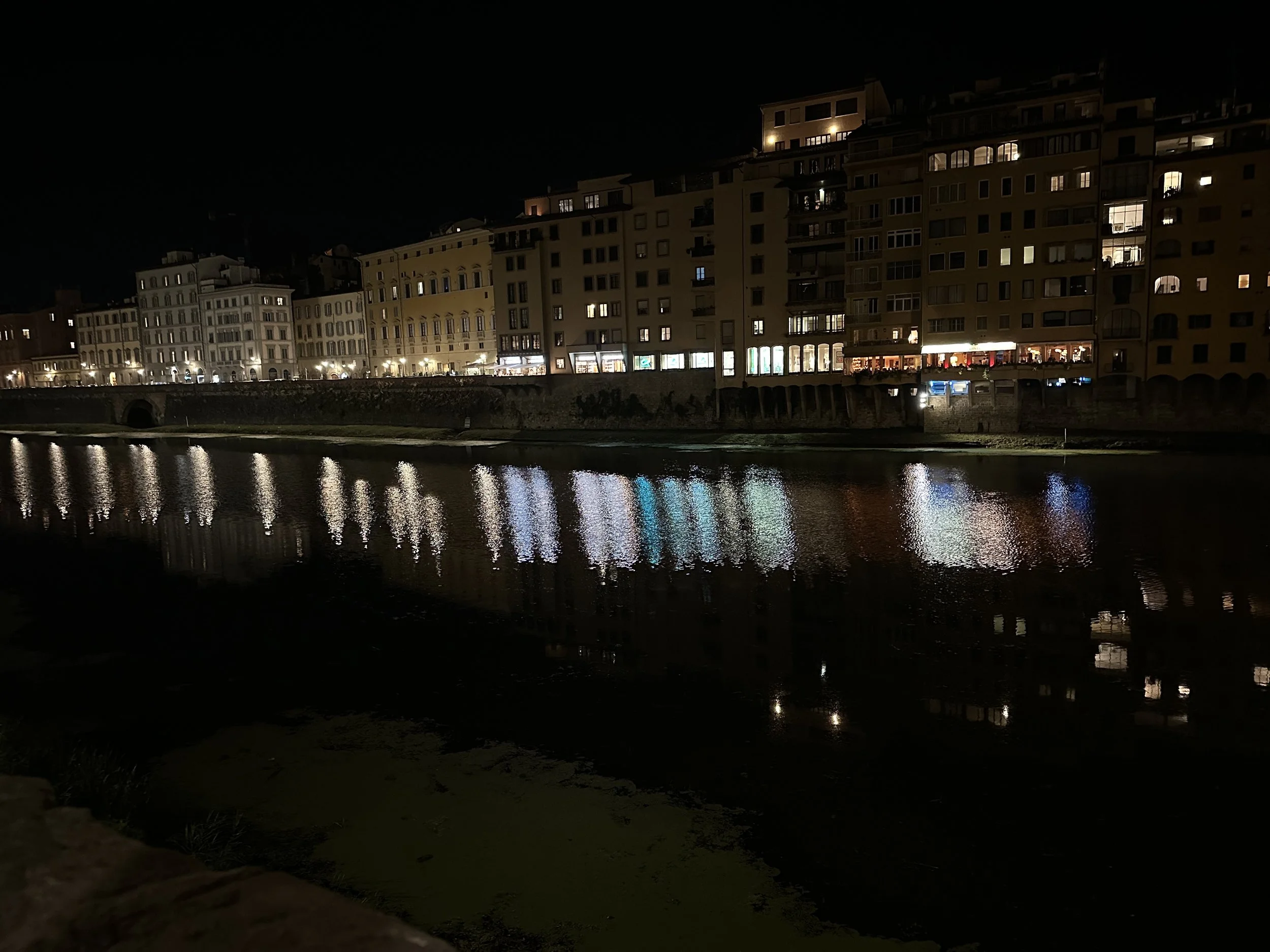
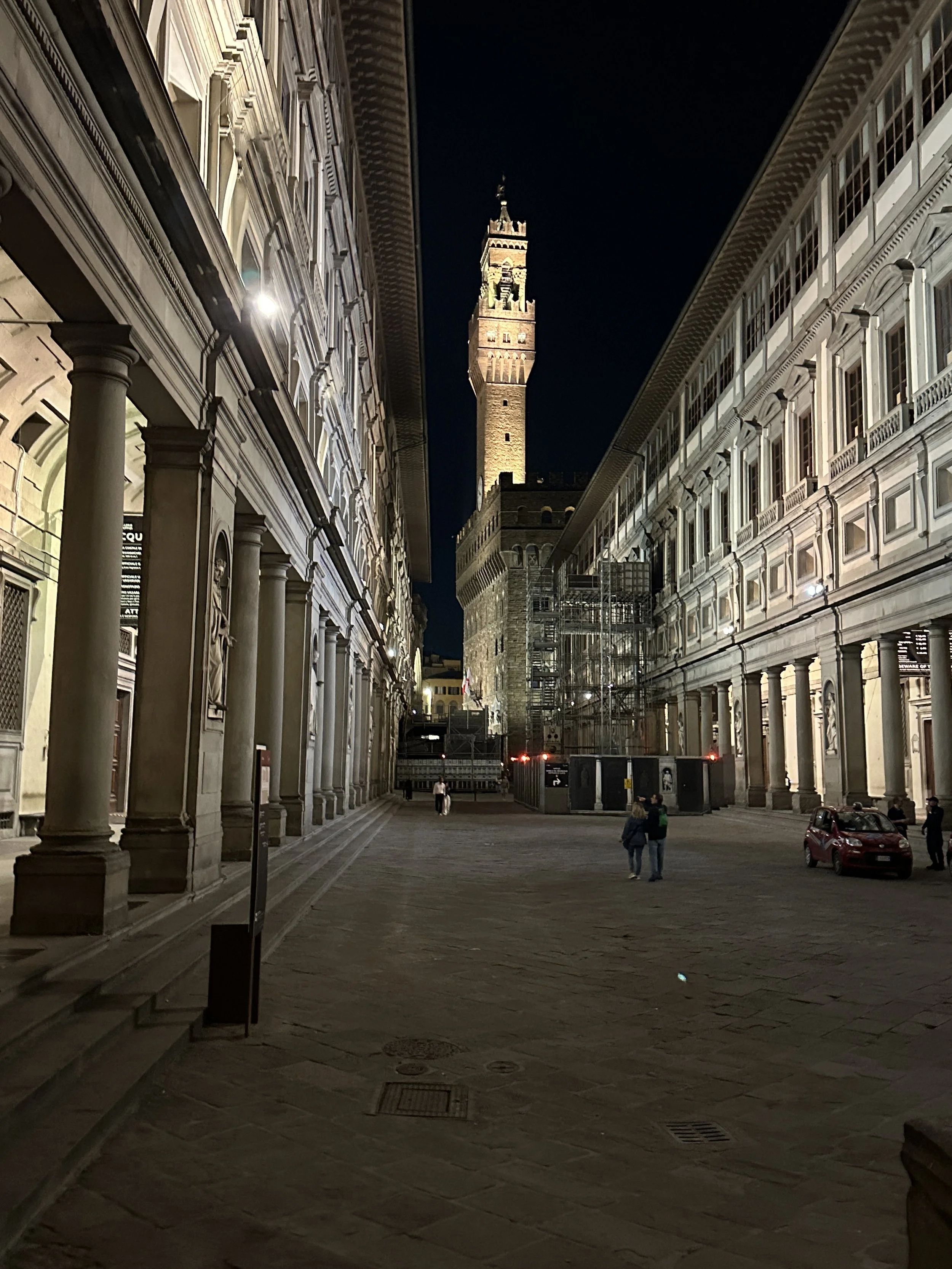
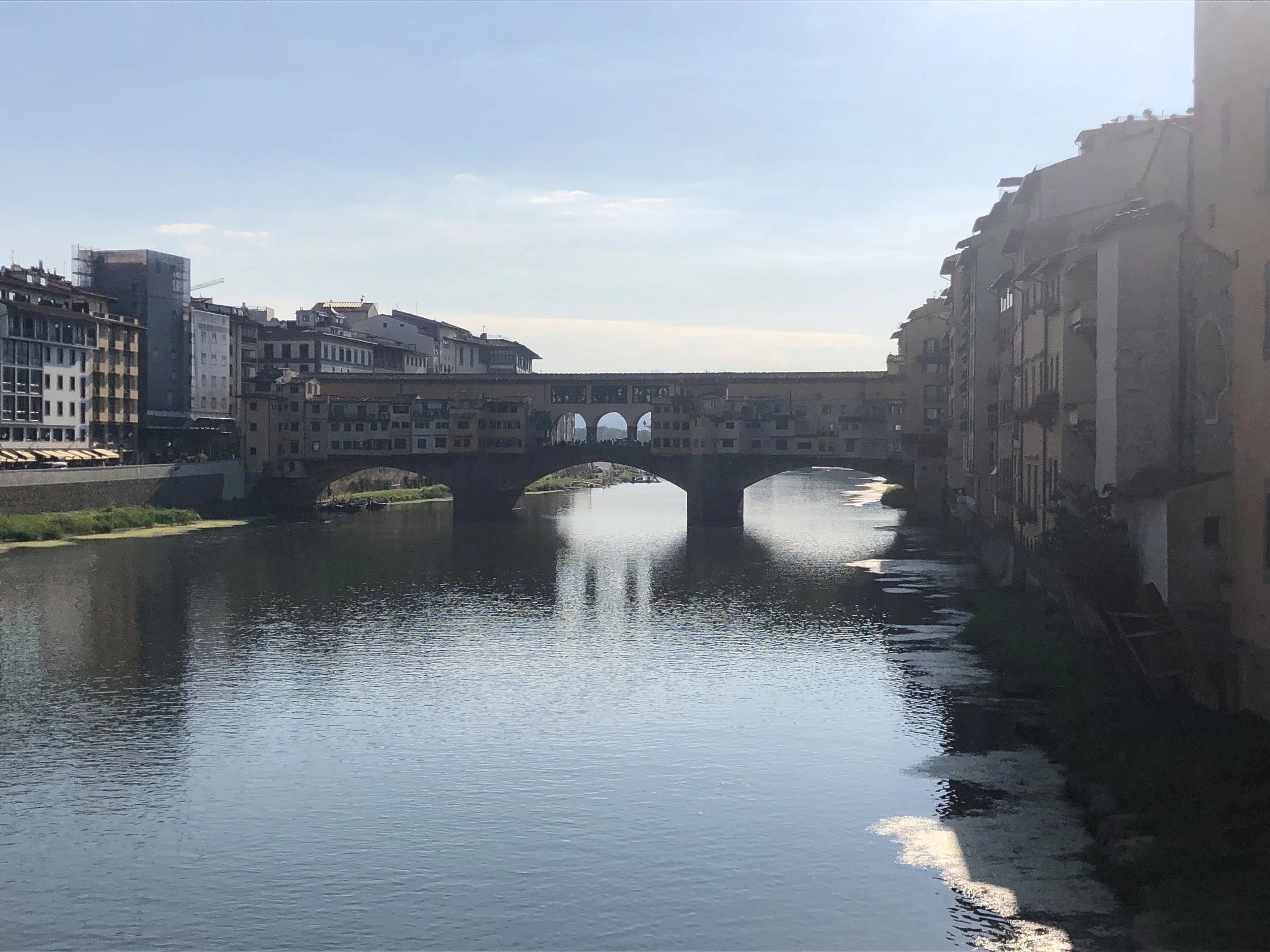
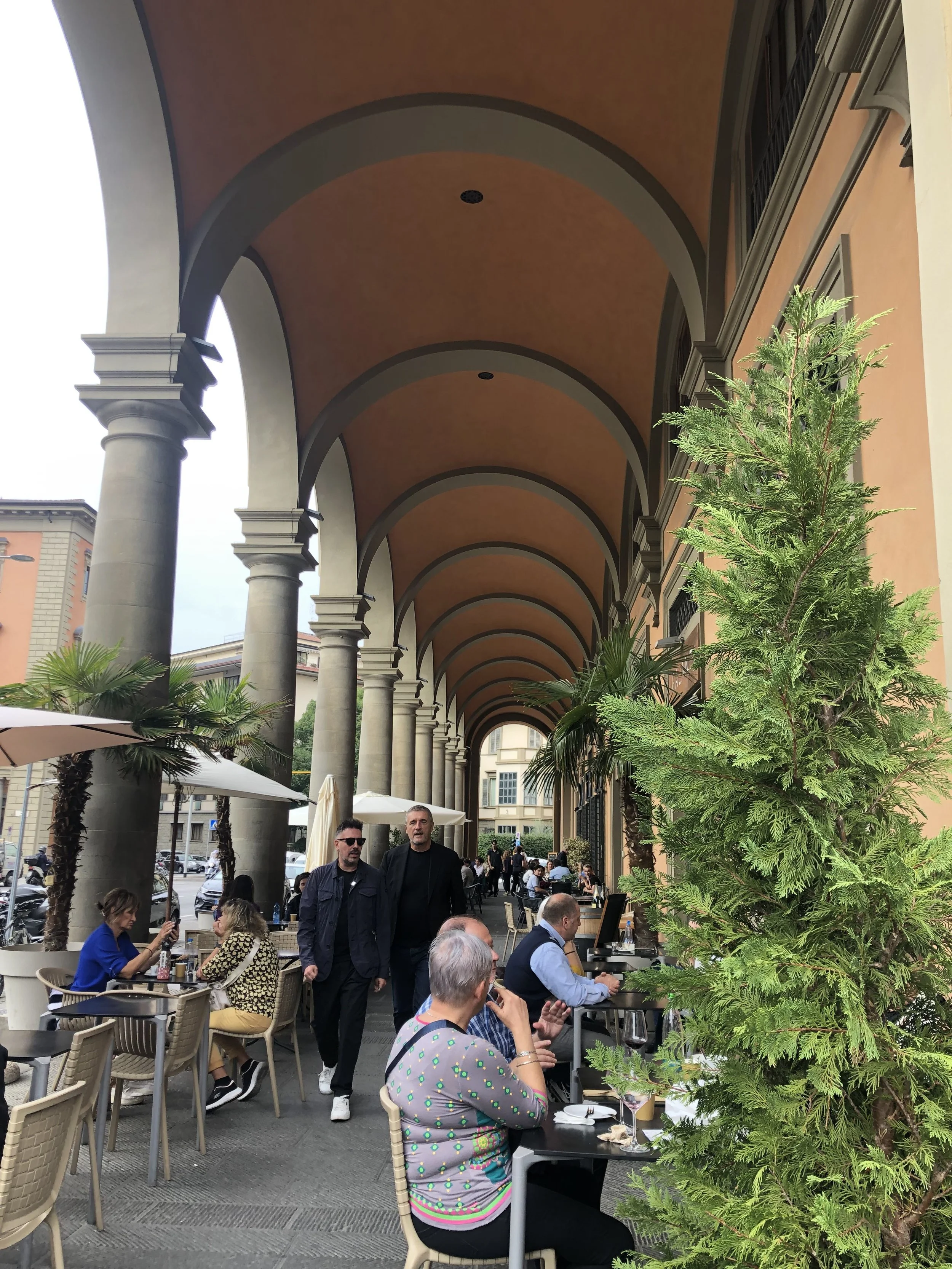
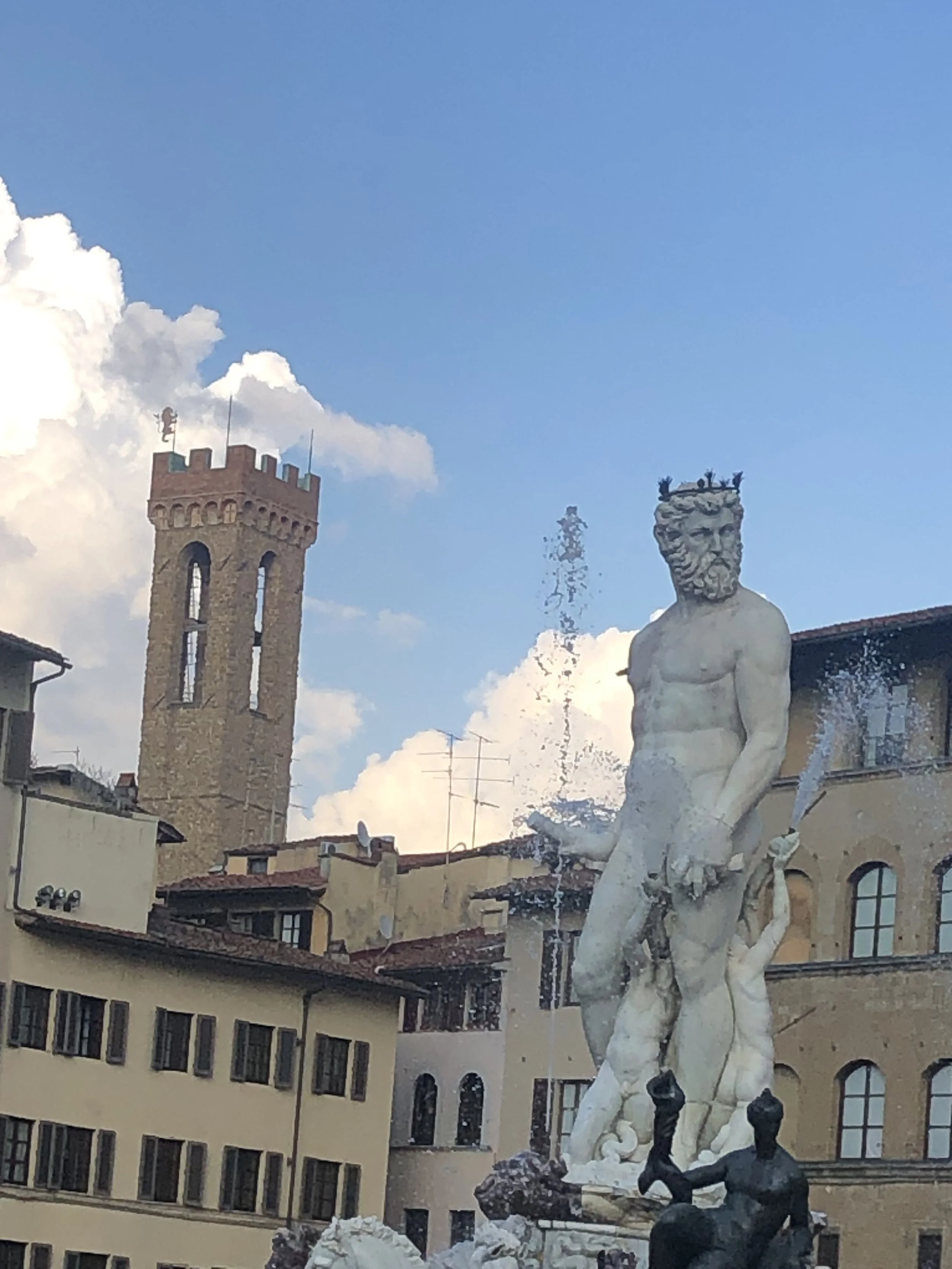
Then a visit to the Leonardo da Vinci museum, to see models of many of his inventions. Bastard he may have been, but a very clever guy. Then an extremely circuitous walk home that almost killed me. SWCBN was not happy with my navigation skills. I blame the very poor connectivity in the narrow lanes between the tall buildings of Firenze.
#19 was another failure. They may have more sheep than people in Sardinia but they cannot cook lamb to save themselves.
No pre-planned activities today, it could be a laundry day. The weather has turned quite cool. Rain is forecast for later in the week.
Finally, a food goal is kicked. We enjoyed a bus ride up the hill to Fiesole, and it was totally worth it. The views are spettacolari. The properties enormous. Hosted by Lorenzo at Vinandro Vino e Desco Molle, the environment was amichevole e accogliente. An interesting and very lively song was being played on their sound system, I asked what it was — “A me piace vivere alla grande” (look it up!). Could be an option for our next xmess concert. The food was very good too — we opted exclusively for the specials of the day. This seems like a good plan for the future. We incidentally learned all you need to know about making wine.
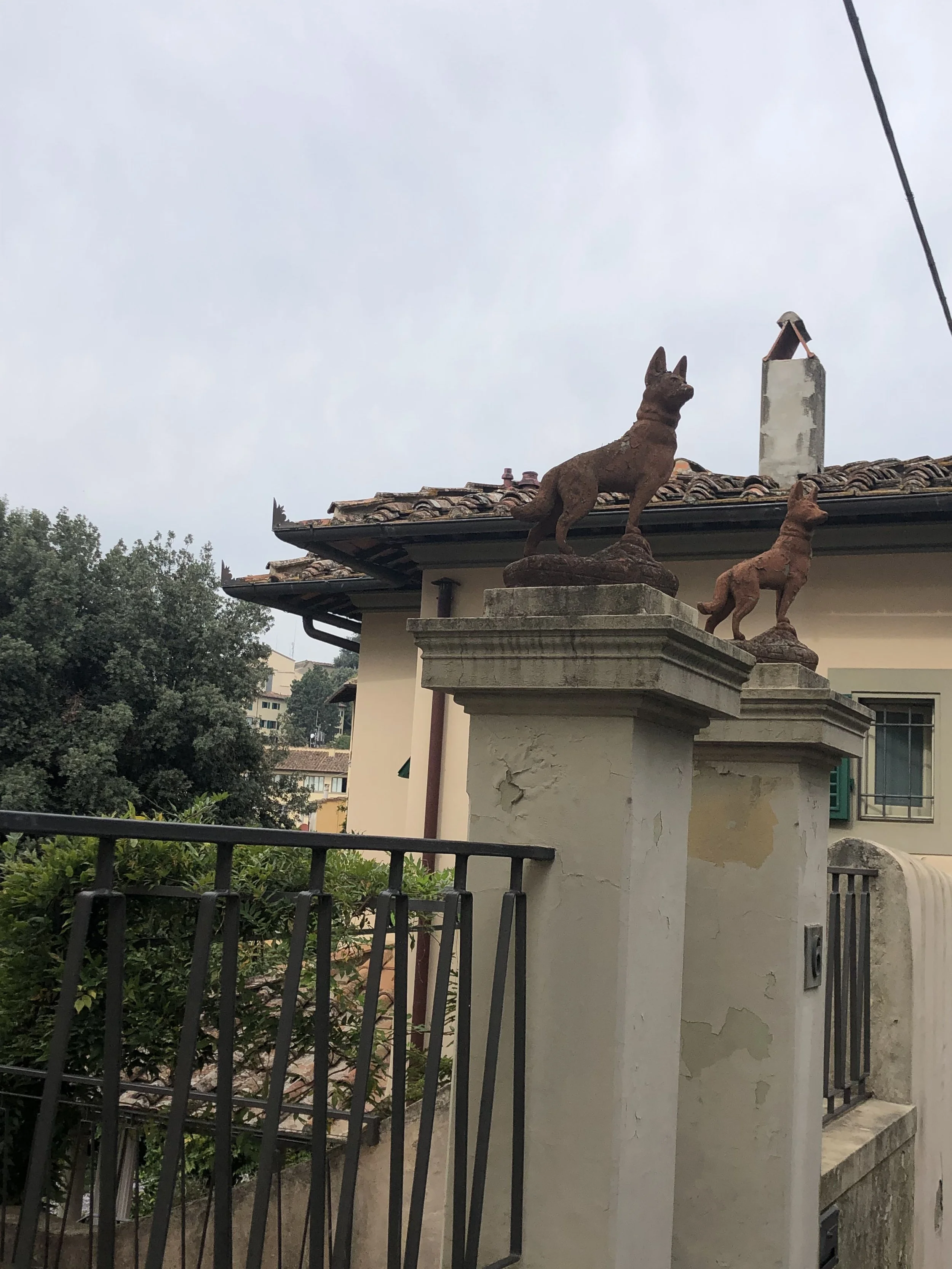
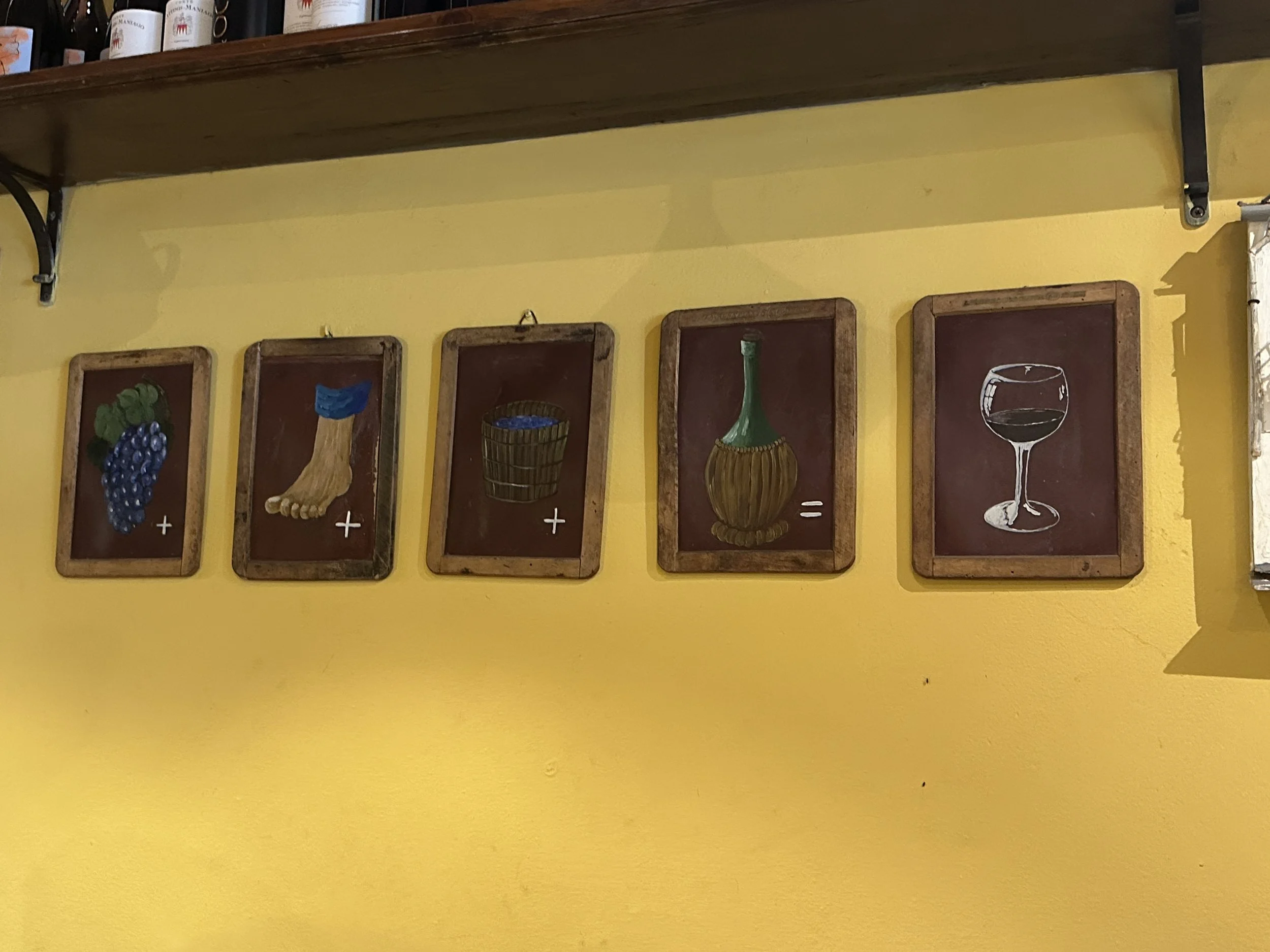
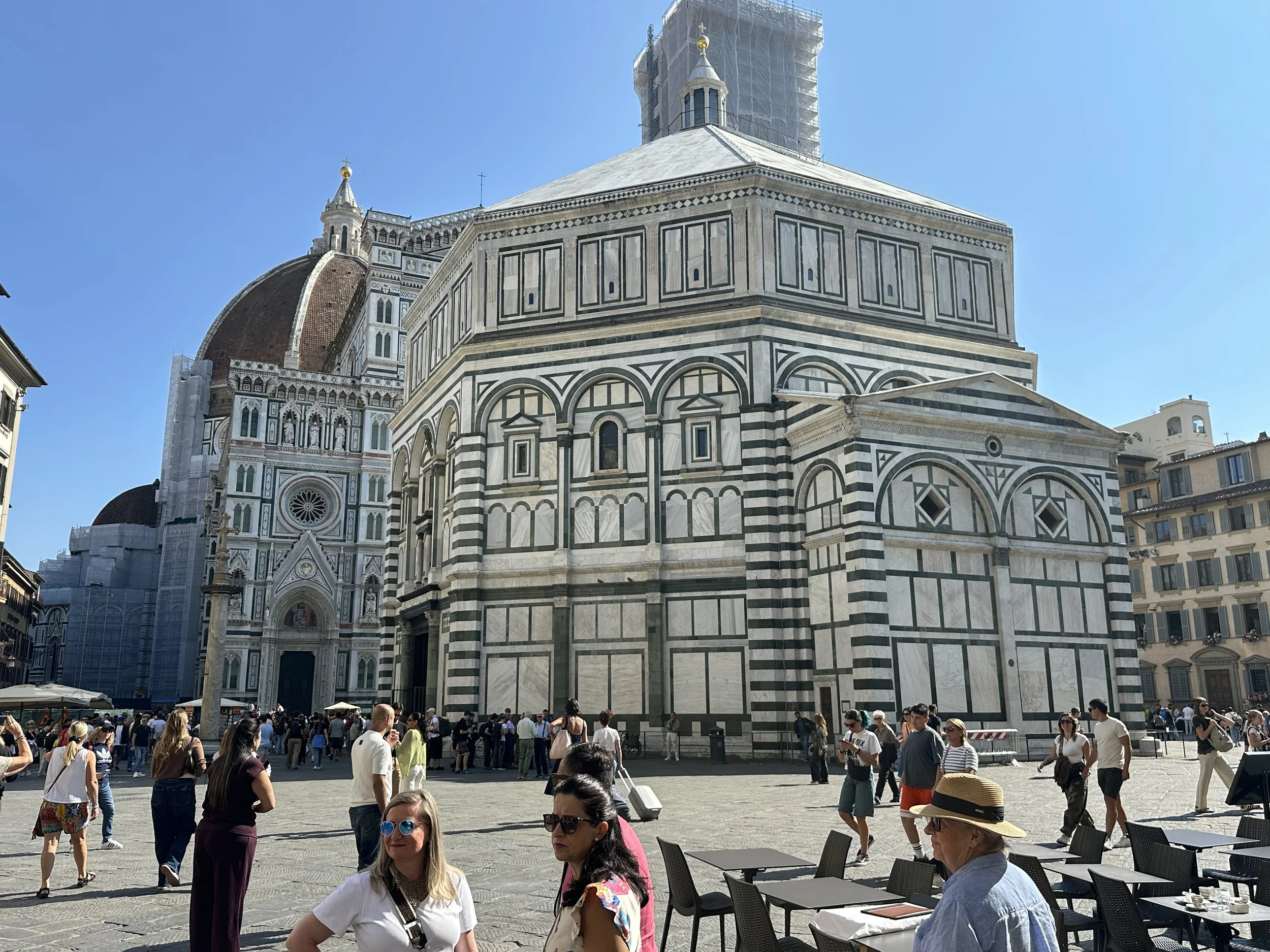
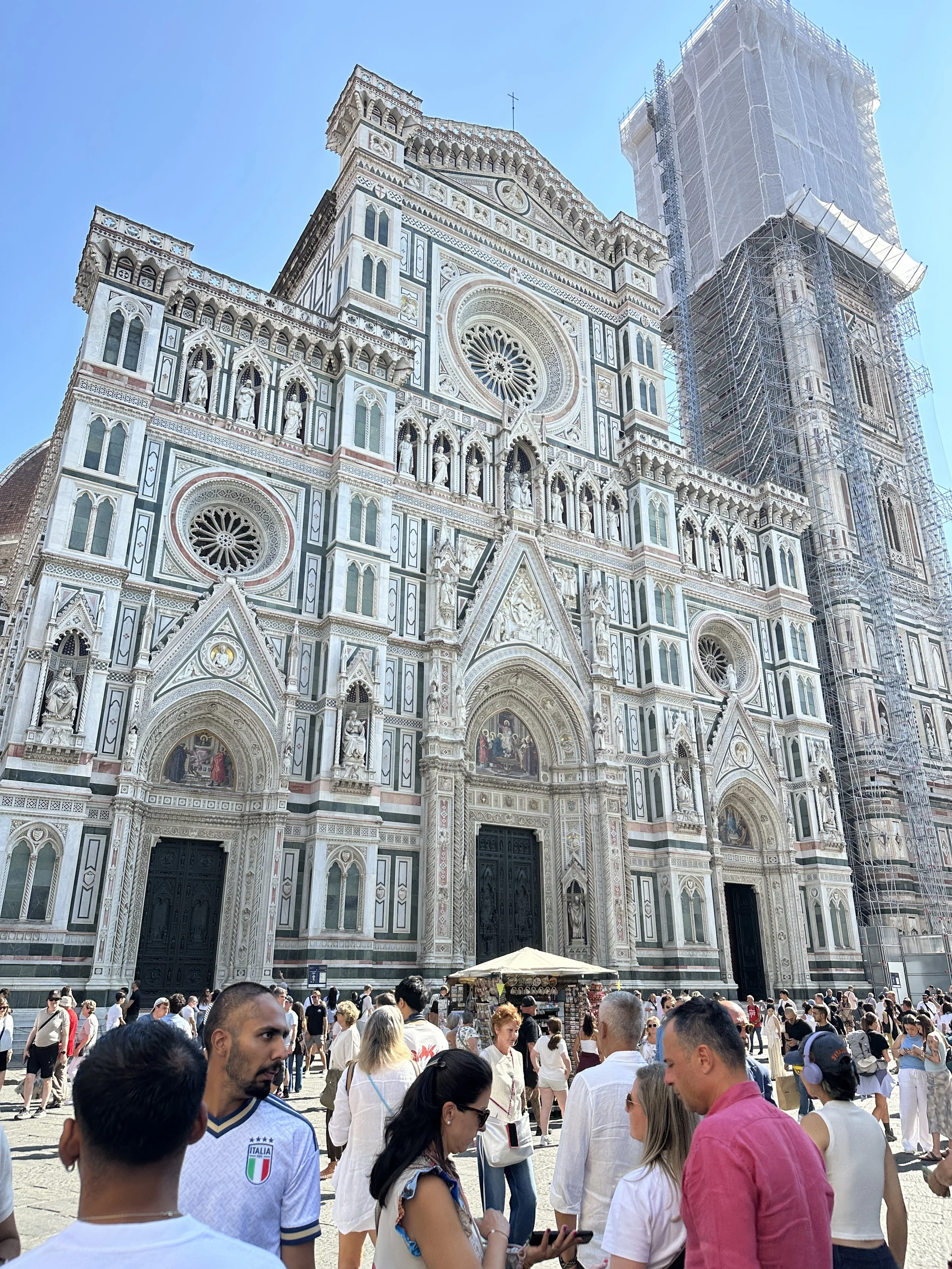
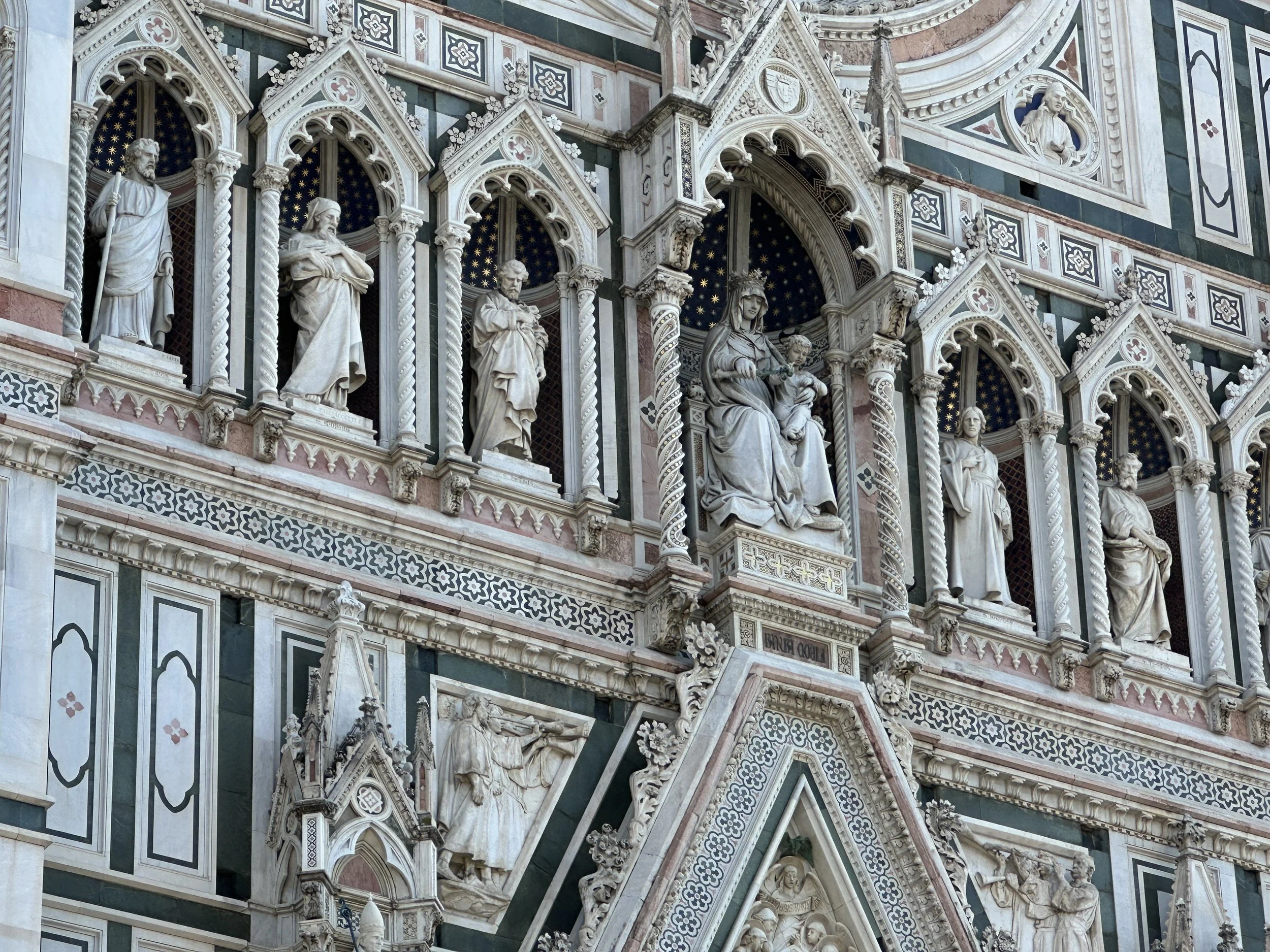
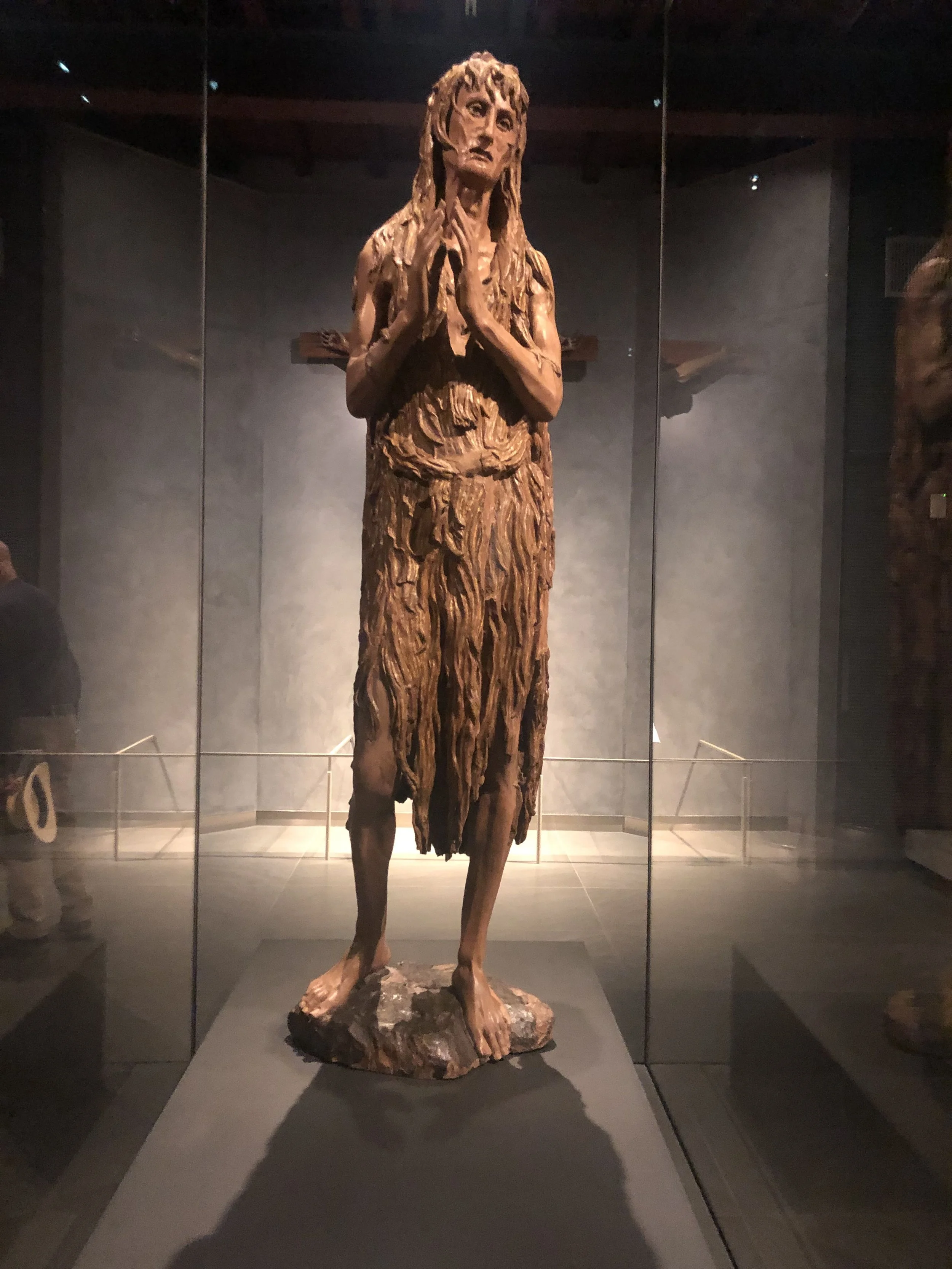
We are so fortunate to have tickets specifying a time to enter the crypt of Santa Reparata, part of the Opera di Santa Maria del Fiore (and the rest of the Duomo complex). “10:30 sharp”. We wandered over just before 10 to find a queue about 100 m long, doors not open, and the people at the back of the line had tickets for a “10:00 sharp” entry. We prayed fervently as we joined the line. Doors opened at about 10:15, and miraculously we were inside only seconds late. The crypt held some very interesting archaeological stuff. The inside of the Dome was spectacular. The outside is far and away the most decorative church exterior I have seen. The Baptistery reportedly has the most extraordinary mosaics on its ceiling (unfortunately covered for restoration) and the museum is closed for maintenance on the first Tuesday of each month. You guessed it! We’ll try tomorrow.
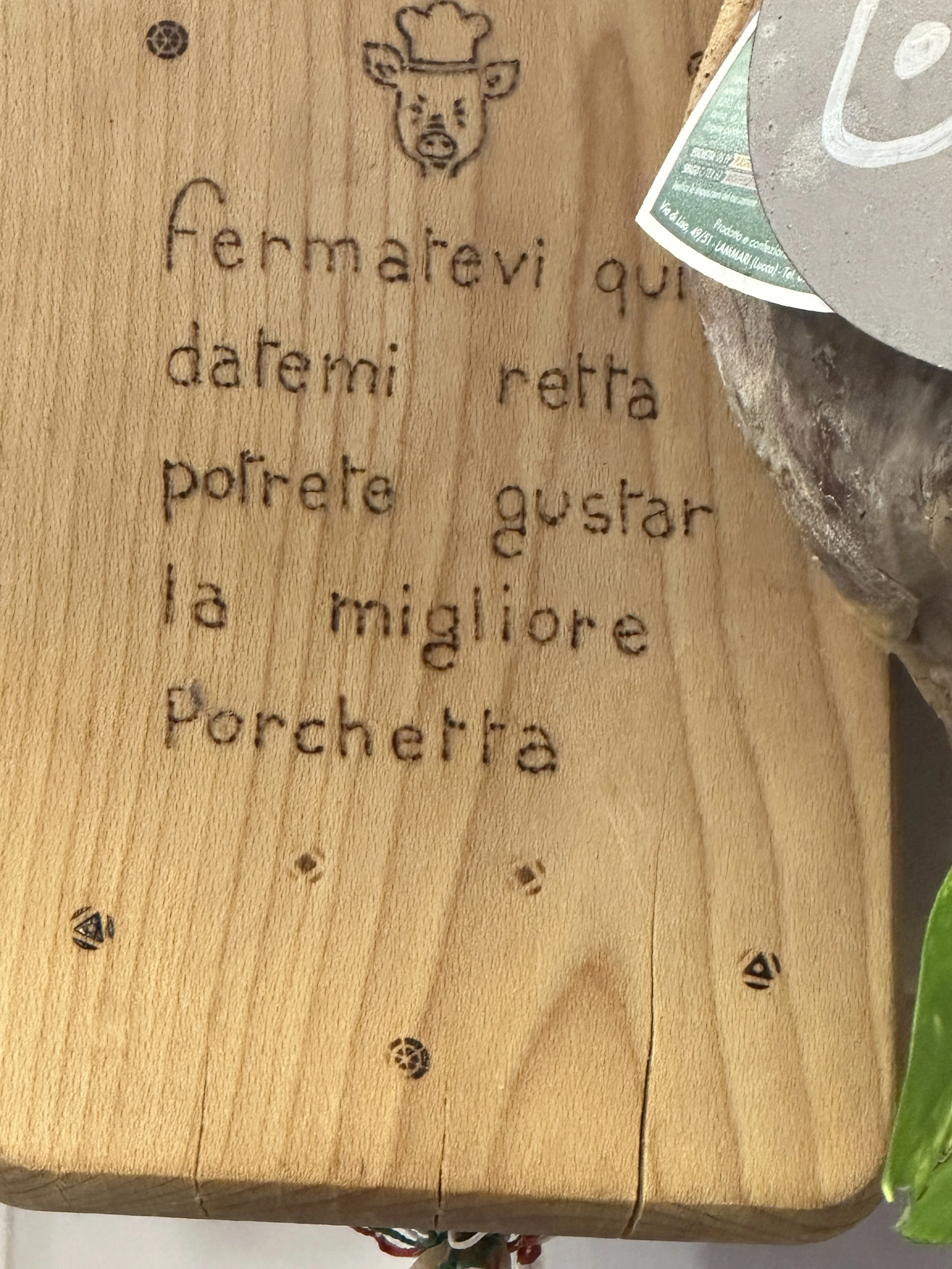
SWCBN felt a bit peckish after the morning’s historical and cultural explorations followed by a swim in the hotel pool, notwithstanding the small panino we had shared at Sergio’s bar across from the Duomo. A quick trip to Florence’s main market (a 10 minute walk from our hotel) to find the porchetta stall we had spotted this morning led us to a very friendly gentleman selling the best porchetta panini you could imagine. “fermatevi qui, datemi retta, potrevi gustare la migliore porchetta” (Stop here—take my word for it—and you can enjoy the best porchetta). Consumed with a small plastic cup of Vernaccia, it could hardly have been better. Serial conversations with three lots of eating buddies, from Wales, Tenerife, and Toledo.
Thirty quid! Why is it always thirty quid? I’d be happy with two baritones, a soprano and a bass, or even just one bass. But no. Always the same marketing. And I can tell you for nothing, you pay more than three tenners. We went to an event with dinner followed by three tenors. We met a young fellow from Maryland who was having a short holiday with his dad before heading off for a longer holiday in China with his best mate. He was a young radical lefty. They exist in America! The tenors were excellent, singing a selection of works from the canon, accompanied by a piano, double bass, mandolin, and an occasional ballet dancer. An unusual combination.
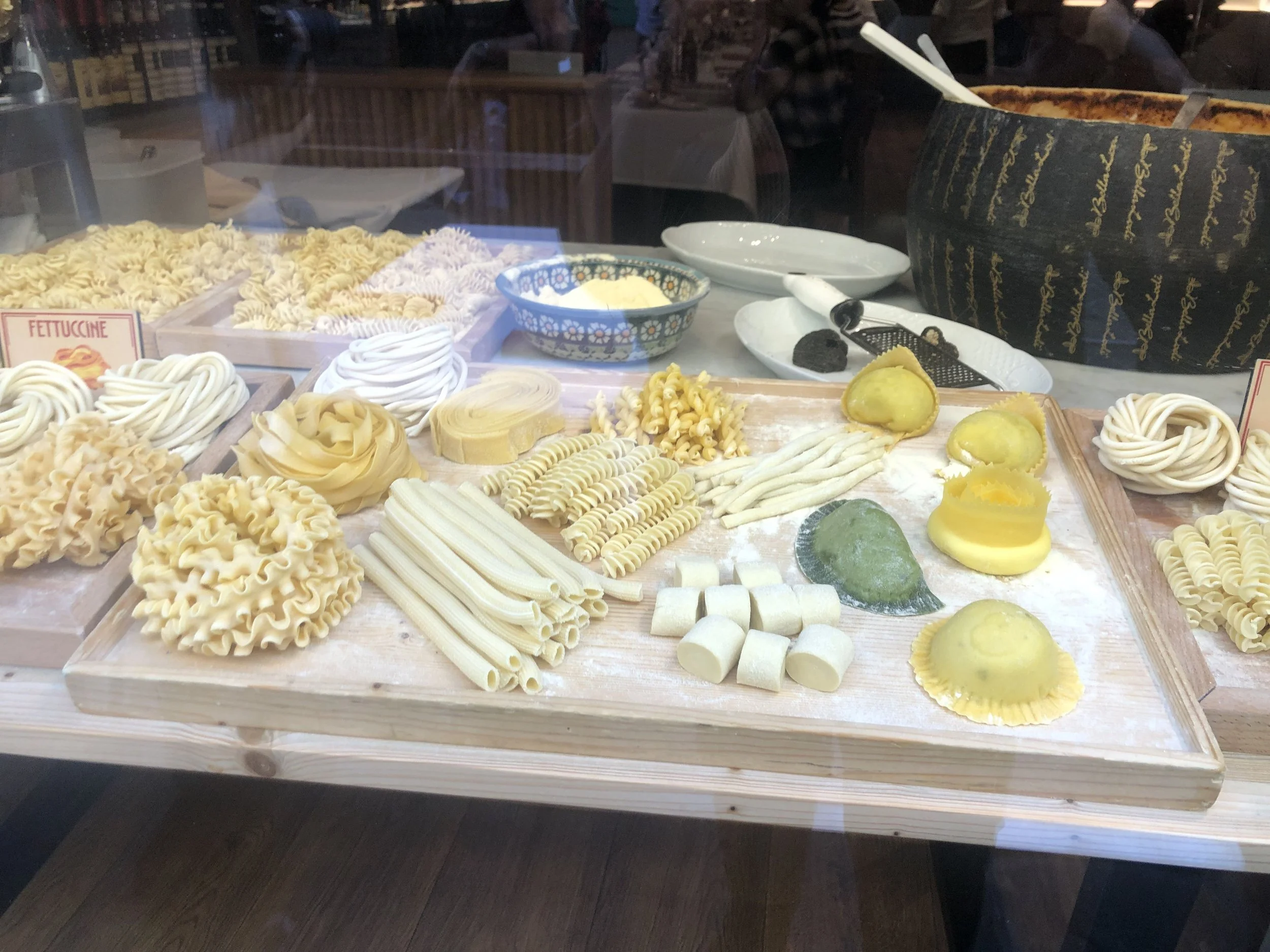
The forecast rain arrived overnight, and is likely to persist at least sporadically over coming days. We’ve had a very good run with the weather. Today, the Uffizi, tomorrow the train. I’m also searching for some pasta-making equipment. We found a restaurant window behind which a woman is constantly making a variety of different pastas that are served inside. Lunch there was so good we will return for our final Firenze dinner. The Peruvian waiter appreciated our Italian language efforts, and offered us a 30% discount for a return visit. We enjoyed our second go at Bistecca Fiorentine. Again, enough to give us leftovers tomorrow on the train.
Ravenna
The train from Firenze was the fast Trenitalia Frecciarossa from Rome to Torino (@ around 300 kph). About 35 minutes to Bologna (with luggage storage) then a slower regional train (@ 100+ kph) to Ravenna (no luggage space). We chatted to a very nice solo traveller from Darwin.
Lovely to catch up with Mogens and Kirsten again (friends from Copenhagen) and begin catching up on each other’s news. More over dinner, which Mogens has booked. We enjoyed some local dishes, including the local Emilia-Romagna pasta about which there is a legendary tale of its shape and texture choking unsuspecting priests. Another Romagnolo pasta speciality, cappelletti, was delicious. Like a slightly oversized ravioli. Local wines also, made from Albano grapes. Excellent, and distinct. Most of the wines we have tried on this trip were made within 30 or so kilometres of the restaurant. Always excellent. Another common local food is Piadina Romagnola — made from a large thinly rolled circle of pasta dough, cooked on a solid grill, making a kind of pitta that is then either cut into wedges for table bread, or can be folded around filling (chopped porchetta, cheese, etc).
We learned something very useful and surprising from Kirsten, who to all appearances is the most gentle and kind person you would ever meet. I had been caught off guard by the ubiquity of an unfamiliar kind of electrical outlet. Not the ‘standard’ two-pin European outlet, but one with three aligned holes. Kirsten’s solution was to ‘use violence’. It seems to have worked, so that I can usually force the two-pin adaptor into two of the three holes.
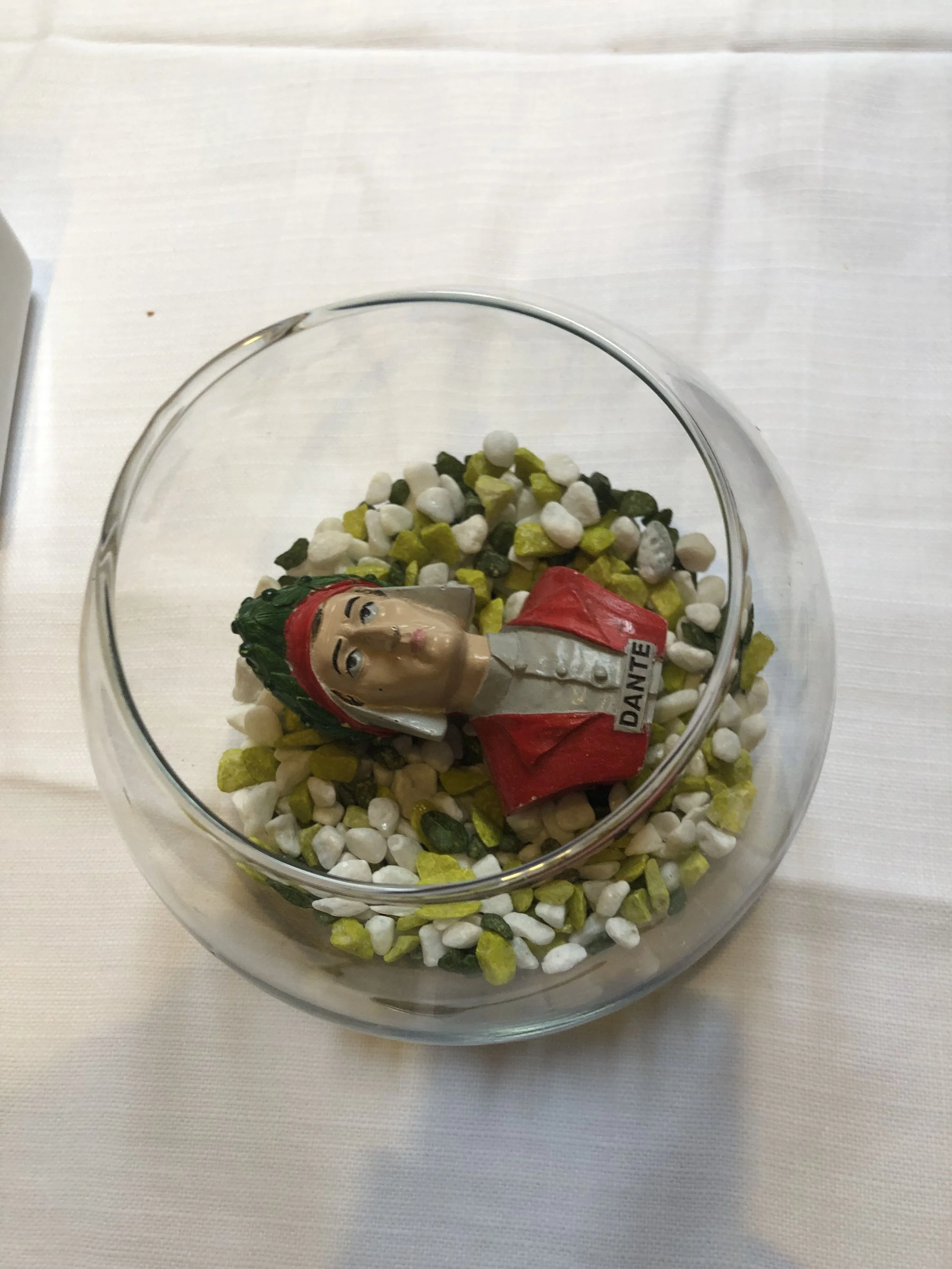
At breakfast, each table is decorated with a little sculpture of some famous local place or thing, in a small terrarium. Our table had Dante’s bust, lying down. Kirsten stood it up. The waiter (at first I thought he was Manuel, but it turned out he was more like Basil) came over and laid it down again, explaining in Italian that Dante is dead.
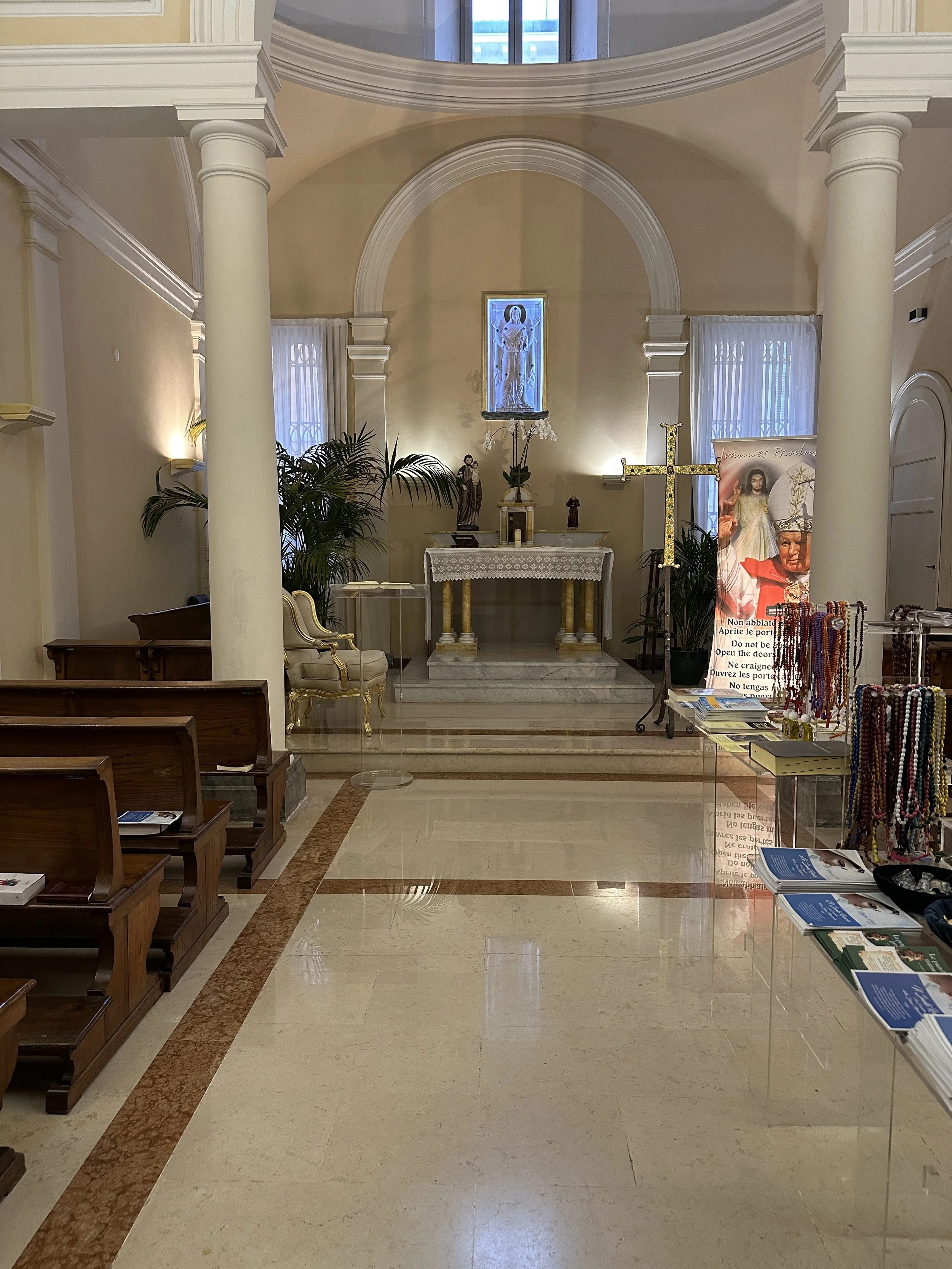
The hotel was once an orphanage, and for reasons as yet undetected, the renovations left a small chapel completely intact. It’s right next to our room, so I can pop in with barely a deviation to my path.
Charlotte’s recommendation about the best mosaics (possibly in the world, at least that she had ever seen) at the Mausoleo di Galla Placidia came pretty close to the mark. After the early Christian church split into its Eastern and Western divisions, early in the fifth century AD the Western Roman Emperor Honorius moved his court from Milan to Ravenna. For this reason, the quality of the mosaics here is spectacular and is Ravenna’s main claim to fame, supported by UNESCO’s imprimatur. Pretty crap nightlife, however, unlike those good old days. We spend our days looking at old stones, have dinner, then go to bed.
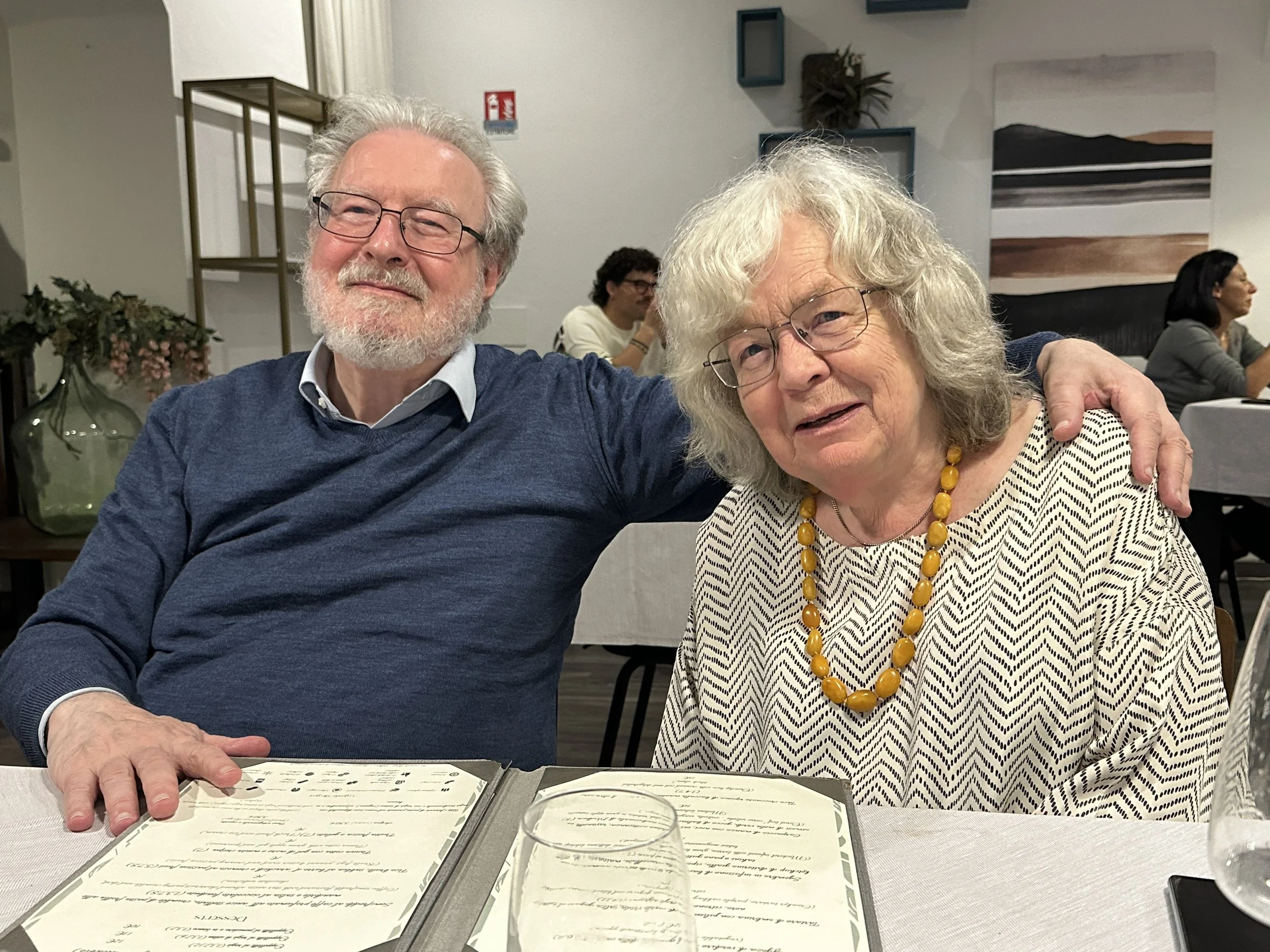
Kirsten told a funny story at breakfast this morning, in the context of how to order a coffee in strange places. She was in a cafe in Vienna, where there was a very extensive coffee menu — not only whether you wanted a latte, espresso, americano, etc, but also where the coffee had come from and other characteristics. After spending some time puzzling over her order, and telling the waiter what she wanted, the waiter went to the bar and said ‘one coffee’.
I’ve caught a cold, which causes me to stay in bed for a couple of days, and I’m not eating.
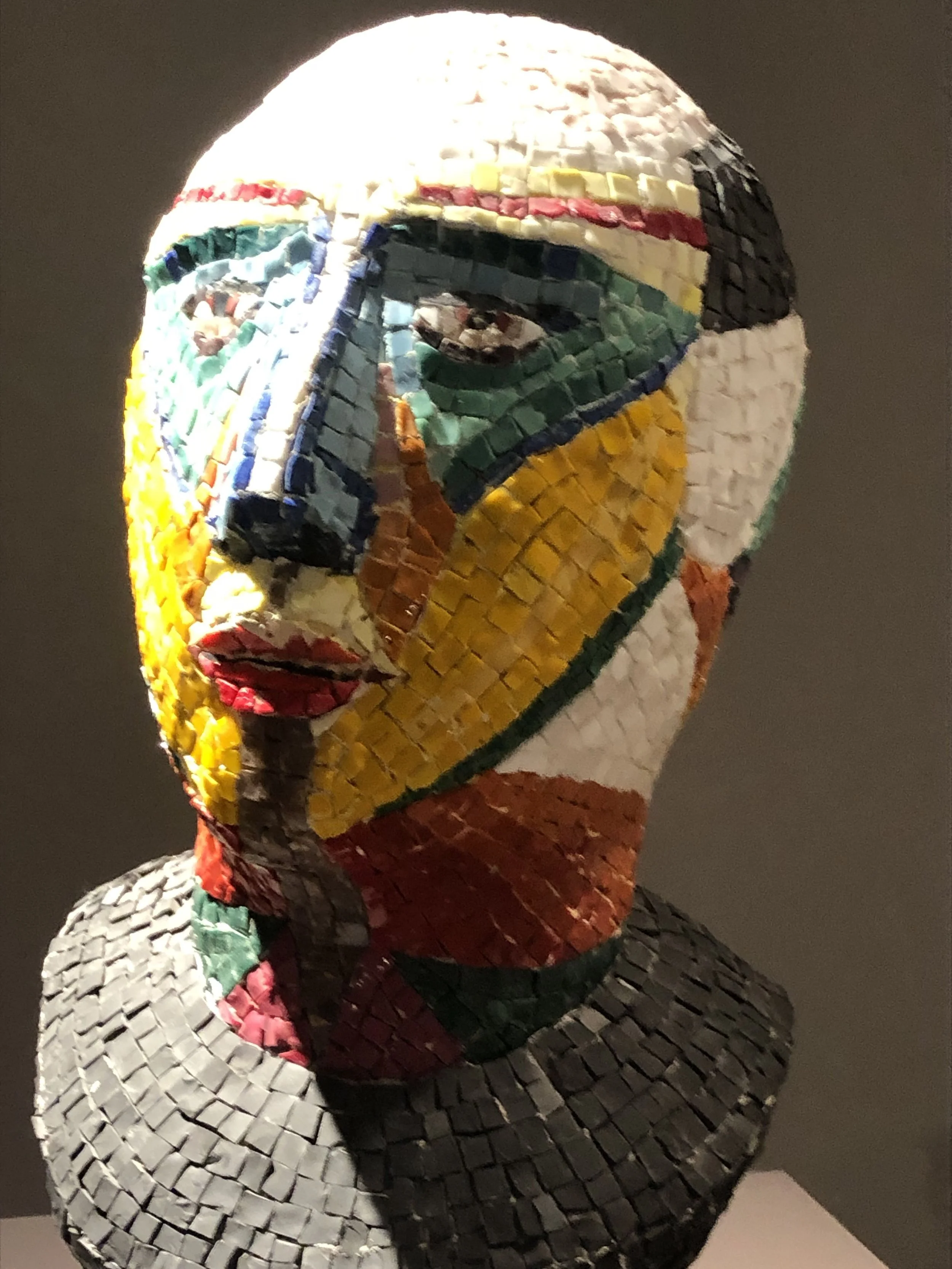
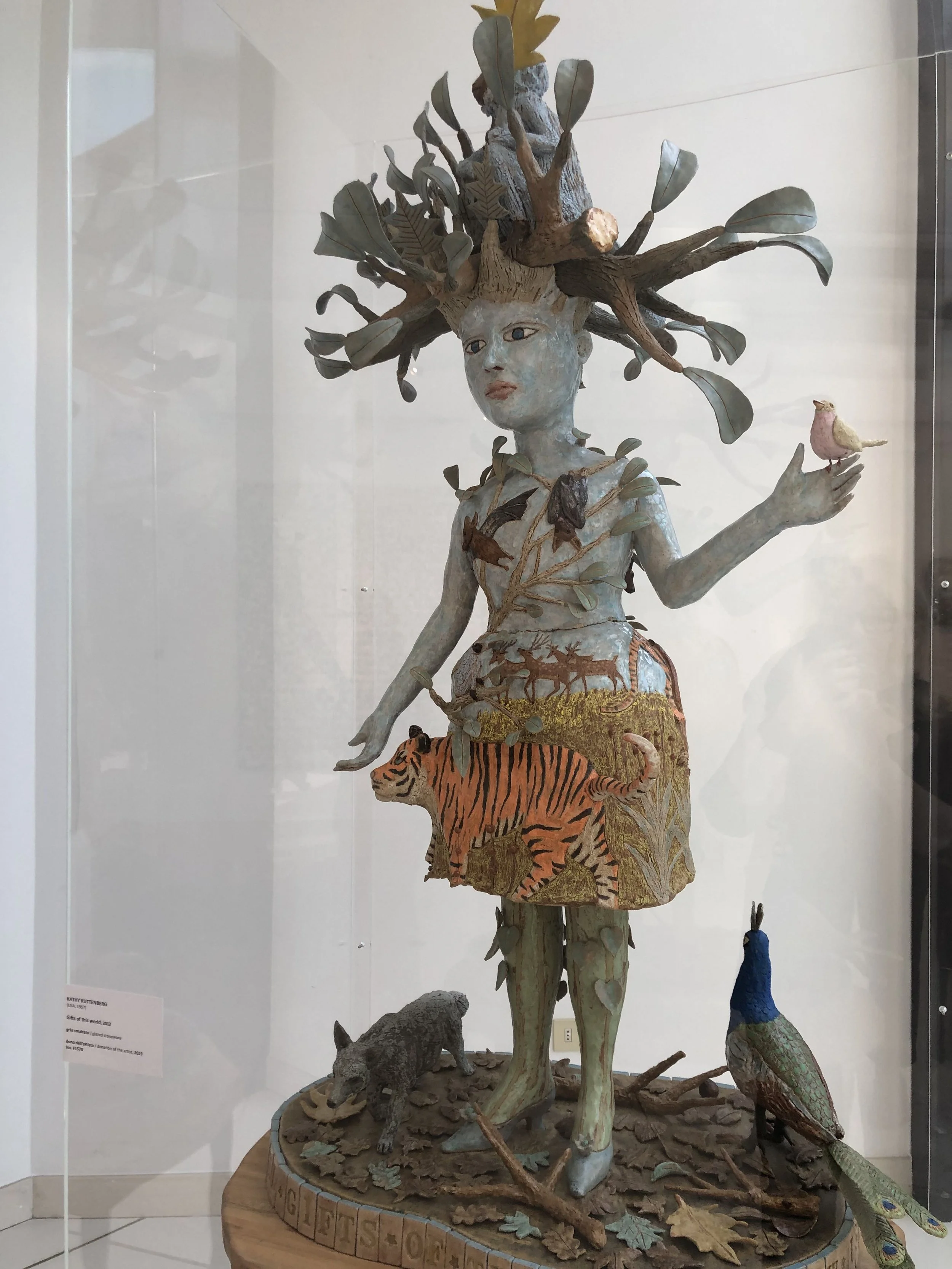
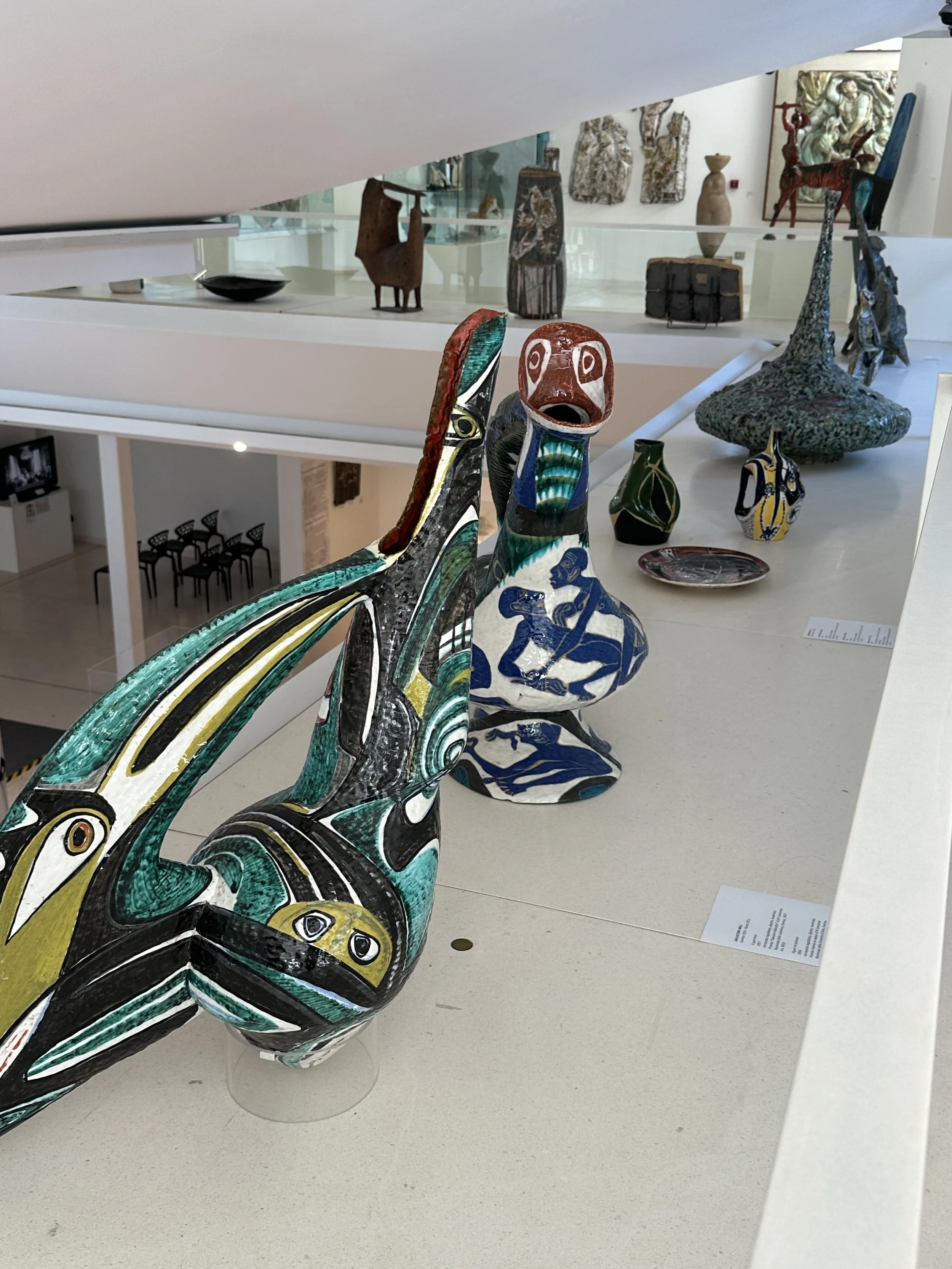
A day trip to Faenza, a village about 35km south, to check out the special artistic ceramics known to the informed as ‘faience’. The bus ride there took us past small but intensive agricultural businesses, solid farming country growing grapes, fruit trees of various kinds in the rich soils of the Po Valley. Mogens and I spent the time discussing each other’s most recent maths education-related papers (his on the difficulties students have the the concept and use of zero; and mine on student disengagement). We spent several hours in the Museo Internazionale di Ceramica, breaking for a very nice lunch at a local osteria. The ceramics were extremely varied, covering periods from the first evidence of the craft, to modern day works. It was amazing, particularly for anyone interested in ceramics.
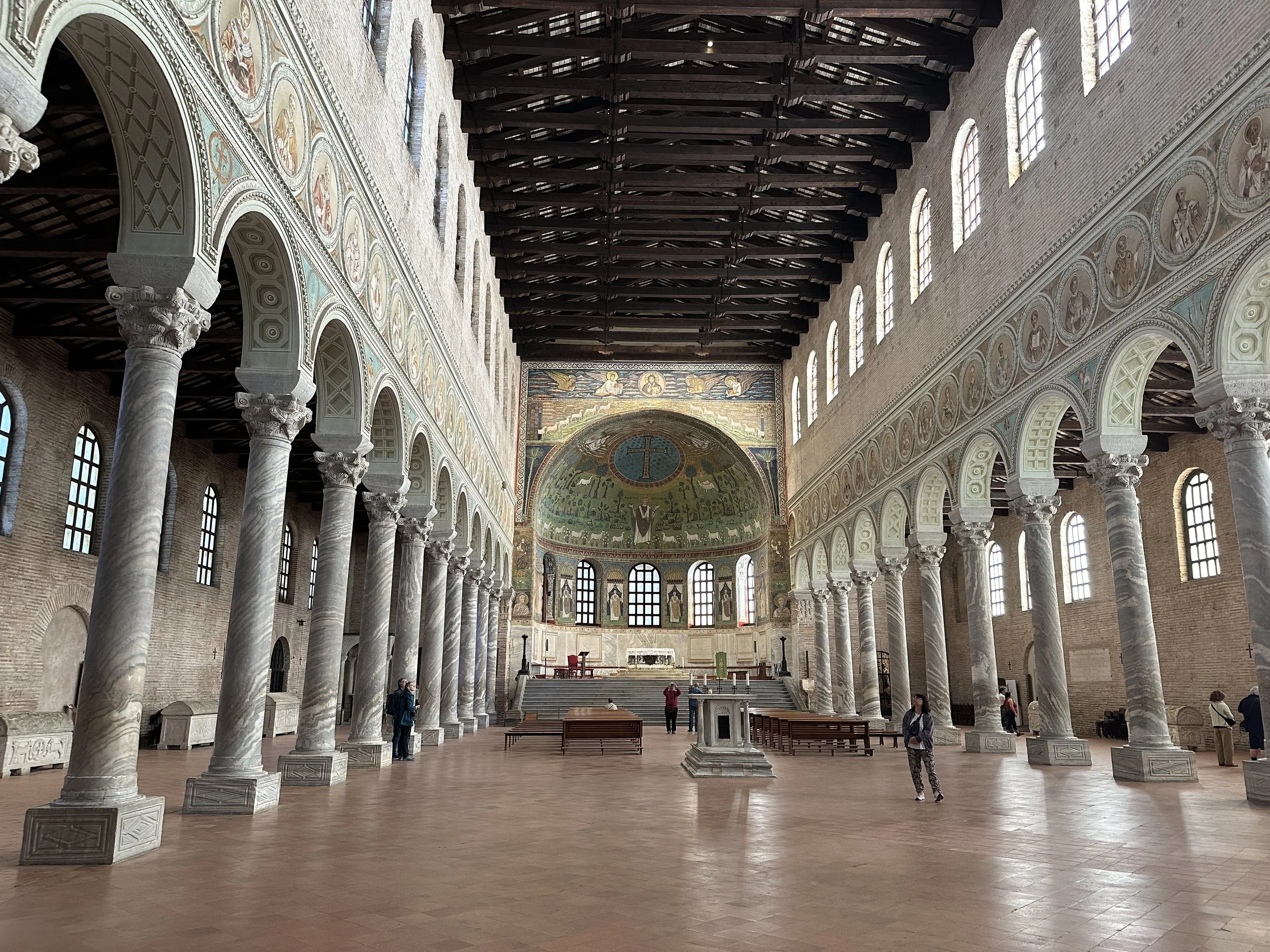
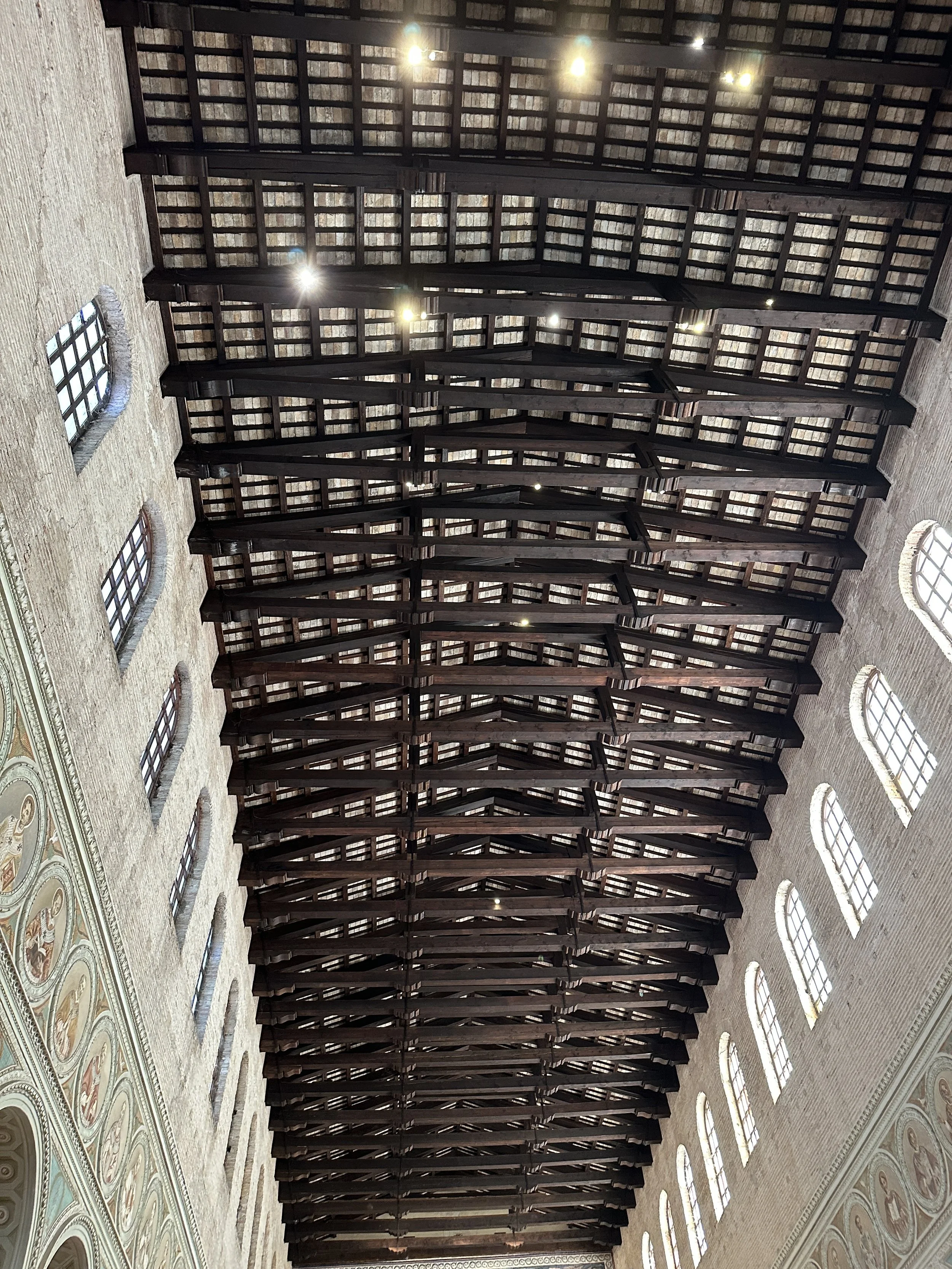
Last day in Ravenna, we took a bus to the outskirts of town to a village called Classe, to check out the mosaics at the Basilica di Sant’Apollonare in Classe. A huge church with another fabulous collection of mosaics and marble columns. Over the road was Ristorante Albergo S. Apollinare, where we stopped for a coffee etc. A surprisingly large number of tables in several separate sections of the restaurant, one section of which all had ‘riservato’ signs on them. We thought it might have been for a tour group, but a few minutes later a bunch 9-10-year-olds piled in, guided by their teachers, and all sat down for lunch. It was amazing. Teachers with quite some effect walking between tables and saying ‘shhh’ to the kids.
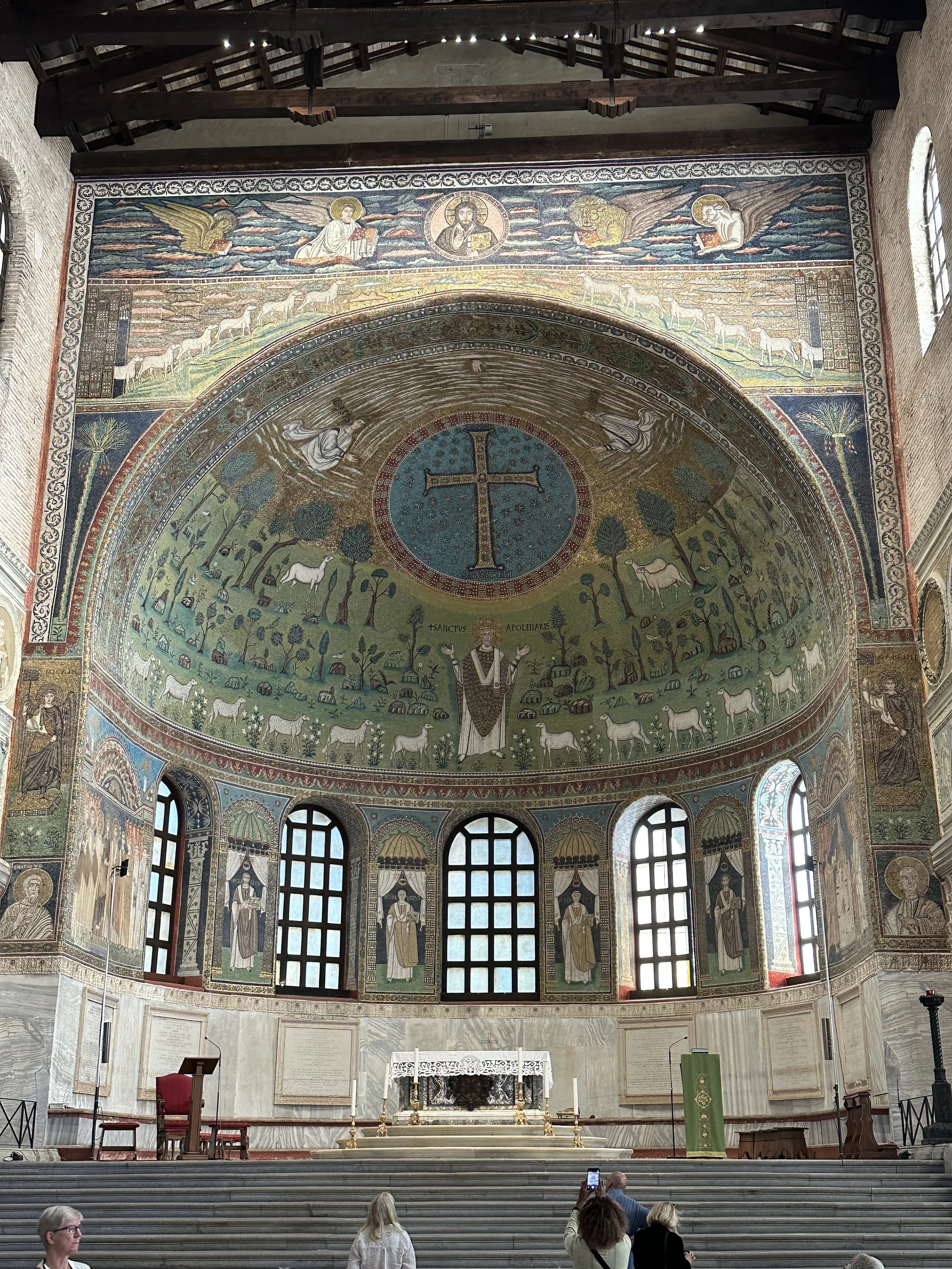
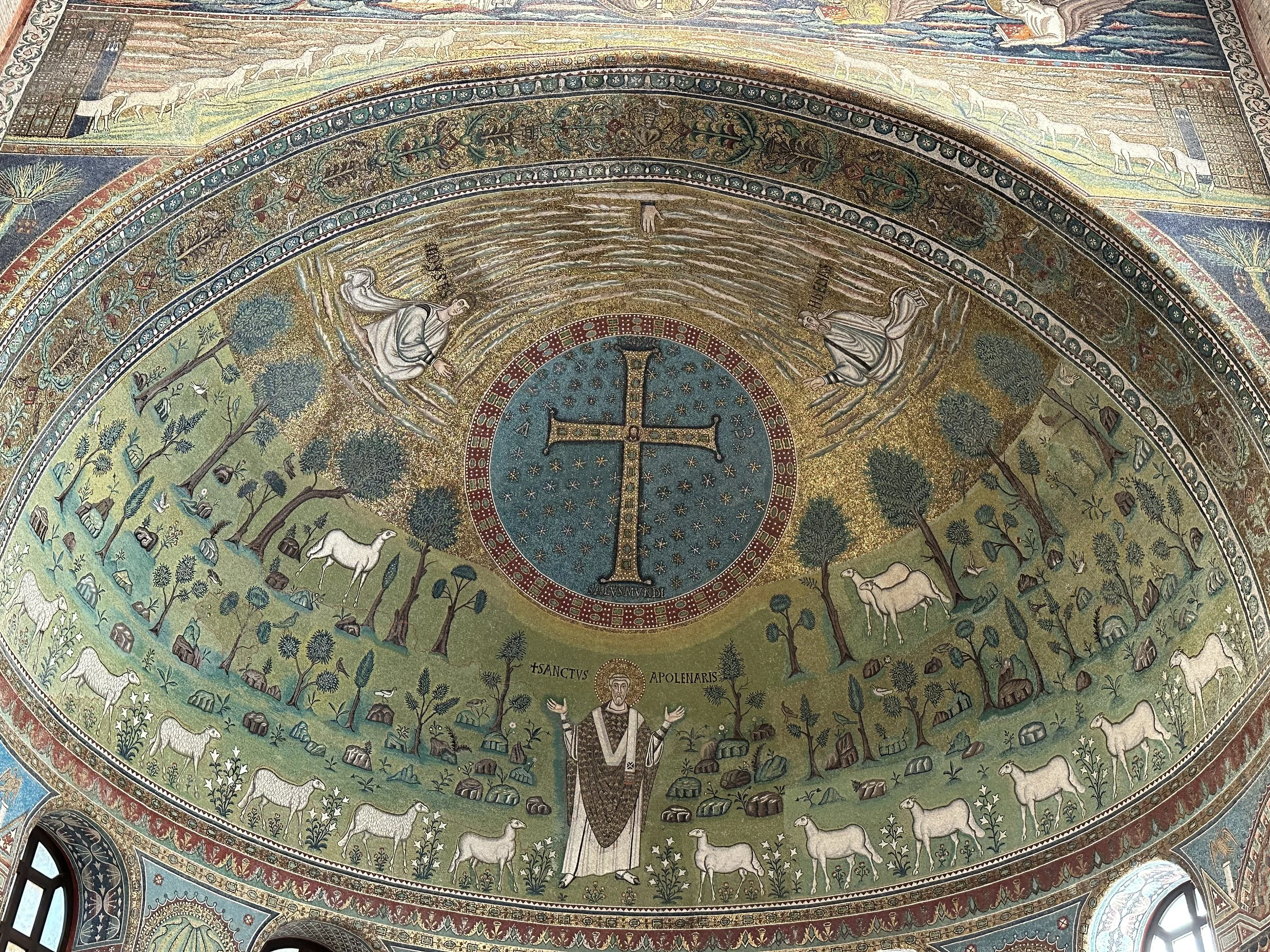
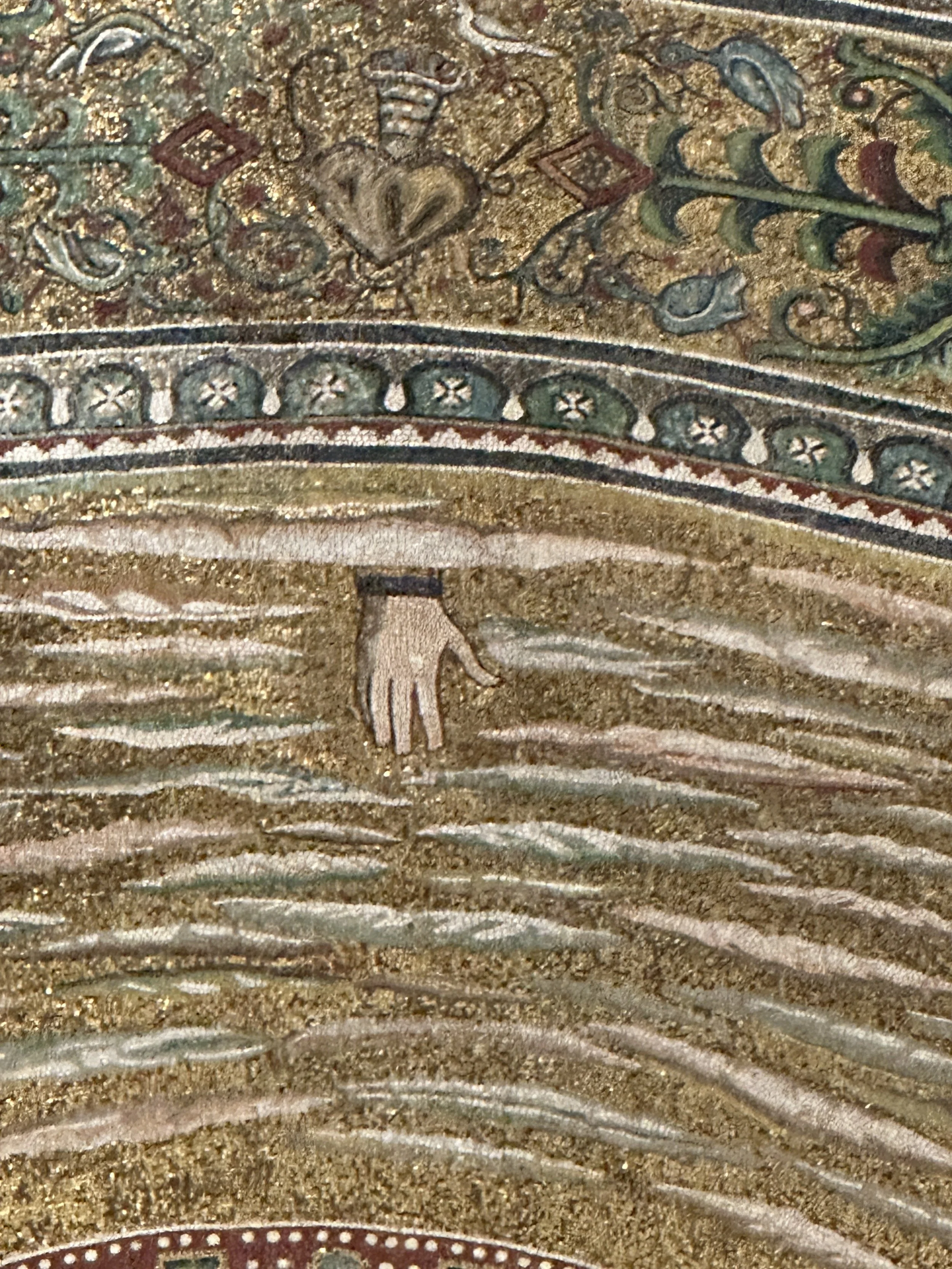
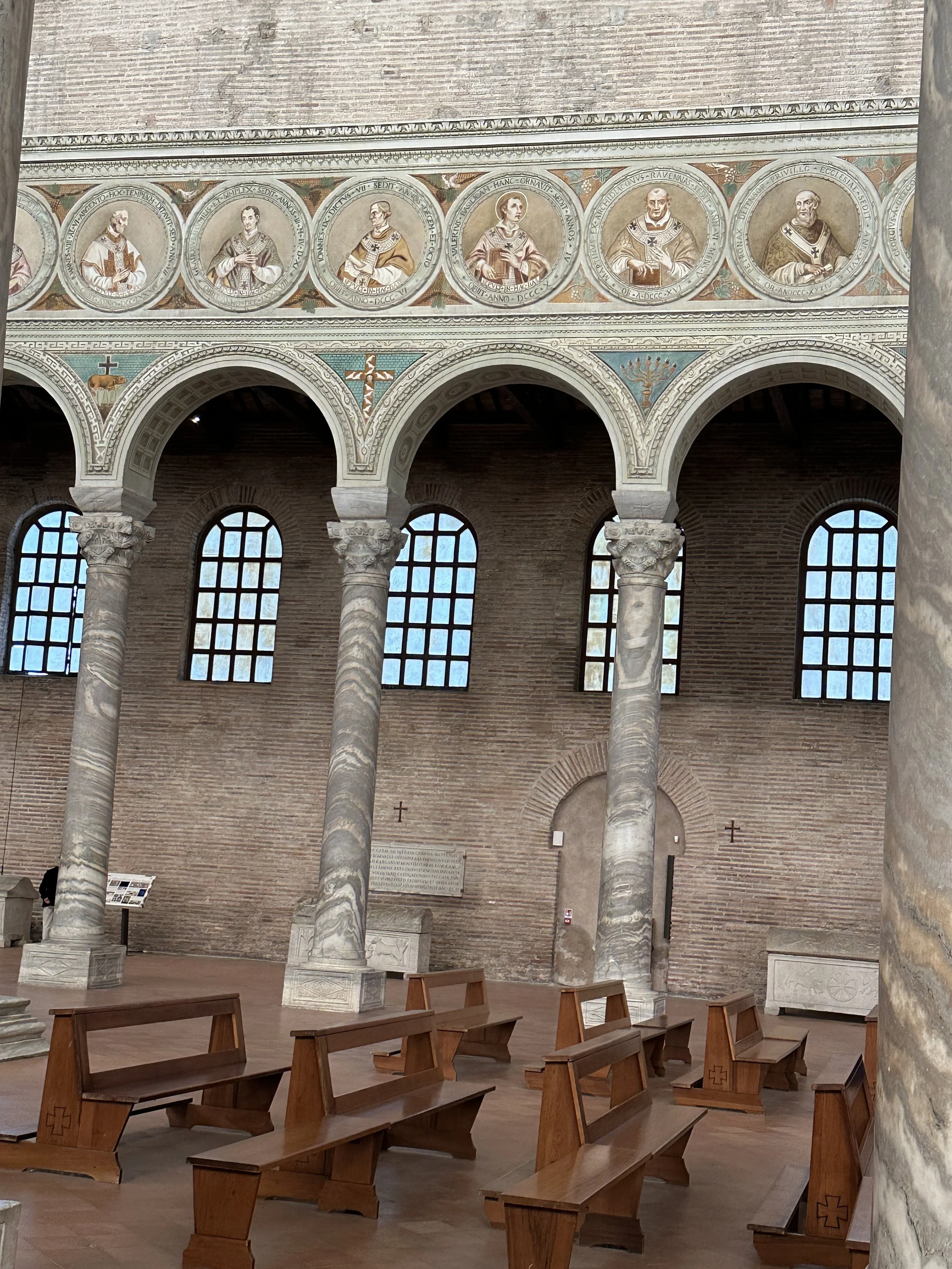
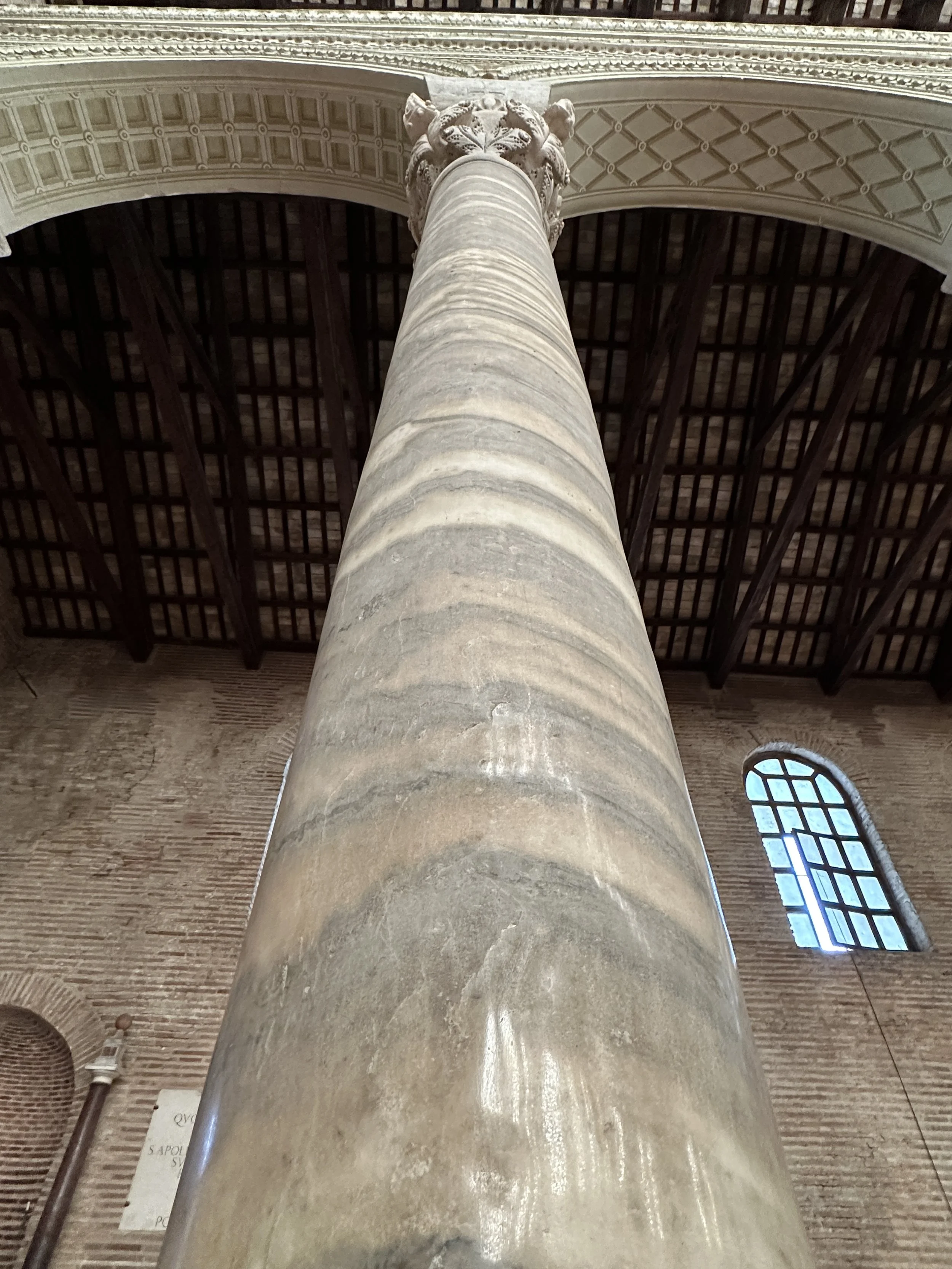
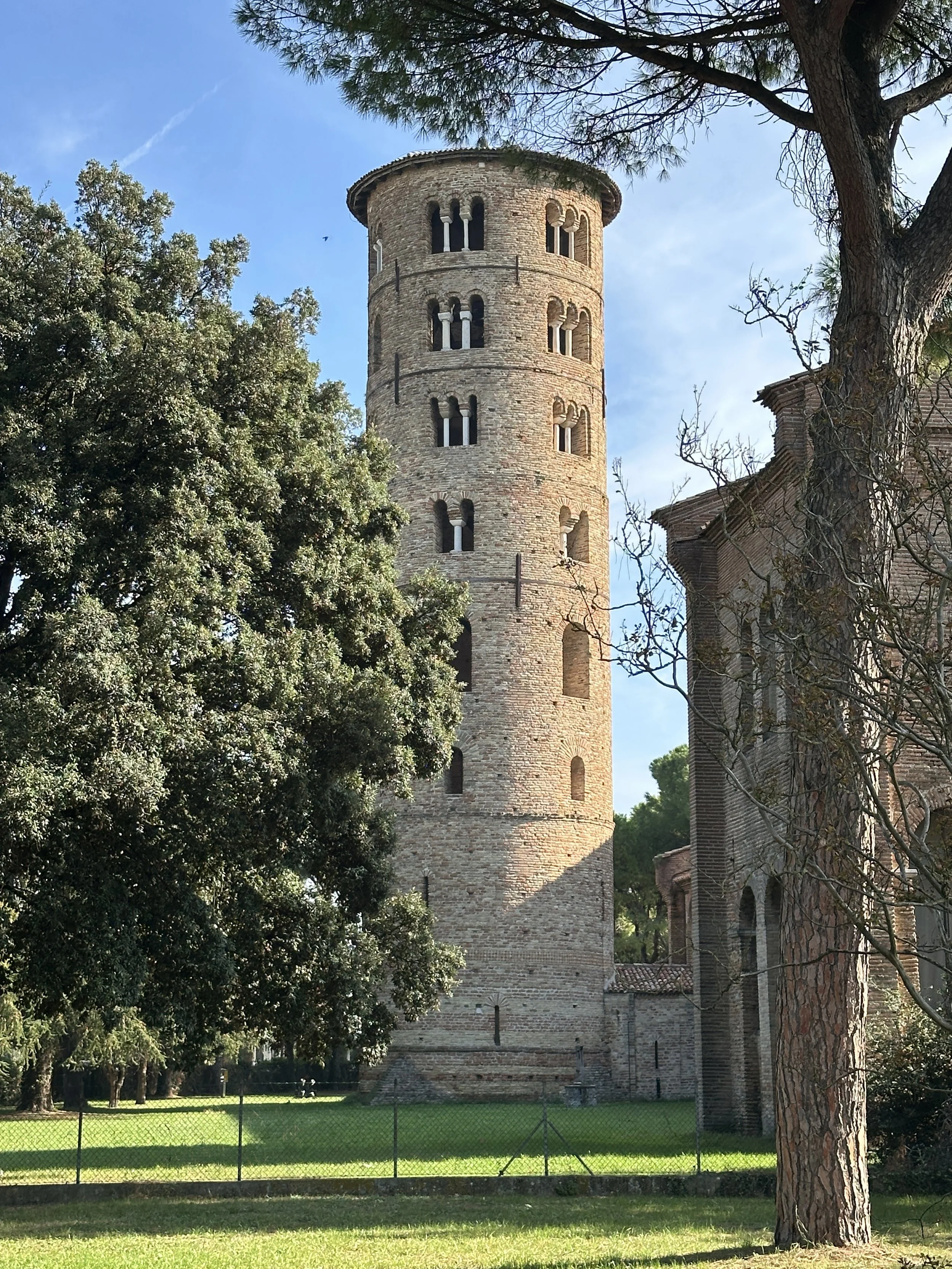
Back in Ravenna we found what looked like a student haunt. There seem to be lots of foreigners studying here, probably at a local branch of the University of Bologna (oldest in the world). This place, called something like Brunch Club, served toast with various options on top like avocado, egg, salmon, chicken, bacon. Something simple and small, that contained no pasta, which suddenly made SWCBN feel homesick. Time for a video call with our three little ones I think.
And a final Ravenna dinner together with our friends at a place just around the corner that has become a favorite. A true local, very few tourists, lots of families dining out, with pizza and a good range of other dishes from the Italian oeuvre. The table next to us had an extended family with two little kids, maybe 3 and 4. They were being entertained by watching episodes of Bluey on someone’s phone.
Ferrara
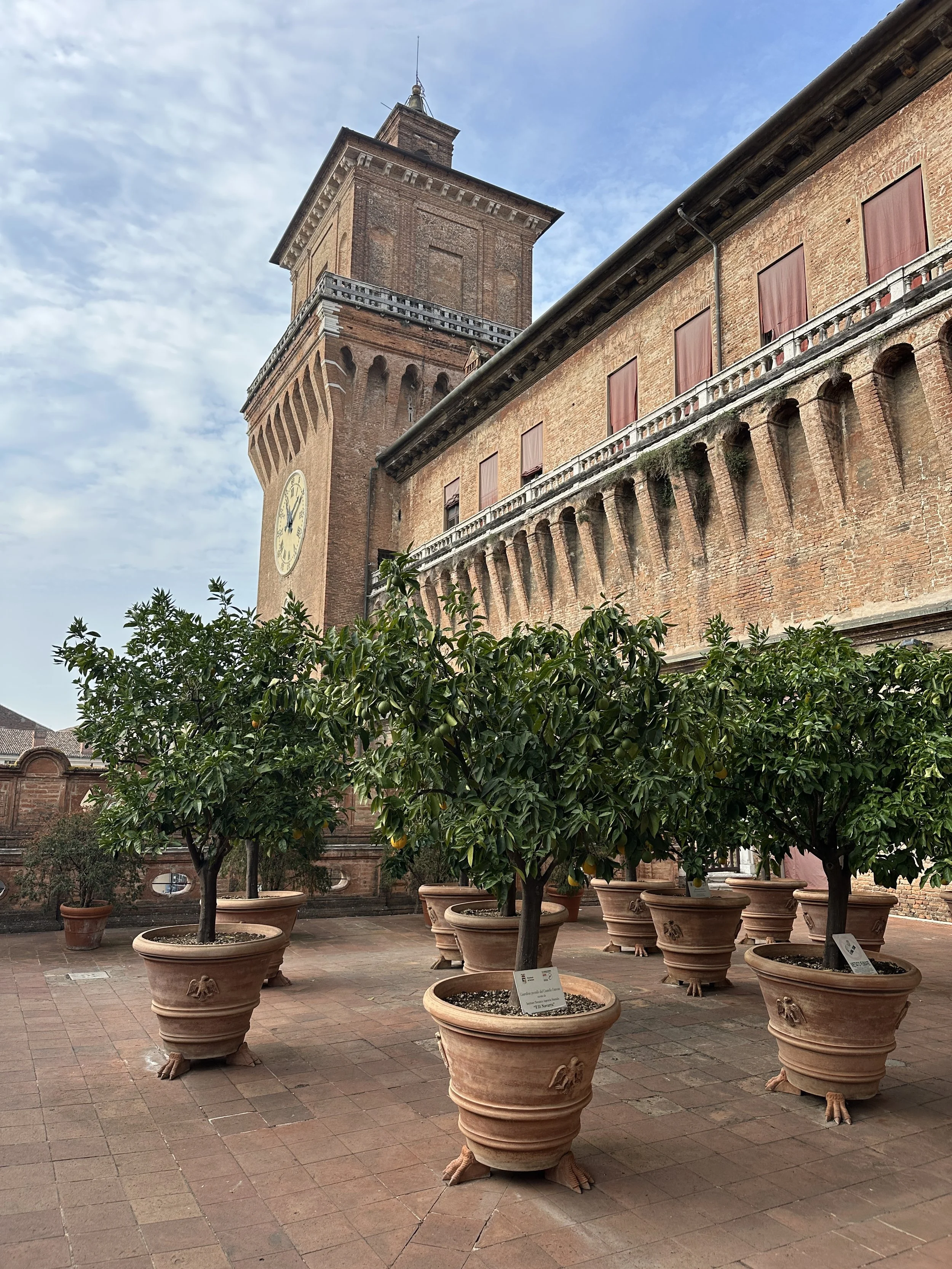
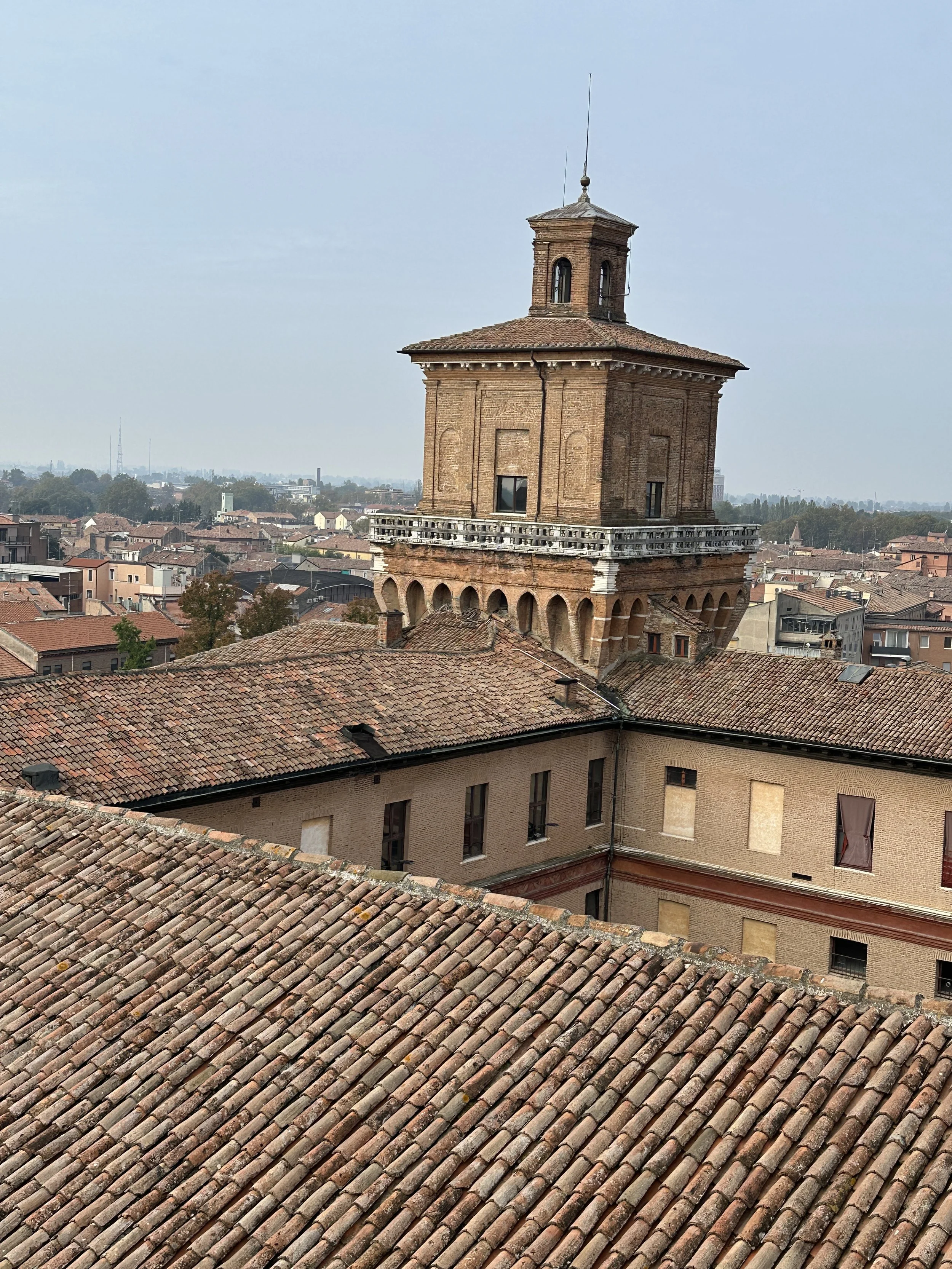
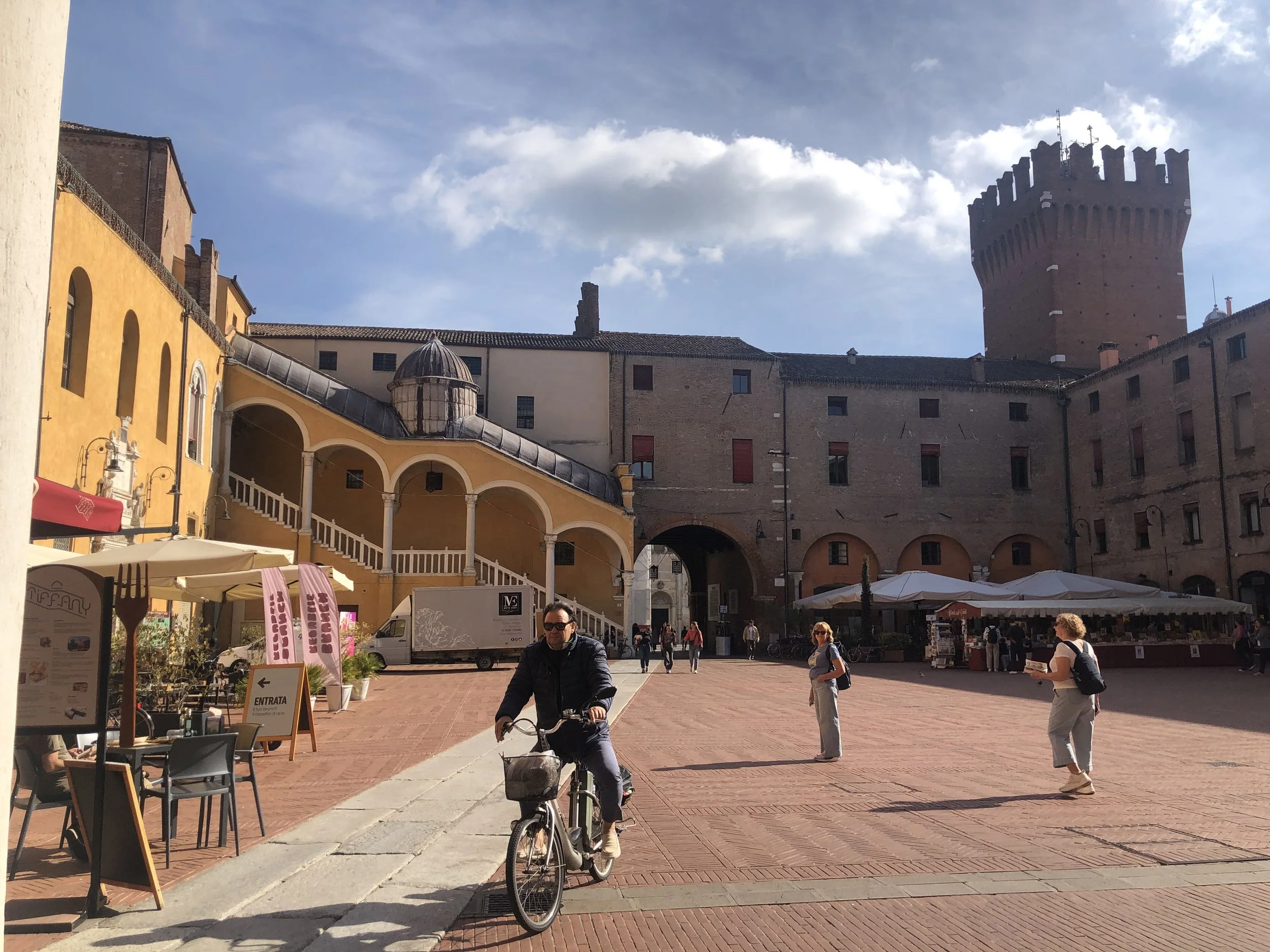
There’s a direct train line from Ravenna to Ferrara. A bit less than an hour and a half, again through farmland in the Po valley. Very flat, irrigation channels, small villages where the train stopped. They have very sensibly kept all their train lines, and they are well used by the locals to get around. From Ravenna you can go north or south along the coast, north-west, west, south-west, or south all on different lines.
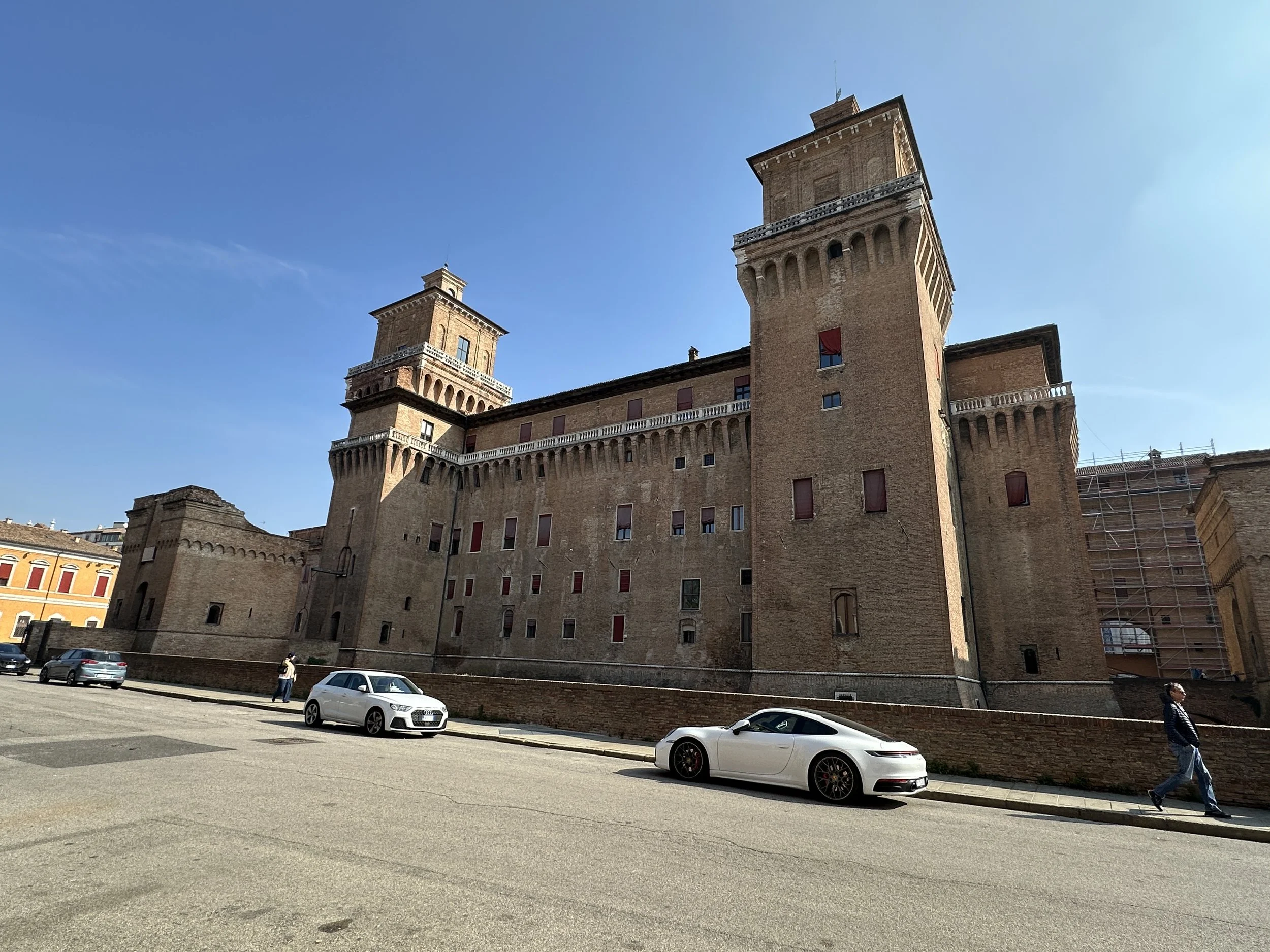
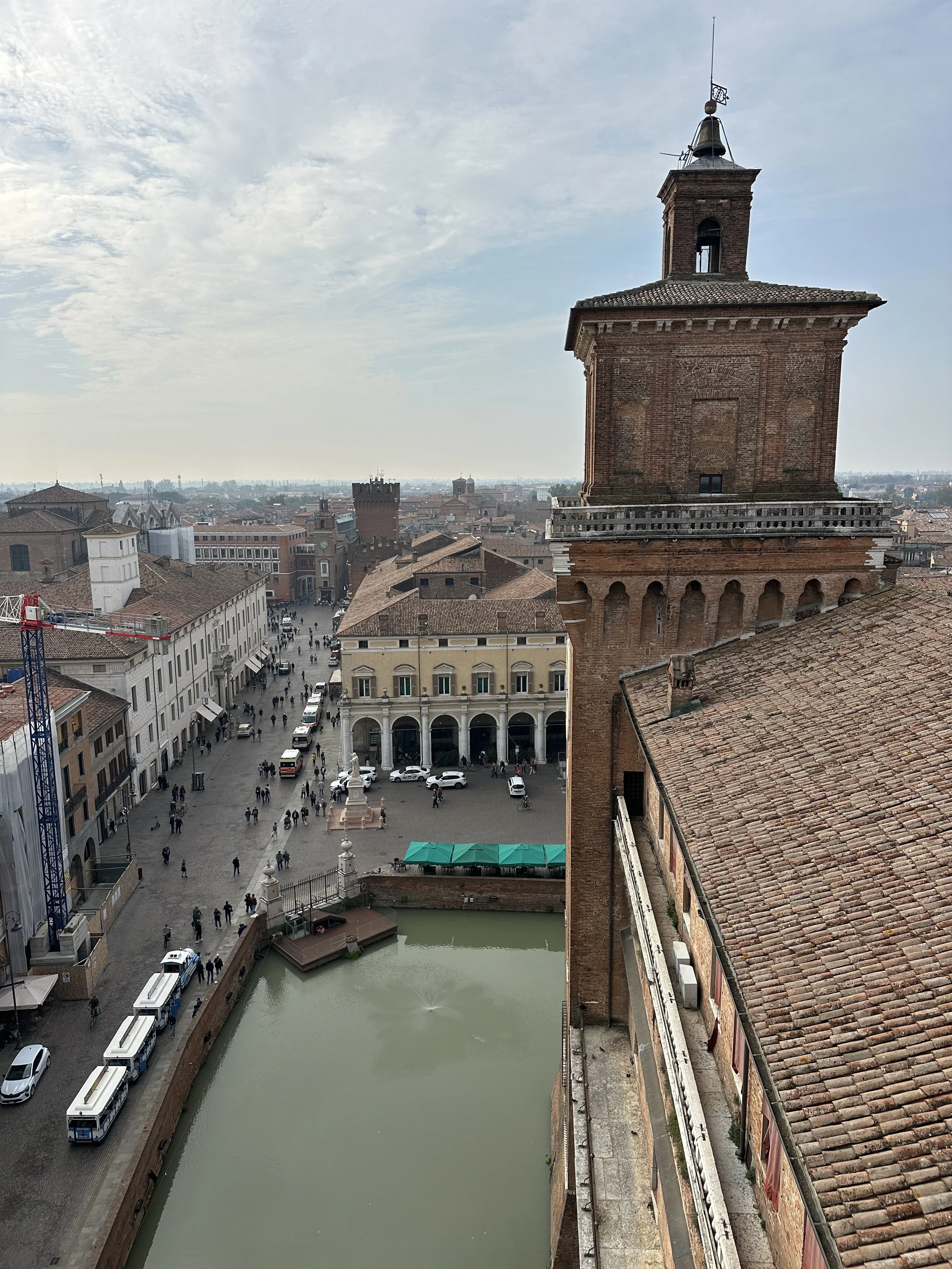
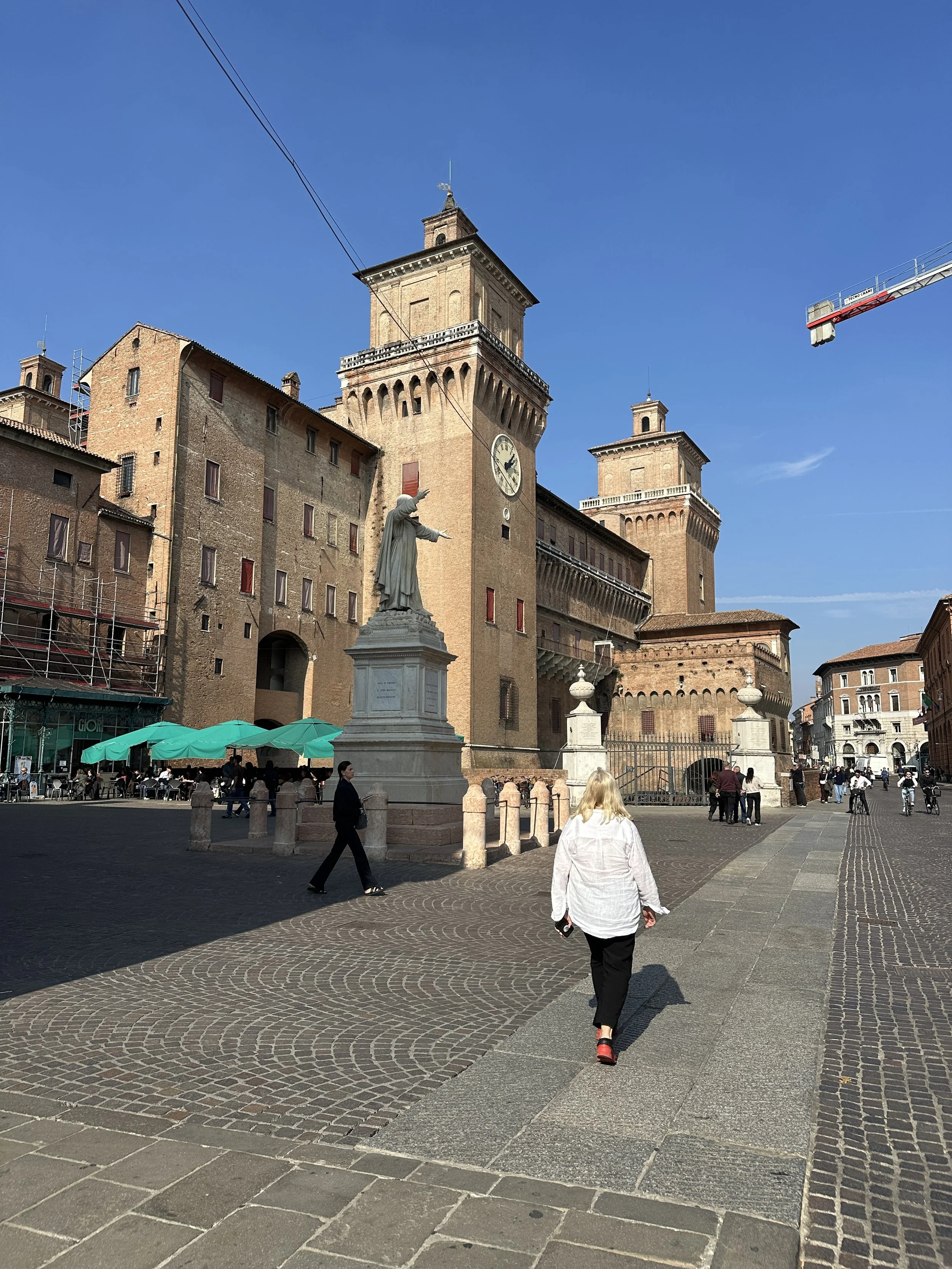
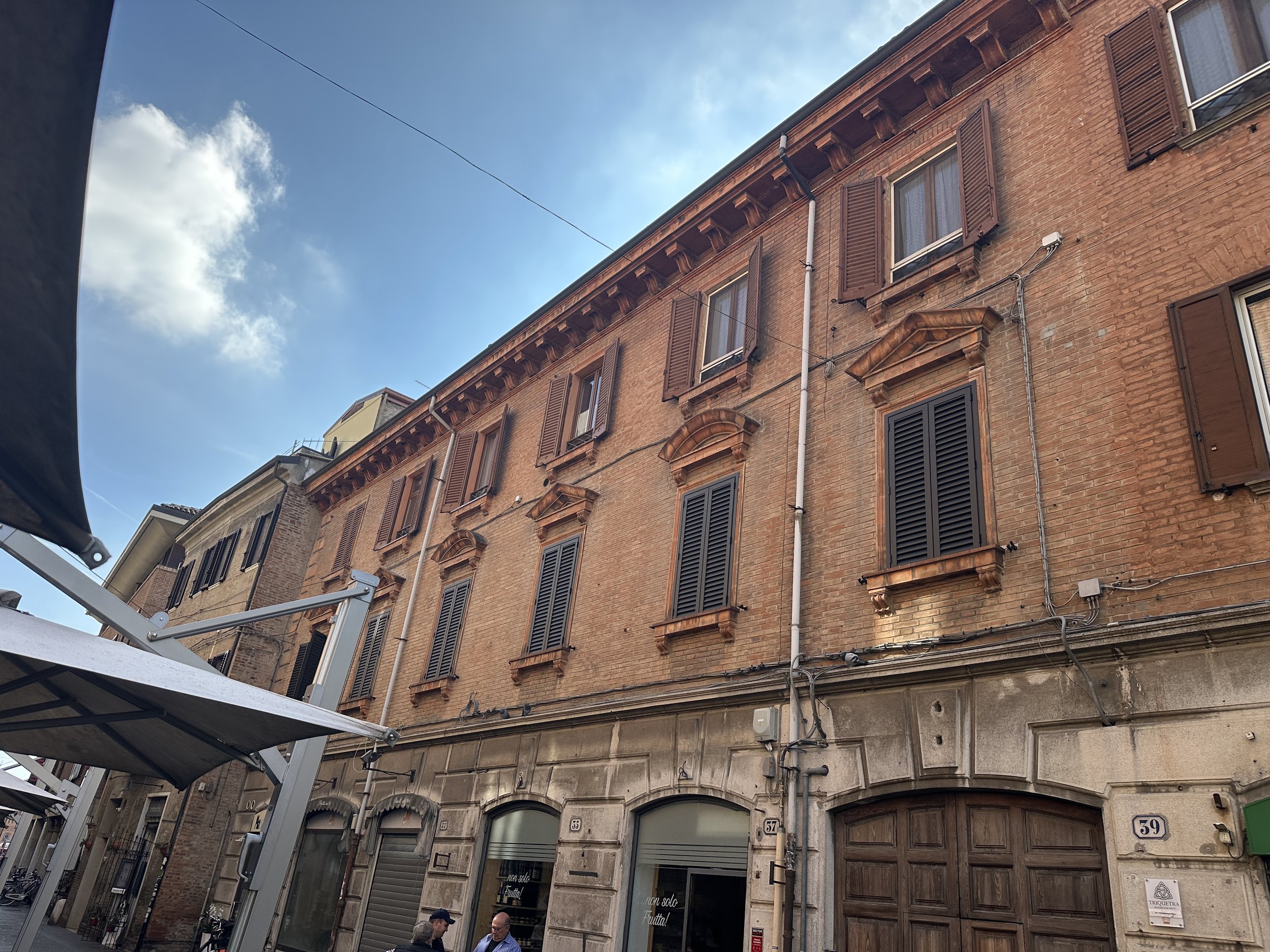
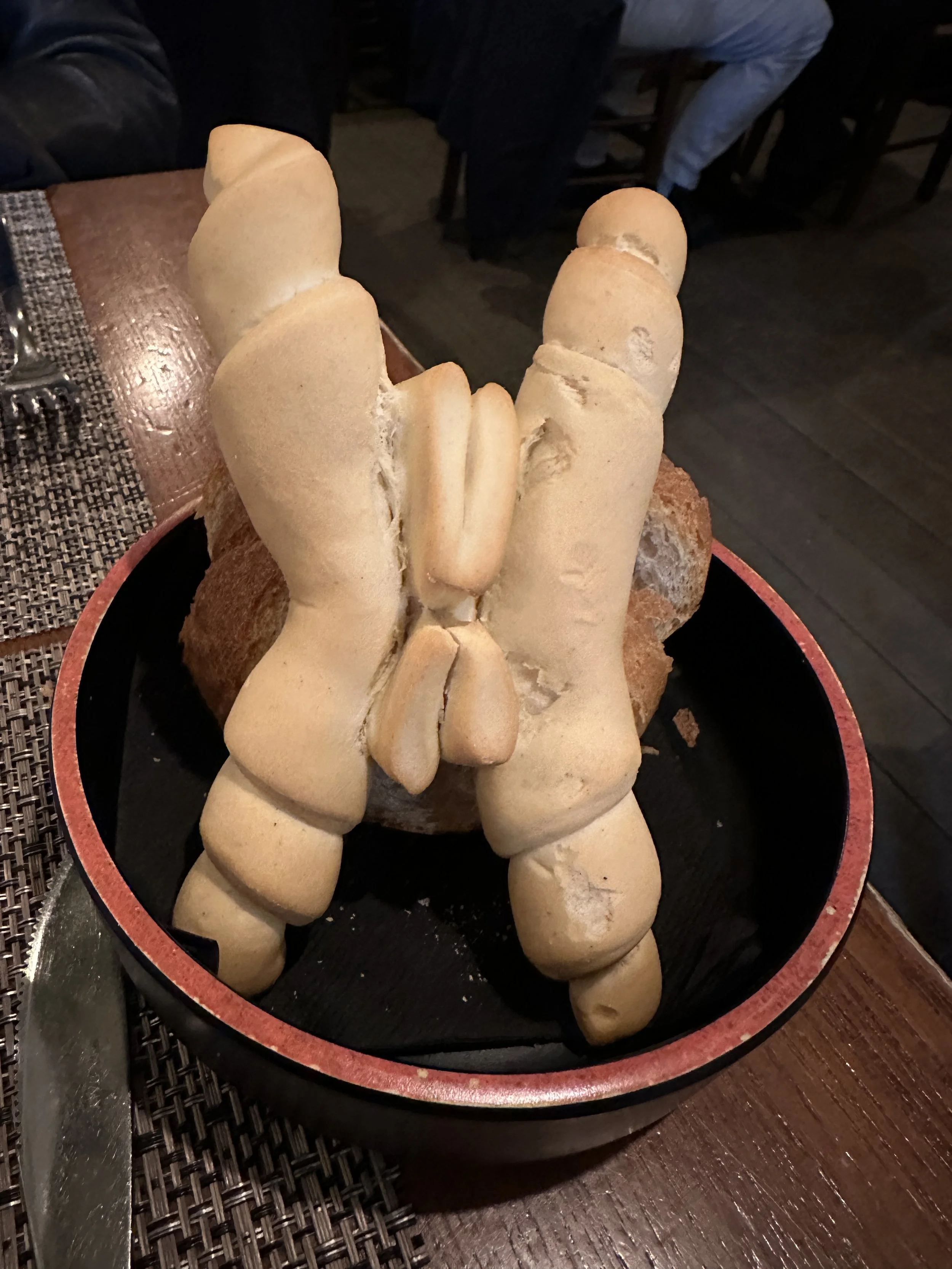
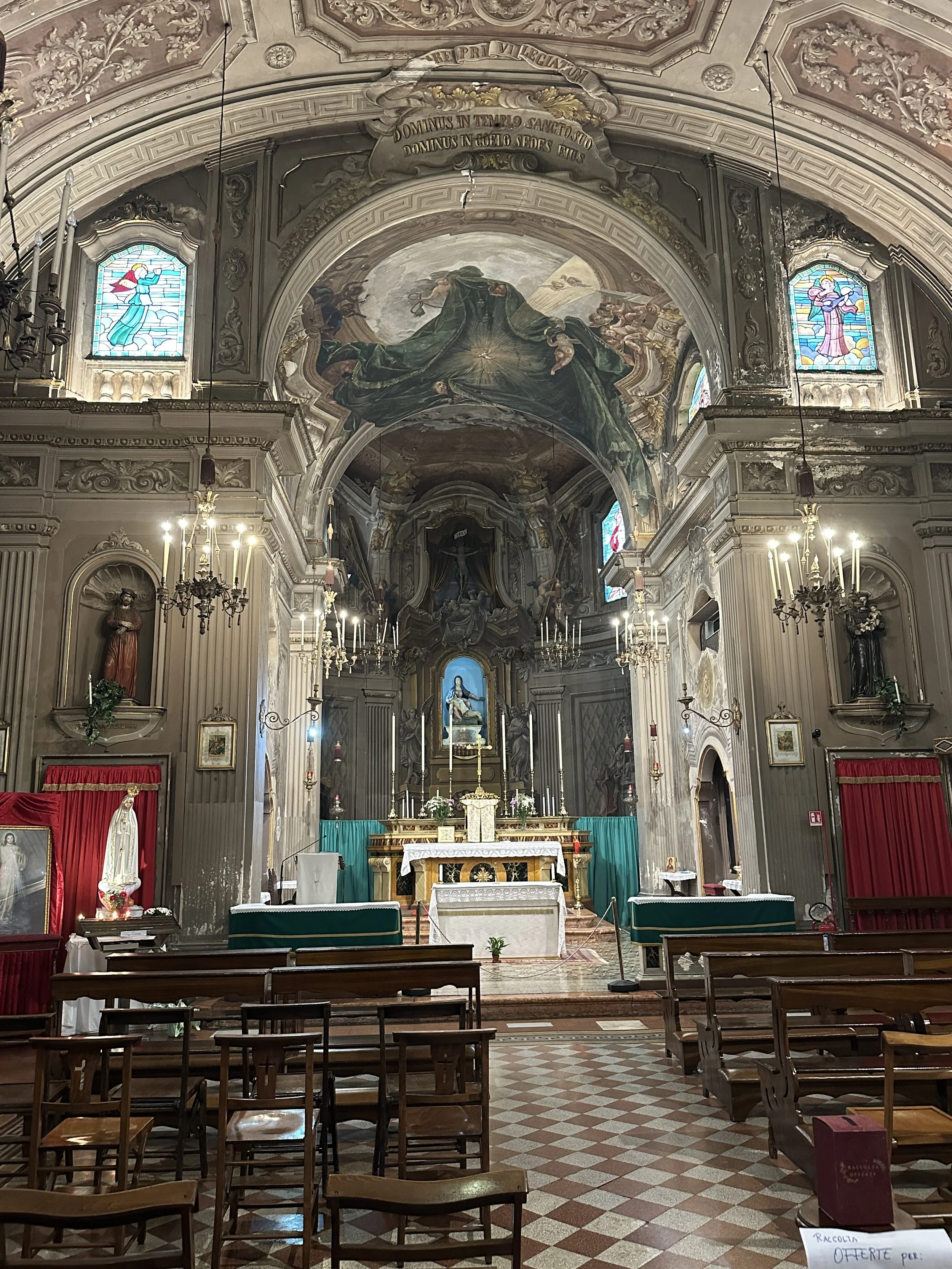
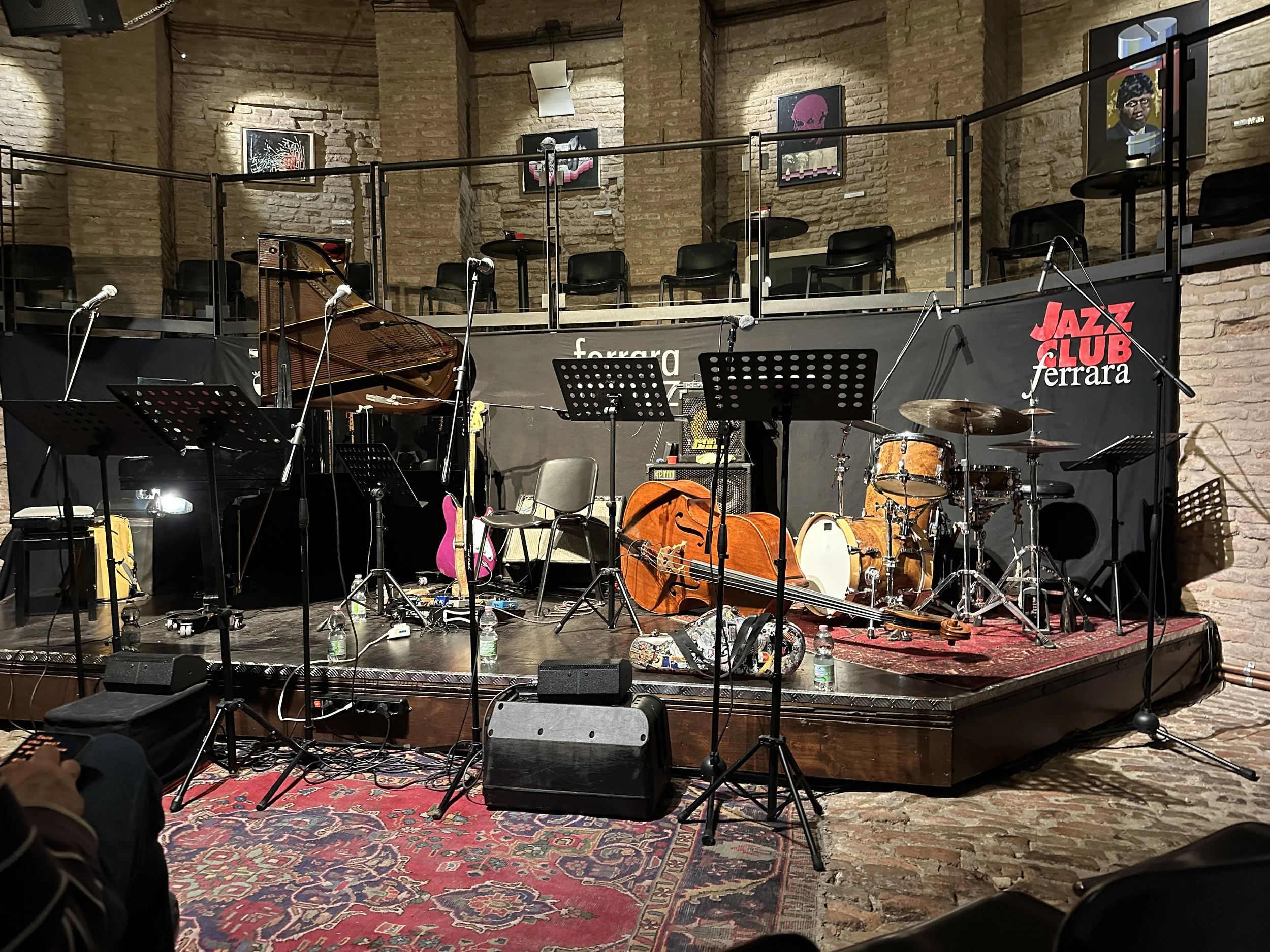
Ferrara has a jazz club, and there are gigs Friday, Saturday and Sunday.
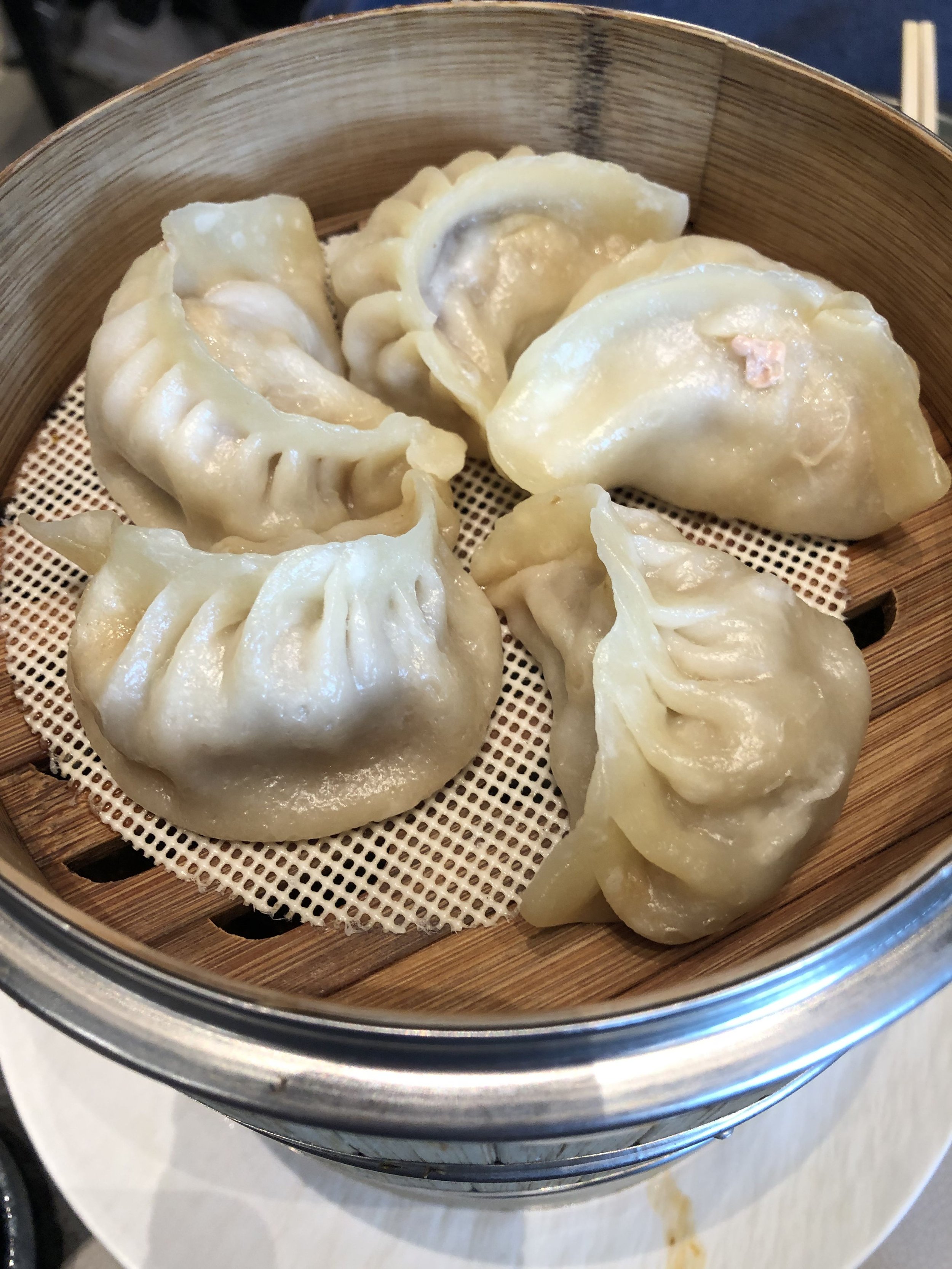
We went looking for a lunch spot and stumbled on the Ravioleria Cinarmonica! A Chinese dumpling shop. Perfect. Especially if looking for something light. I watched the man making dumplings, and it was remarkably similar to the ravioli making we had watched in other windows.
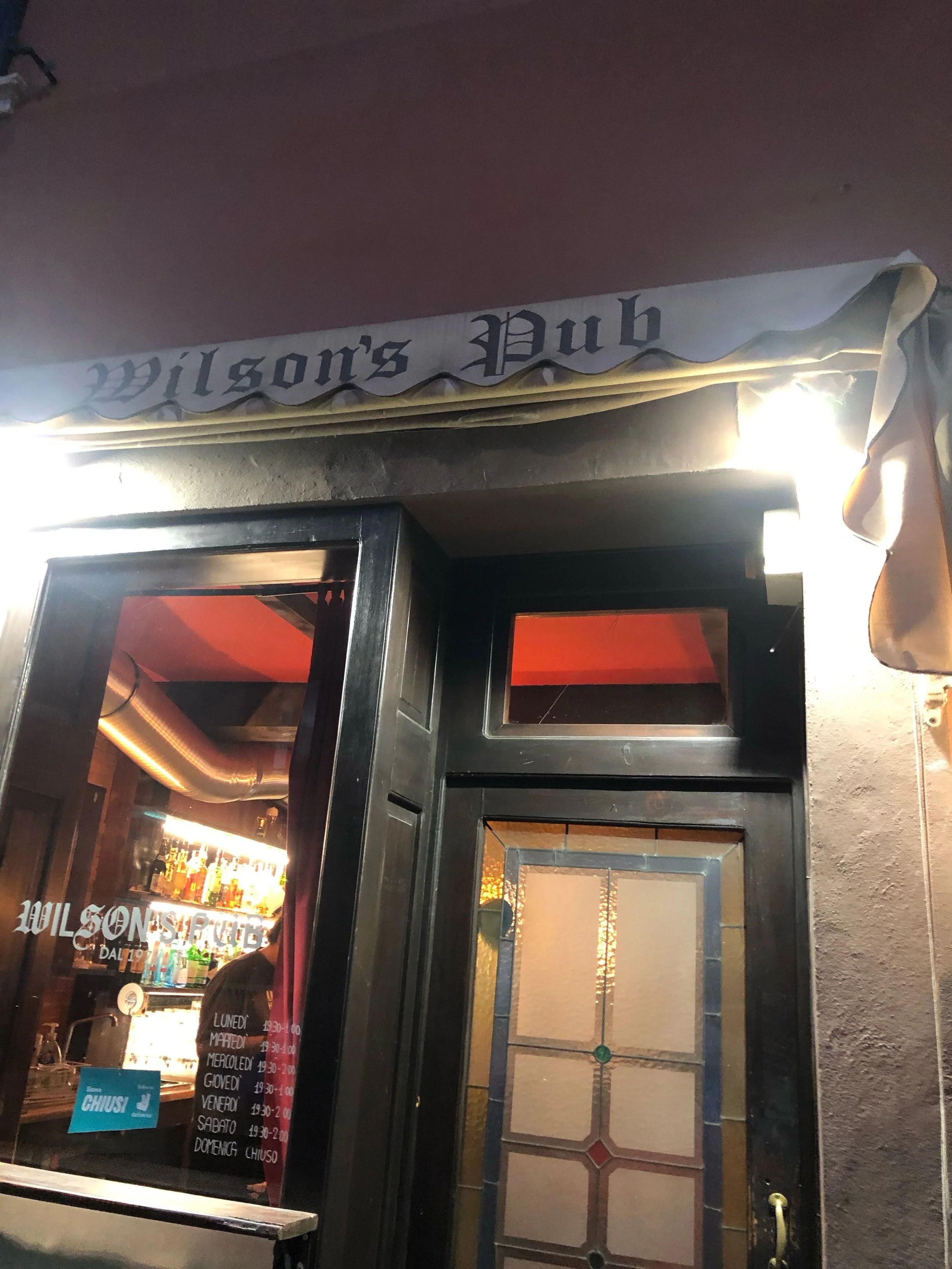
Ferrara Jazz Club is a very odd place. Right on the edge of the inner city, in a beautiful part of the defensive City wall, maybe 20 minutes walk away (too far at night). No decent food evident within striking distance, doors open late, in time for a 9.30 or 10 start, the buses stop running at about 8.30 or 9. I’m sure the music will be good, but oh my god. Will we want to come again tomorrow? Dinner was another challenge. We ate hamburgers at Wilson’s Pub. Has anyone heard of something calling itself a pub that does not open until 7.30 pm? Another oddity, but perhaps a further sign that we need a break from pasta. Sergio reminded us how difficult and strange it was for him to get used to eating only Italian food for a whole year, which made me realise just how diverse our normal diet is.
I loved the jazz. It was totally nuovo, I gather Julia refers to it as ‘anxiety jazz’. Three women using their voices very creatively together as instruments, and each of the instrumentalists (piano, alto sax, guitar, double bass, and drums) were able to introduce some individual magic, while the whole thing blended into several really well structured pieces. I couldn’t follow the stage patter, but I had the sense the work is part of some big project. Look up Rachele Amore, and her 2025 album “Rarichi”. In their first piece the drummer got so animated that a piece of his kit came flying off. And having now listened to the recording, it’s pretty much what they played last night.
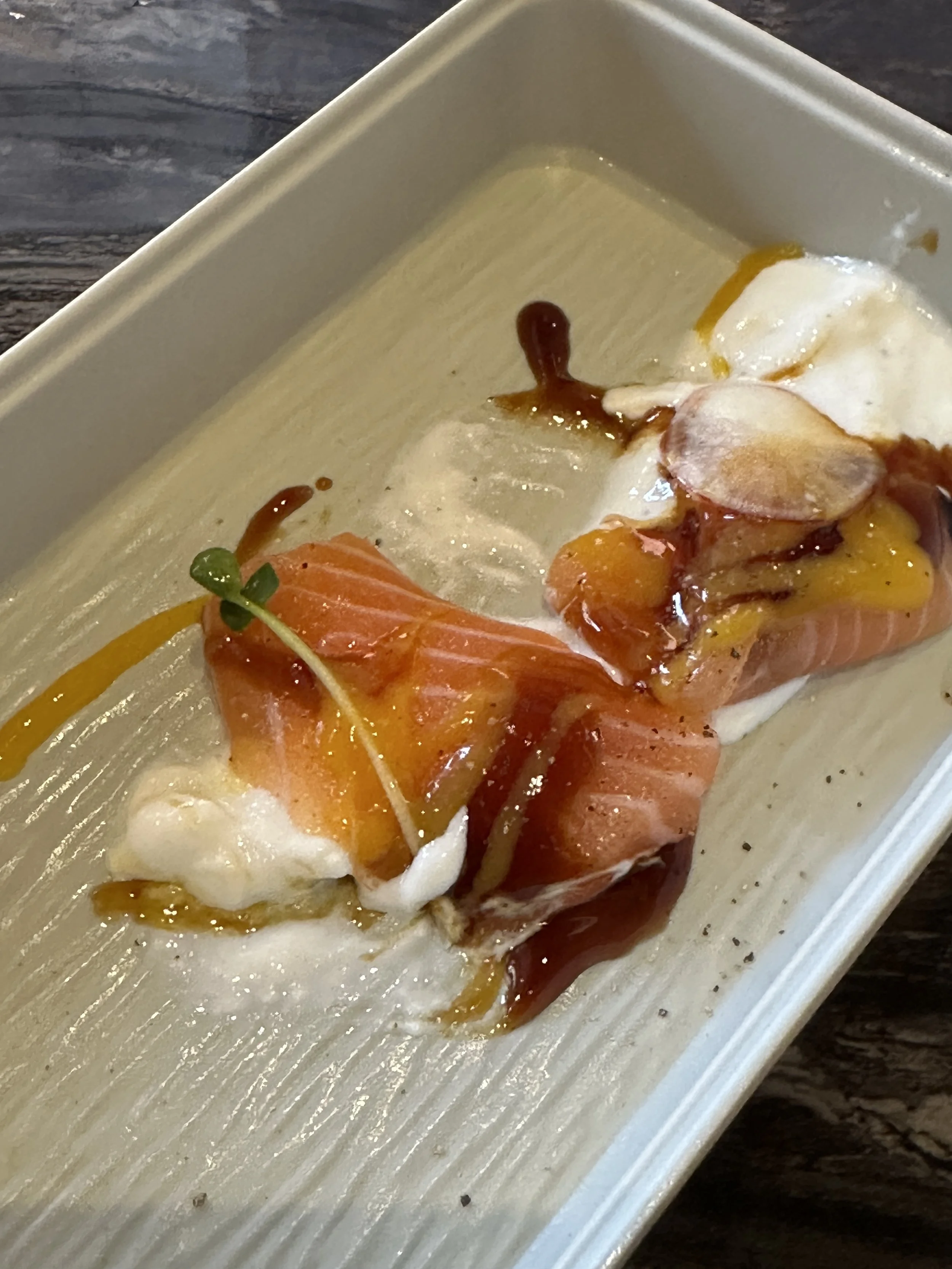
For a light lunch today we tried the sushi shop next door. Actually run by Chinese people, who really have worked out western capitalism Italian style. On the menu were the following: Ravioli vapore o griglia (gyoza steamed or fried), spaghetti (noodles), involtini (spring roll), burrata con salmone. All good, and the place was packed. It turns out that some Italians like a change too.
Our afternoon activity was a spa bath, sauna, Turkish bath combo. We had to book in for this, and turning up at the appointed time found the machinery had not been turned on, and would take half an hour to warm up. We persisted and had a lot of fun.
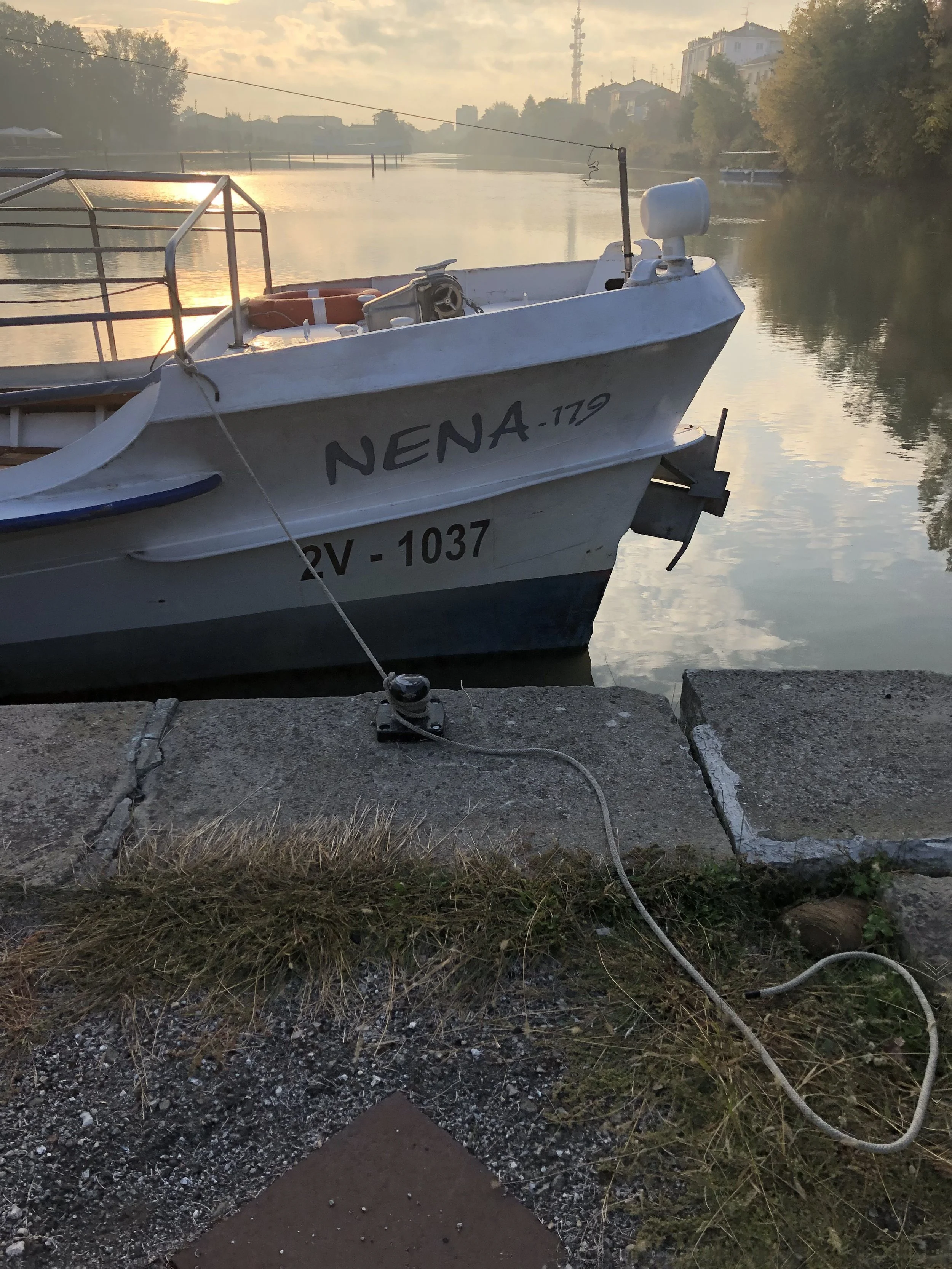
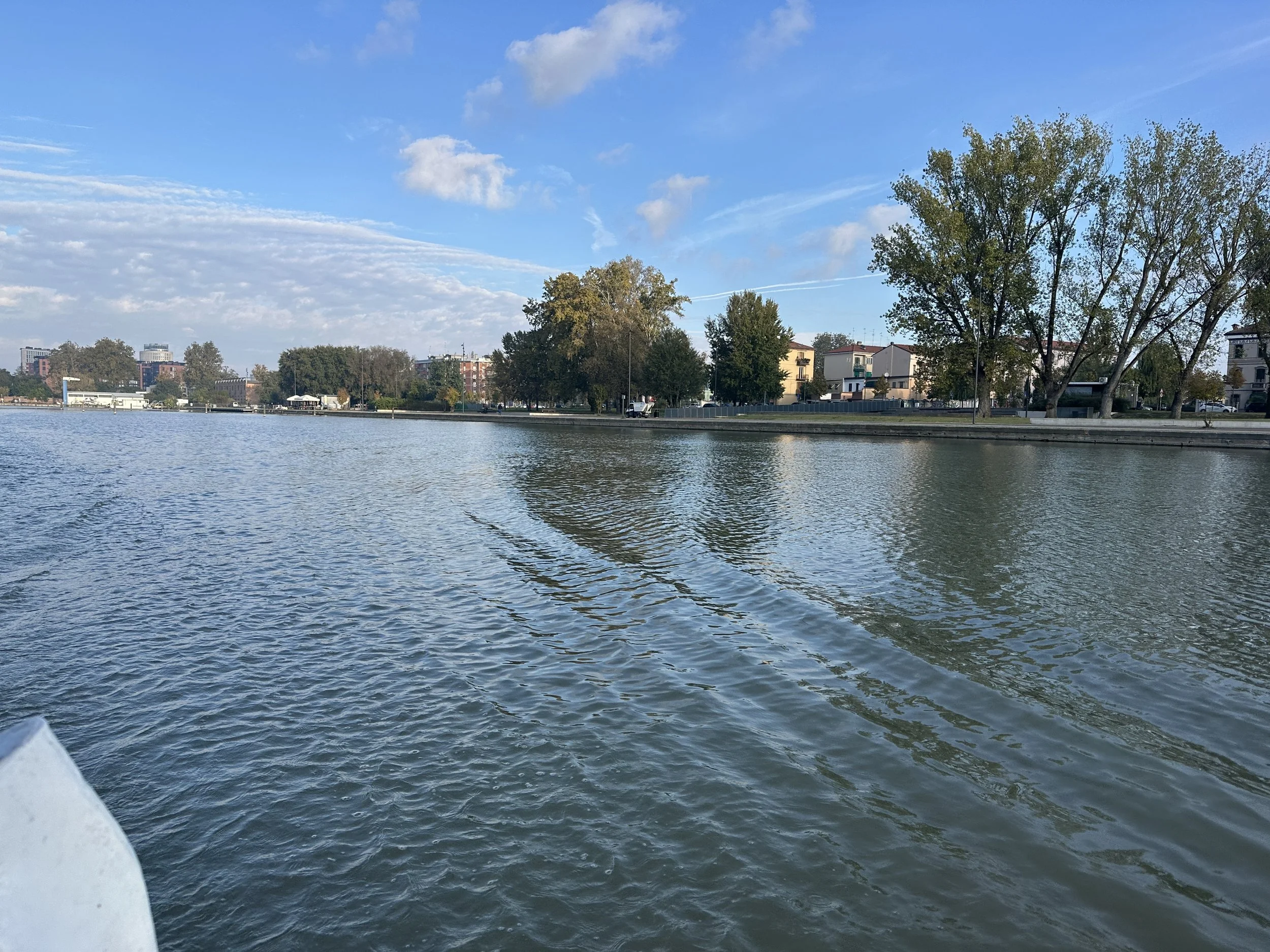
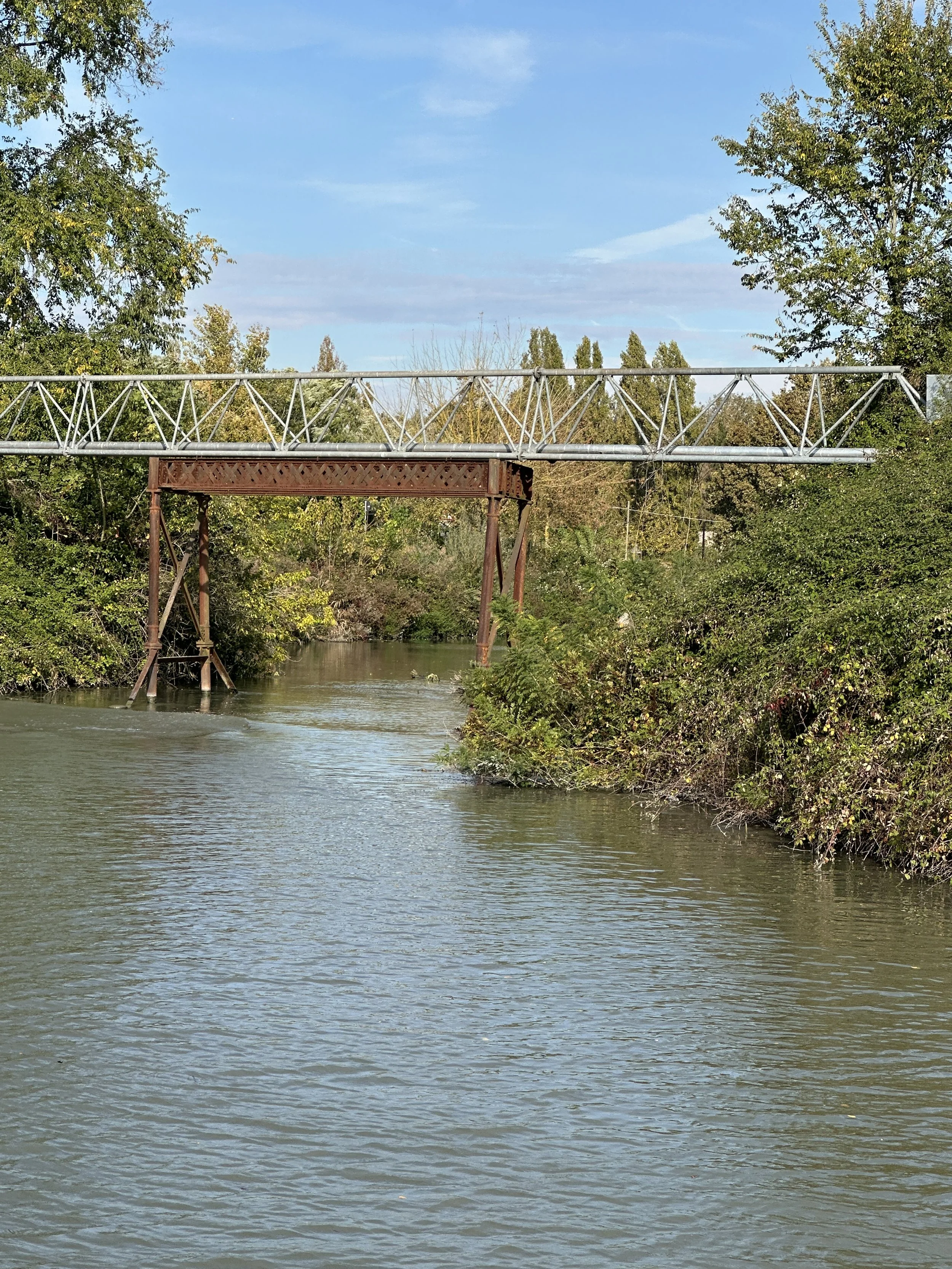
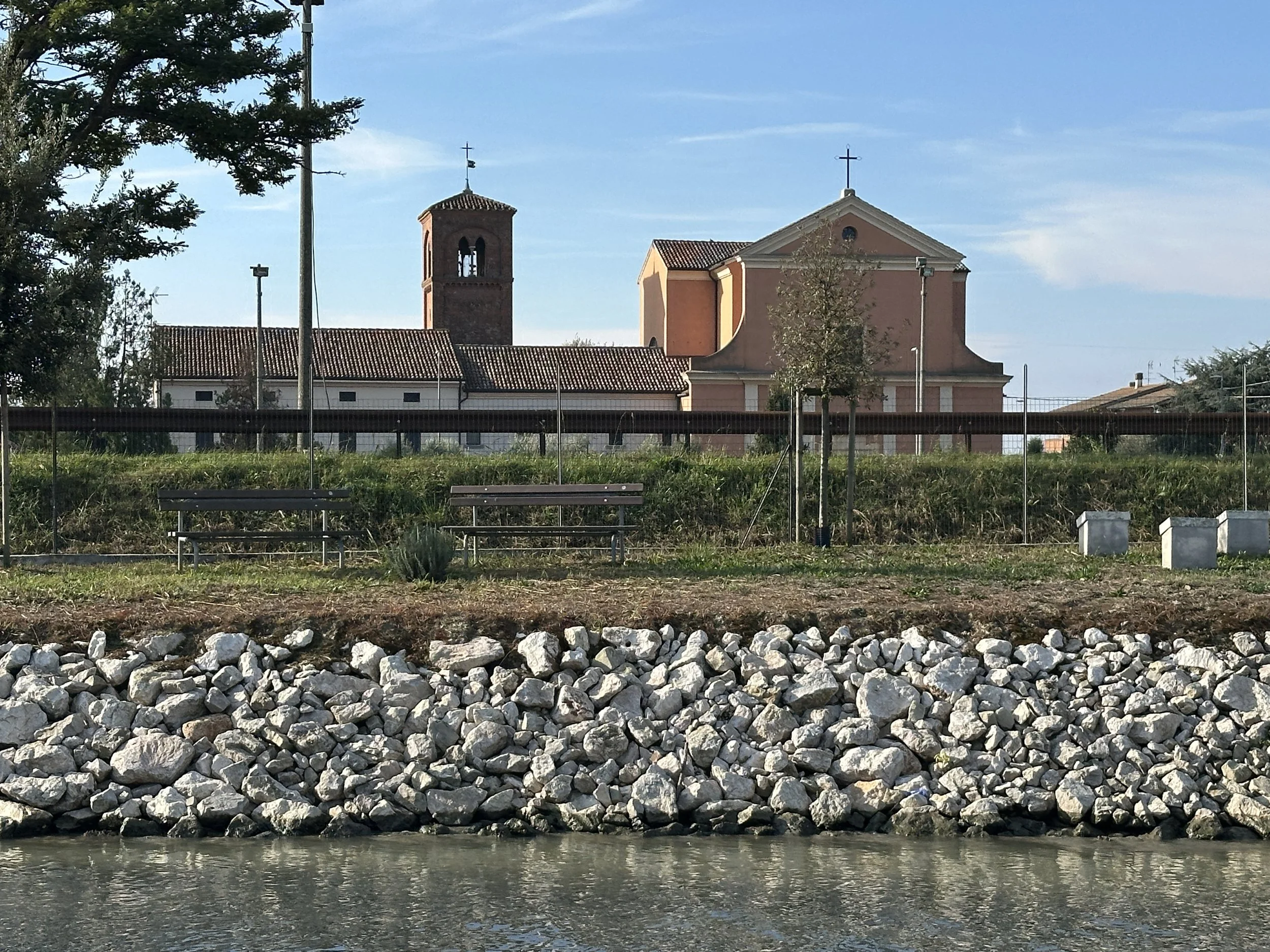
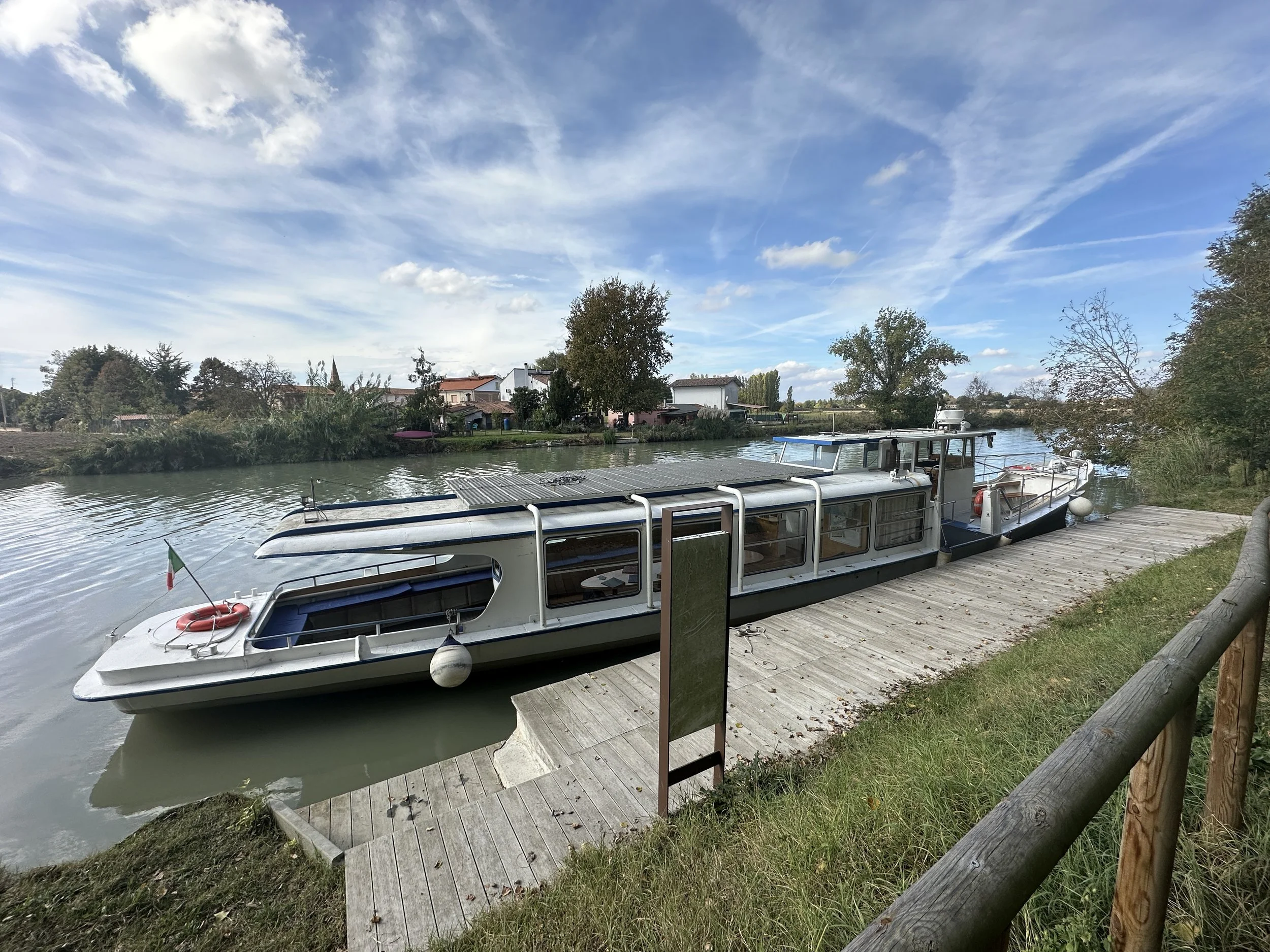
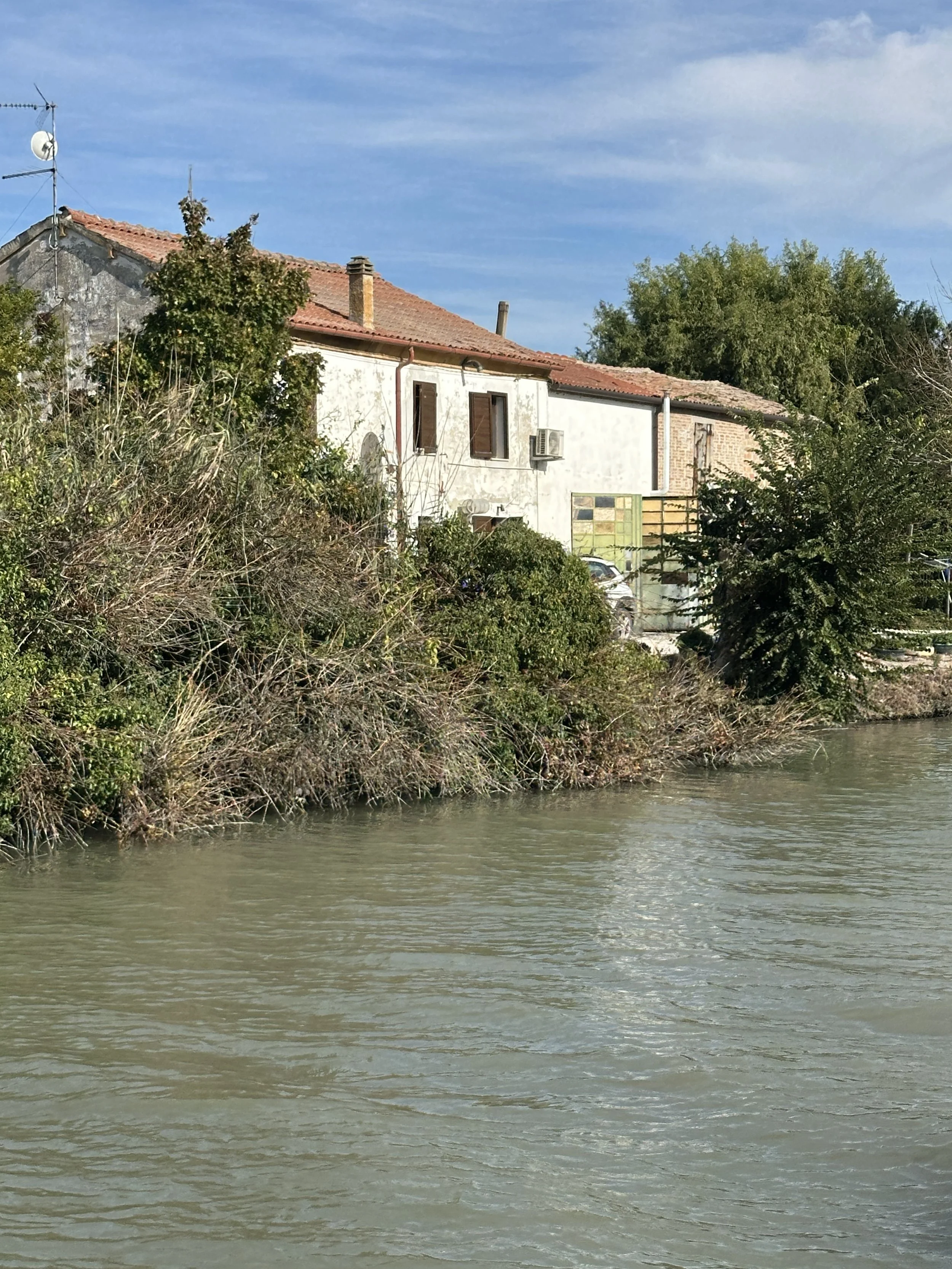
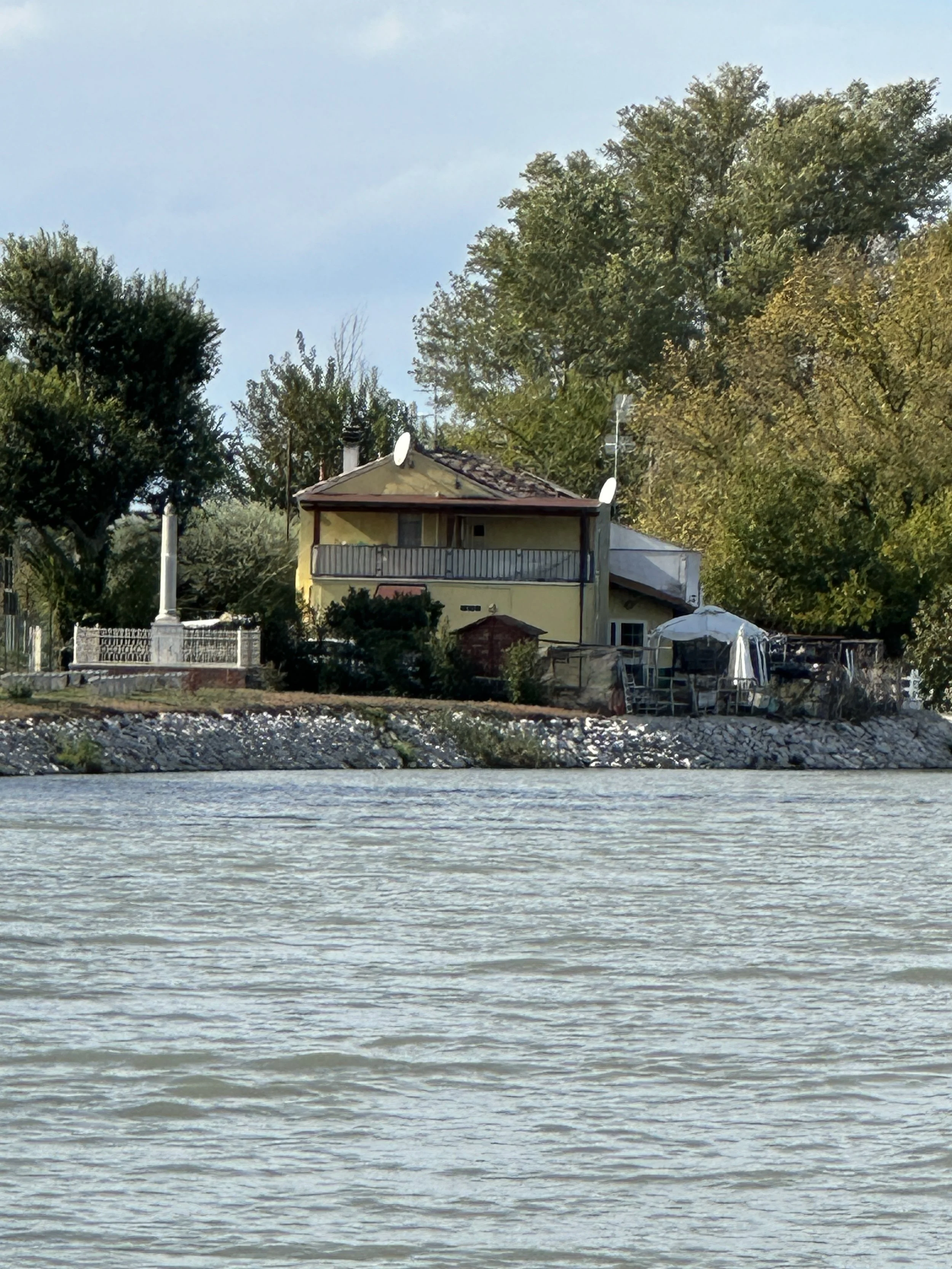
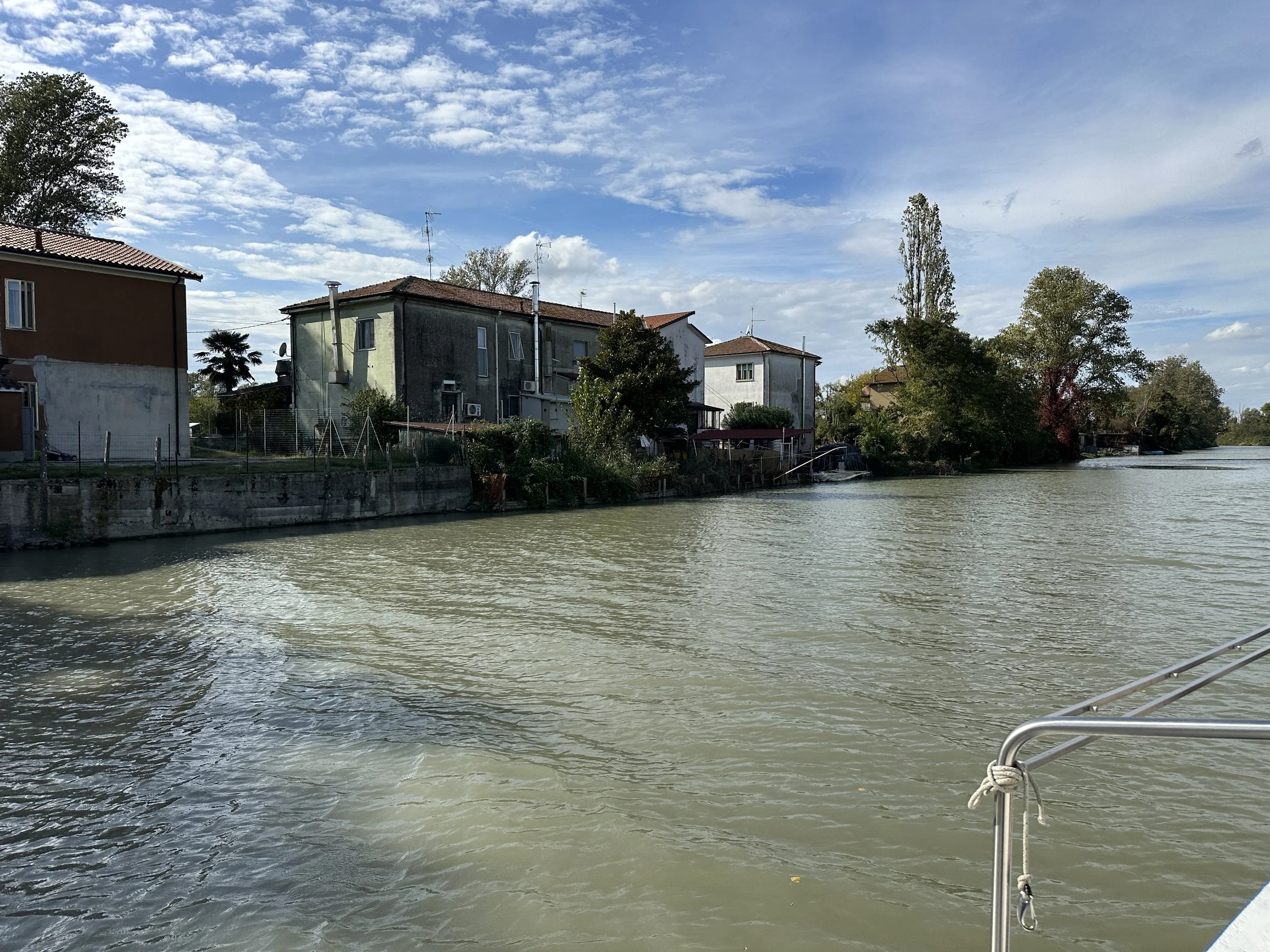
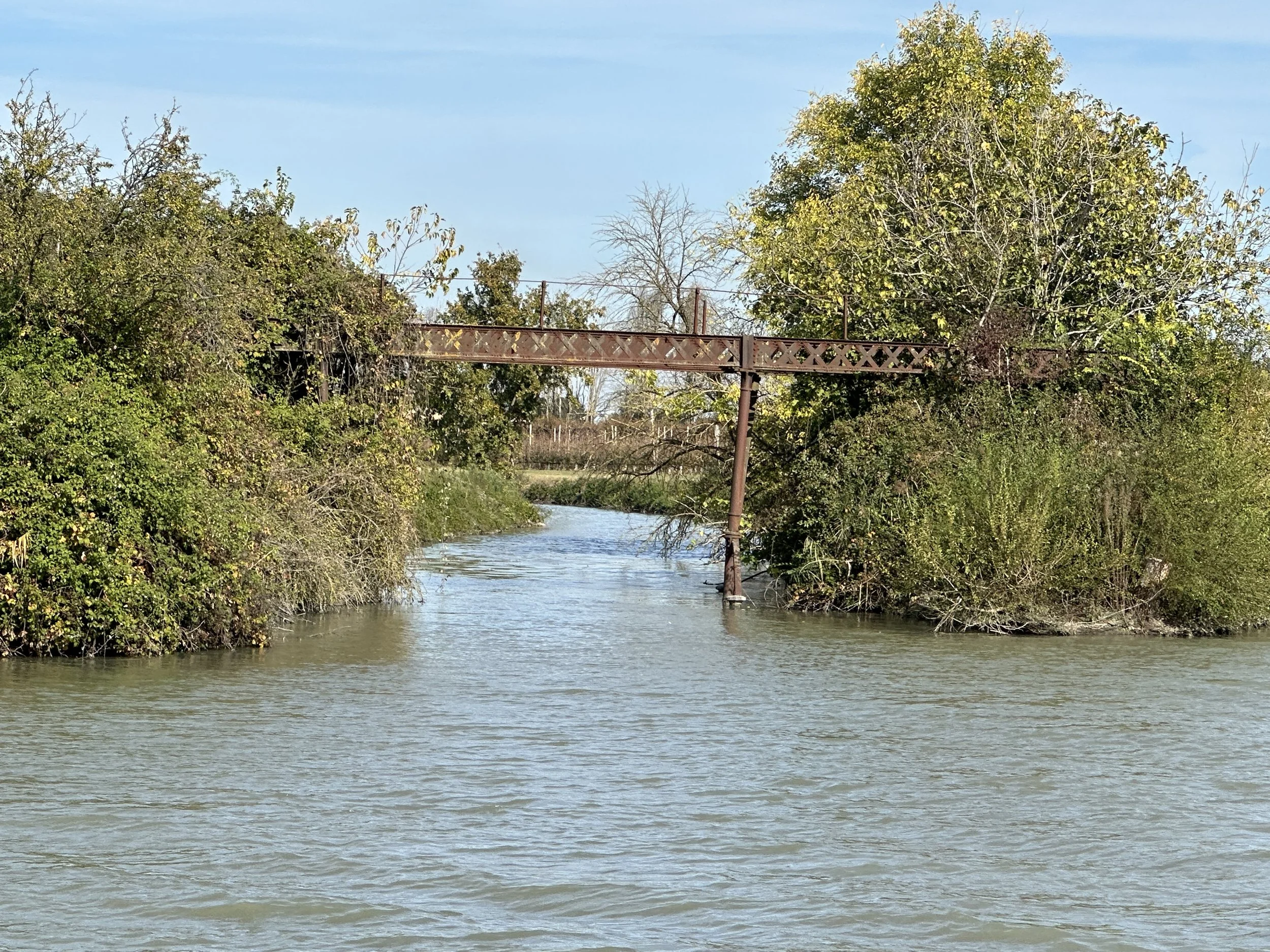
SWCBN has discovered an on-water option for today. She packs her swimmers in case an in-water opportunity should appear. We are taking a boat (the Nena) for 30km or so down one of the annabranches of the Po. Over the years, in response to huge floods in the Po valley, the location of the main river bed has changed, leaving smaller channels in other parts of the valley. This has spawned a huge network of navigable ‘rivers’ and canals that were once used to transport goods, but now support a small amount of leisure traffic and an irrigation network for the agricultural businesses that fill the valley. The Nena has an illustrious history and is now run by a lovely German/Italian couple who do a range of different tours along various parts of the navigable waterways of the Po valley.
The first bit of excitement presented SWCBN with a missed opportunity - one of the passengers slipped while stepping aboard and dropped her little dog, Teddy, in the drink. Panic stations. The captain managed to fish him out without any damage done to Teddy. A story came out later that an elderly woman had done more or less the same thing some years ago, again luckily without any more serious consequences than some wet and shaken people.
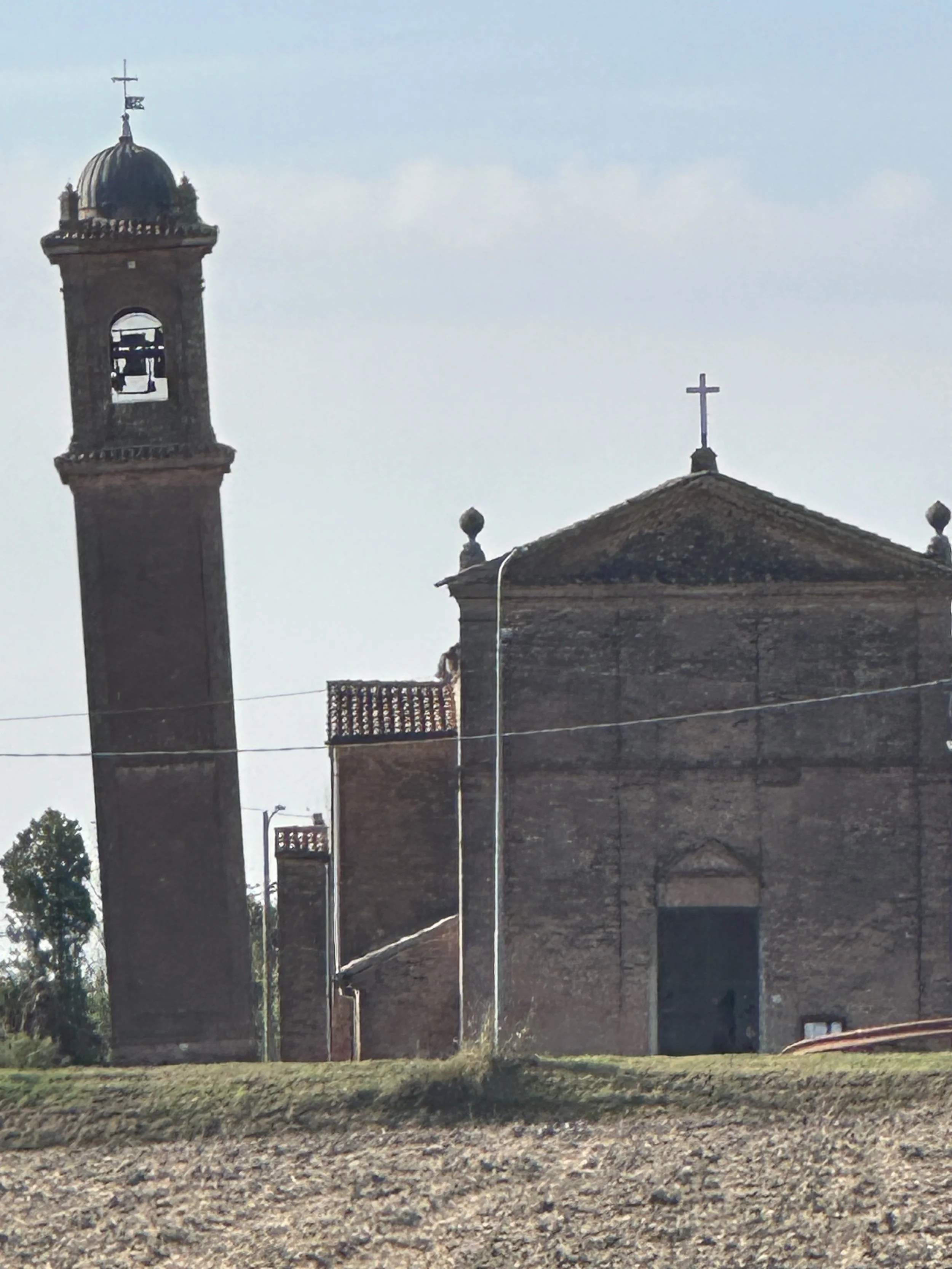
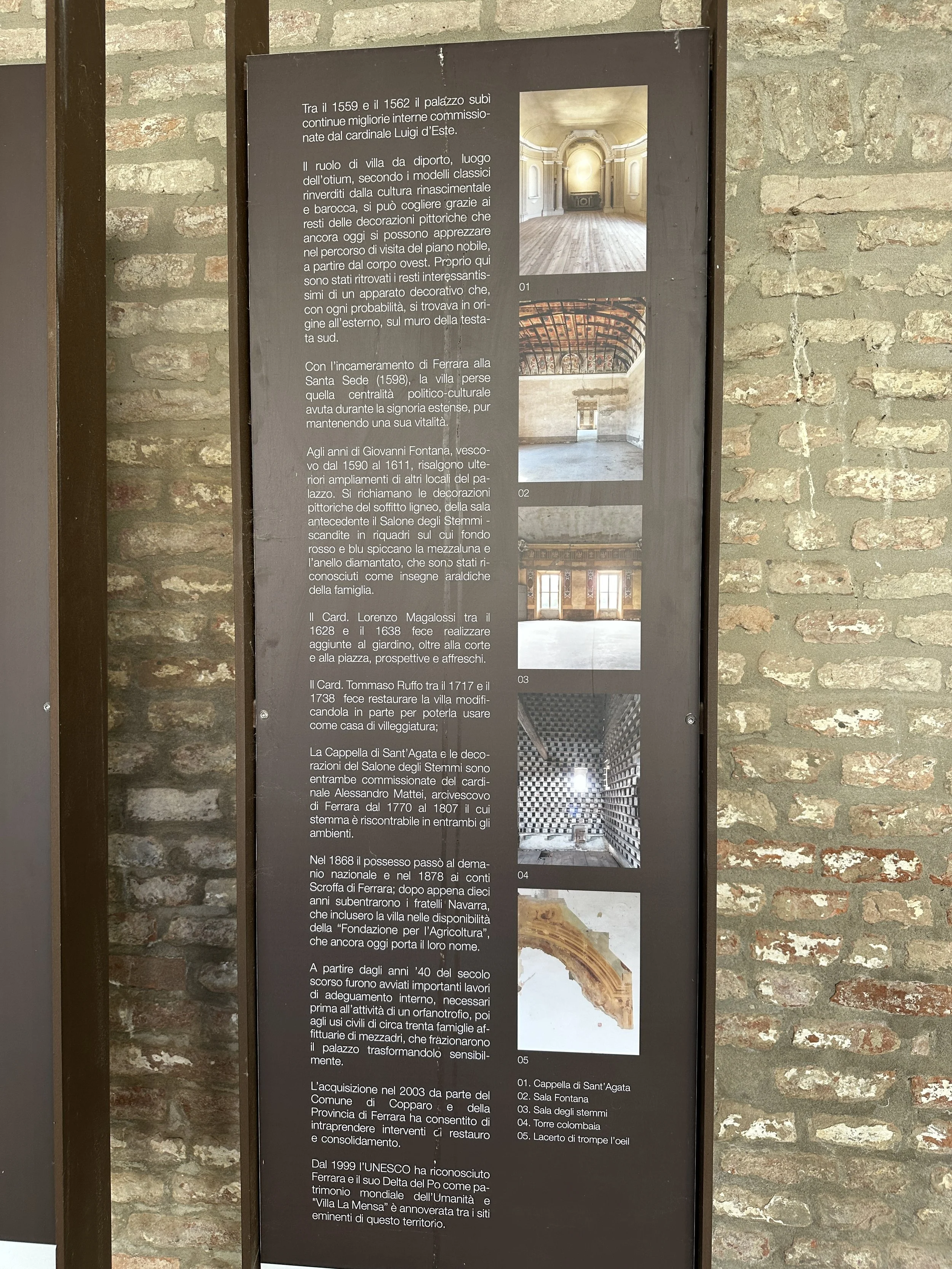
We set off with a complement of 11 passengers and two crew. The Nena went down the ‘Po of Volano’ as far as the Villa Mensa to visit the Palazzo of Cardinal Luigi d’Este, which is open on only one Sunday each month for public tours. D’Este is a very big name in these parts, dating back to medieval times and the battles between church and state in the 1500s. The main Castello d’Este is in the centre of Ferrara, our hotel is right opposite. The tour of that castle had been amazing. The Palazzo at Villa Mensa is under renovation, after years of rather careless use. Obviously a huge and expensive undertaking, it’s going very slowly. An event space has been set up with all technological mod cons to earn a bit of money, but the tour showed just how far they have to go with this enterprise. Three of the passengers were a group of women who were obviously friends and had a hell of a lot to say to each other. Perhaps the only way they could have such a sustained conversation was to meet on neutral ground, away from home, and they went at it for the full 7 hours only breaking briefly for the guided tour of the Palazzo.
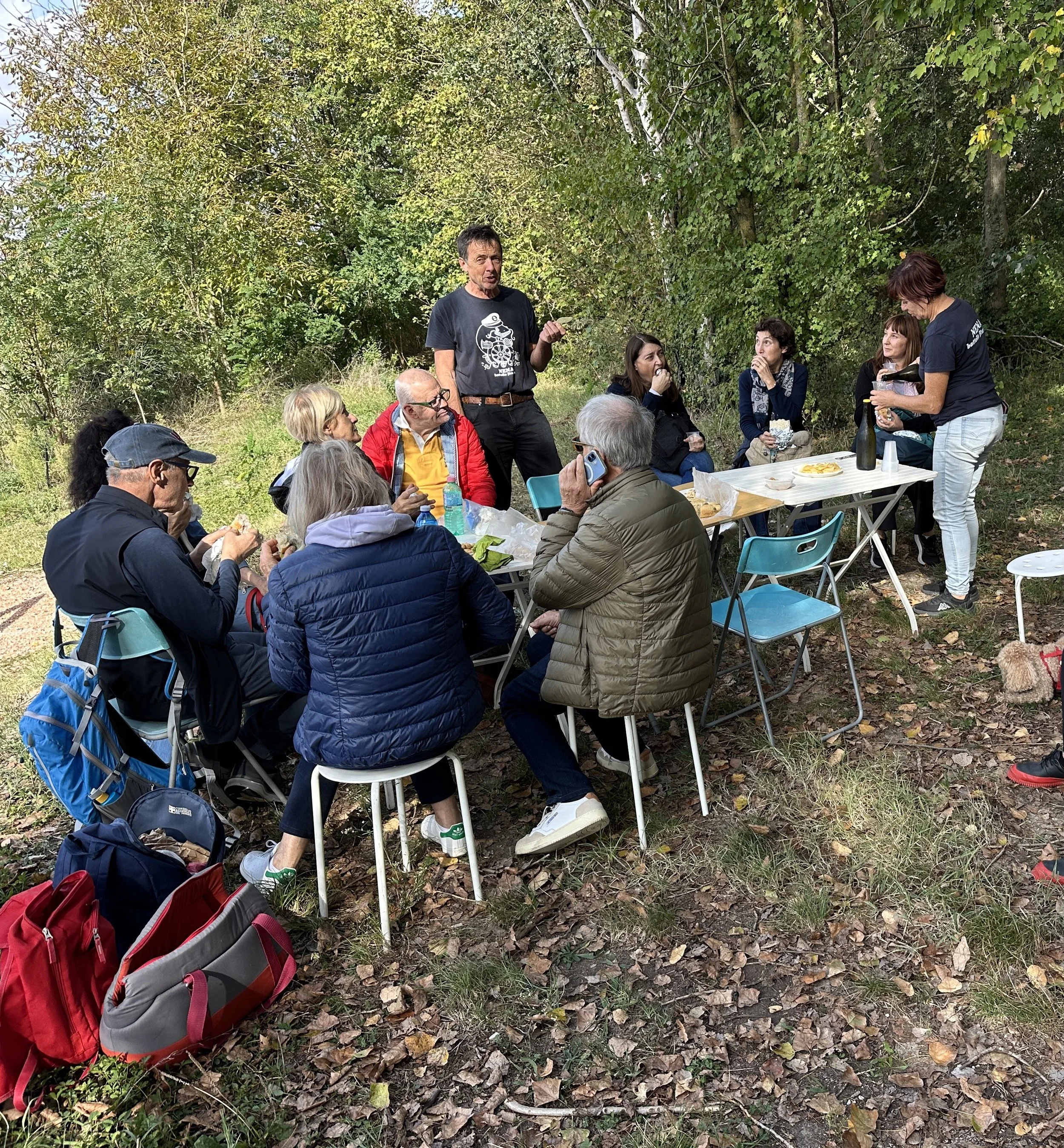
After the Palazzo visit, the boat passengers and crew all sat down on the river bank for a picnic. I had completely missed the message about bringing picnic food, so we threw ourselves on the mercy of our fellow passengers. They generously performed a ‘loaves and fishes’ event by sharing their extras. It was excellent. I rewarded them with a joke in Italian (Come si chiama una camello con tre gobbe? Incinta.)
We passed all sorts of interesting things on the trip, including numerous smaller branches of the river splitting off, pumping stations for the irrigation channels, and a swimming animal that looked like an otter. Apparently called a nutria (or coypu). A very large river rodent. We also saw the remnants of the horse track that went along the river bank, formerly used by horses to pull the barges and other vessels along the canals.
For dinner we walked 10 minutes to a highly rated pizza shop (settantatrepercento, or 73%) and had two of the best pizzas ever. It is true that Italians eat pizza, and it can be very good.
There’s a special art exhibition on at the Palazzo dei Diamanti. Van Gogh, Monet, Kandinsky and others. A great collection. Followed by another Melbourne lunch at the local branch of Brunch Republic. Smashed avocado, tomato, burrata on sourdough. Delicious, no pasta in sight.
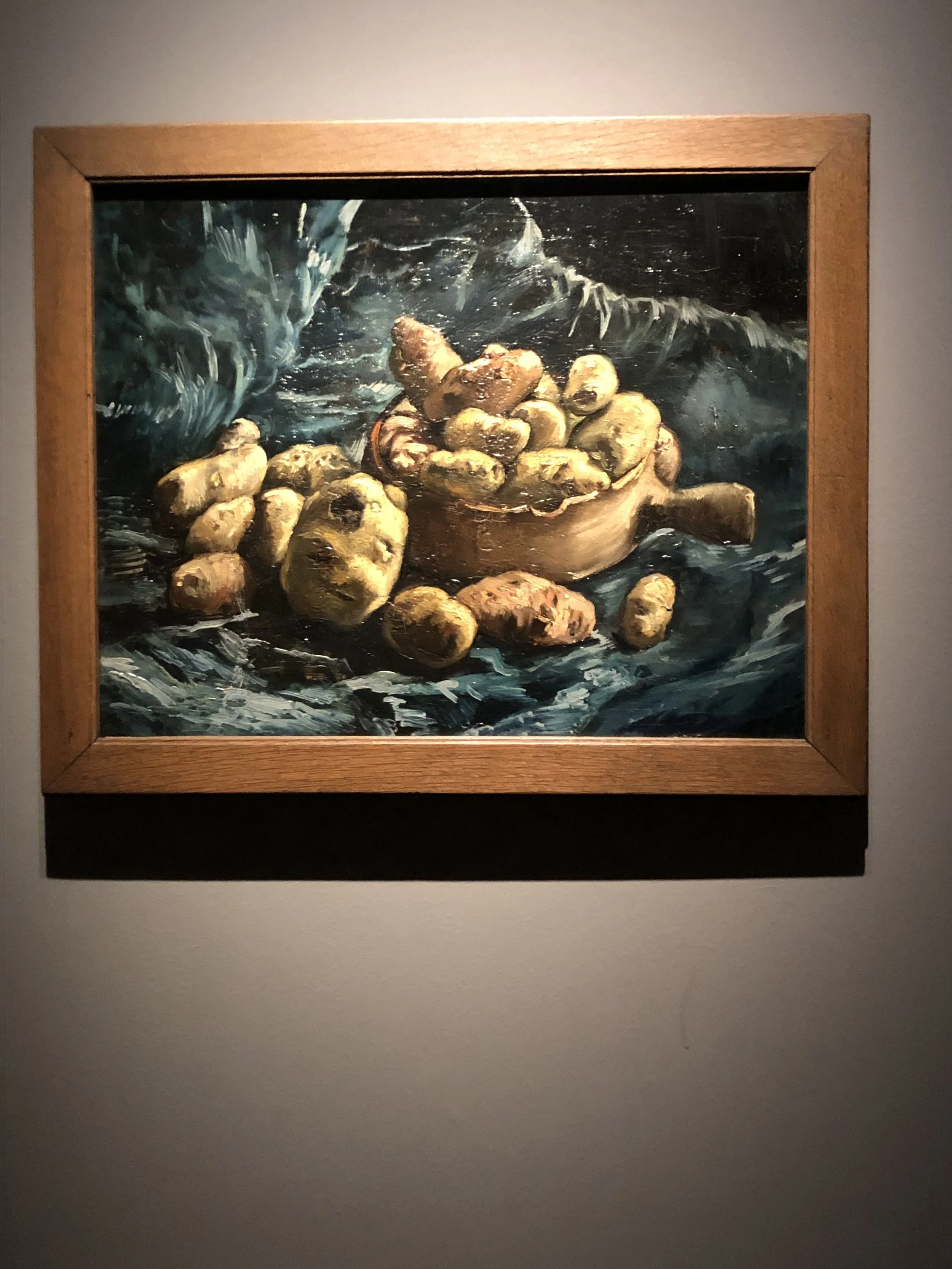
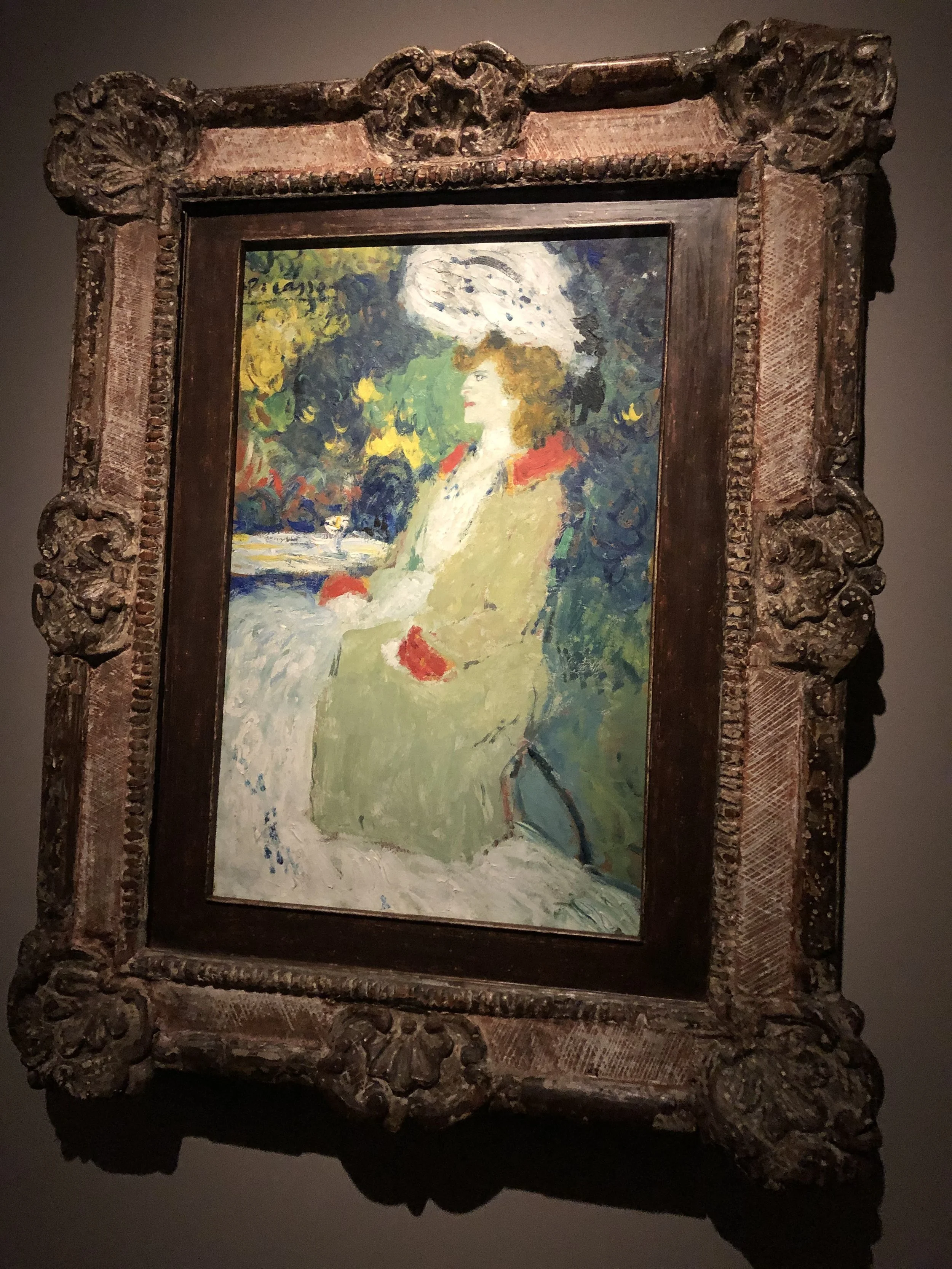
There’s a long and interesting history of Jewish people in Italy. We visited the Museo Nazionale dell’Ebraismo Italiano e della Shoah, taking us back to the pre-Christian era, and to the dispersion of Jews from Jerusalem under the Roman Emperor Titus. There were Jewish people in different concentrations in different parts of what is now Italy at different times, usually in response to different political and social changes in this part of the world. In Ferrara, the Dukes of Este were somewhat encouraging of Jewish settlement, particularly after they were expelled from Spain and Portugal in the 15th and 16th centuries. There is also evidence of a ghetto in the centre of Ferrara operating in the 1600s, and of course many Jewish people were rounded up and deported to their deaths under Mussolini.
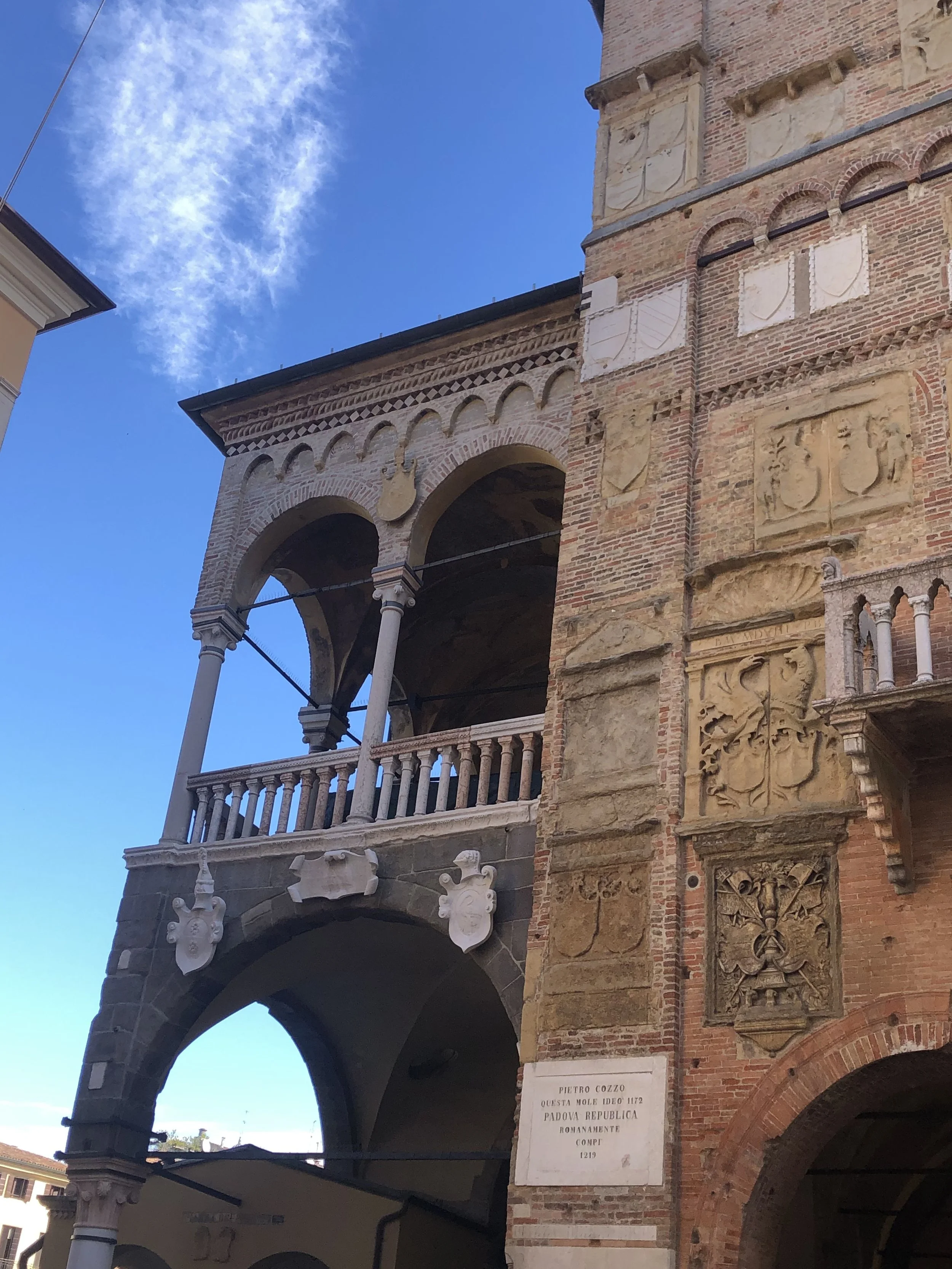
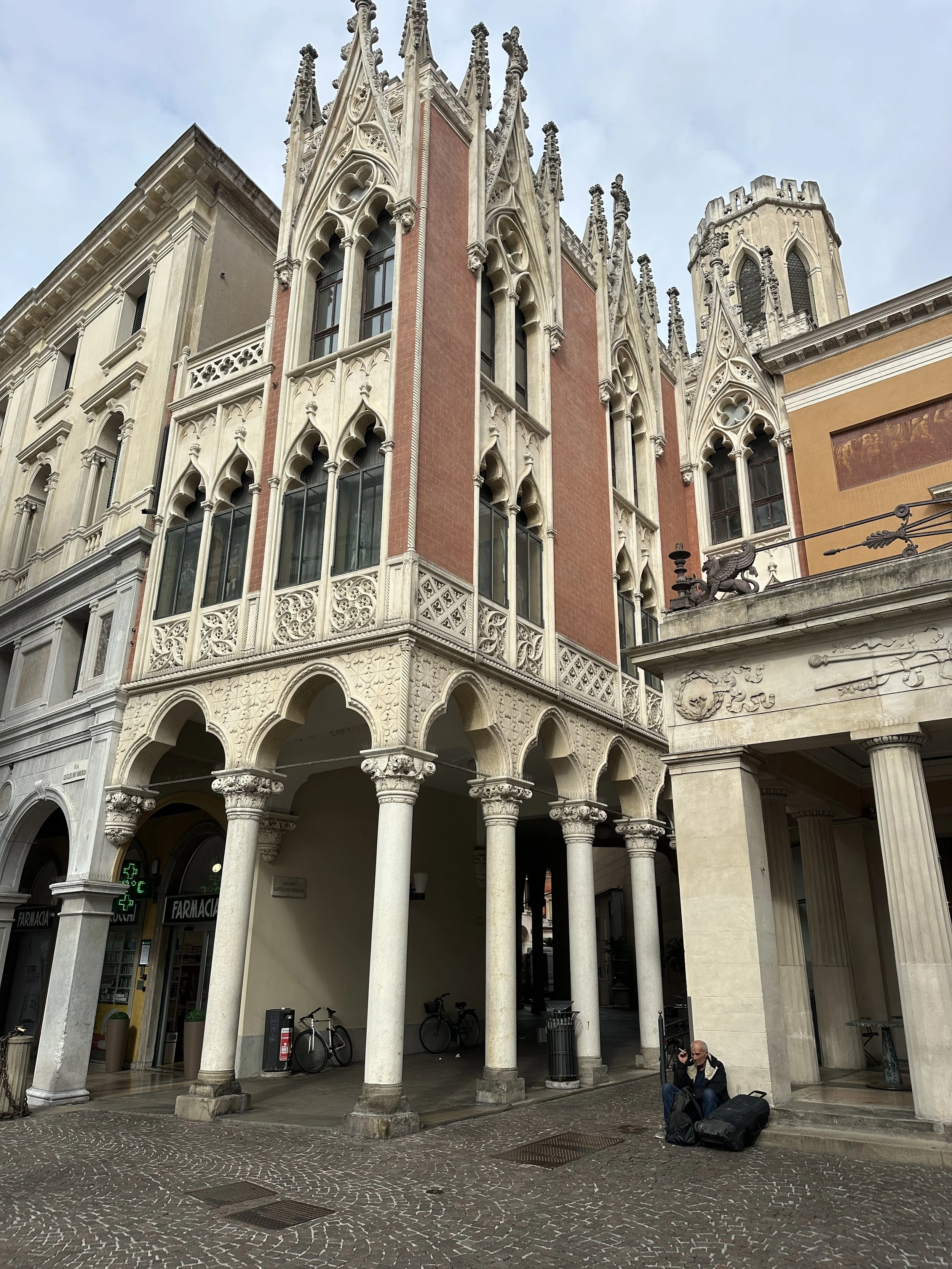
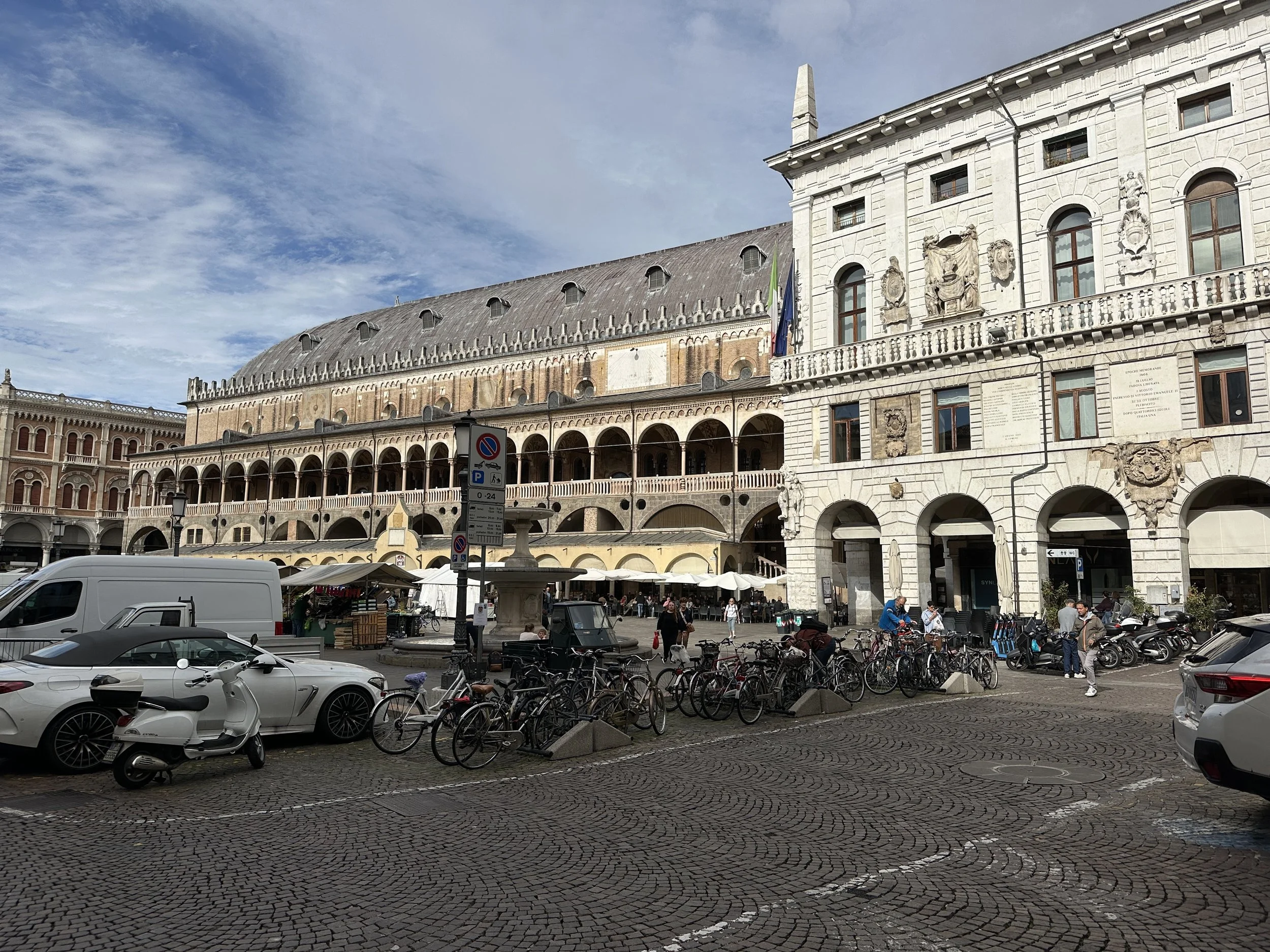
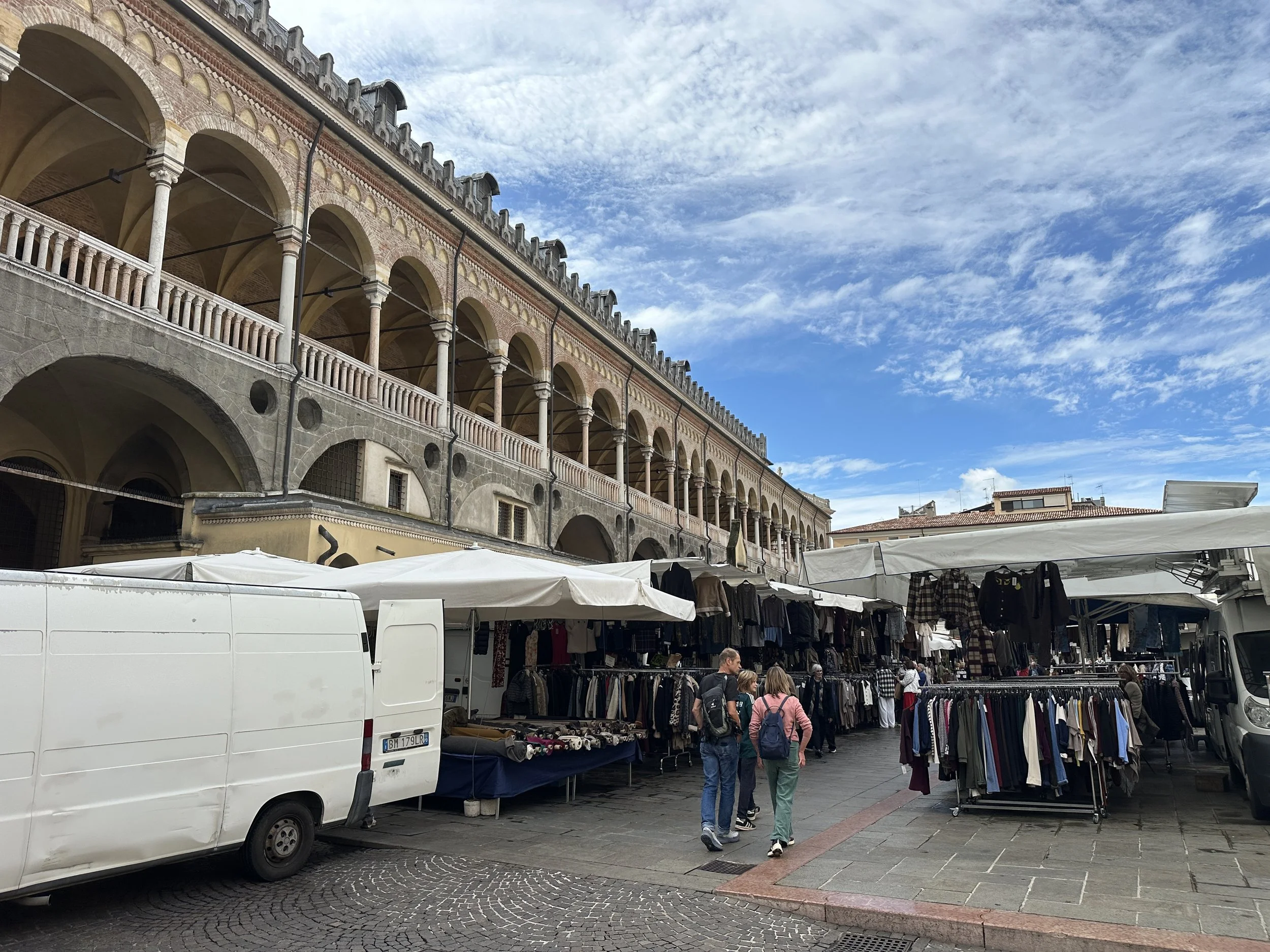
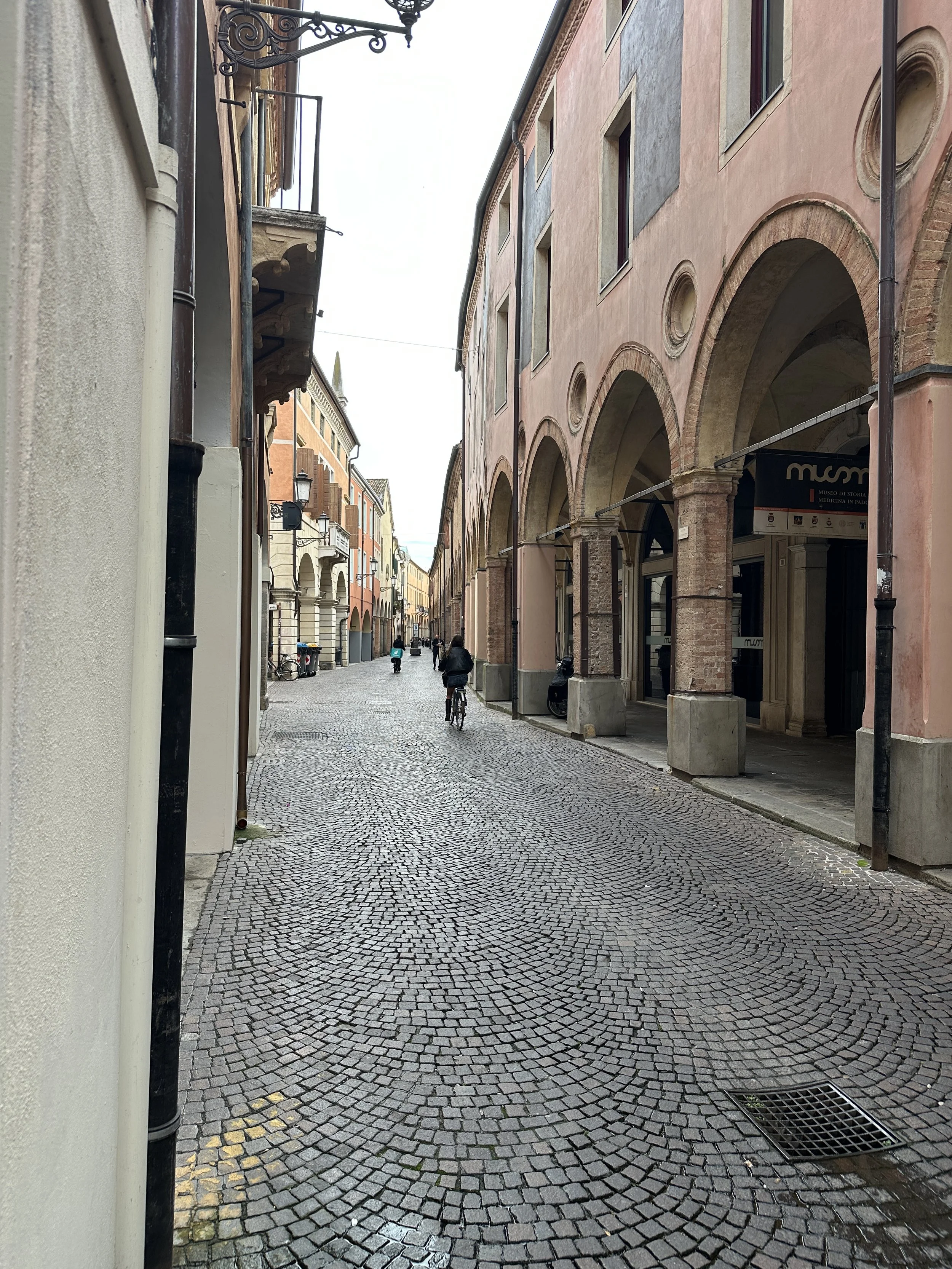
Today a small excursion to Padova, half an hour north on the fast train, to visit Carlo (one of Serge’s host brothers from his time in Italy as an exchange student). Padova is another vibrant University town, with possibly the second oldest European University after Bologna. Very pretty centro storico, and an excellent lunch with a variety of local dishes at Osteria Capo. Heaps of students around.
From the top floors of the hotel we can see the Dolomites — they look very close, majestic, and already with quite a bit of snow.
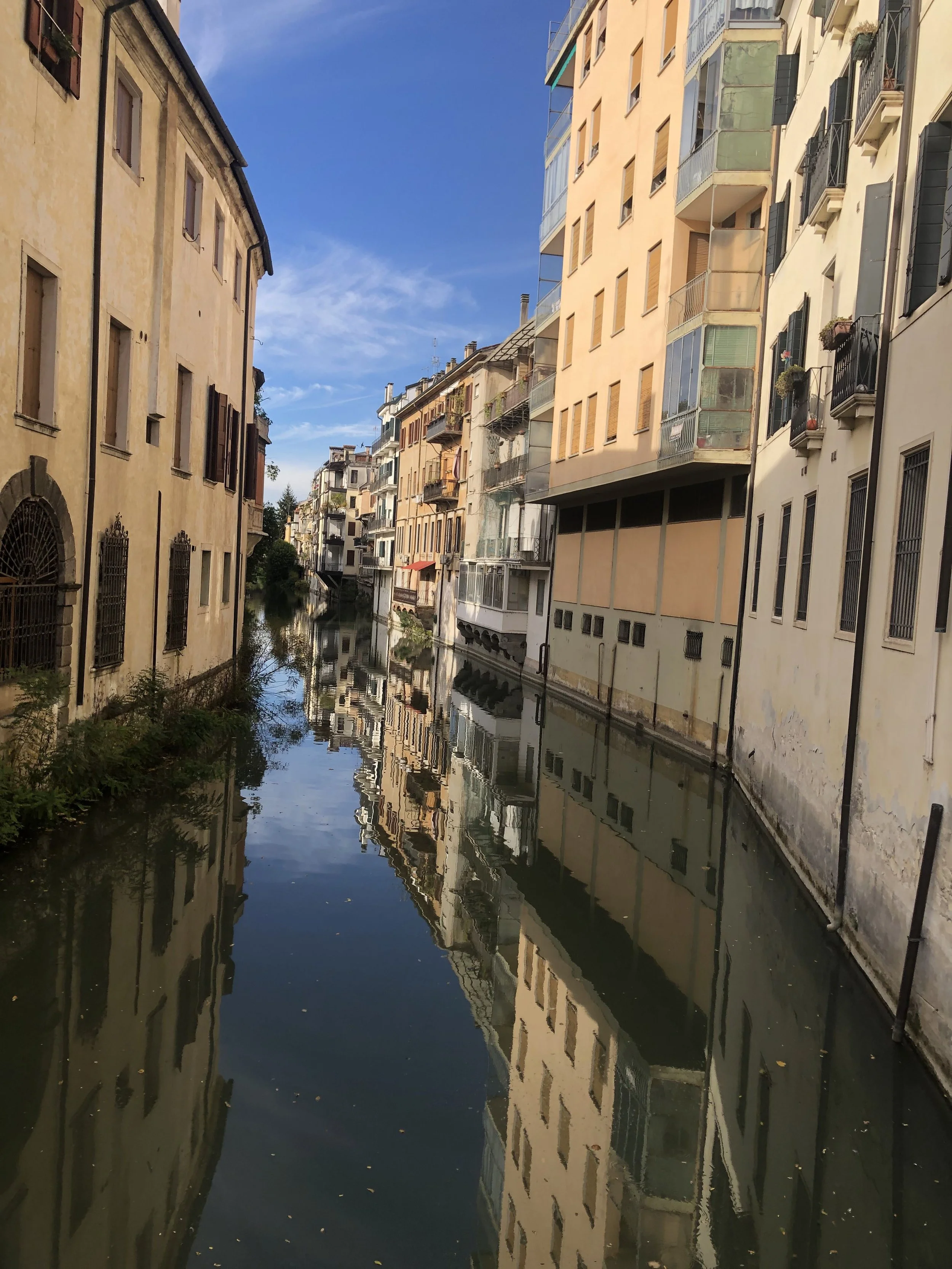
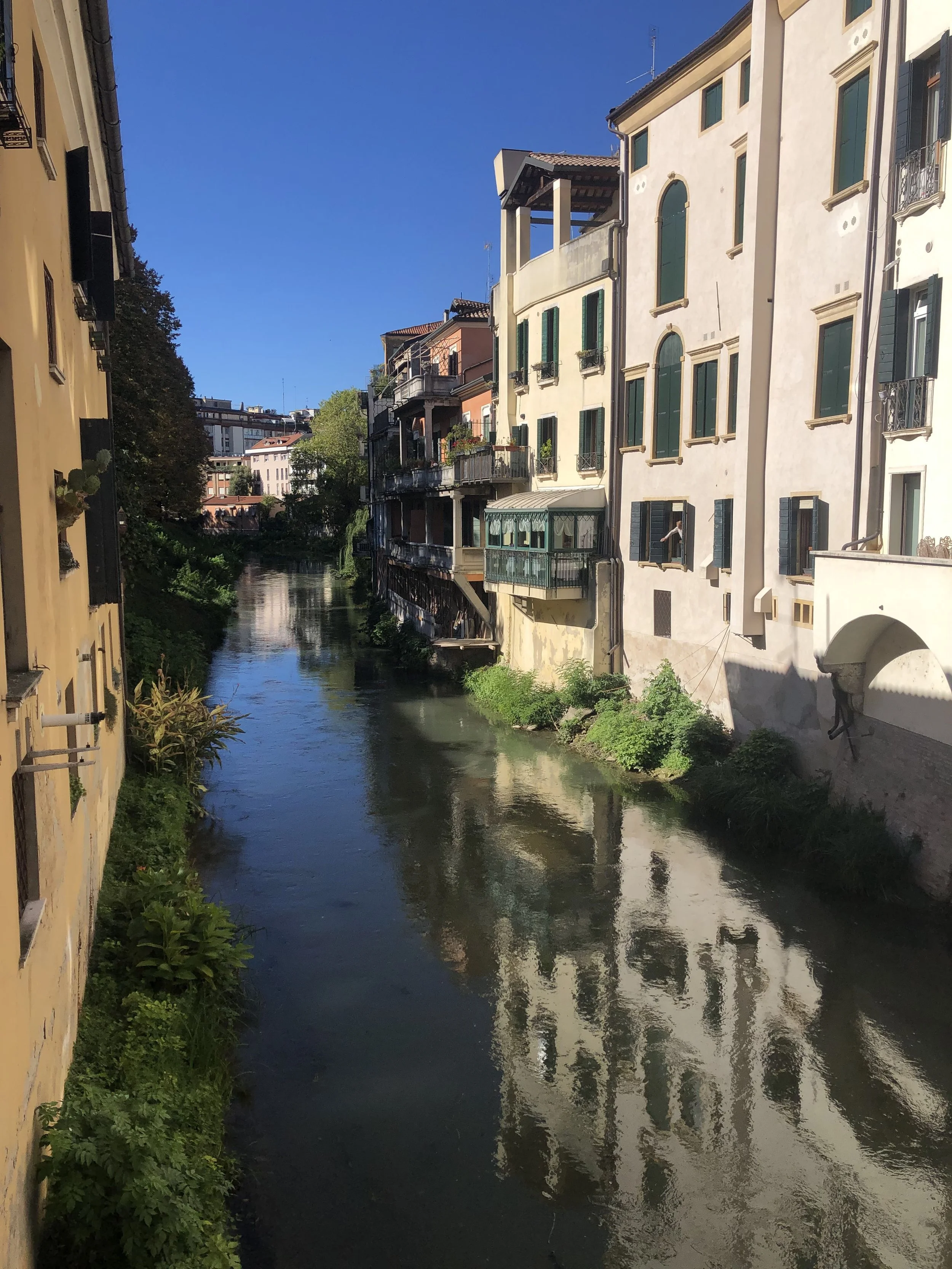
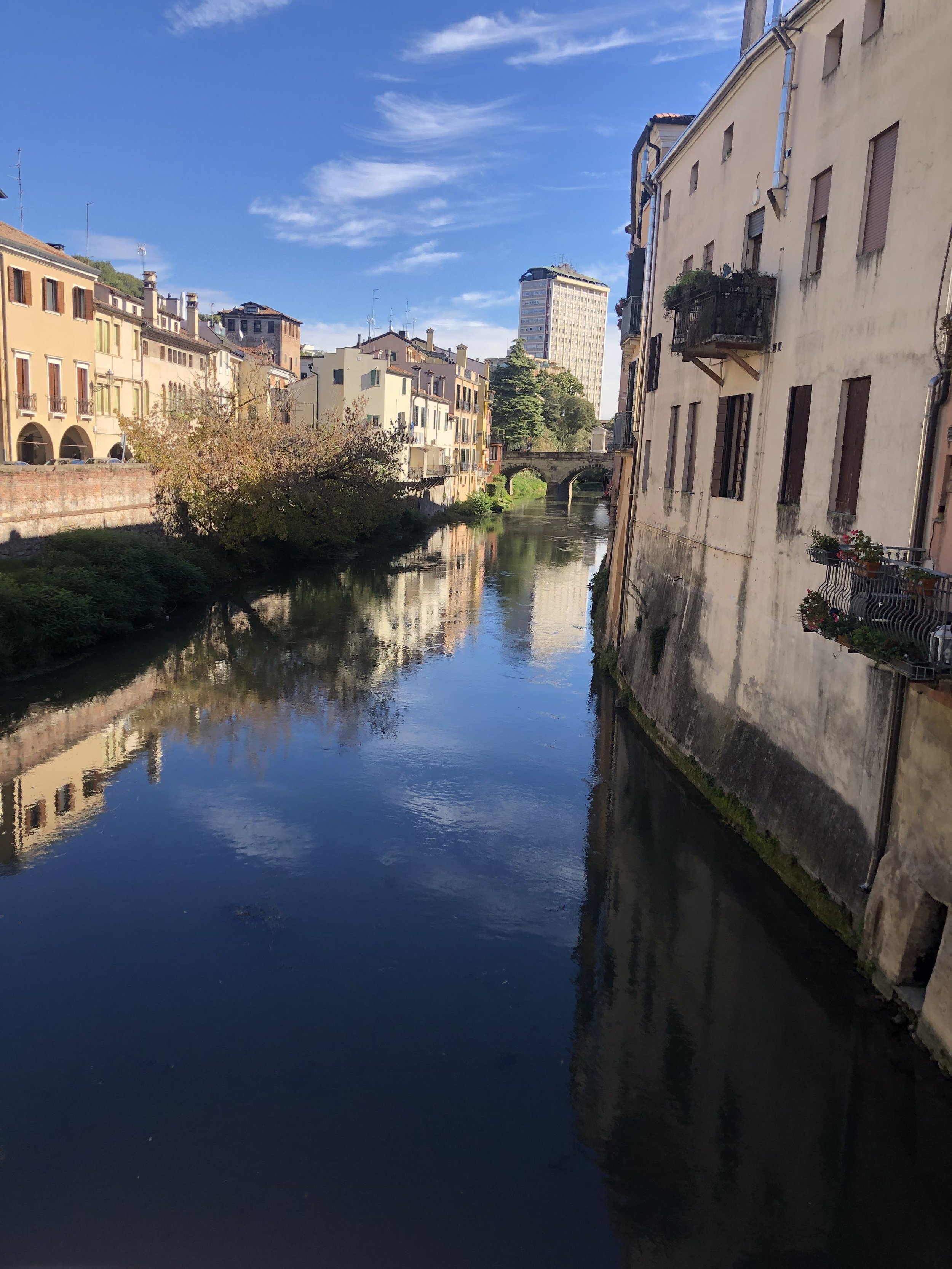
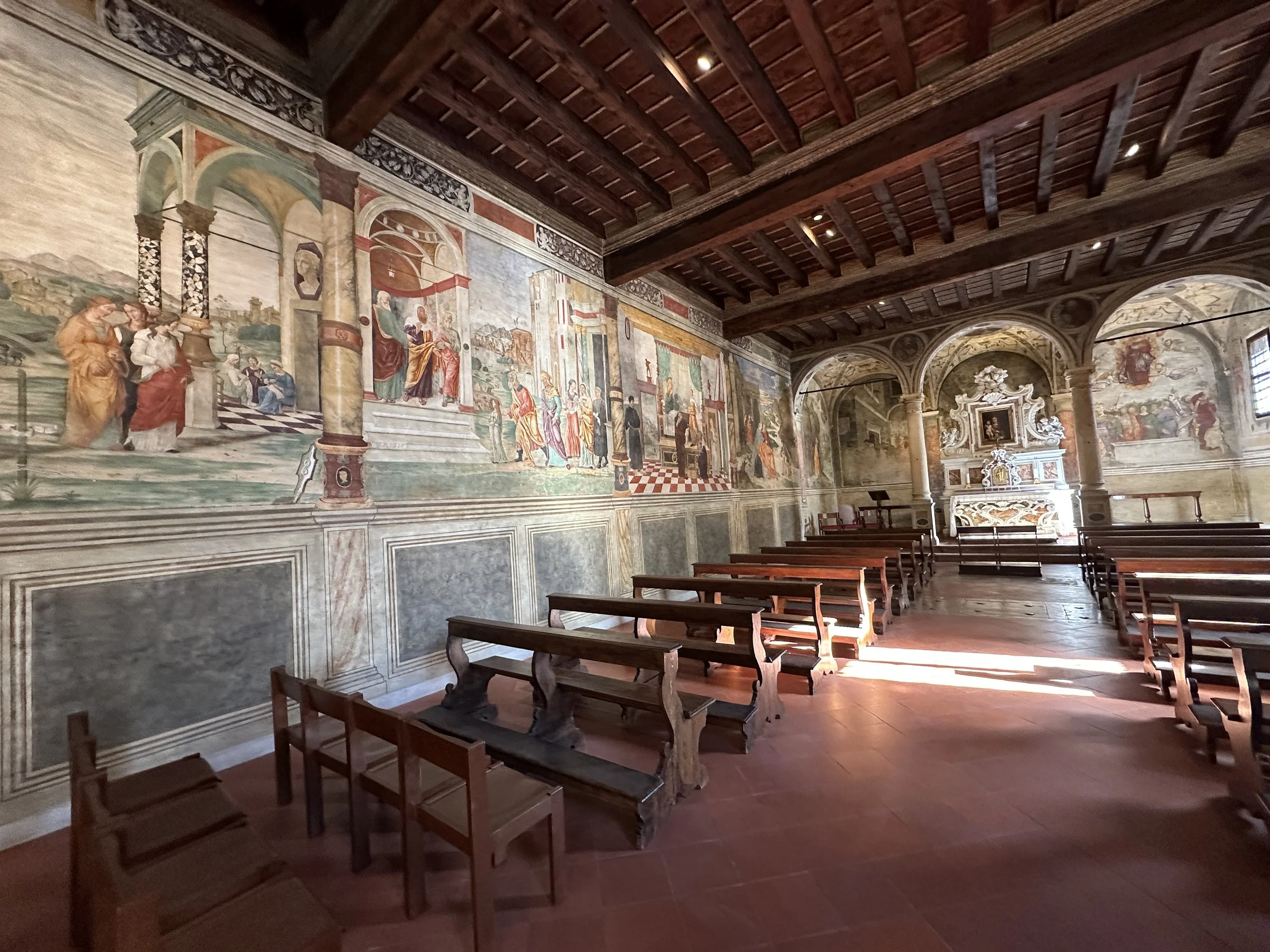
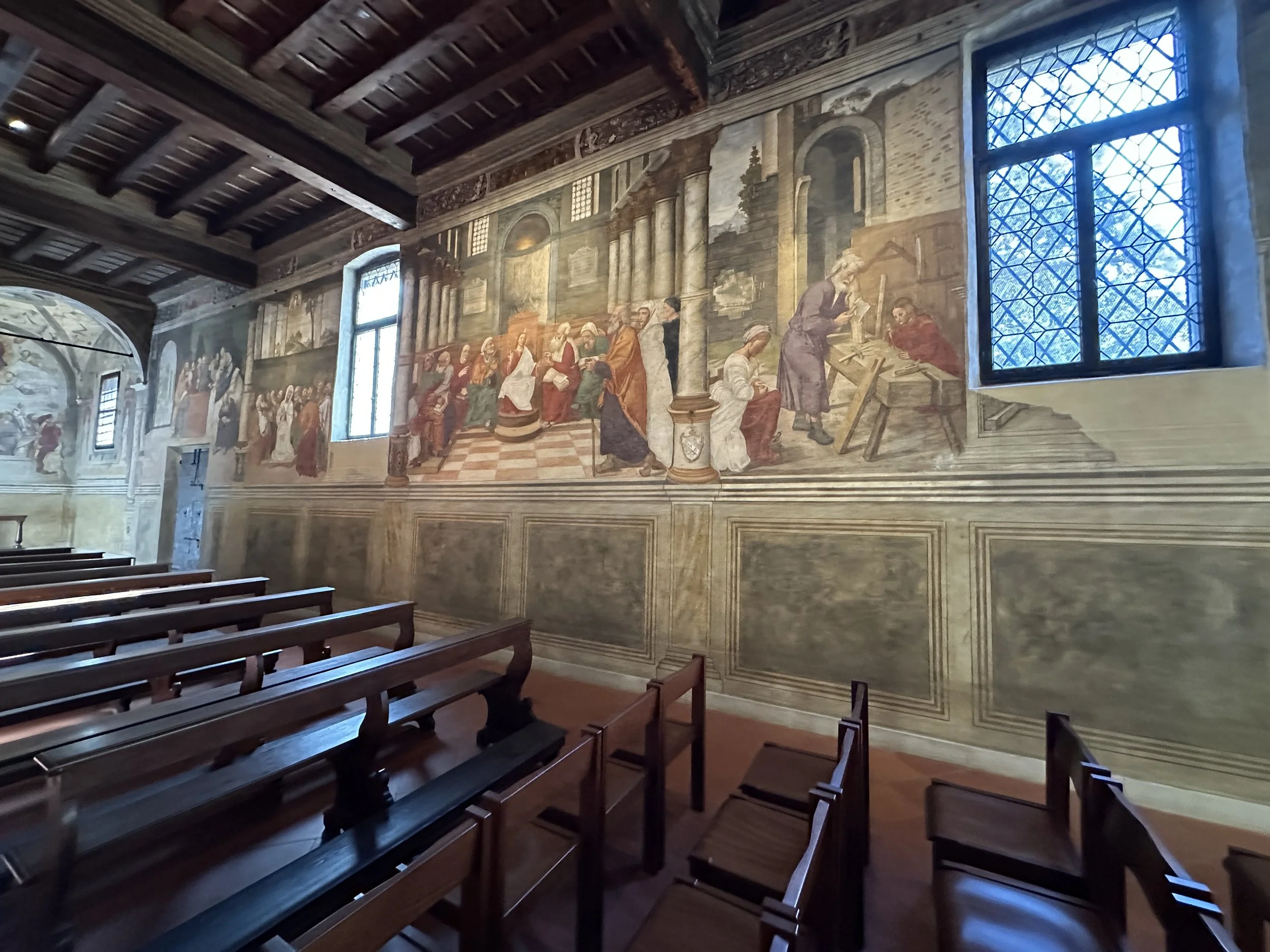
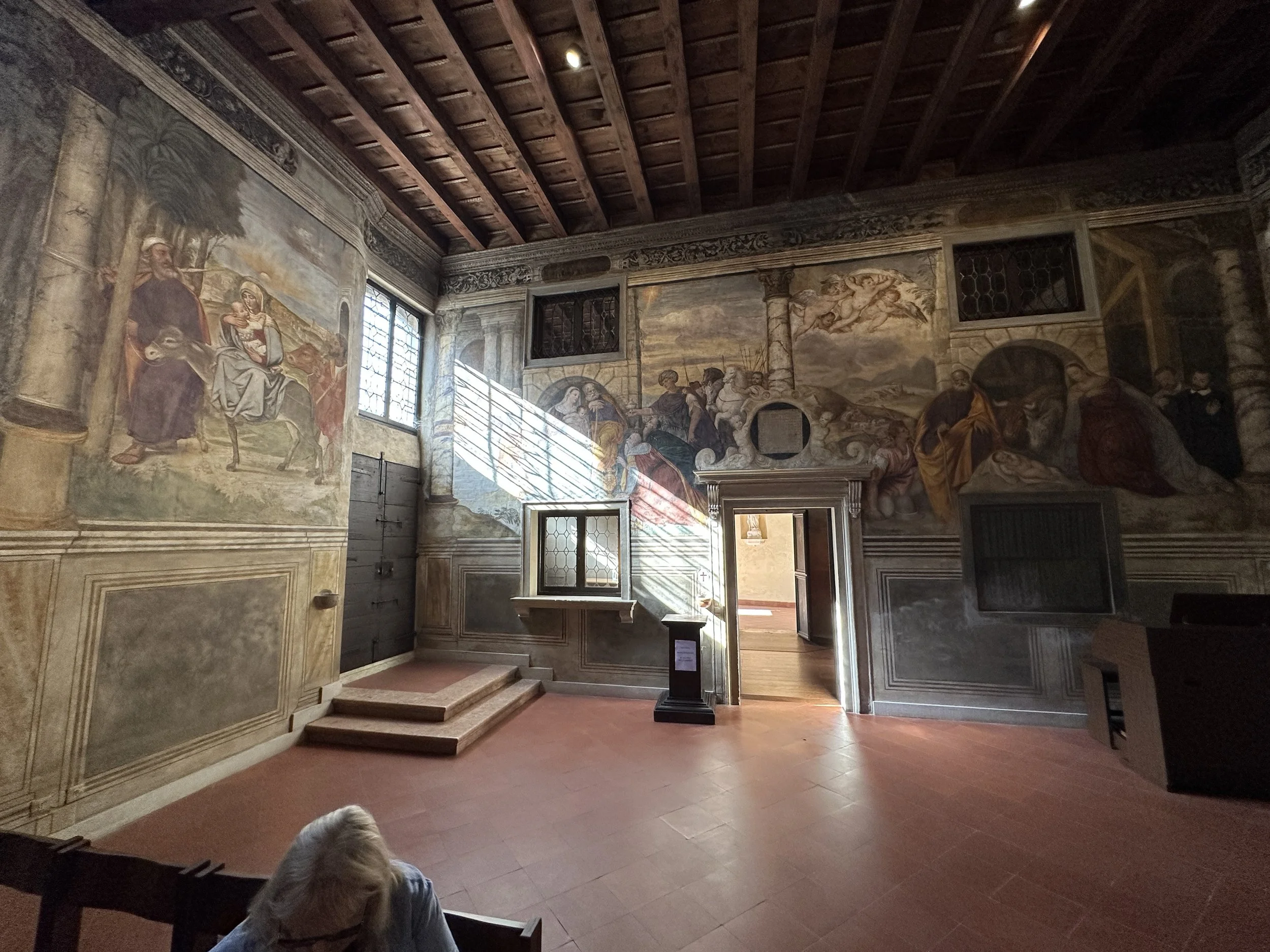
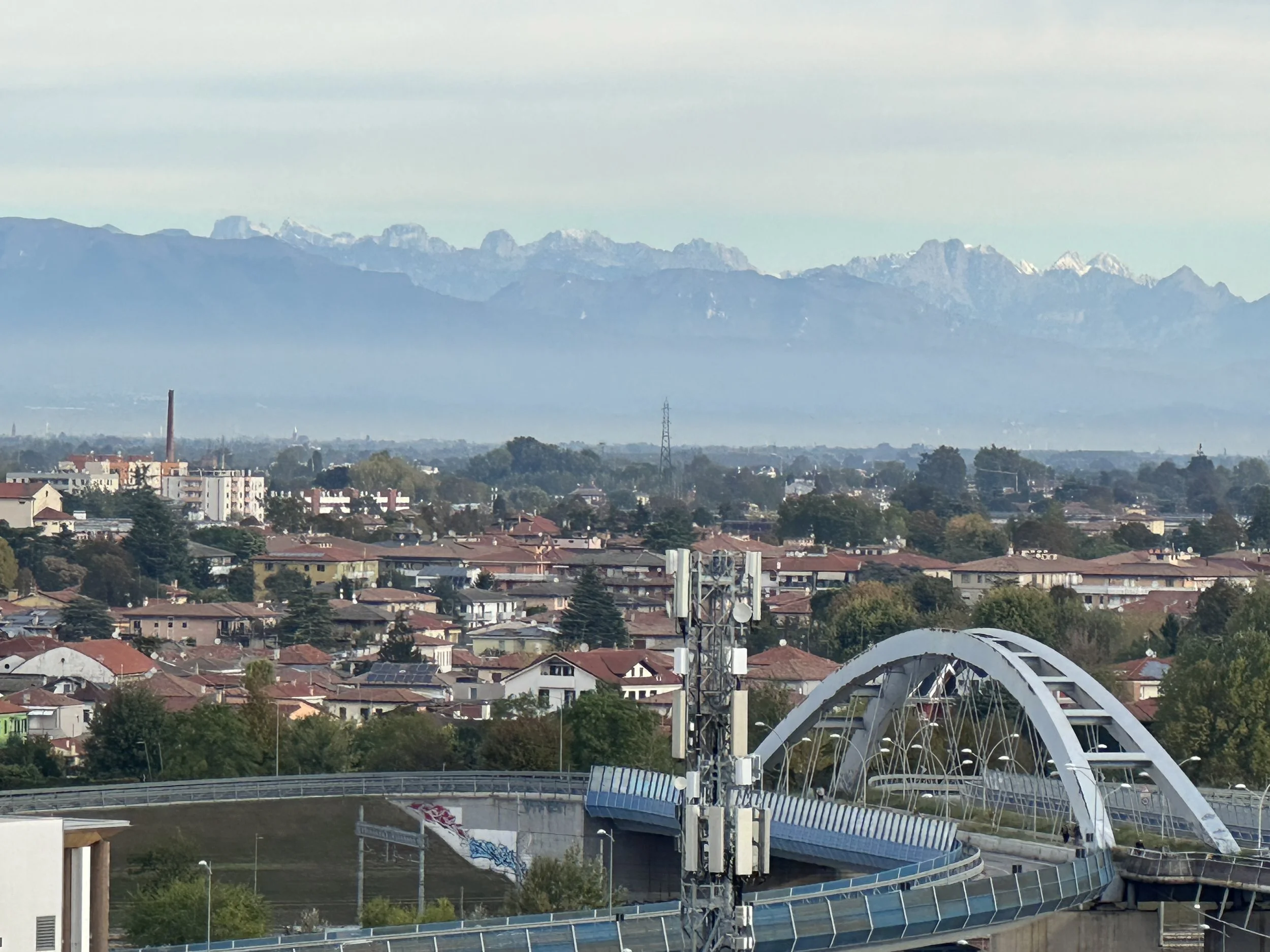
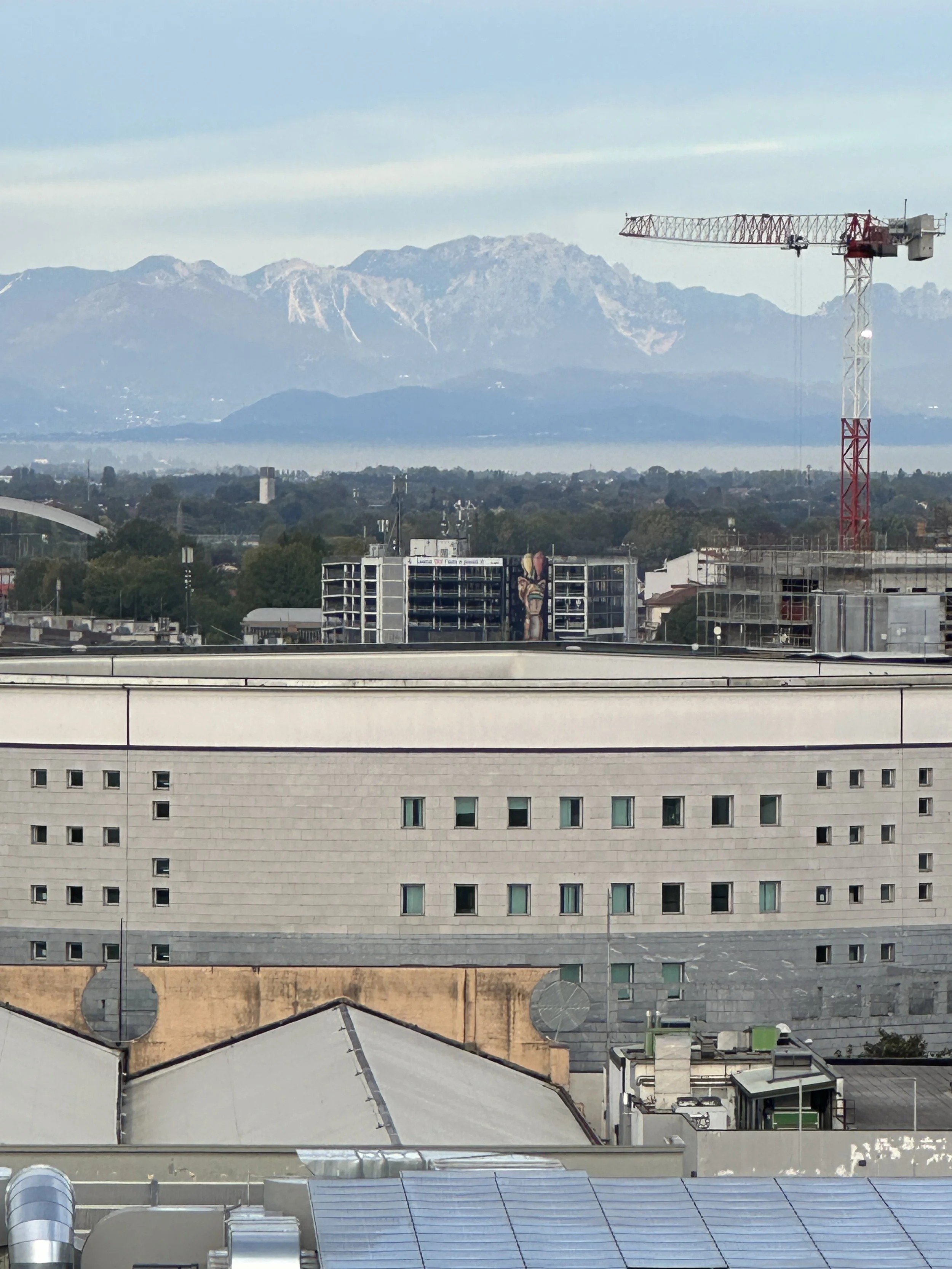
Back to Ferrara for our last night there and we have finally cracked a reservation at Trattoria da Noemi, apparently something of a culinary highlight of this city. Great food, if a little more rich than was needed, including a plate of tagliolini with tartufo. Excellent. Also stuffed zucchini flowers. Delicious.
At checkout we discovered at least part of the reason why the aircon in our room had not been working properly — the municipal government in Ferrara mandates that aircon systems be turned off in October. Save the planet!
A short stopping all stations hop to Bologna, then 300kph non-stop to Milano. I love this train system.
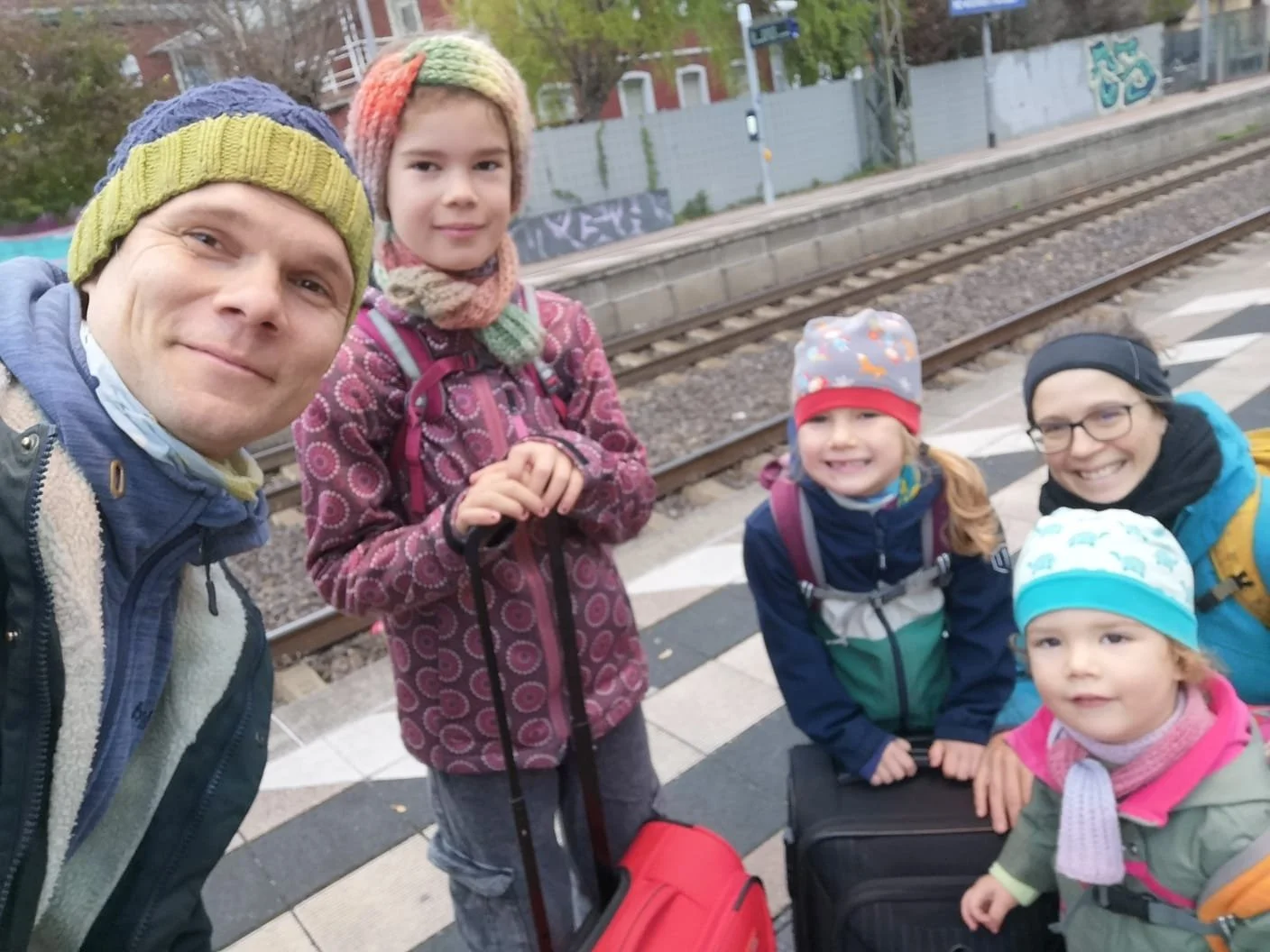
In about 2004 we had an exchange student Franz, from the former East Germany, stay with us in Ivanhoe for a year. A quite amazing young man. He and his partner Anne and their three kids (Frida 8, Karla 5, and Lotta 2) will meet us in Milano. That is a very exciting prospect, I’m really looking forward to meeting the girls for the first time, and of course catching up with Franz and Anne. They have an AirBnB a little outside the centre. SWCBN and I have a few cultural activities lined up for later in the week (Duomo, Da Vinci’s Last Supper, Verdi’s requiem at La Scala, and some jazz). And there are student demonstrations expected on Saturday around the Centre where we will be staying. Plenty to look forward to.
Milano
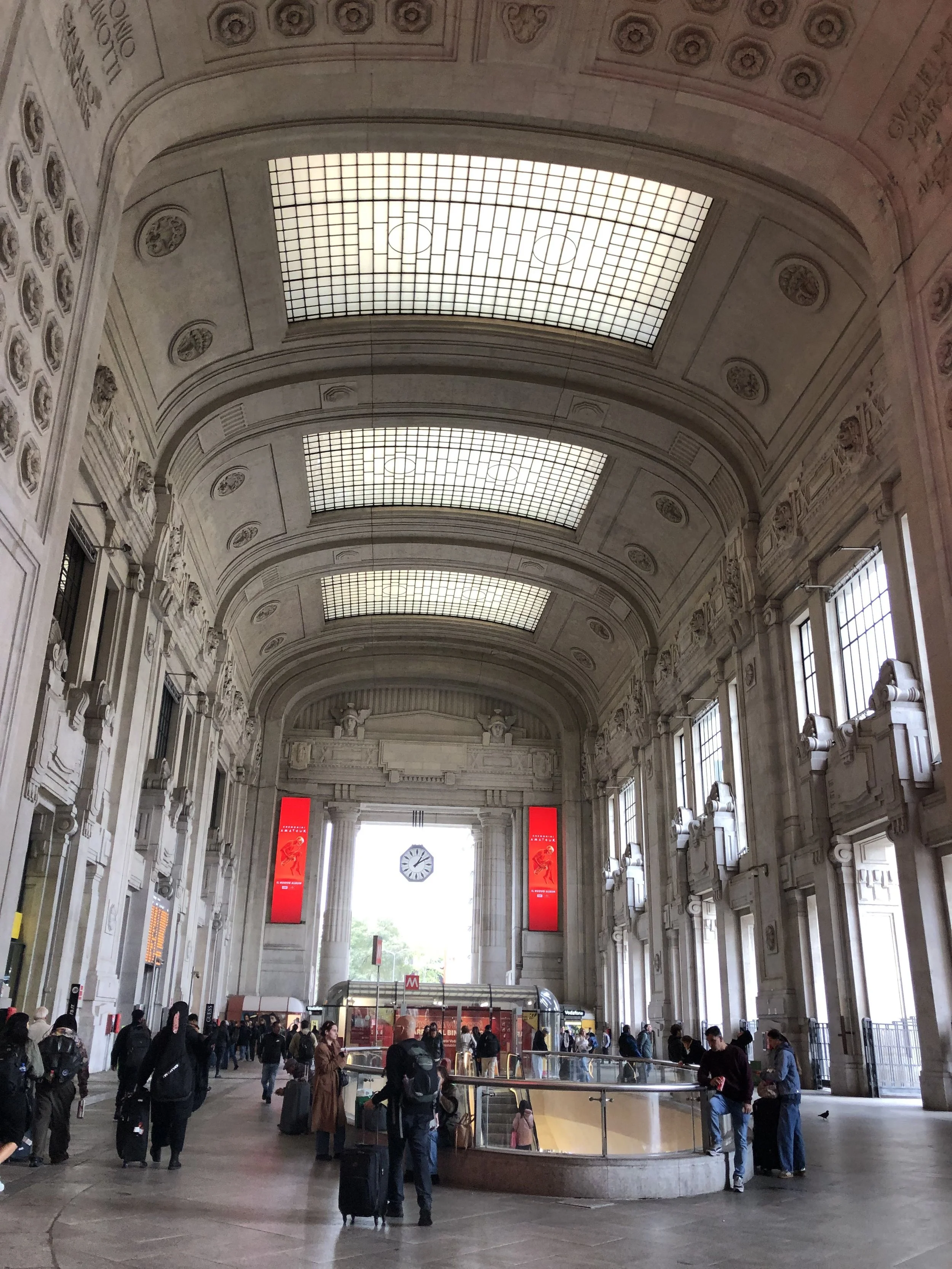
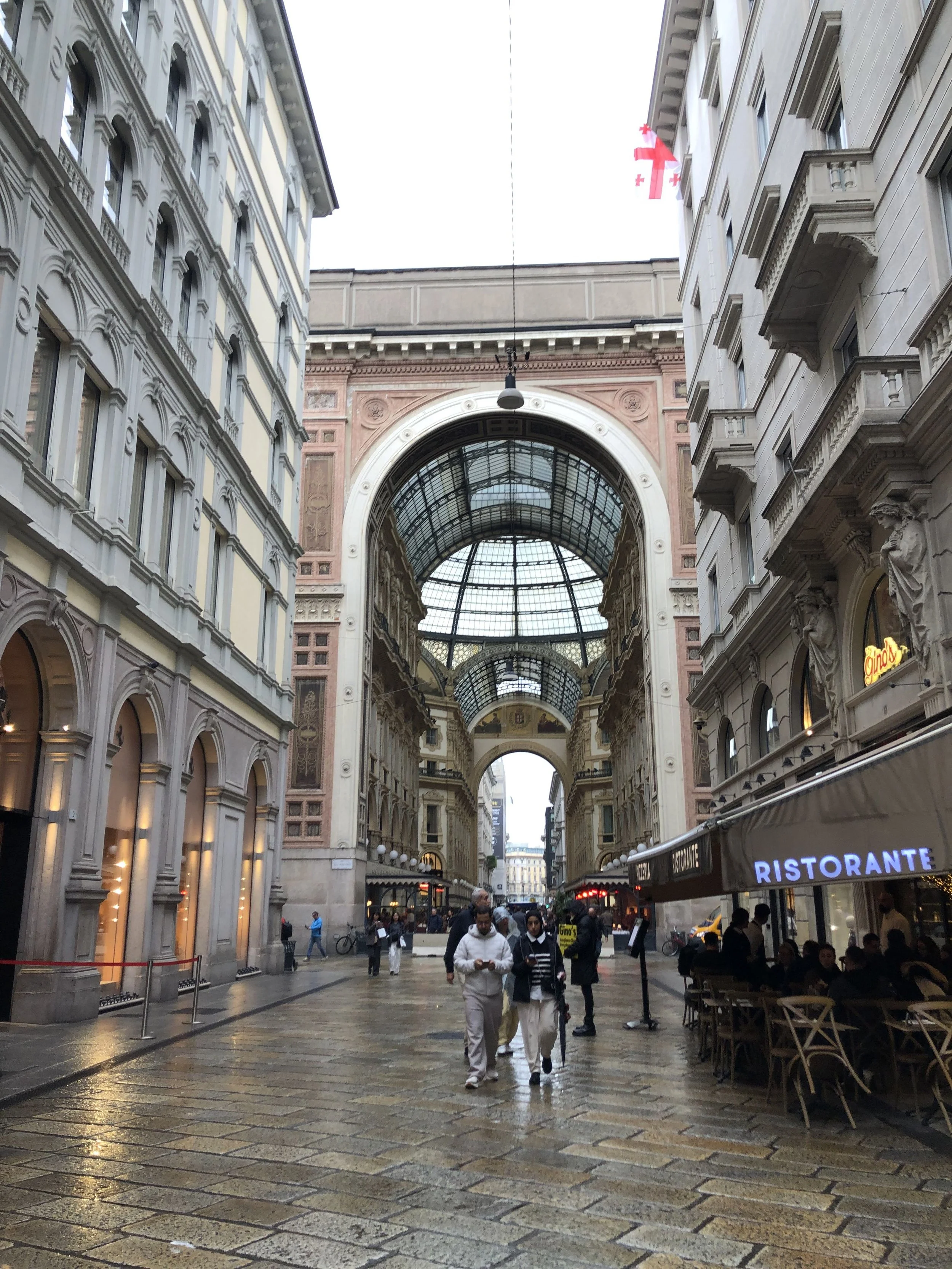
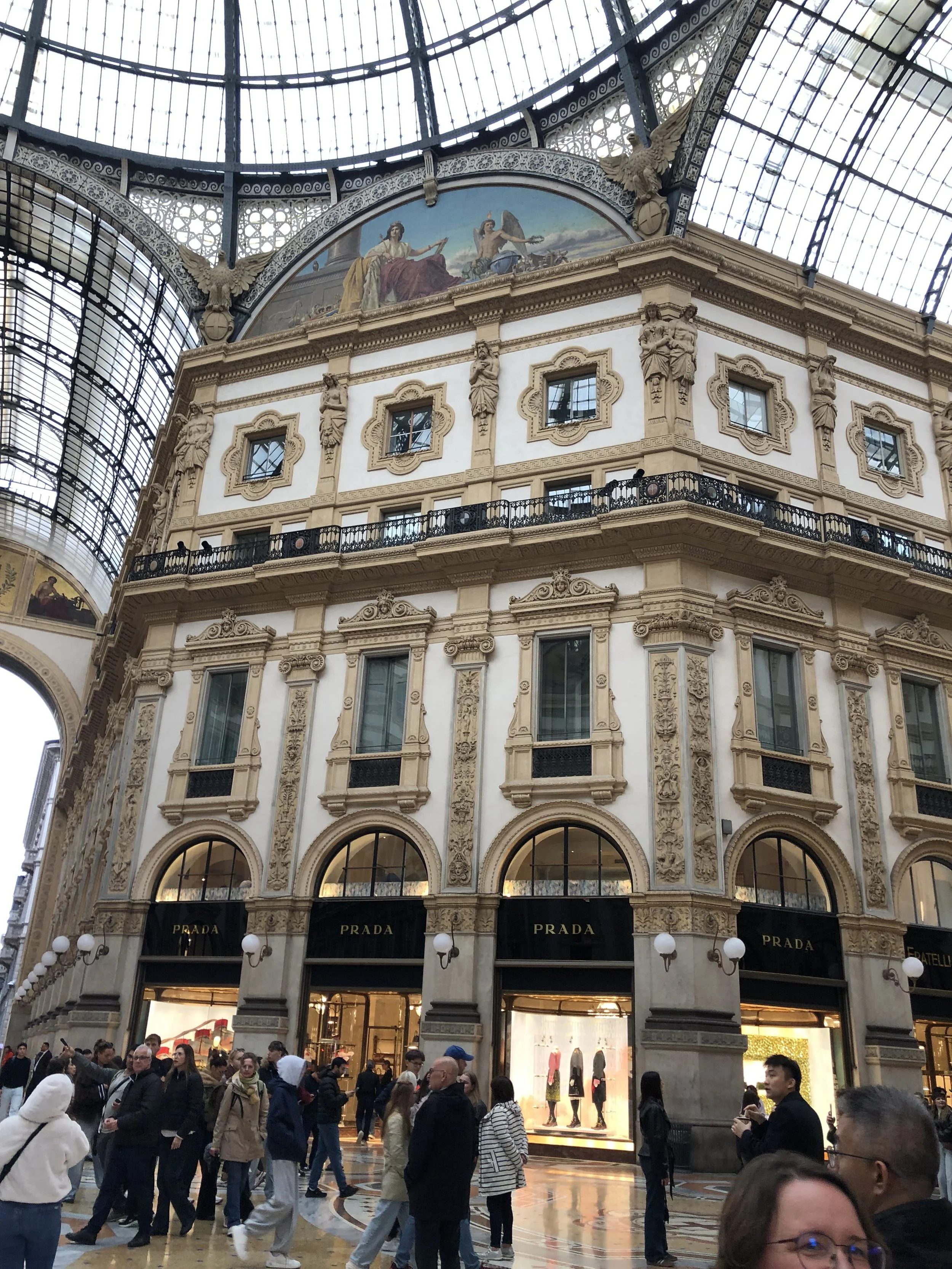
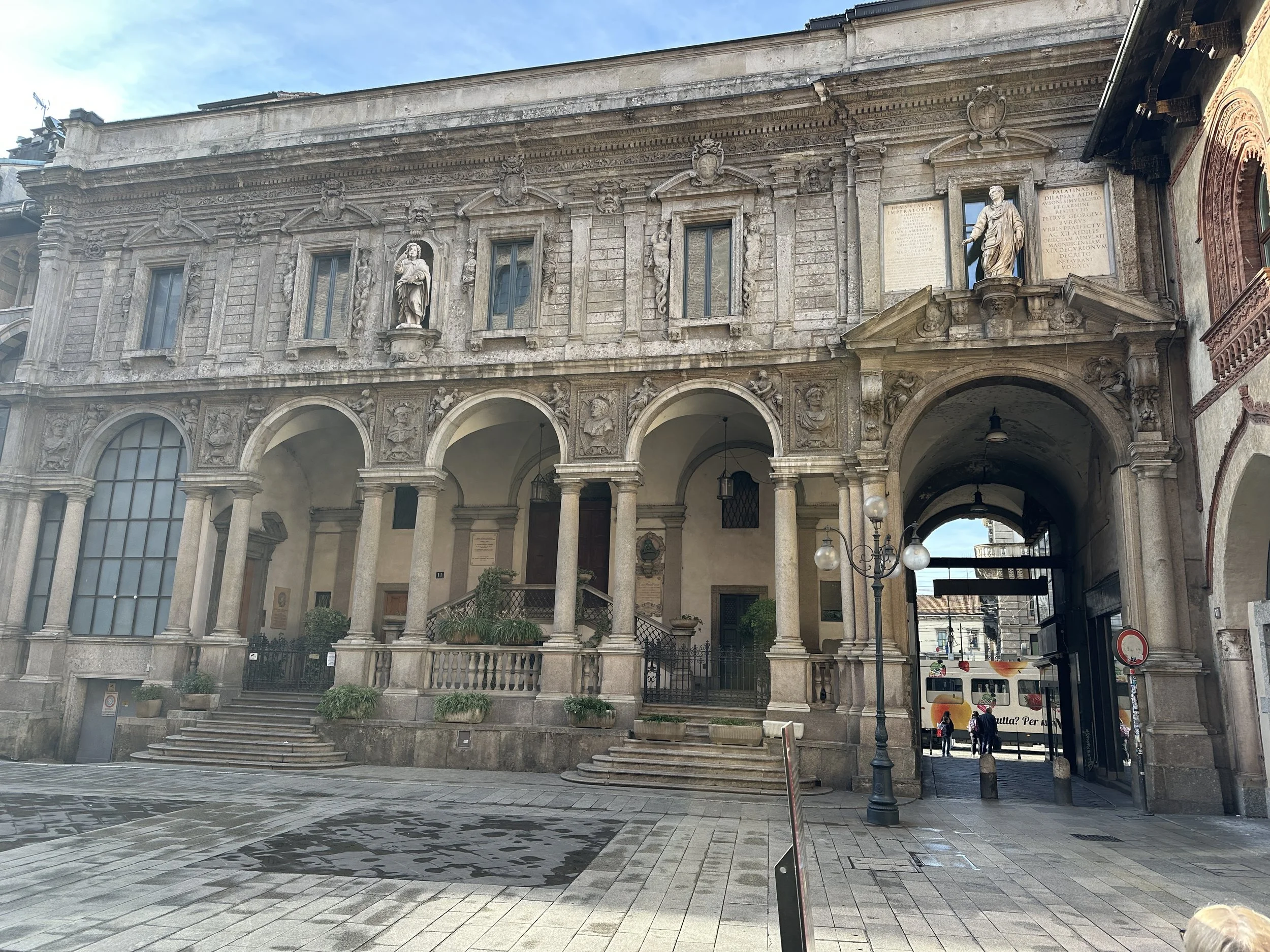
Milan Central Stazione is an extraordinary building. Huge. High. Decorative. Multi-layered with a sequence of enormous galleries each 20 or so steps as you emerge. Later we learned it is the second largest station in Italy. We managed the transfer from Stazione Centrale to the Metro system for the shortish trip to our hotel. The Metro station we needed was Duomo, and the sight as we emerged into the Galleria Vittorio Emanuel II was breathtaking, only surpassed by the Duomo itself. A memory that I’m sure will stick. SWCBN remarks ‘why has it taken us almost 50 years to find Milan?’
Milan is Italy’s second biggest city, with 5 million people in its extended area. It has 5 metro lines, with a 6th (a metropolitan circle) in early stages of planning. It has an extensive network of electric trams. And I guess a few buses, but not so much in the middle. A busy working city, with a relatively small centre that is the target of tourists. But even in there, plenty of normal business is going on.
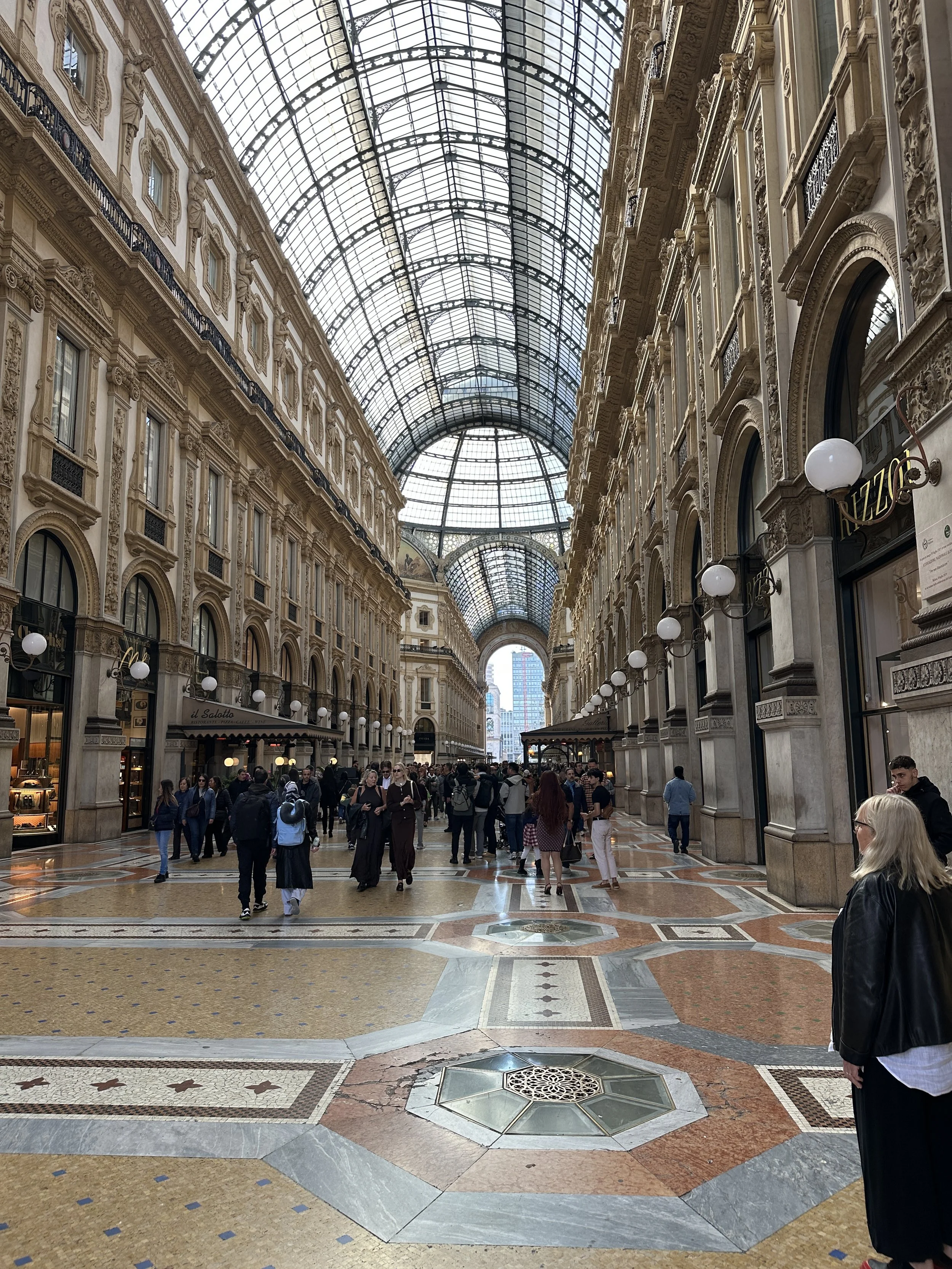
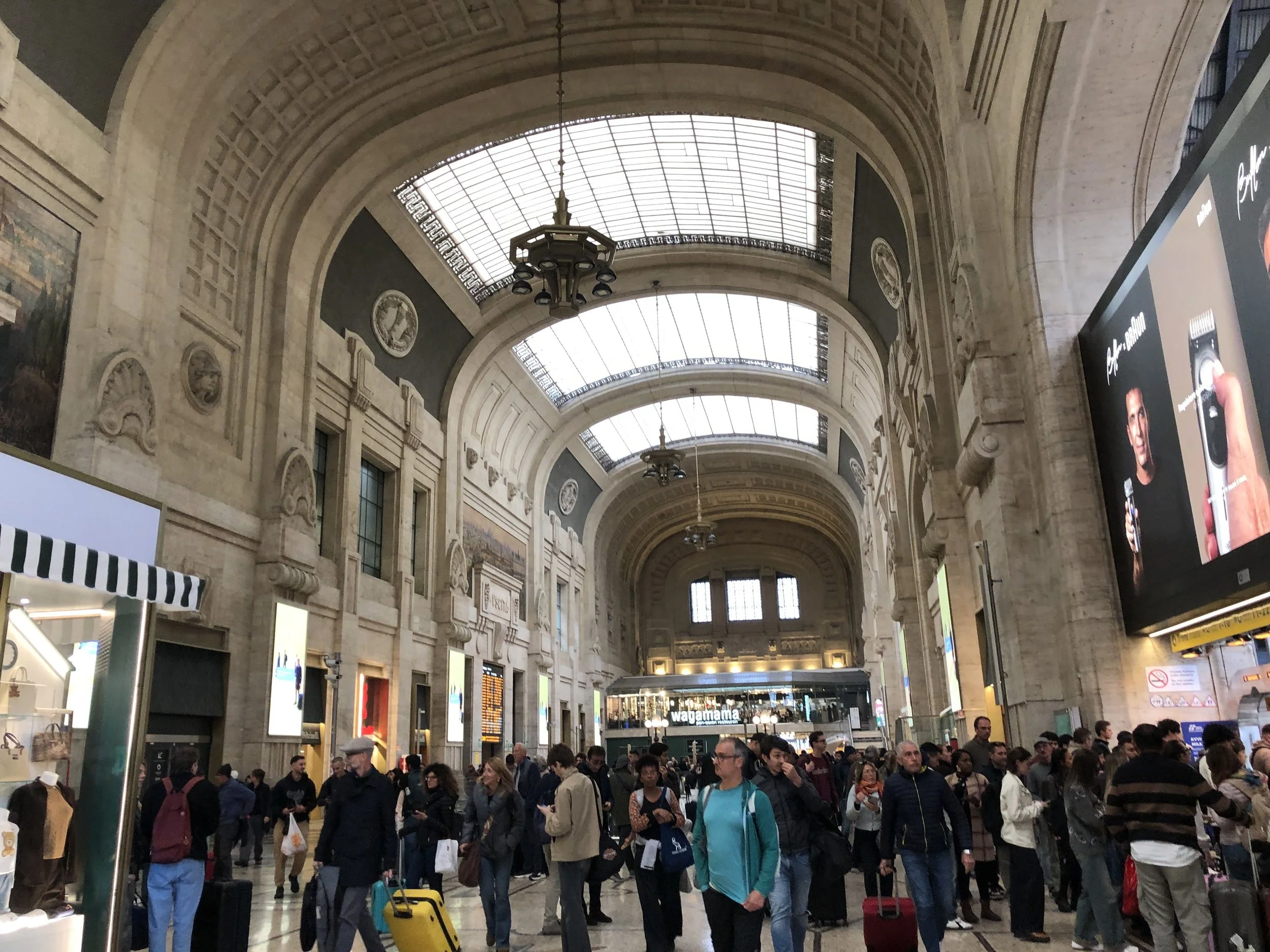
Ah, abbiamo trovato una piscina nell’hotel. SWCBN in her heaven. While she was doing that, i organised an excursion to Lake Como for later in the week. Bus ride followed by some on-water activity, and hopefully lunch overlooking the lake and mountains.
A day of exploring. Jumped on a random tram, which took us past a neighbourhood labelled ‘Chinatown’. Will have a better look there later. Then we switched to the metro, looking for the mercato centrale. We couldn’t find what we were looking for, because it turned out to be just a food court in the central station. A taxi ride to near home for lunch at what is becoming our go to local. Stuffed zucchini flowers, then cotoletta milanese served with risotto milanese (both courses per condividere) was all excellent. I think I have this excessive quantity issue licked.
Much later we went looking for evidence of demonstrations in the main square, but there was none. Apparently tactics changed and the demonstrators mounted a big march in a different part of Milan. But we did find a very interesting snack called ‘fried pizza’. It seemed to be a small round of pizza dough folded around the filling, then quickly deep fried. A stupendous idea.
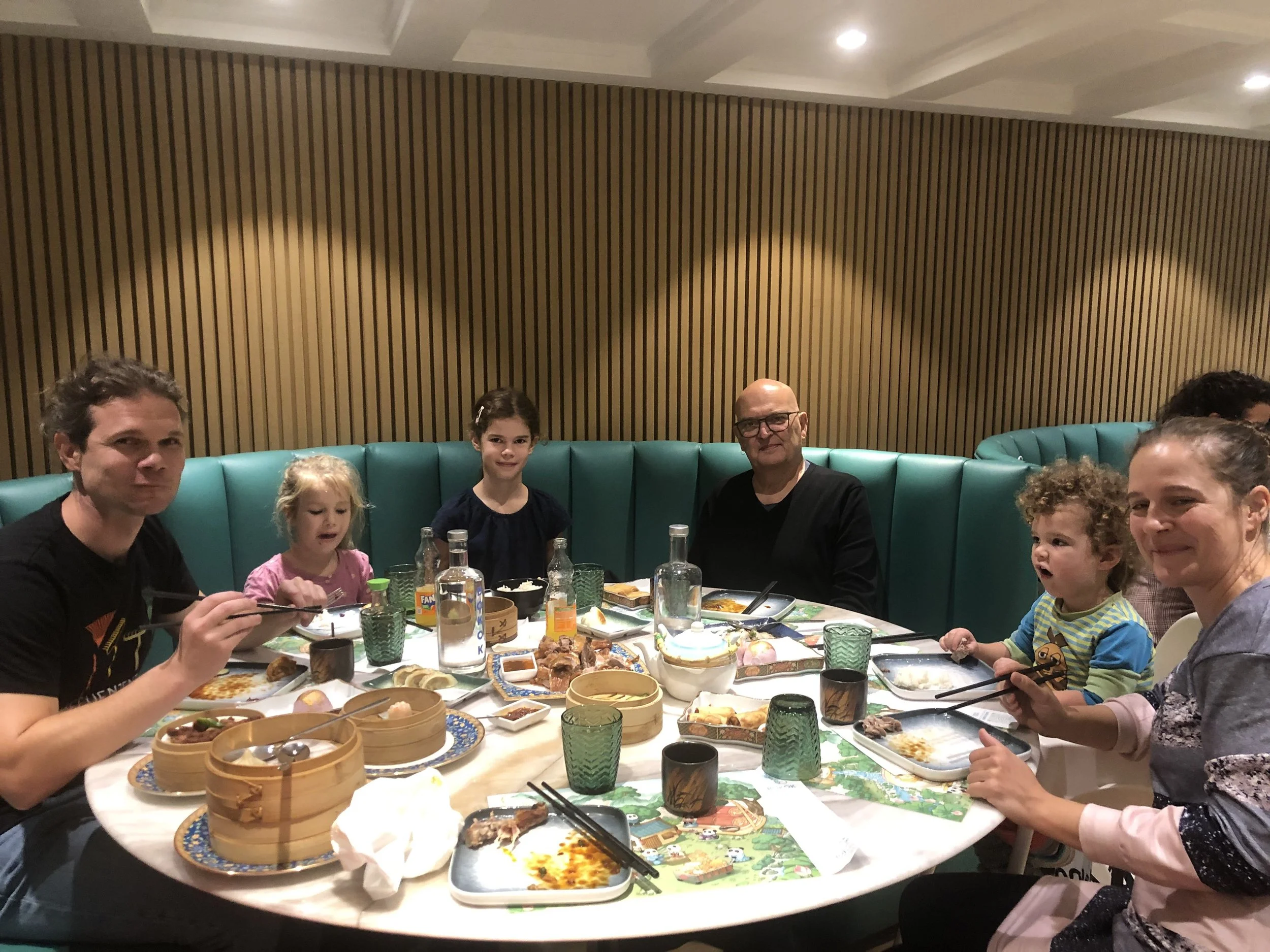
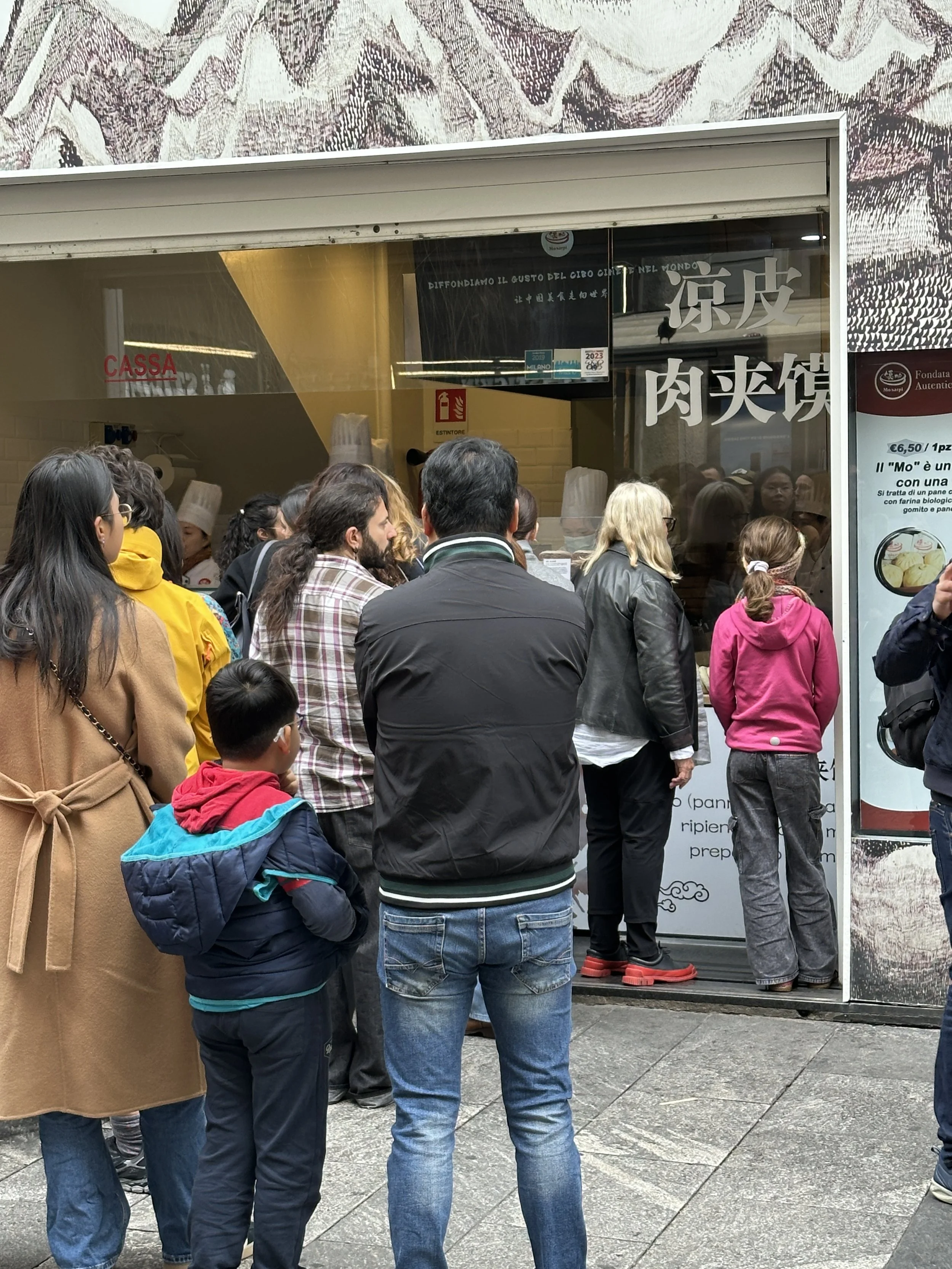
The Germans have arrived, we are about to meet them in a playground a tram ride away. The meeting was great, followed by dim sum for 7 at a place in Chinatown. I’m staggered that such a thing exists in this quite monocultural country. Somehow the Italians have generally inveigled their visitors to adopt local ways. But there is a real and quite extensive Chinatown in Milan. It was the perfect eating option, each of the kids found things they liked. They were all very cute, each reaching out to us in their own way.
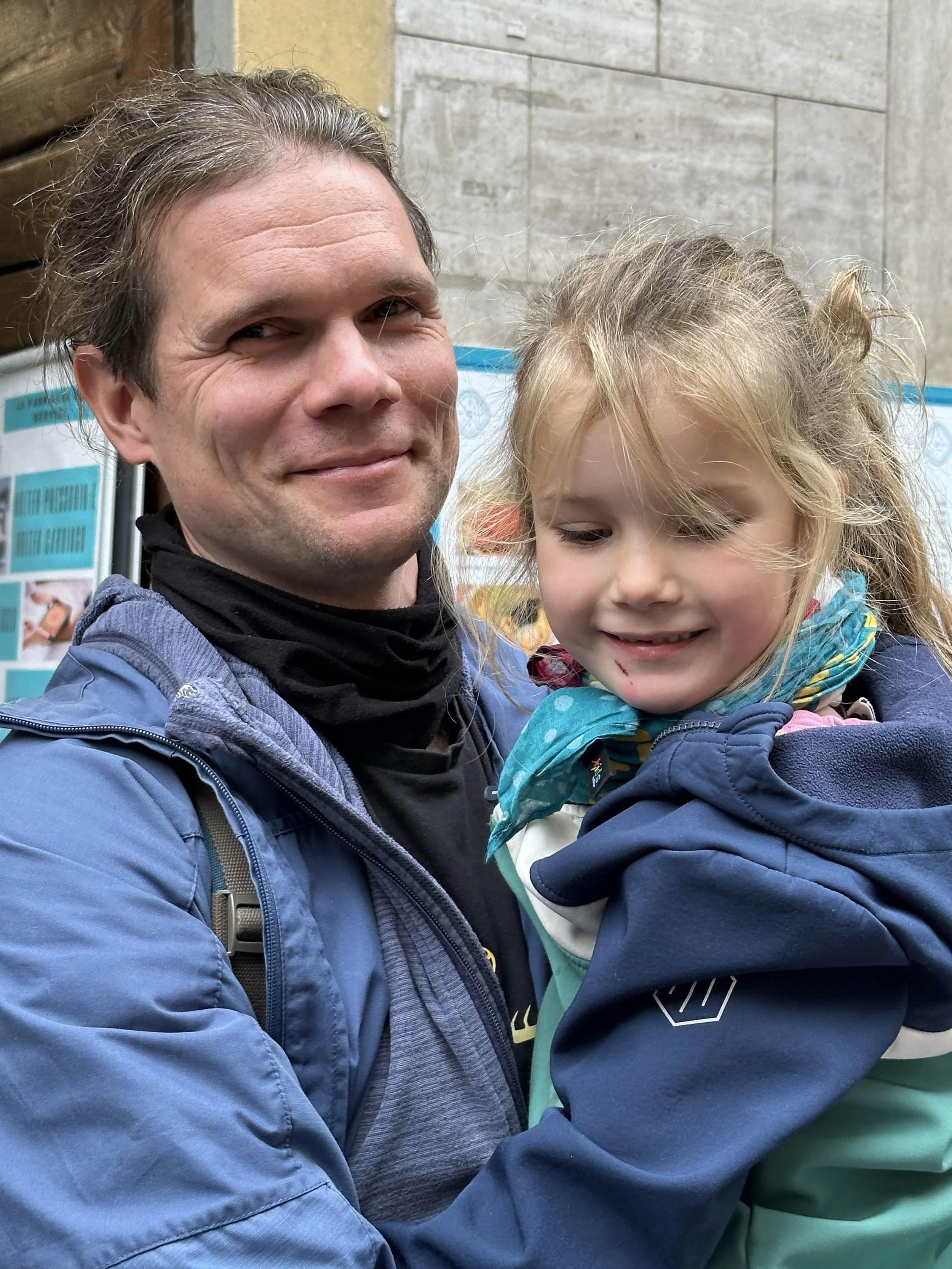
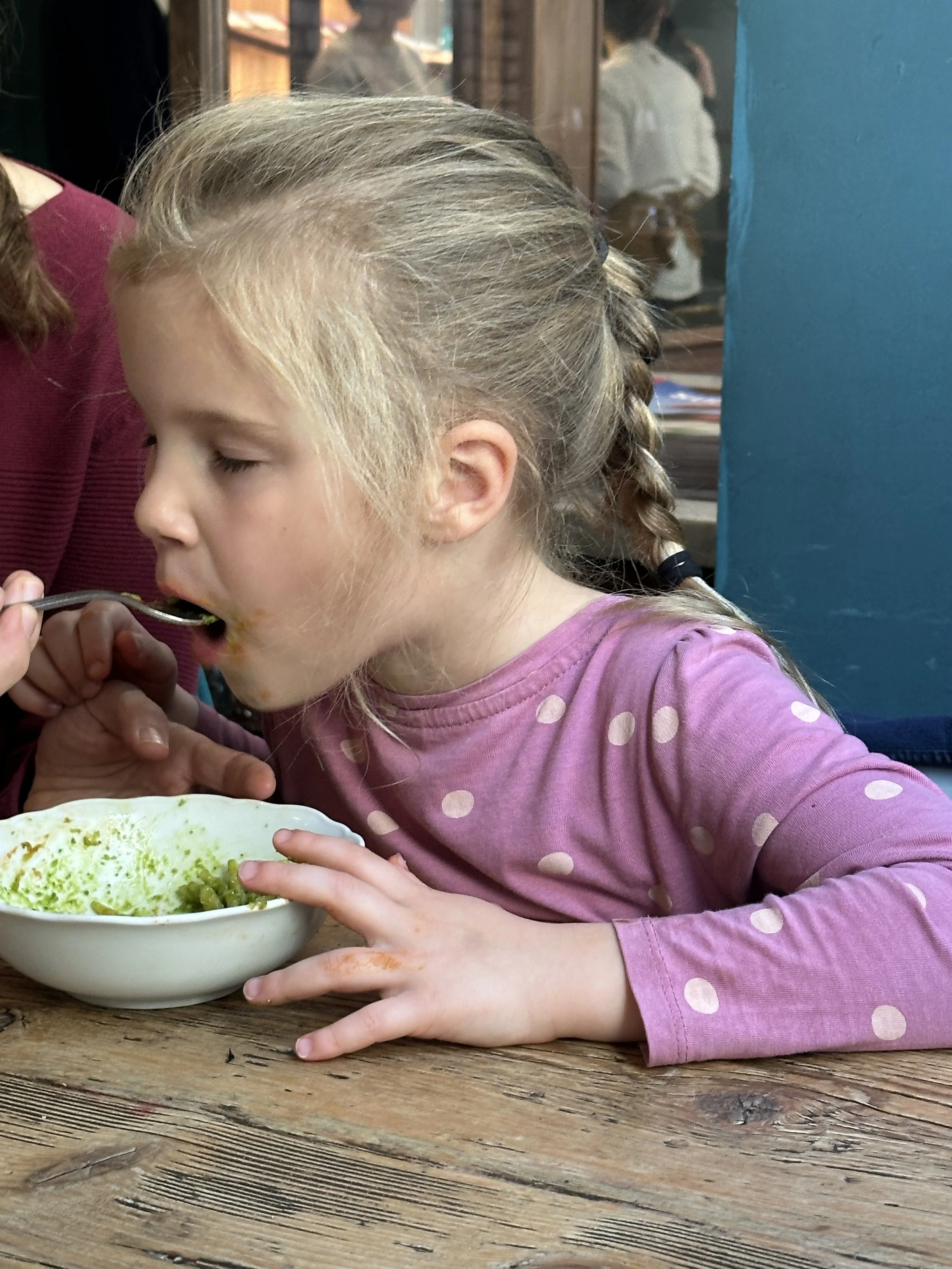
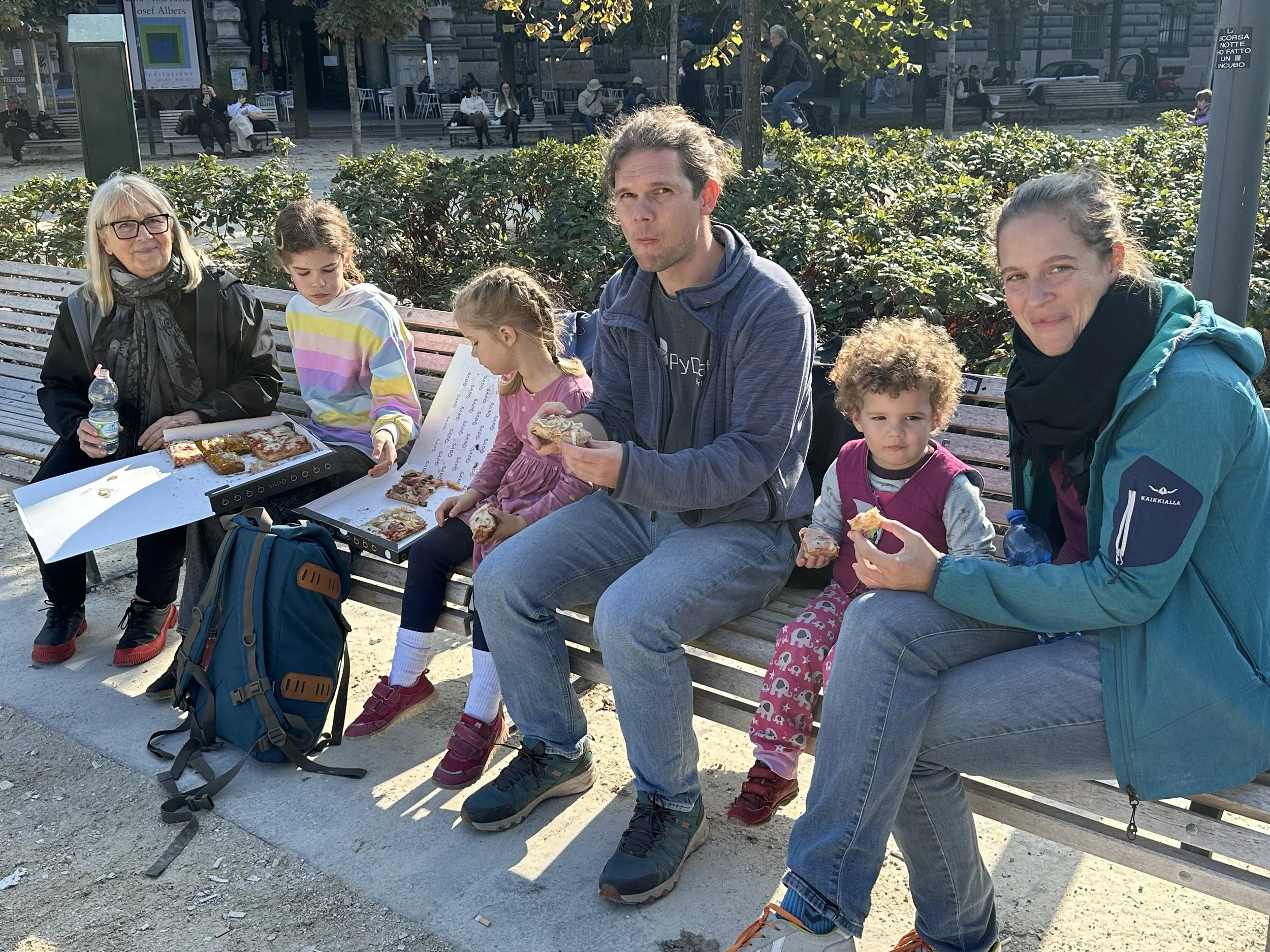
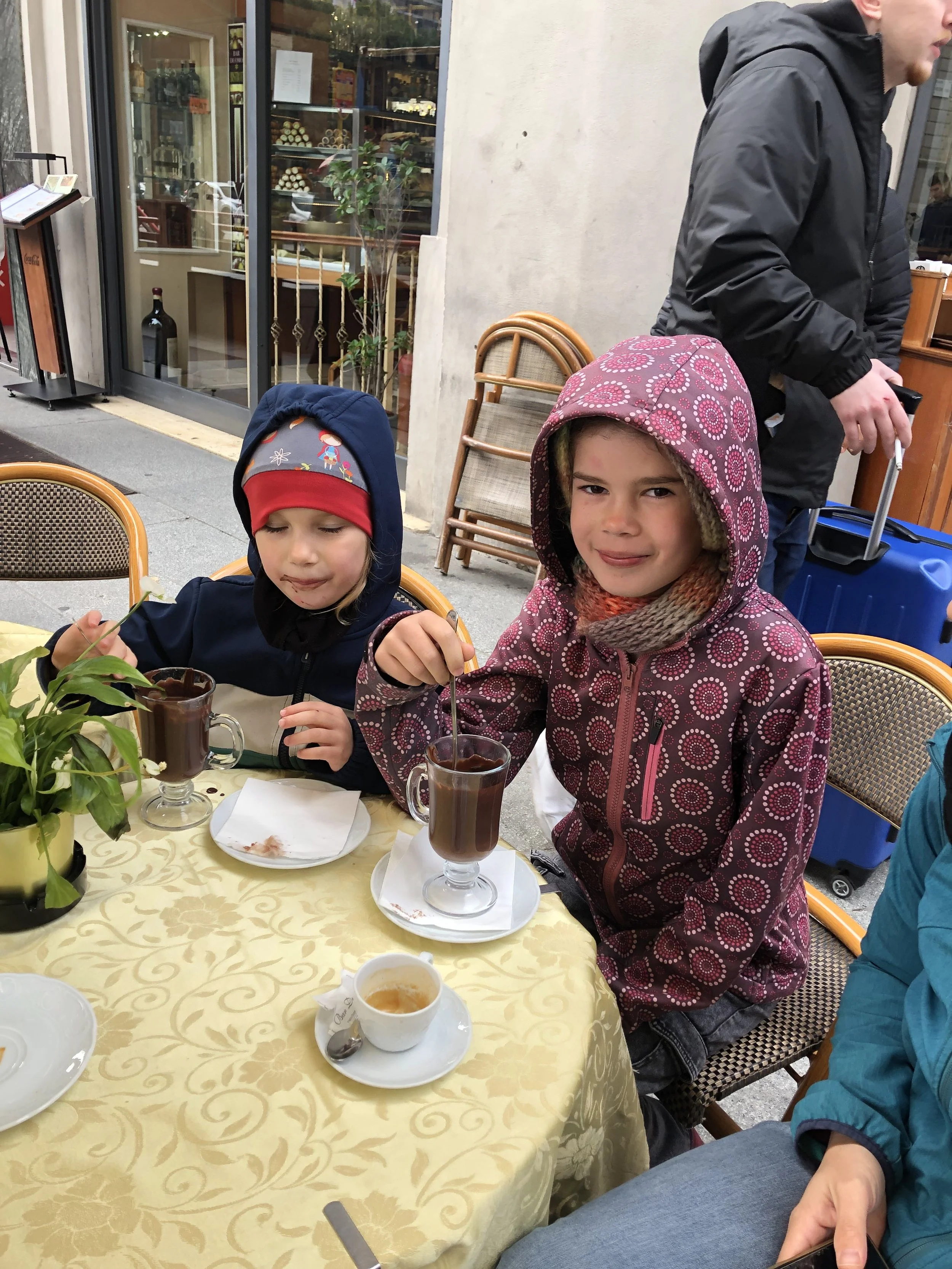
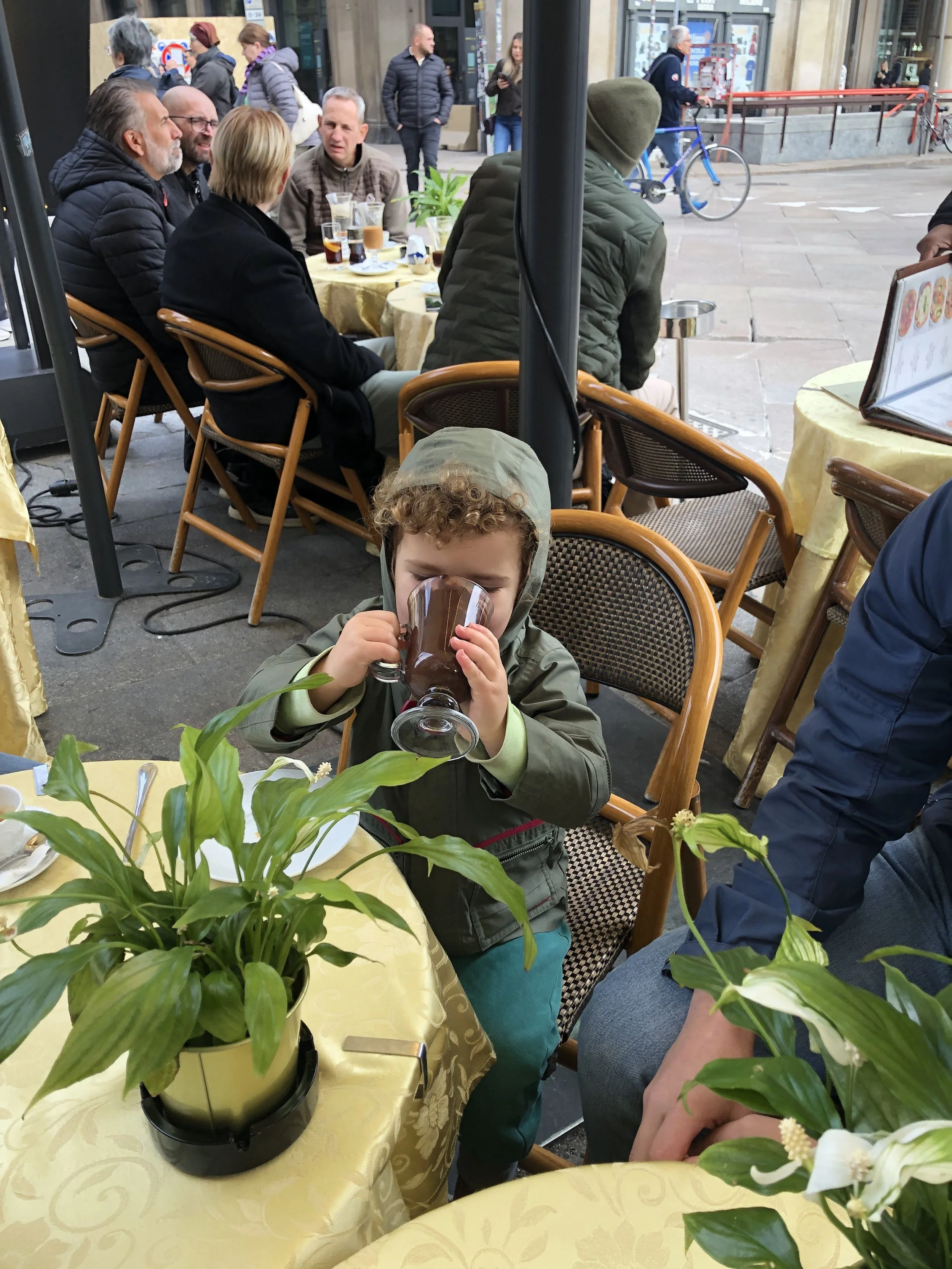
My left shoulder has been killing me for the last few days. I think I may have damaged it with Friday’s luggage lugging as we transferred from Ferrara to Milan. First step is a doctor, who can hopefully give me some stronger painkillers. It was a toss-up between waiting 4-8 hours at the local orthopaedic hospital emergency department, or seeing a GP. I opted for the latter, which the hotel facilitated brilliantly promising the doctor would come to the hotel in 40 minutes. The doctor mentioned the great benefits of the era in which he was trained that meant he could do a very wide range of things, unlike the more modern tendency towards specialisation. He loves Australians because unlike Americans we recognise the value of a hardworking and knowledgeable doctor who will make house calls.
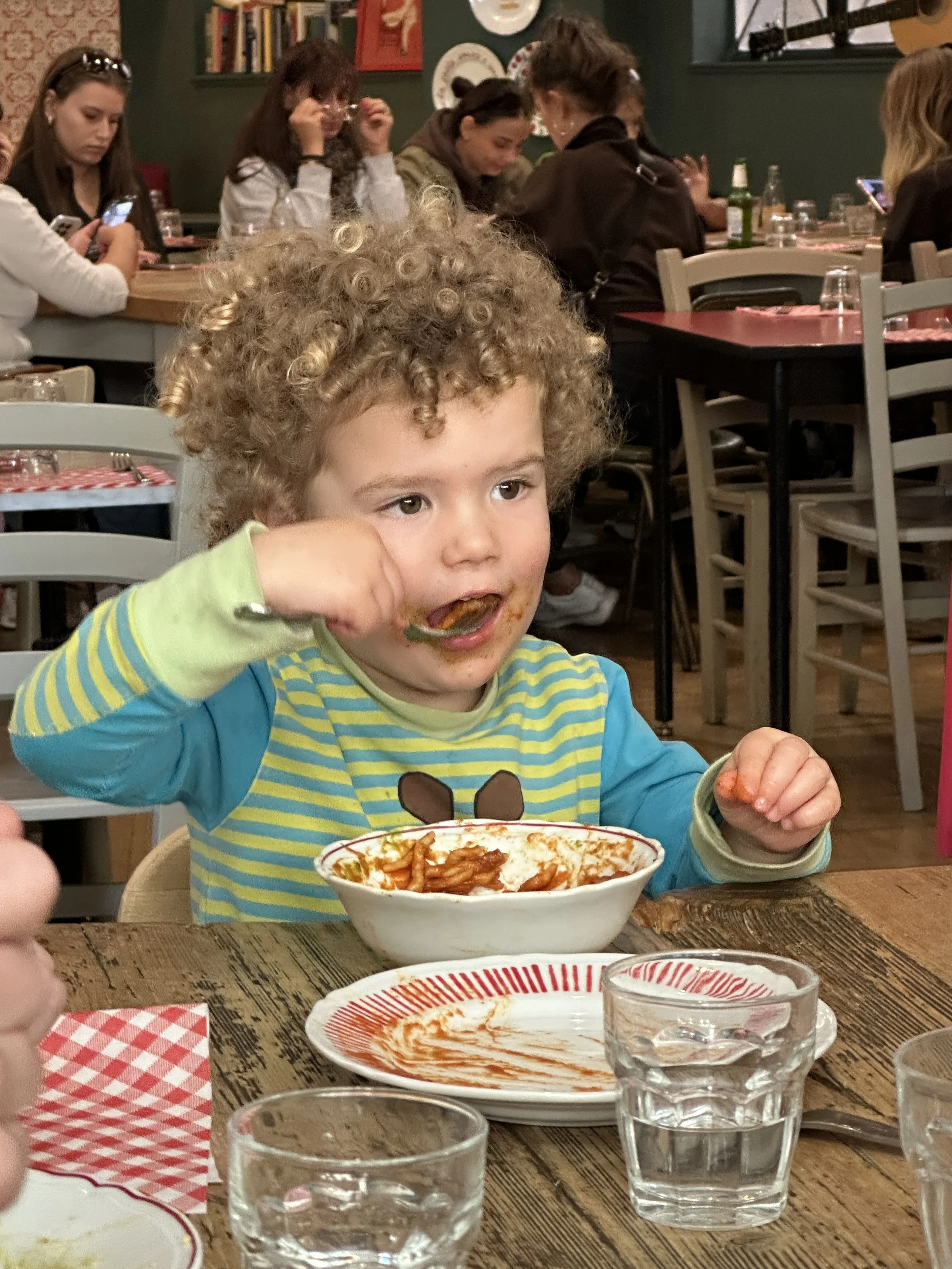
Following successful medical intervention, and a laundry drop-off, we met up with the Germans again at another playground, then went for pasta lunch. These kids are small, but can they eat?
At our local for dinner, we shared osso buco served with risotto milanese. Angela’s OB has a worthy challenger. My starter was a pasta similar to penne, with a creamy gorgonzola sauce dotted with walnuts and topped with black truffle. OMG.
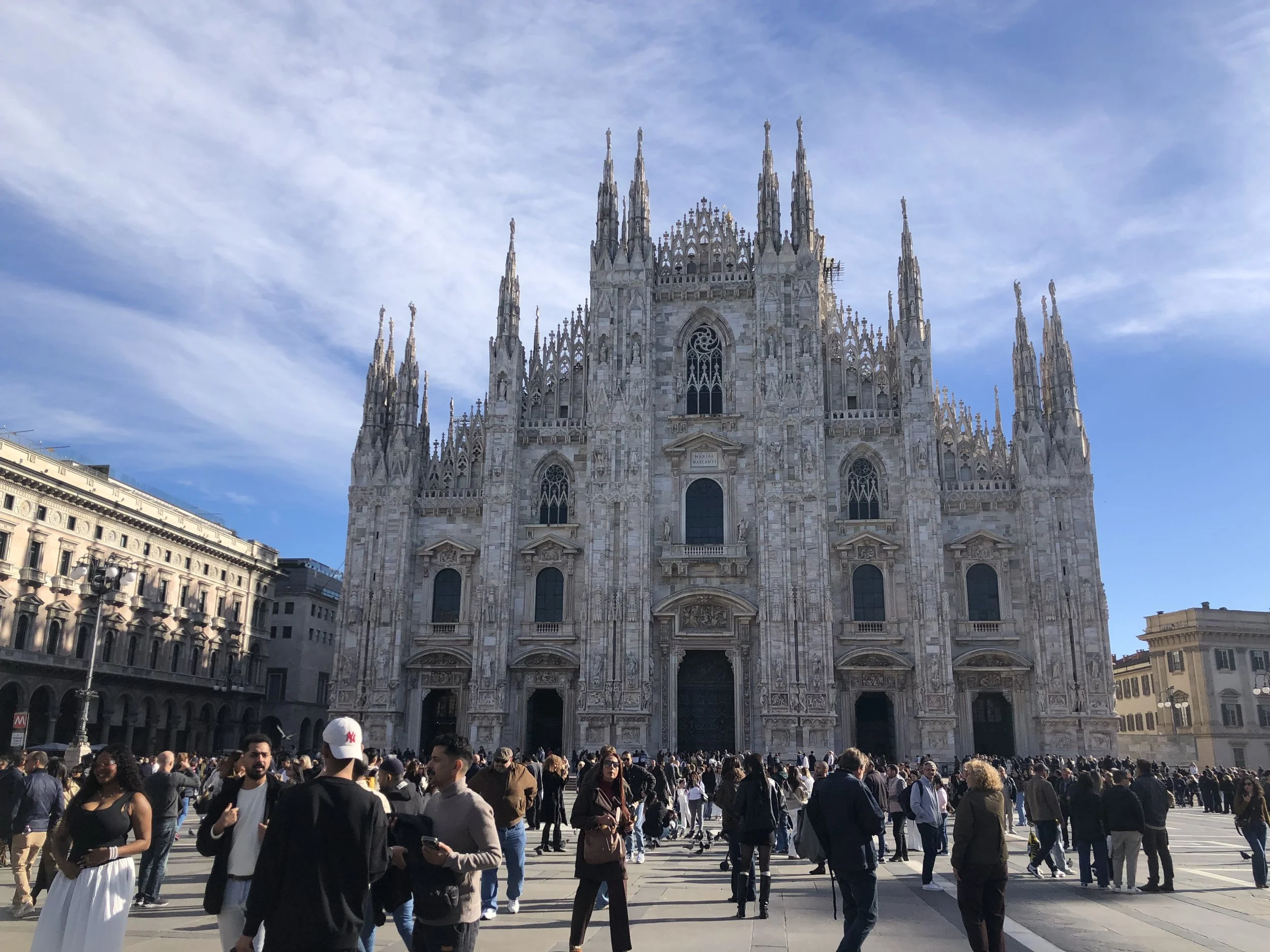
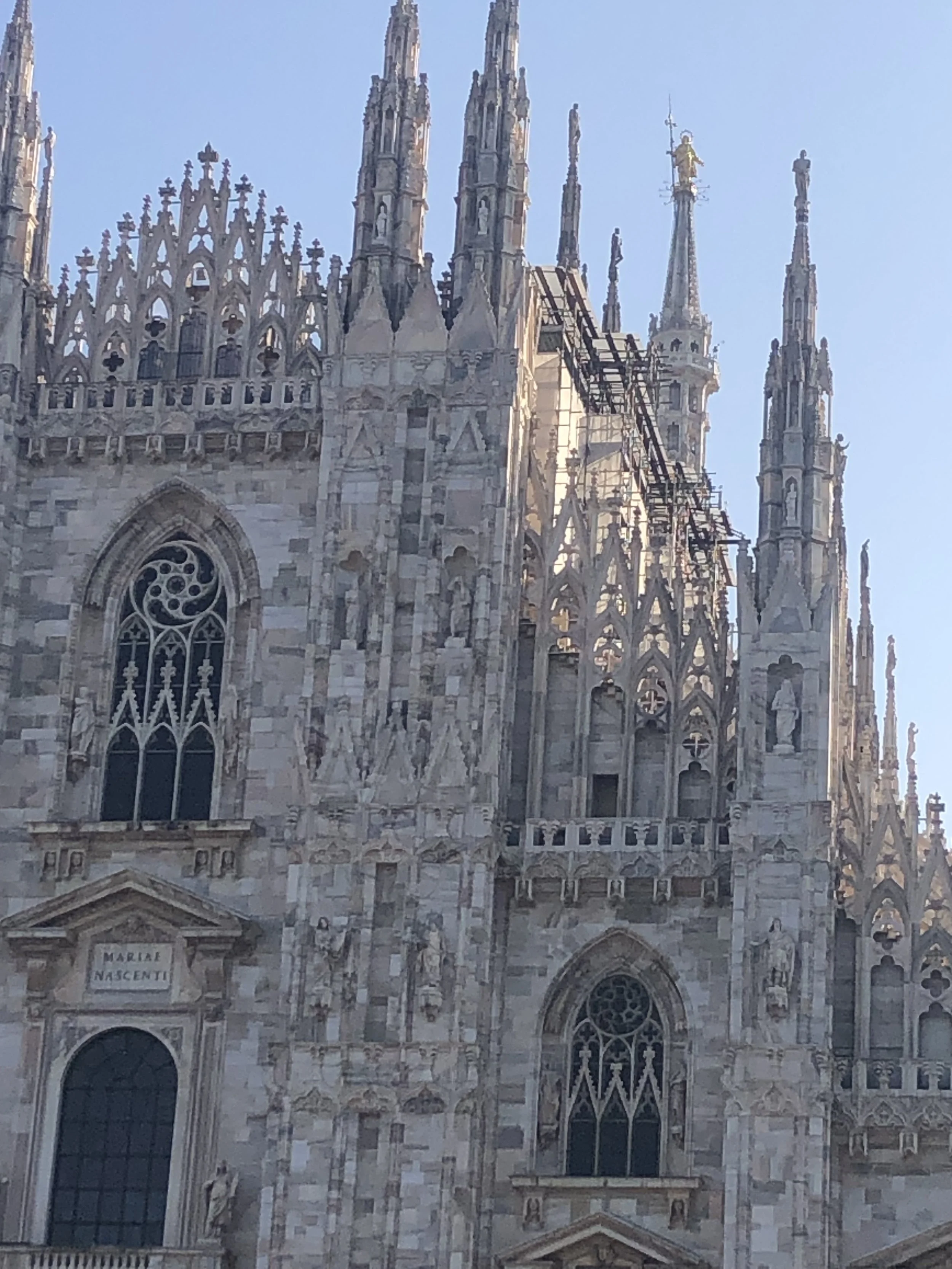
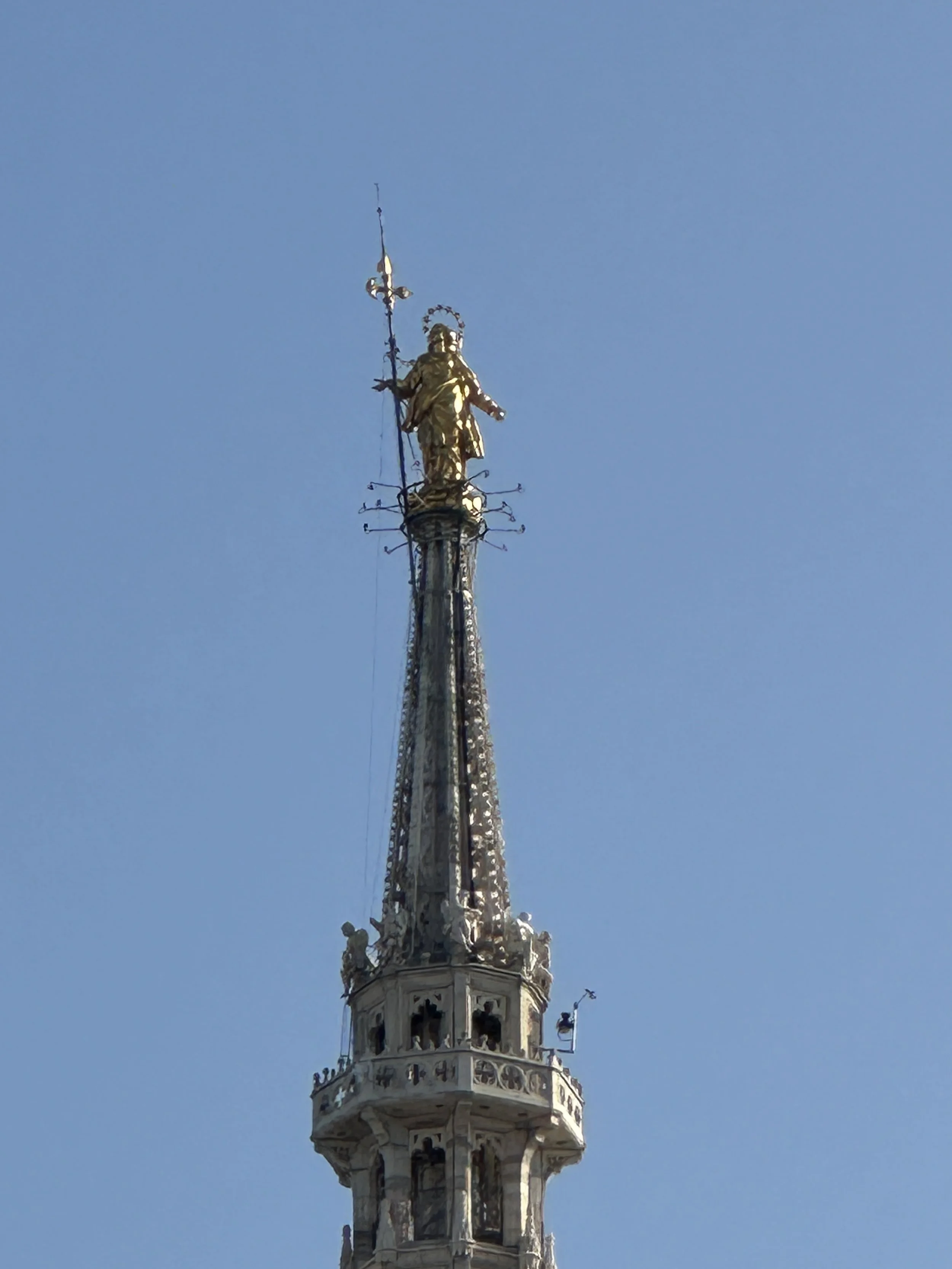
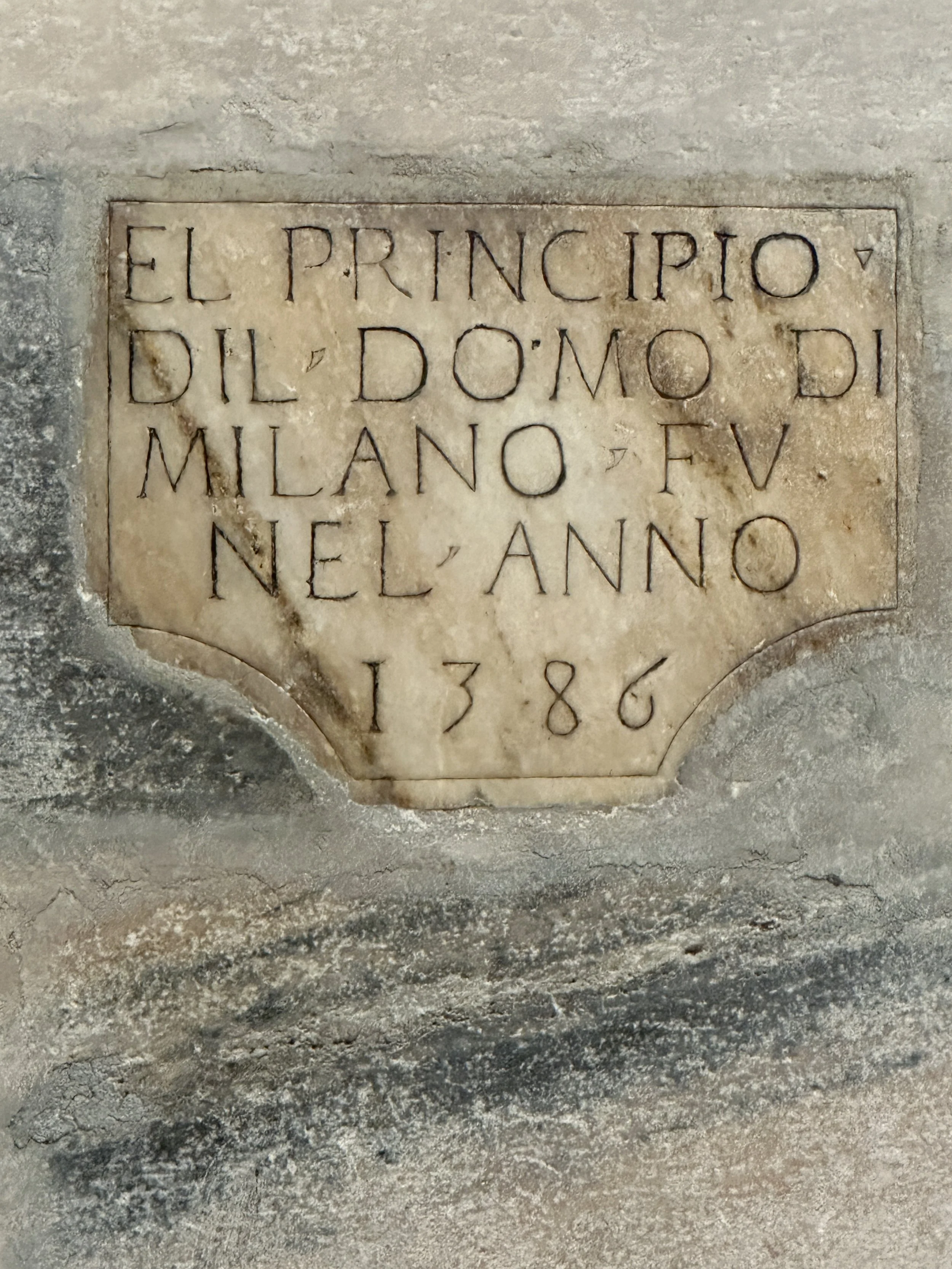
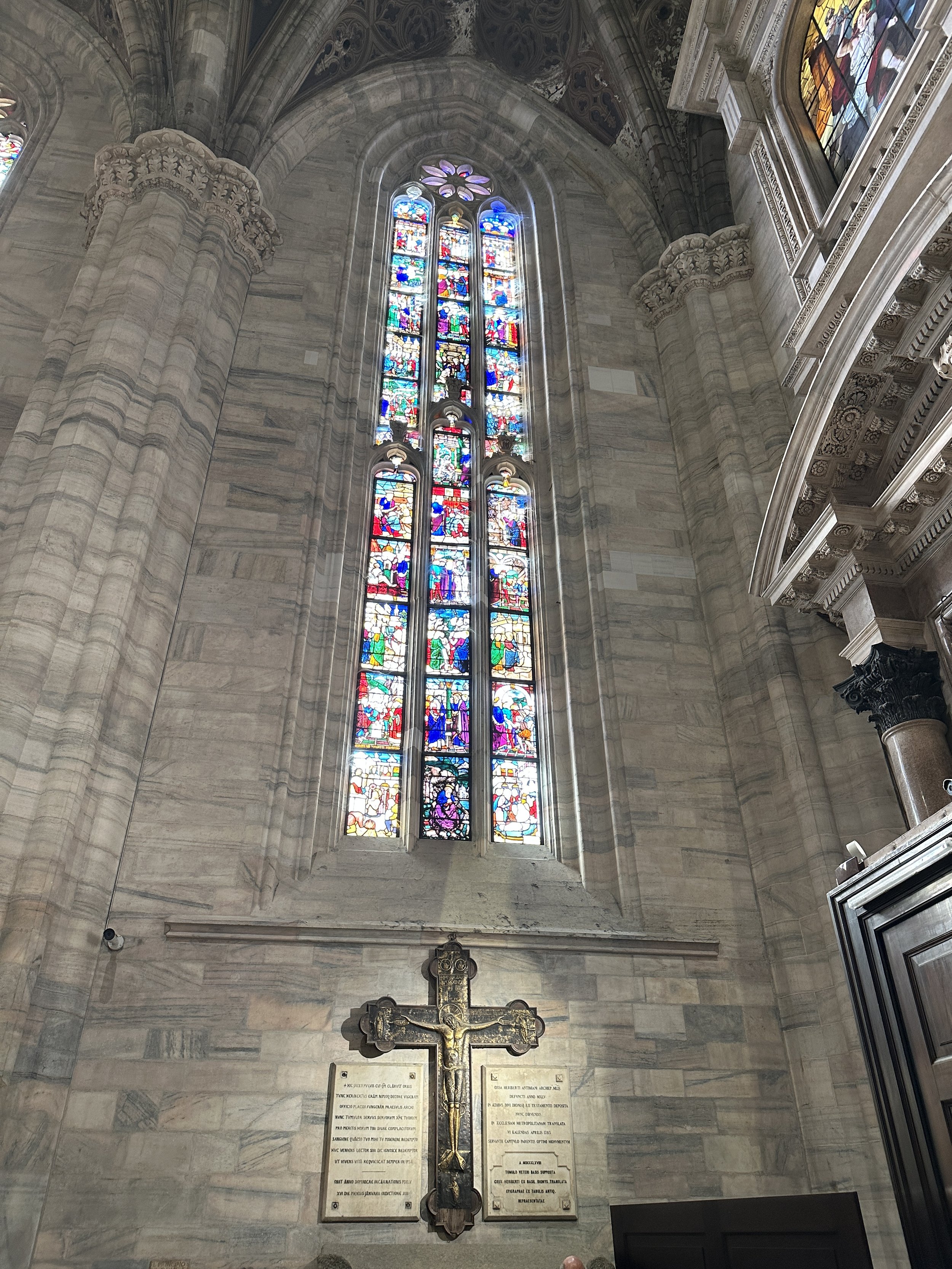
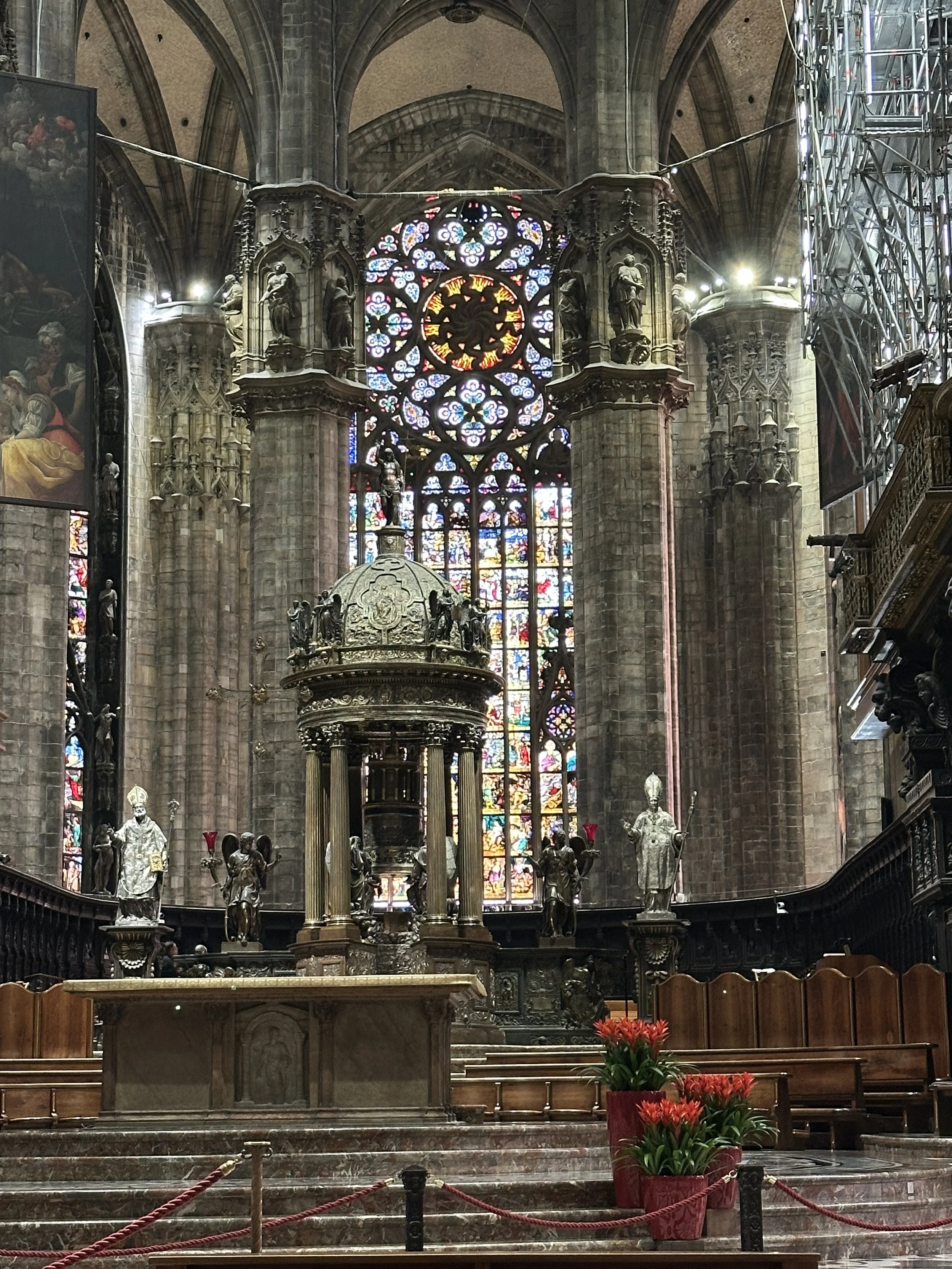
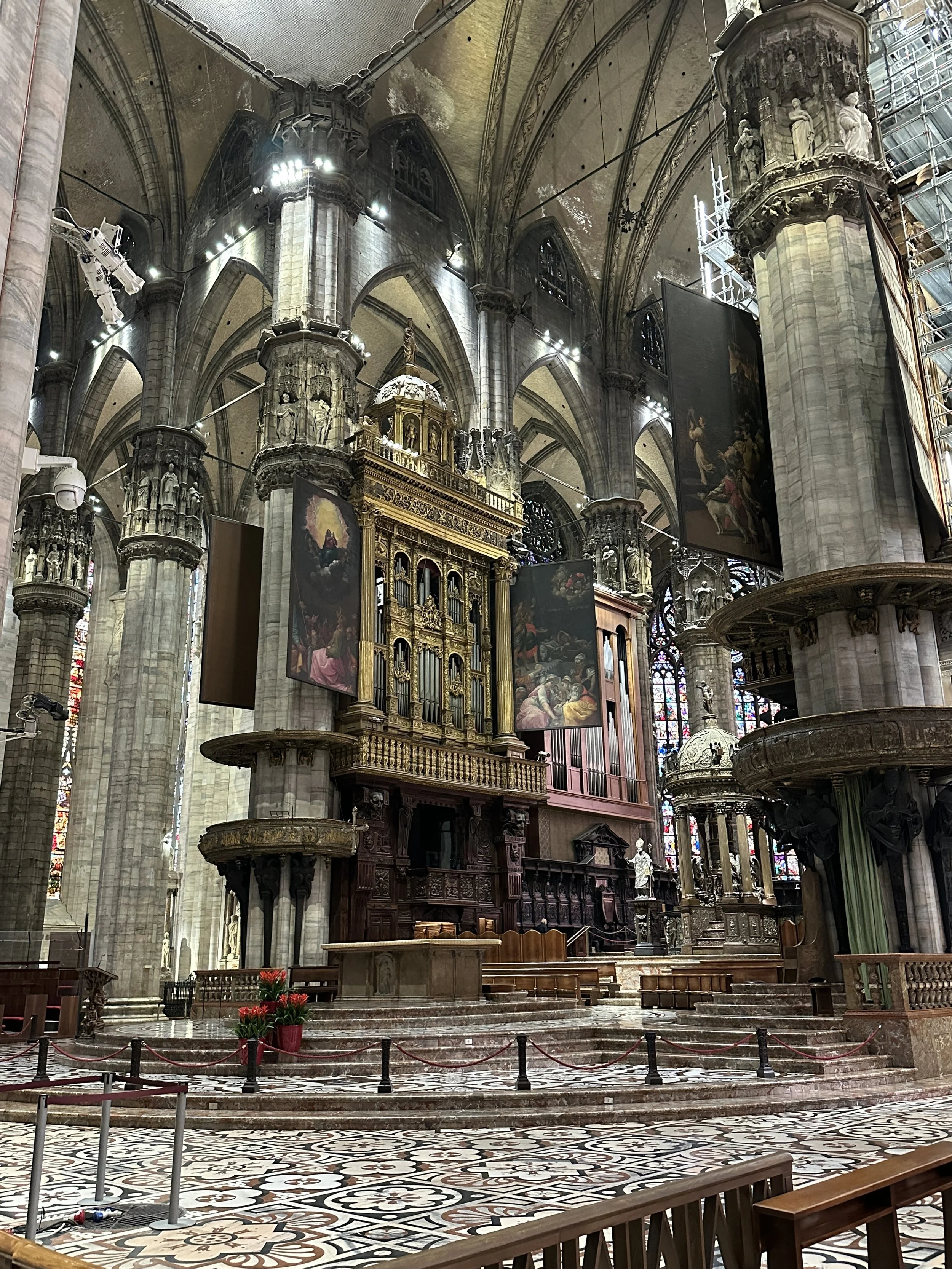
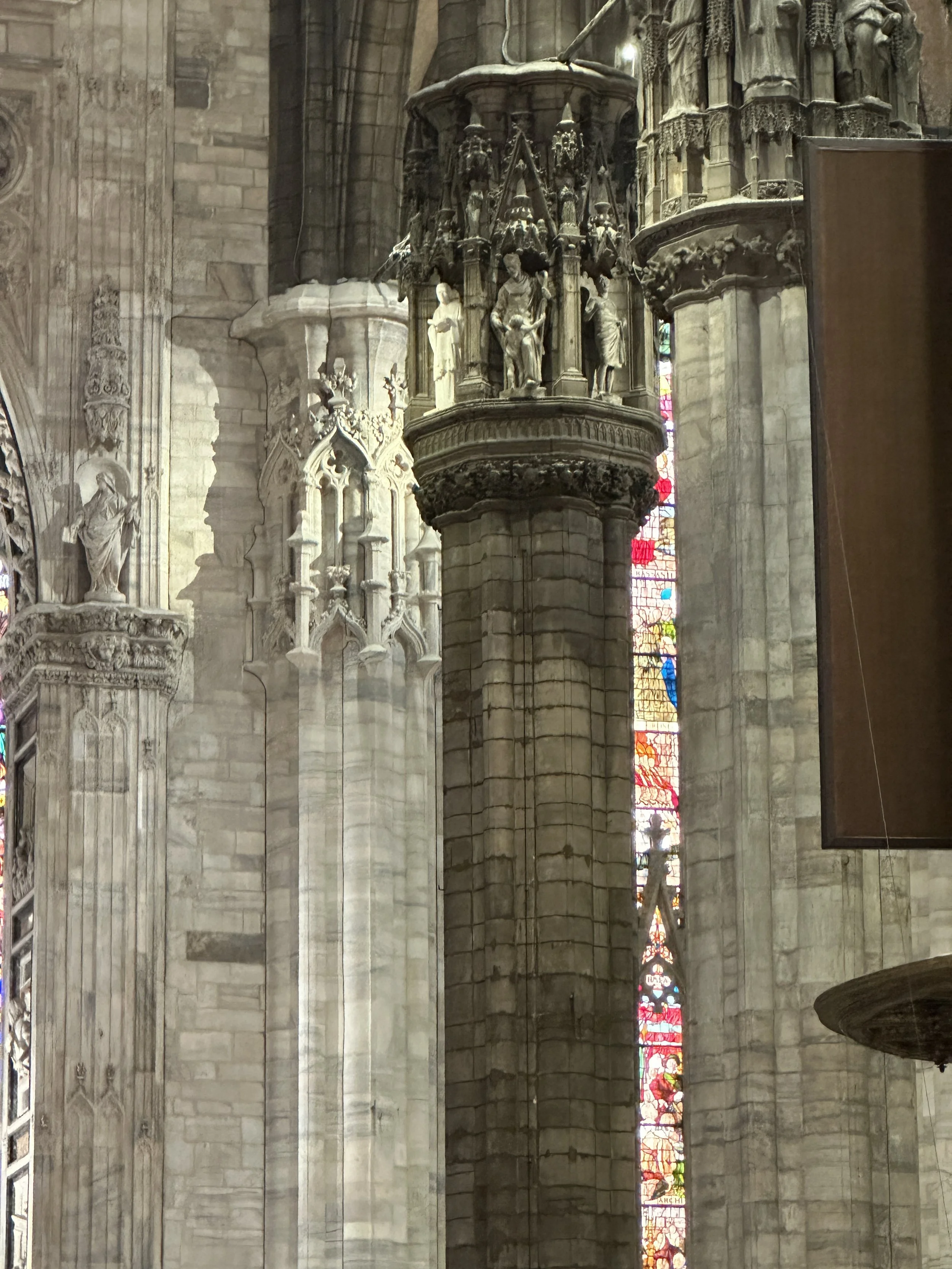
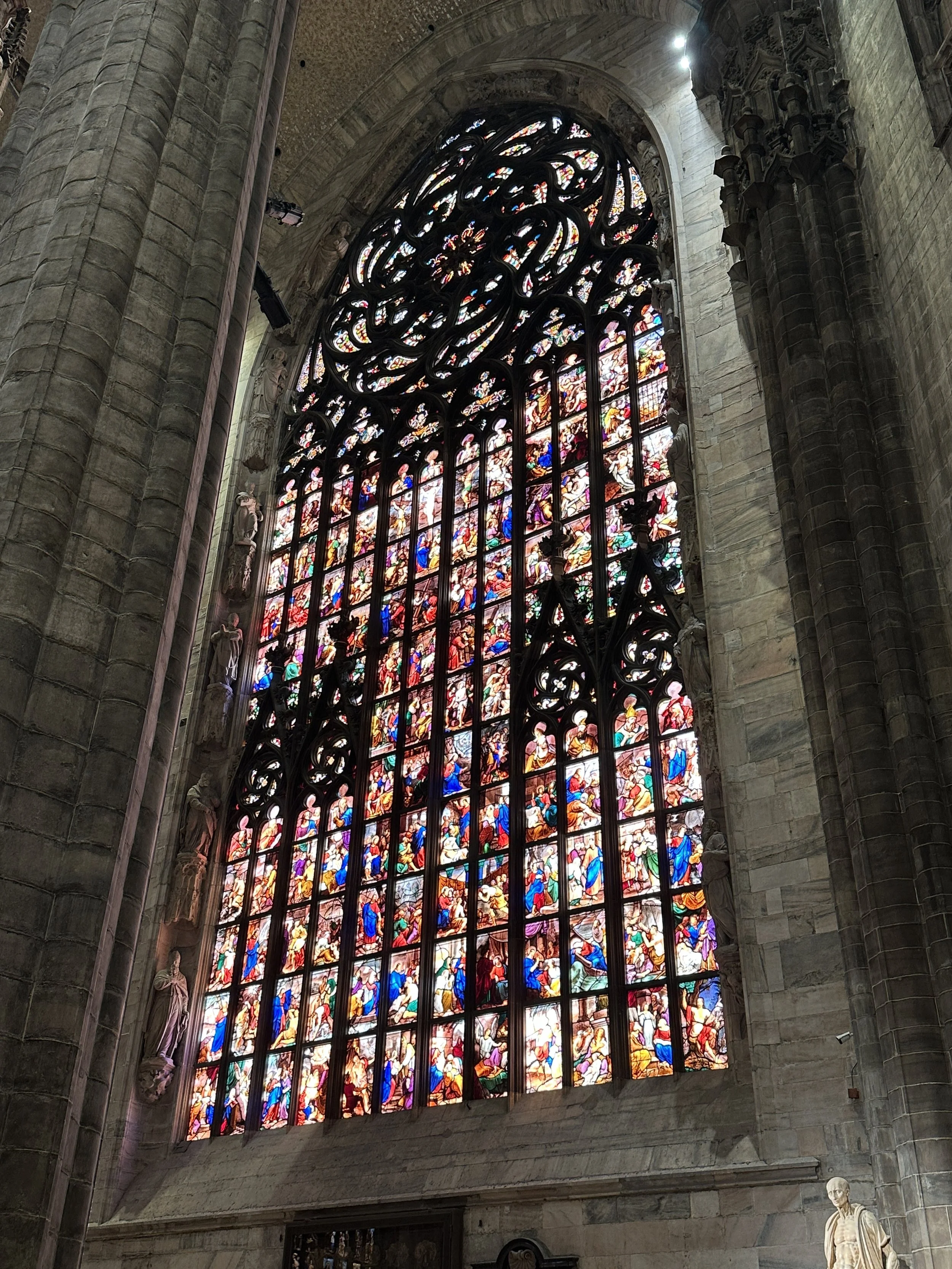
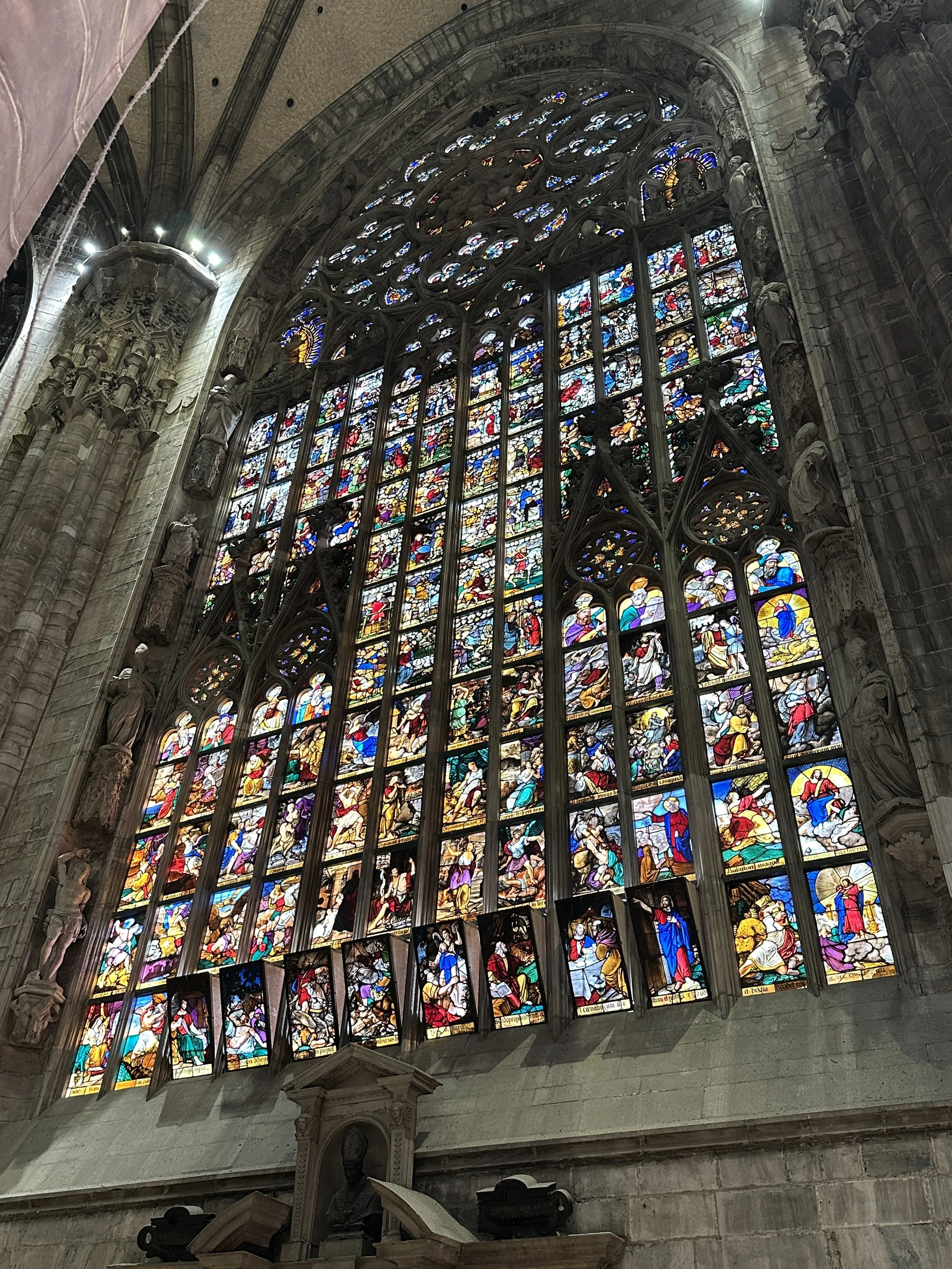
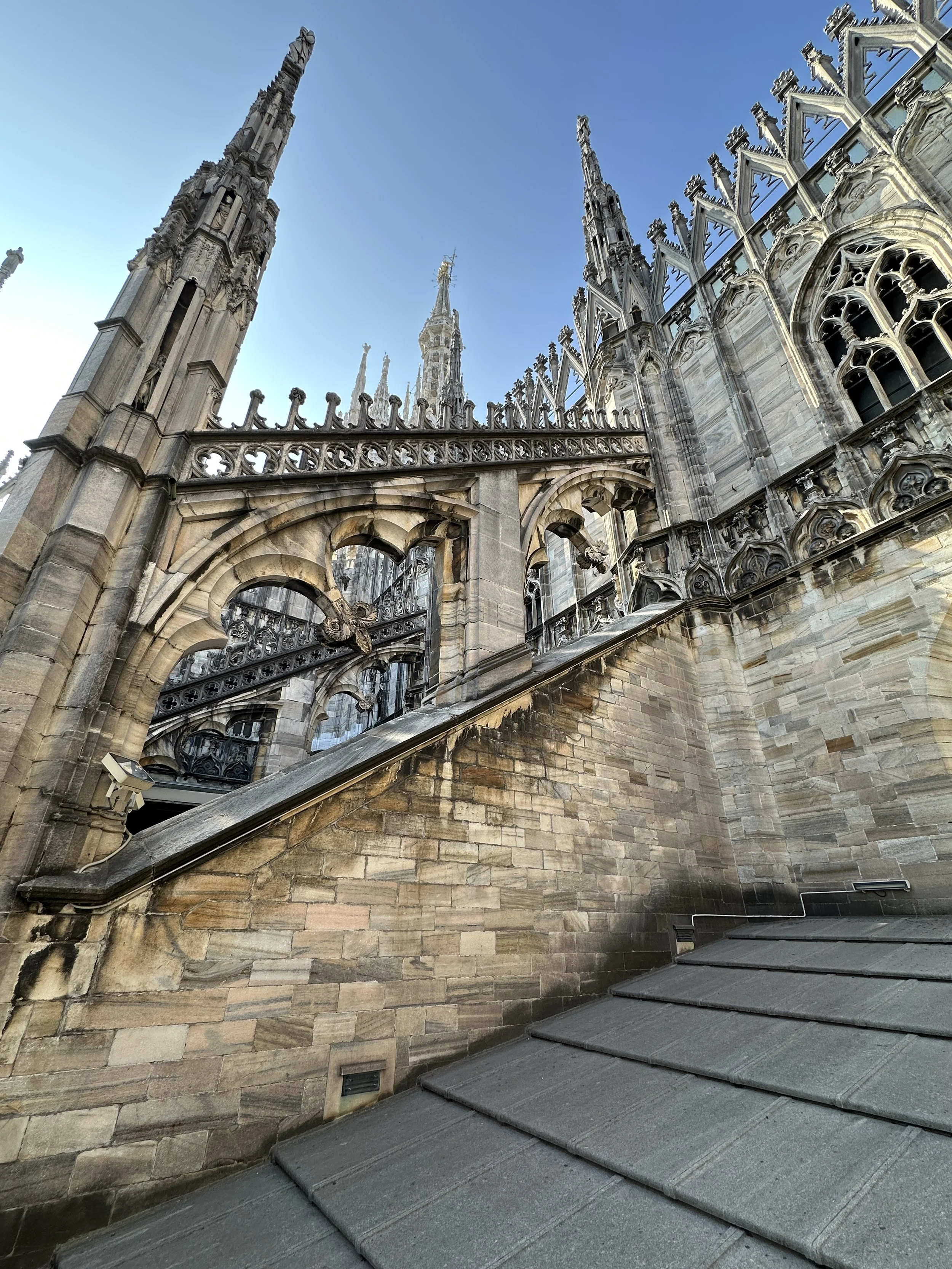
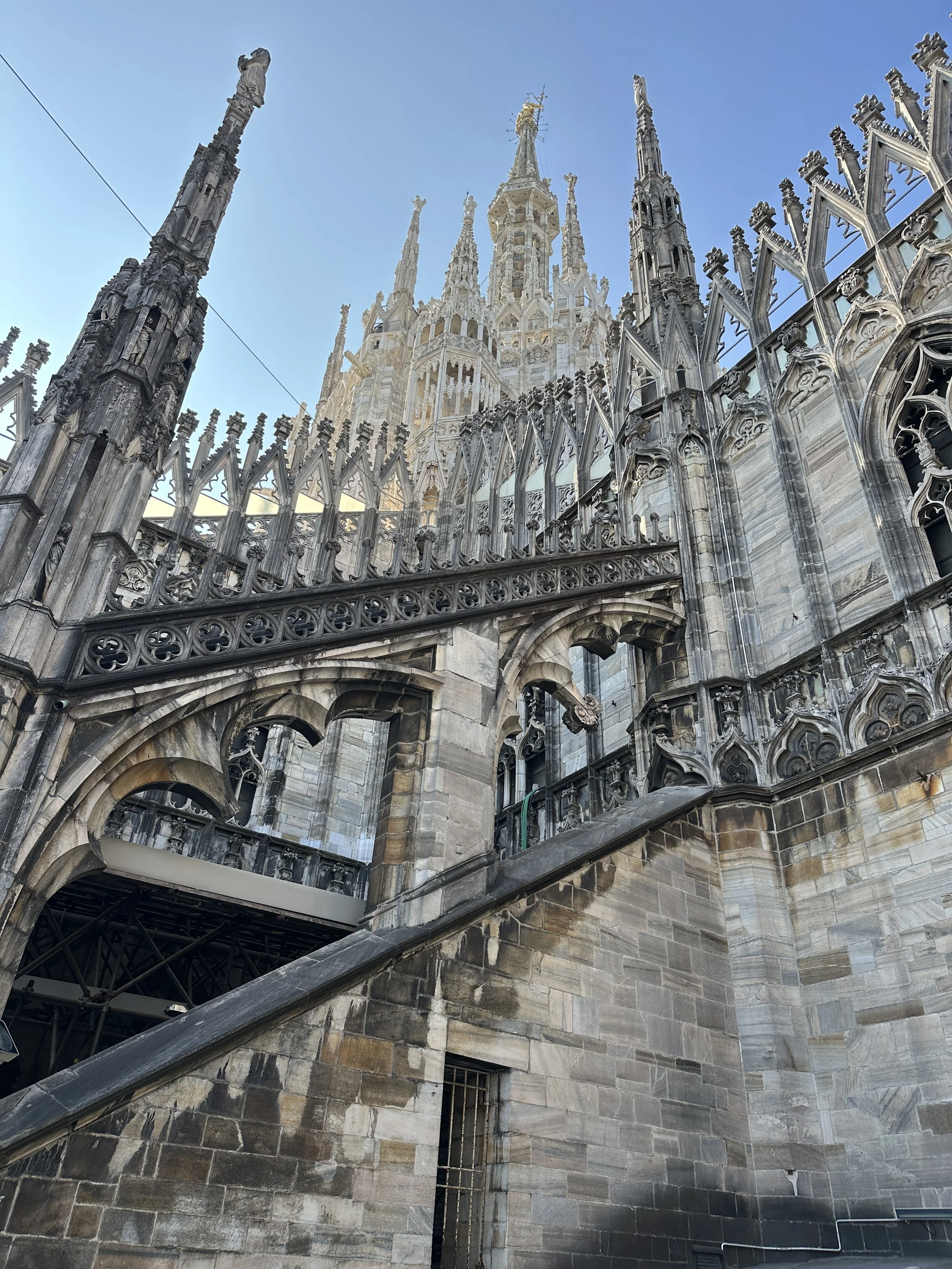
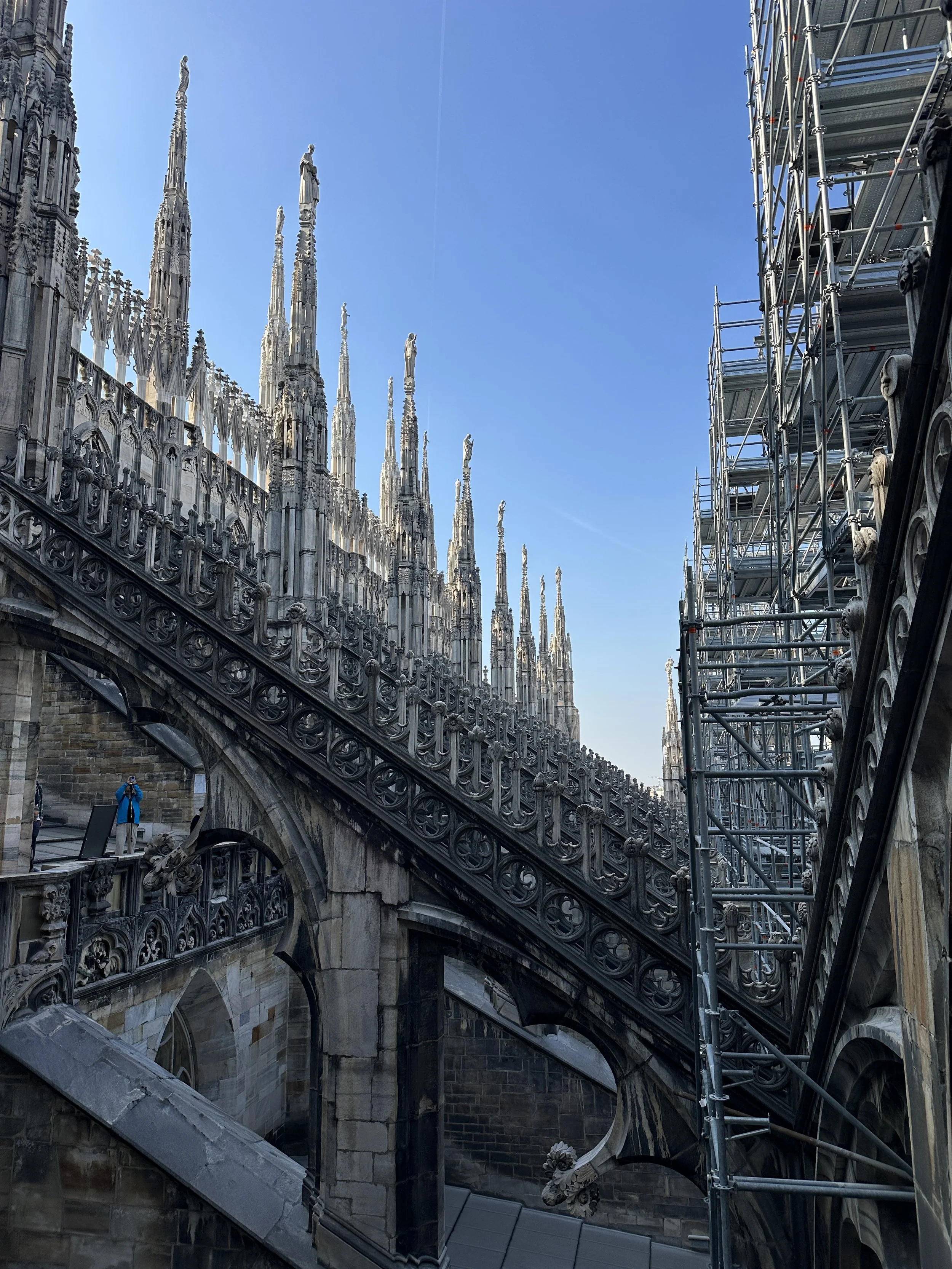
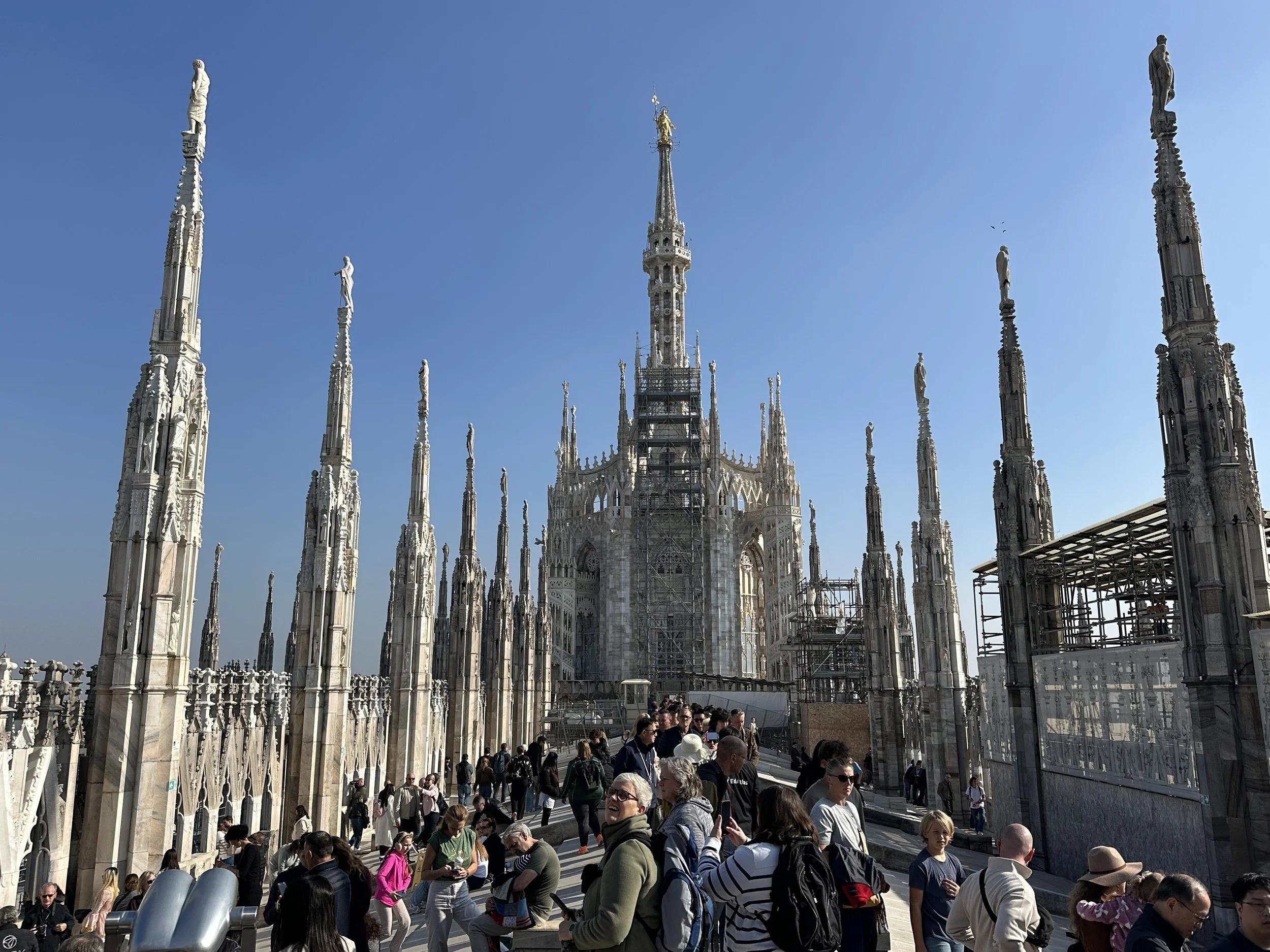
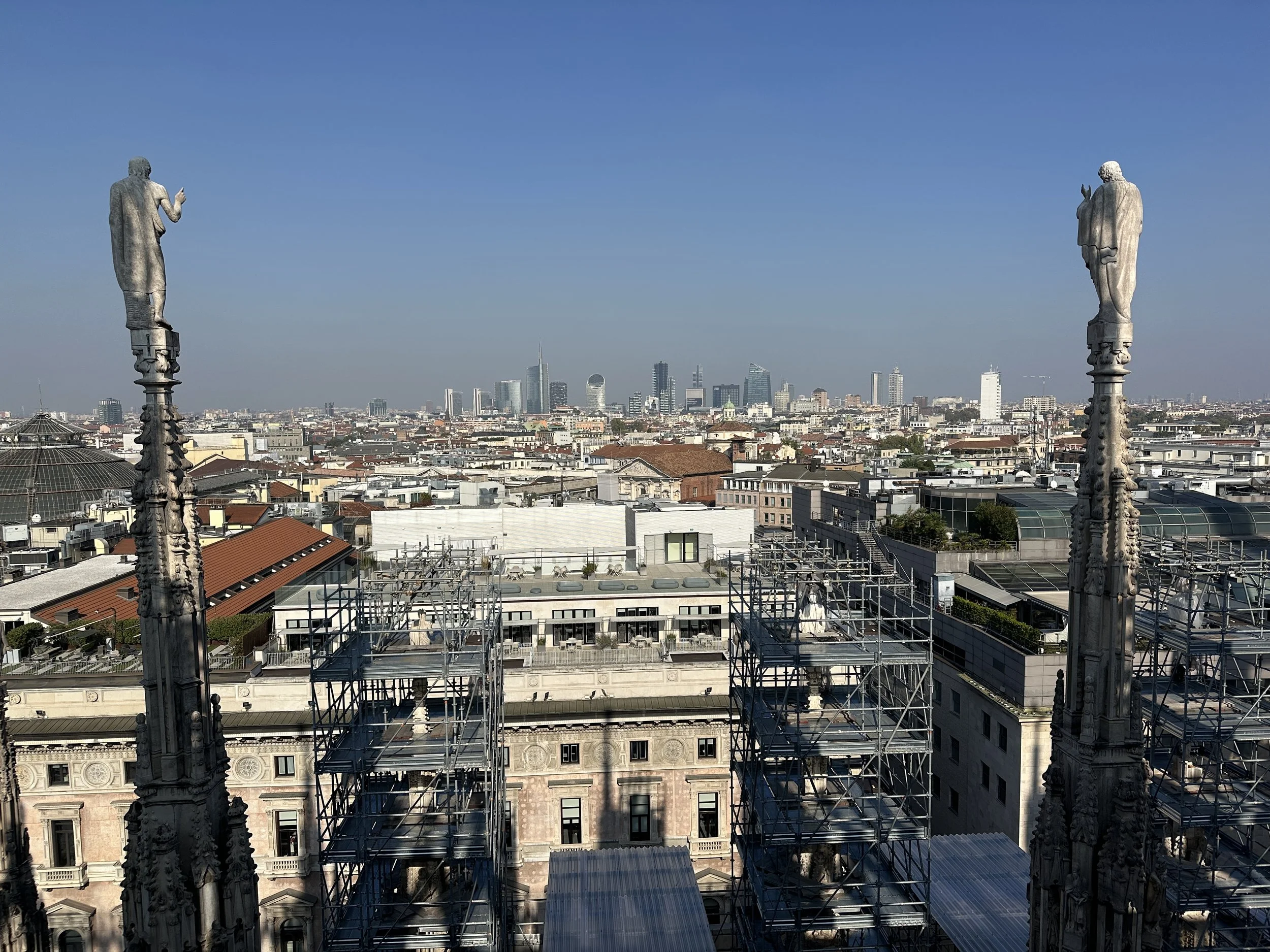
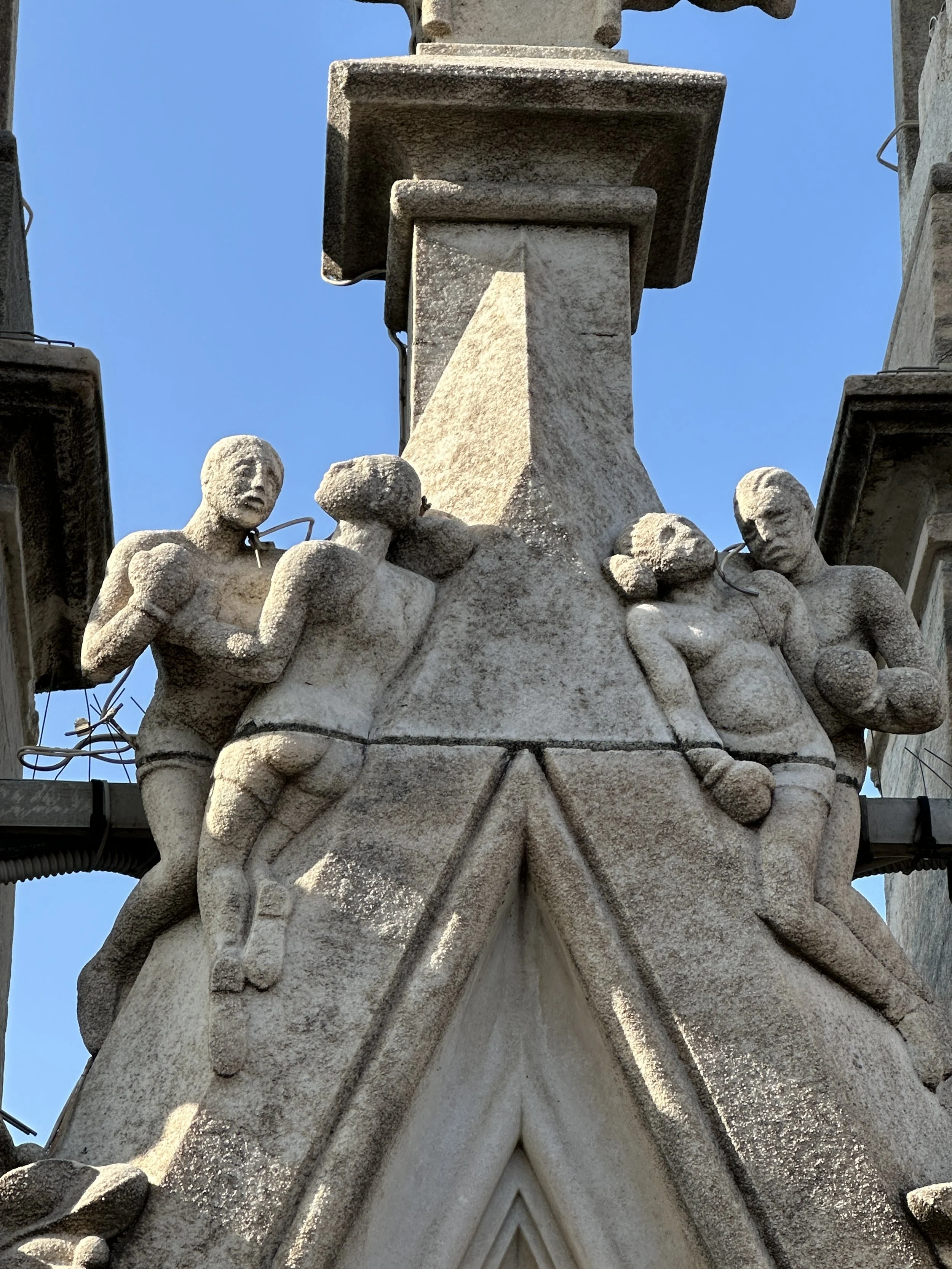
The Duomo tour was very enlightening. Work started in 1386, on the site of an earlier Roman temple. Apparently Napoleon Bonaparte, after he declared himself king of Italy and was crowned in the Duomo on 1805, was responsible for providing significant finances to complete the facade, but building wasn’t completed until 1965. Almost 600 years — what a project. There’s a continuous program of cleaning the masonry and statuary. It has some 135 spires. The pipe organ has 15,800 pipes. They use electrified wires that create an electromagnetic field to keep the pigeons off the building (they are forced to hang out on the huge piazza outside). The iconic gilded copper statue of the ‘Madonnina’ was placed on the highest spire, and the height of her spire has been increased as the city’s planning laws have changed, to ensure she remains the highest gal in town. Our guide pointed out some stone carvings of boxers hidden among the spires, gargoyles, and saints along the rooftop terraces of the cathedral. They depict prize-fighters wearing boxing gloves in combat and were added around the 1930s to honor Primo Carnera, who won the world heavyweight boxing title on June 29, 1933.
Today’s lunch with the Germans was pizza, which went down a treat. They’re heading home tomorrow so we said our farewells. Loved spending time with them and getting to know those girls.
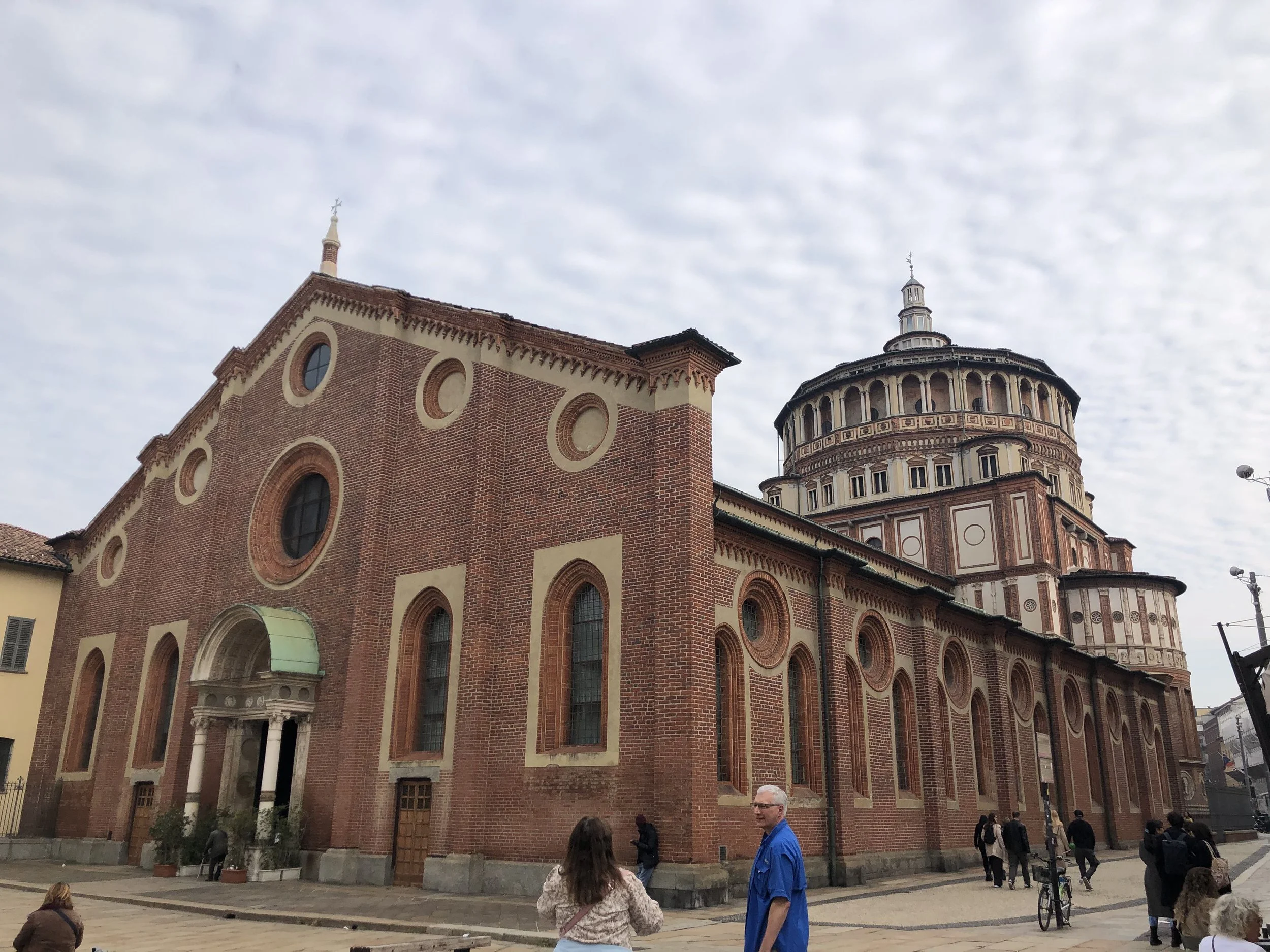
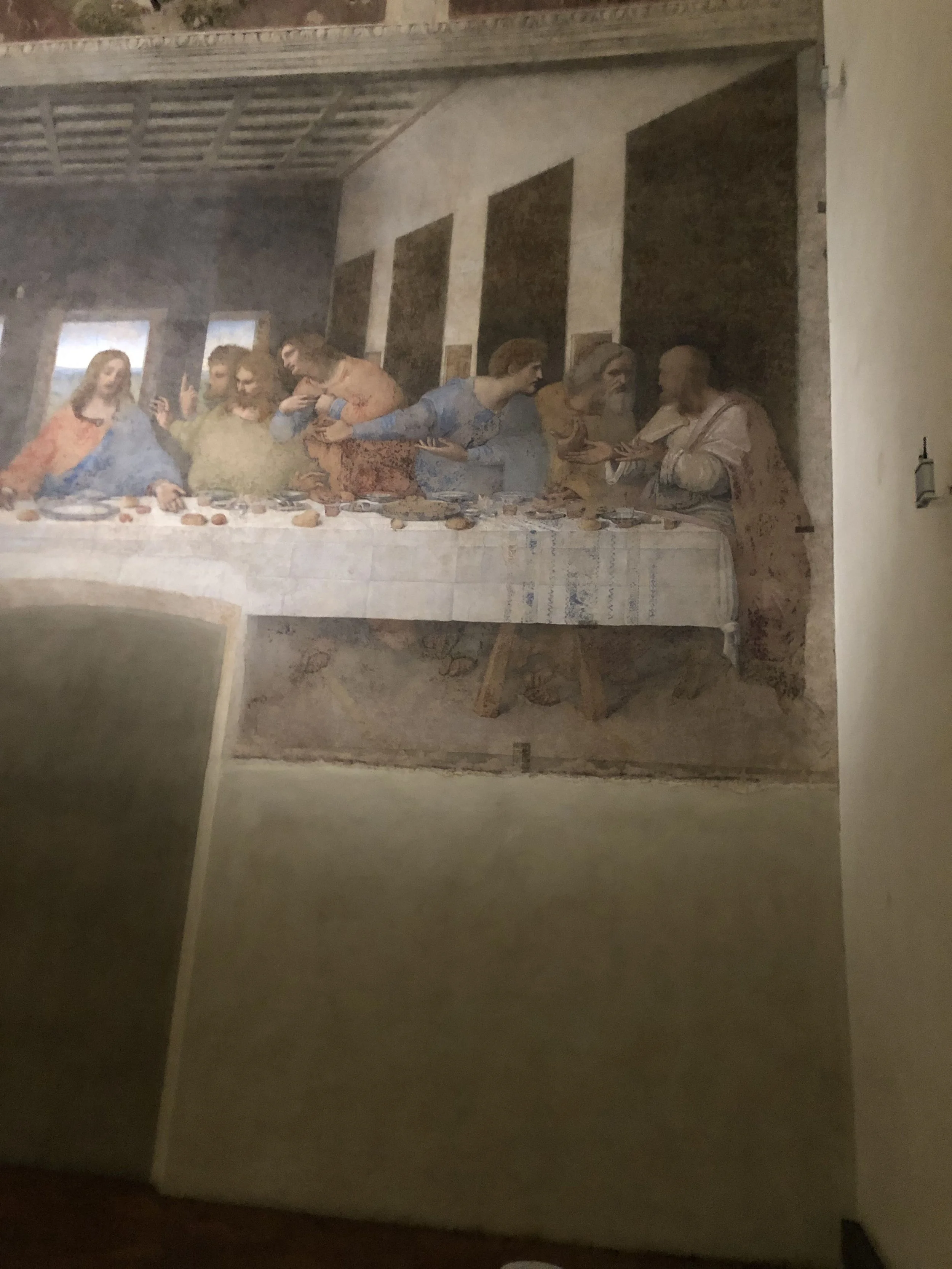
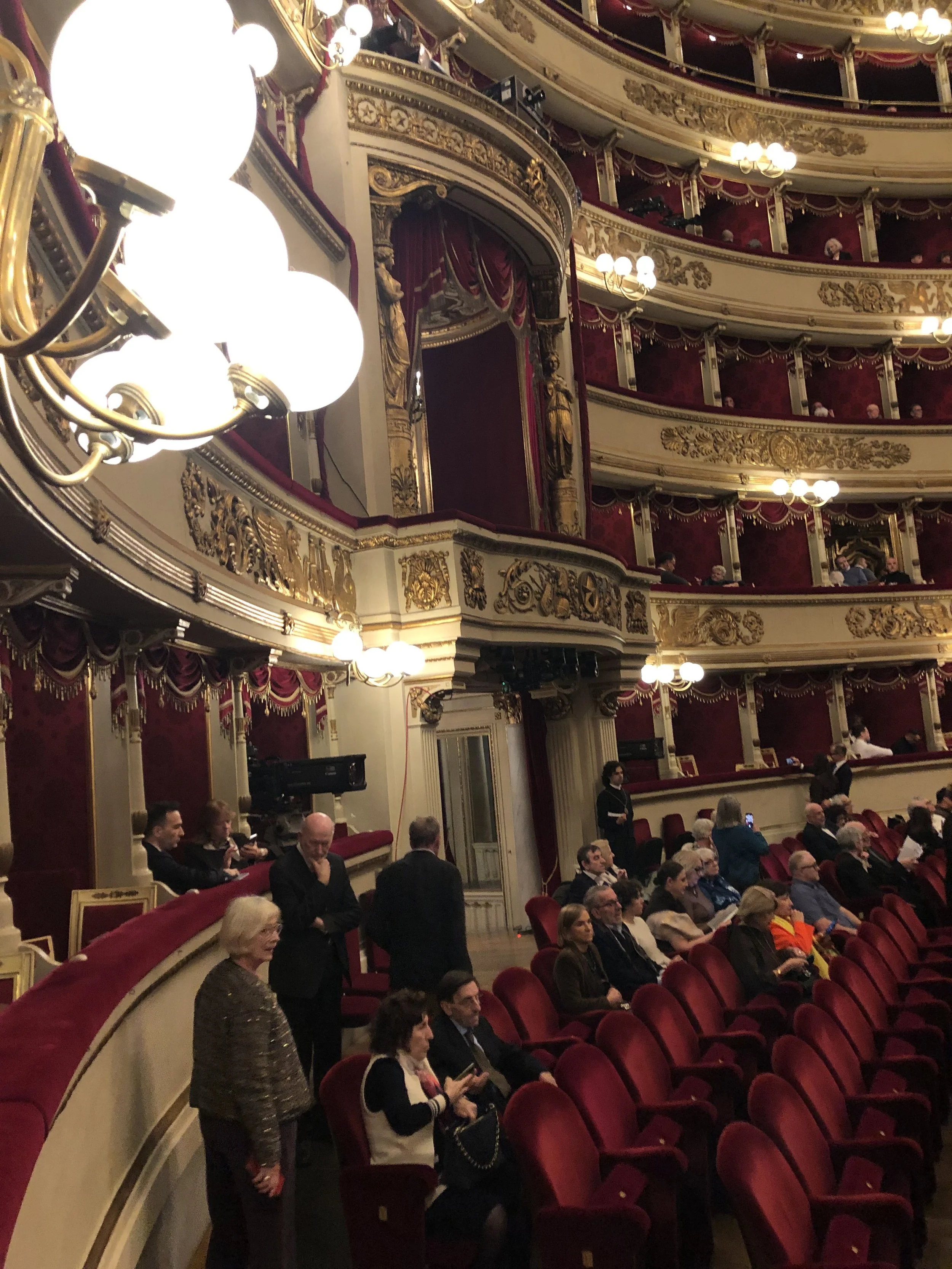
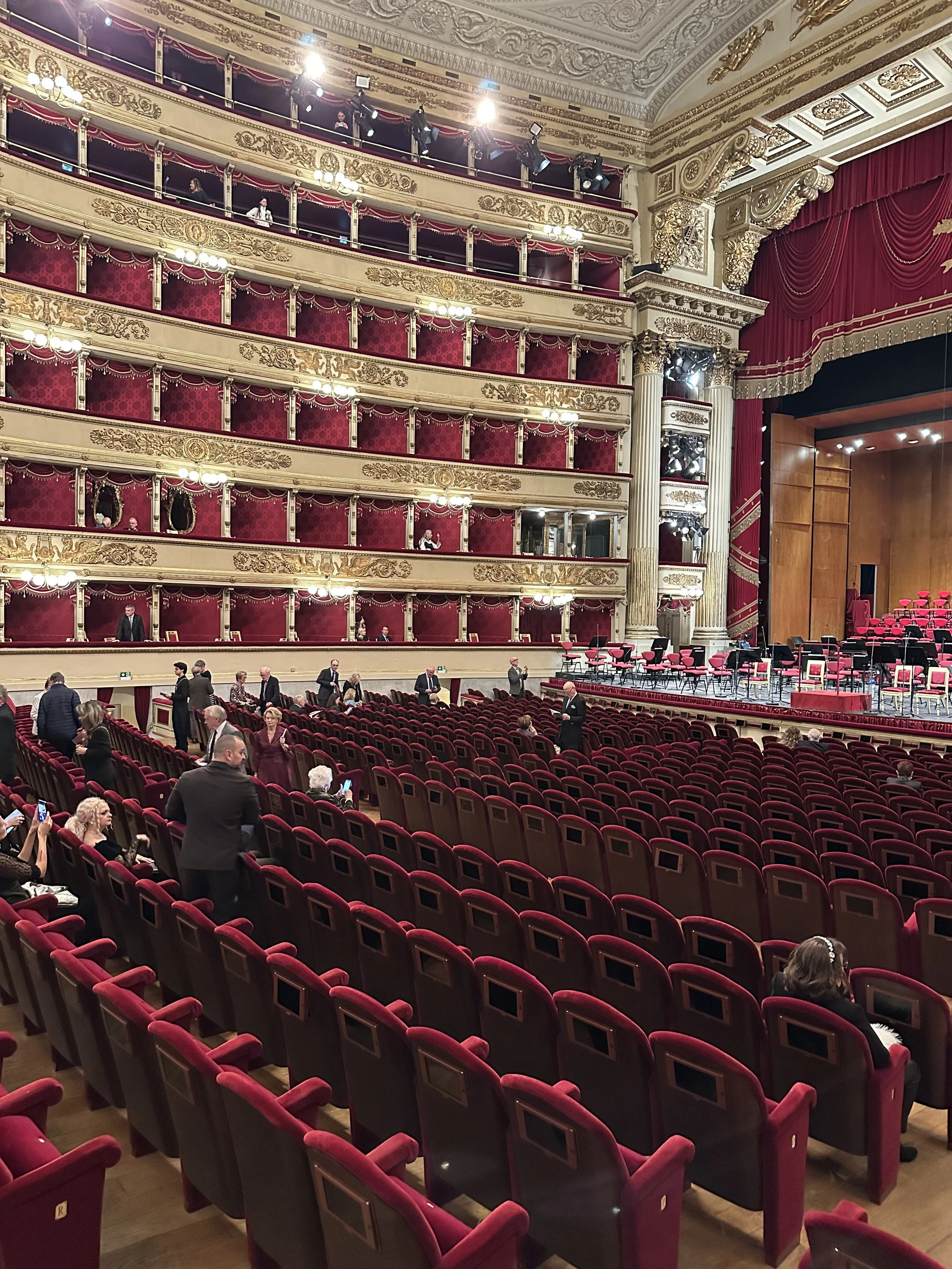
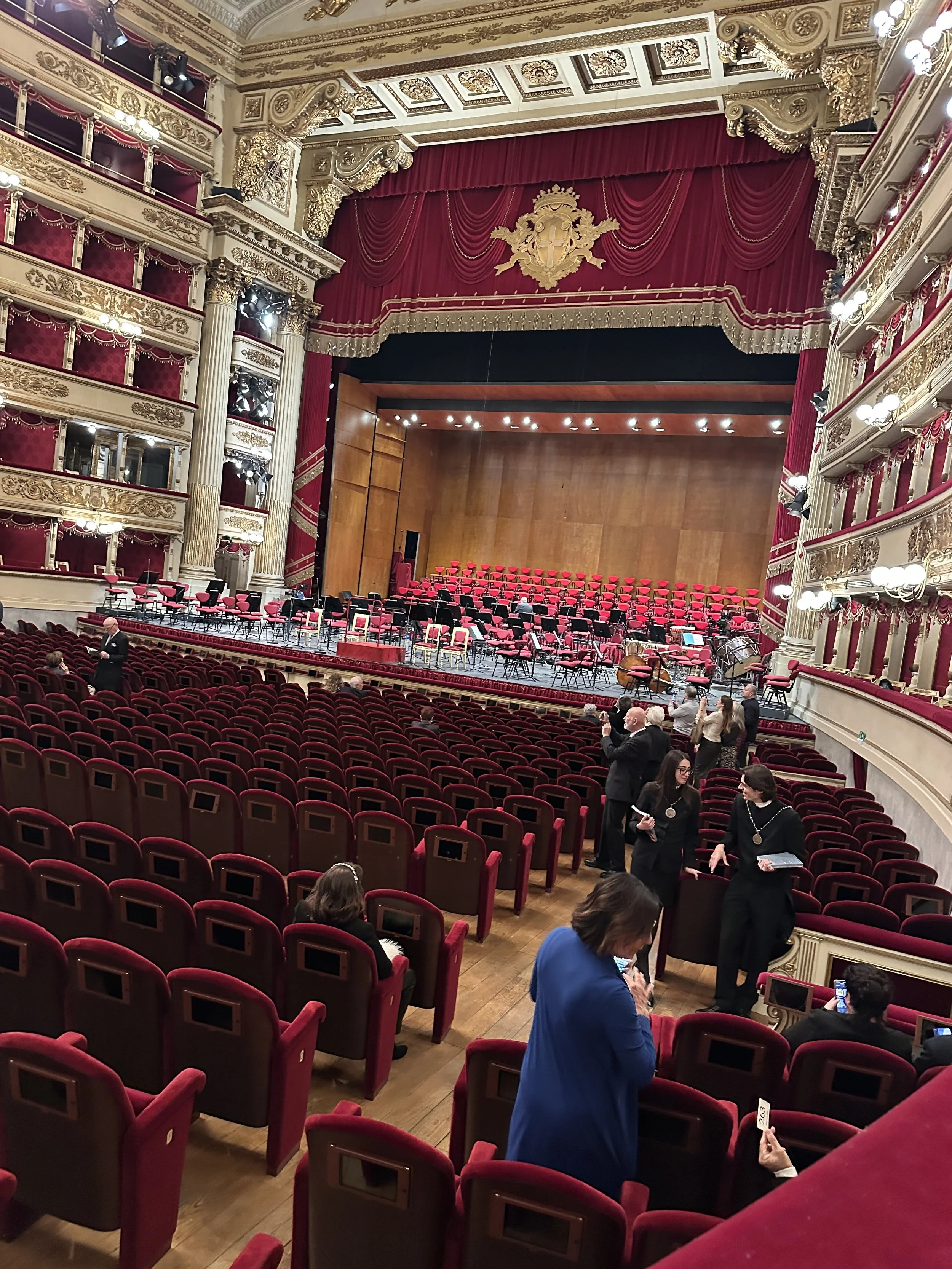
Wednesday was Culture day, first with a visit to Leonardo’s Last Supper. I had not realised what bad shape it’s in, mostly due to Leonardo’s decisions about materials. Apparently the restorers have done as much as they can, but it’s barely a shadow of its former self. Still the work is head and shoulders above all other version of the last supper, particularly in the way he gives each of the characters a personality. Still wonderful. Then in the evening, a short walk to La Scala for a performance of the Verdi Requiem. That was really something. The full orchestra, a double choir (about 90 choristers), and I gather one of the best conductors and well known soloists.
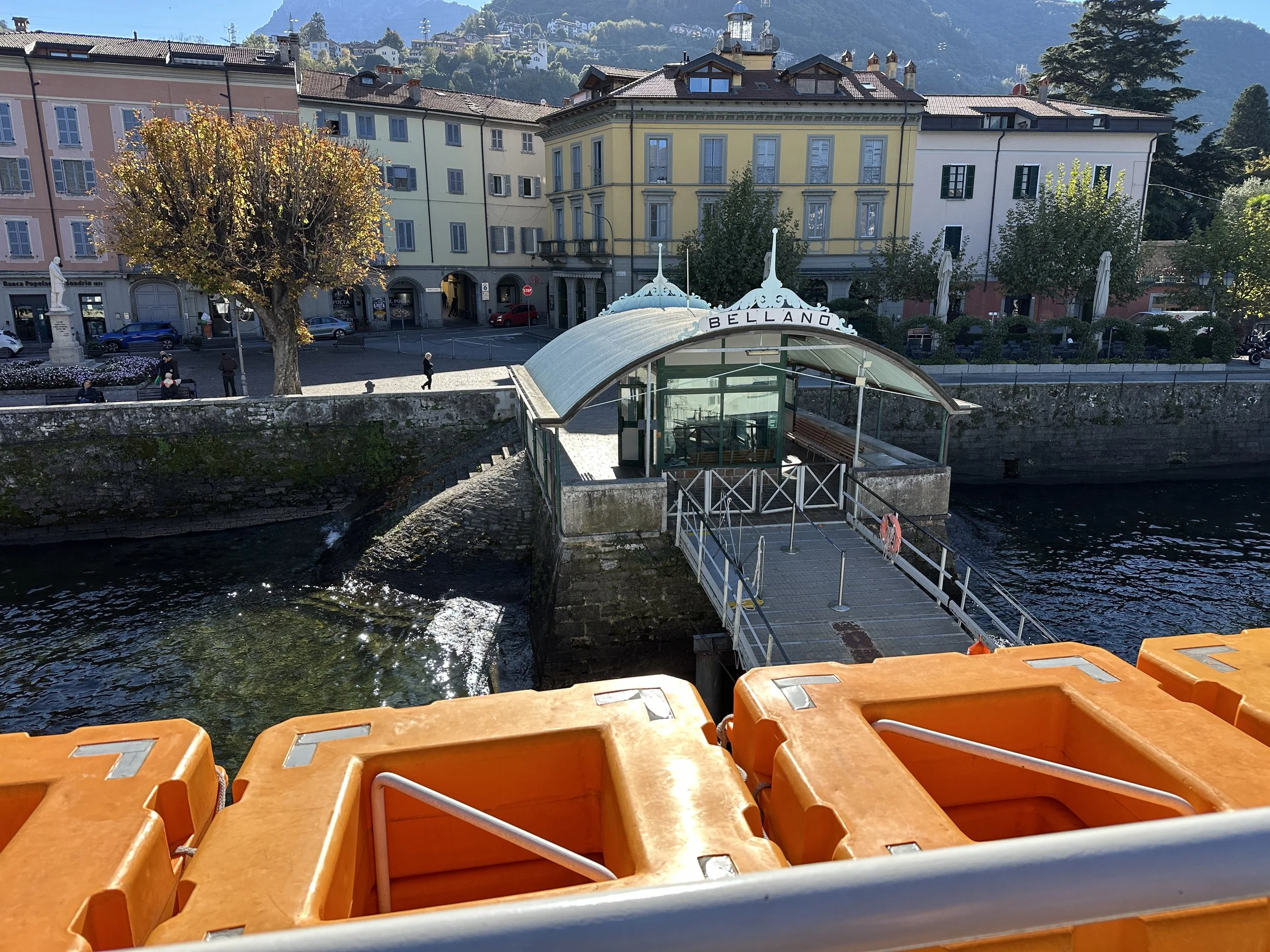
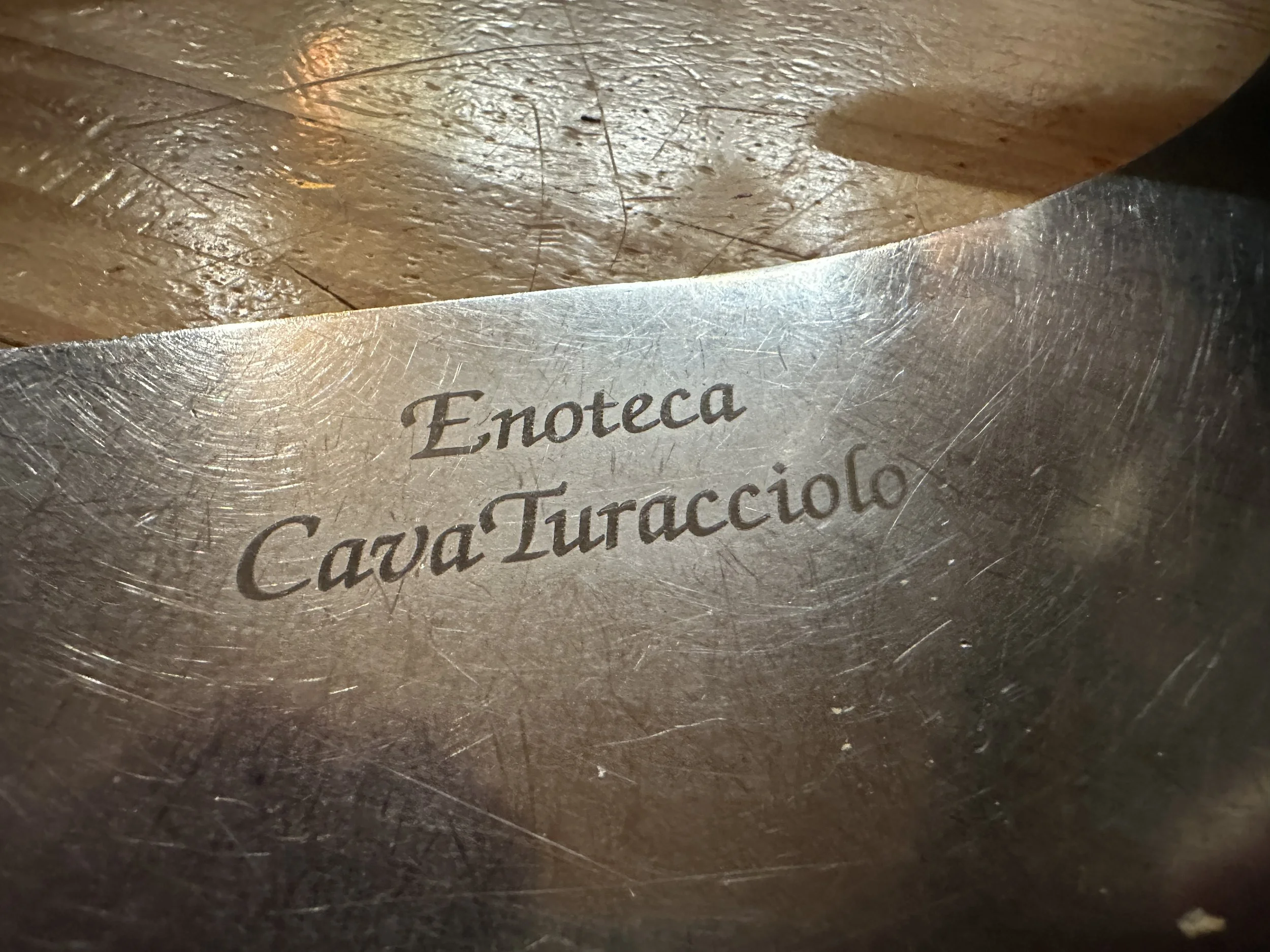
Last day in Italy, we took a tour to Lake Como for what should be our final on-water activity. Bus to Bellano, then a boat to Bellagio for a couple of hours. We found a wonderful wine bar that was well out of the main way, and tried a flight of local white wines - Pino Grigio (local), Lugano, Cabrioni (blend of chardonnay and Sauvignon). Almost got into an argument with the proprietor by asking about Stelvin closures (cork closures are used almost exclusively in Italy). After that a boat to Varenna for another stop, then a boat back to Bellano for the return bus trip. Lake Como is beautiful. We tourists risk wrecking it.
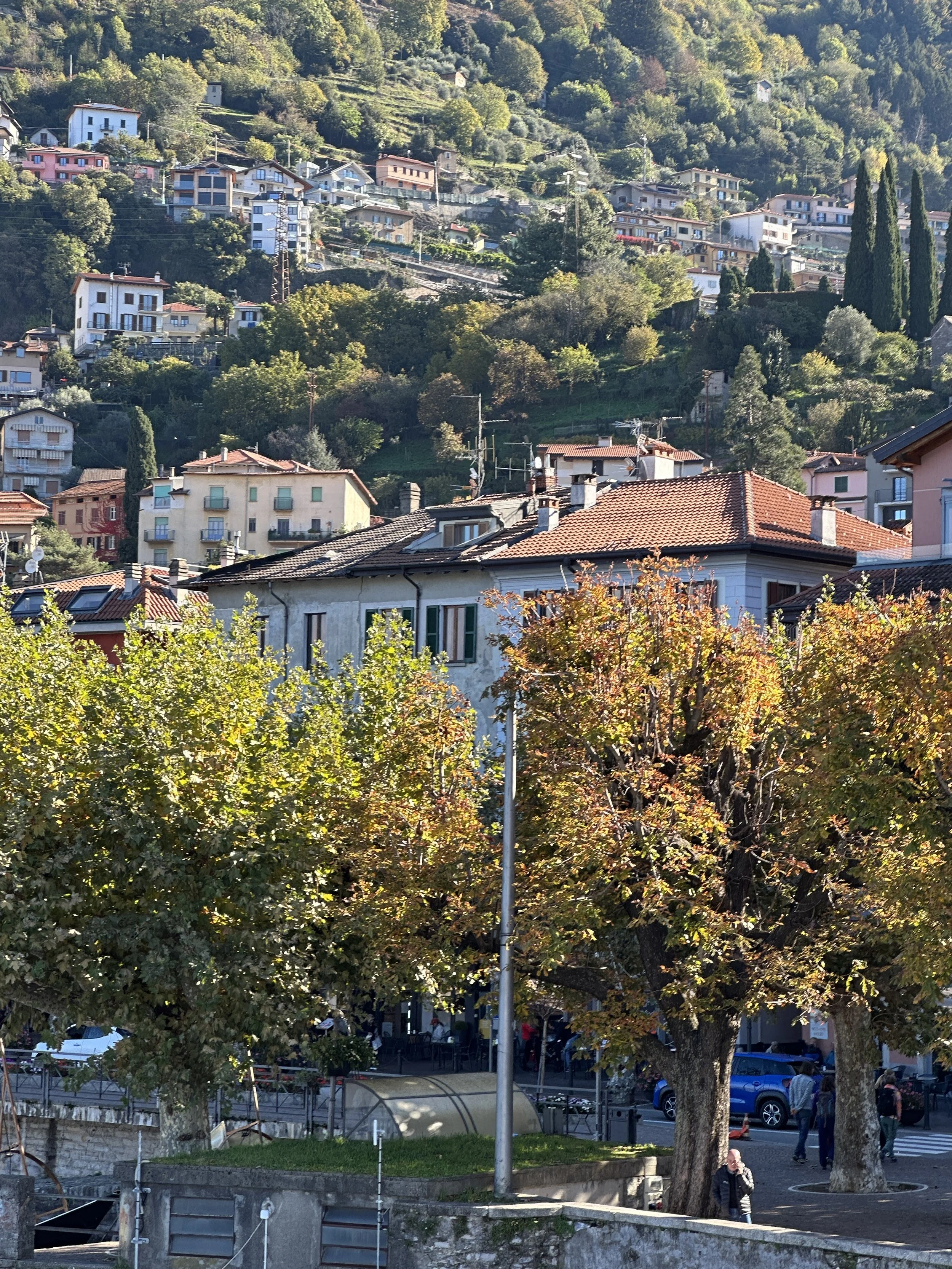
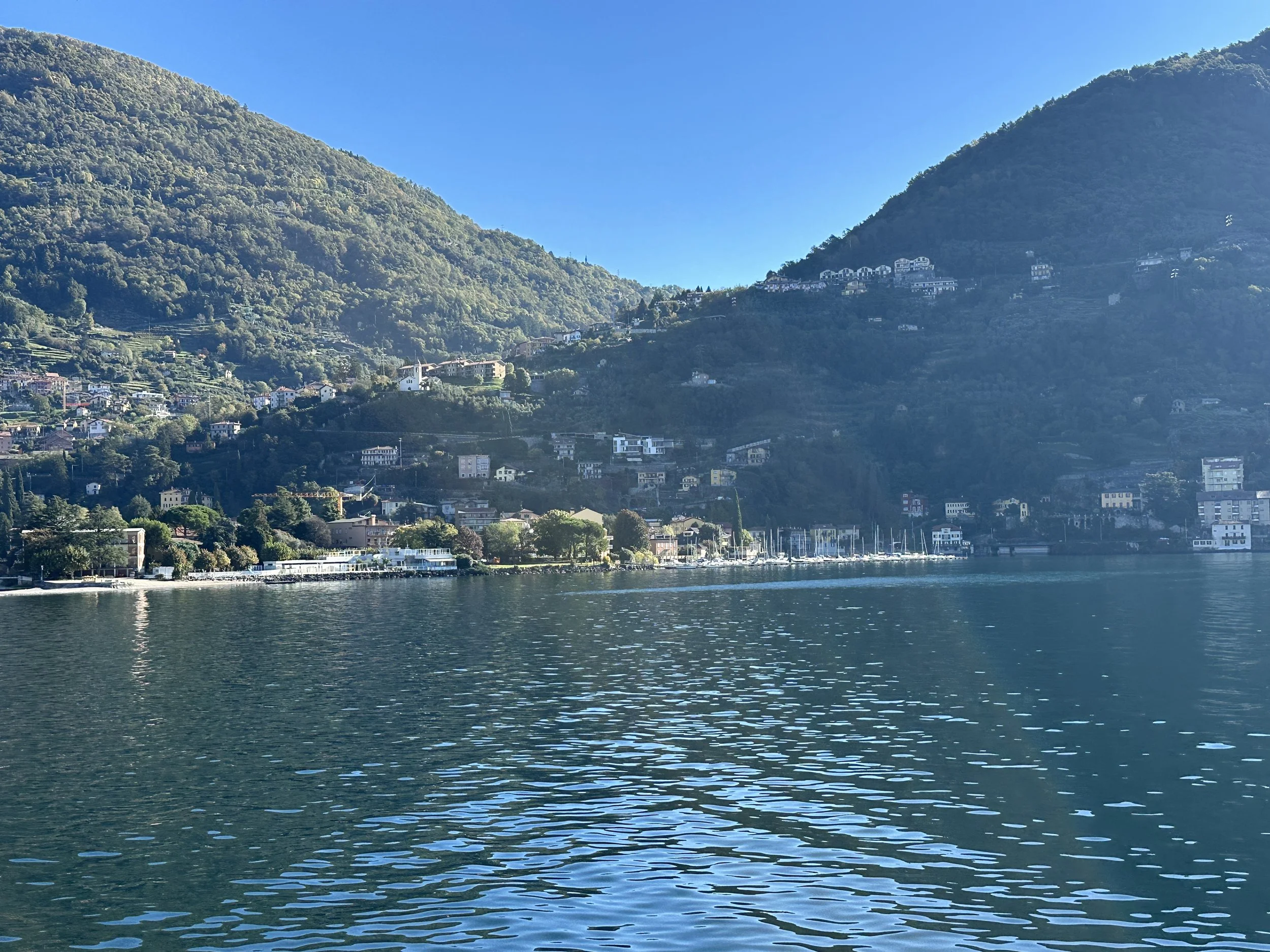
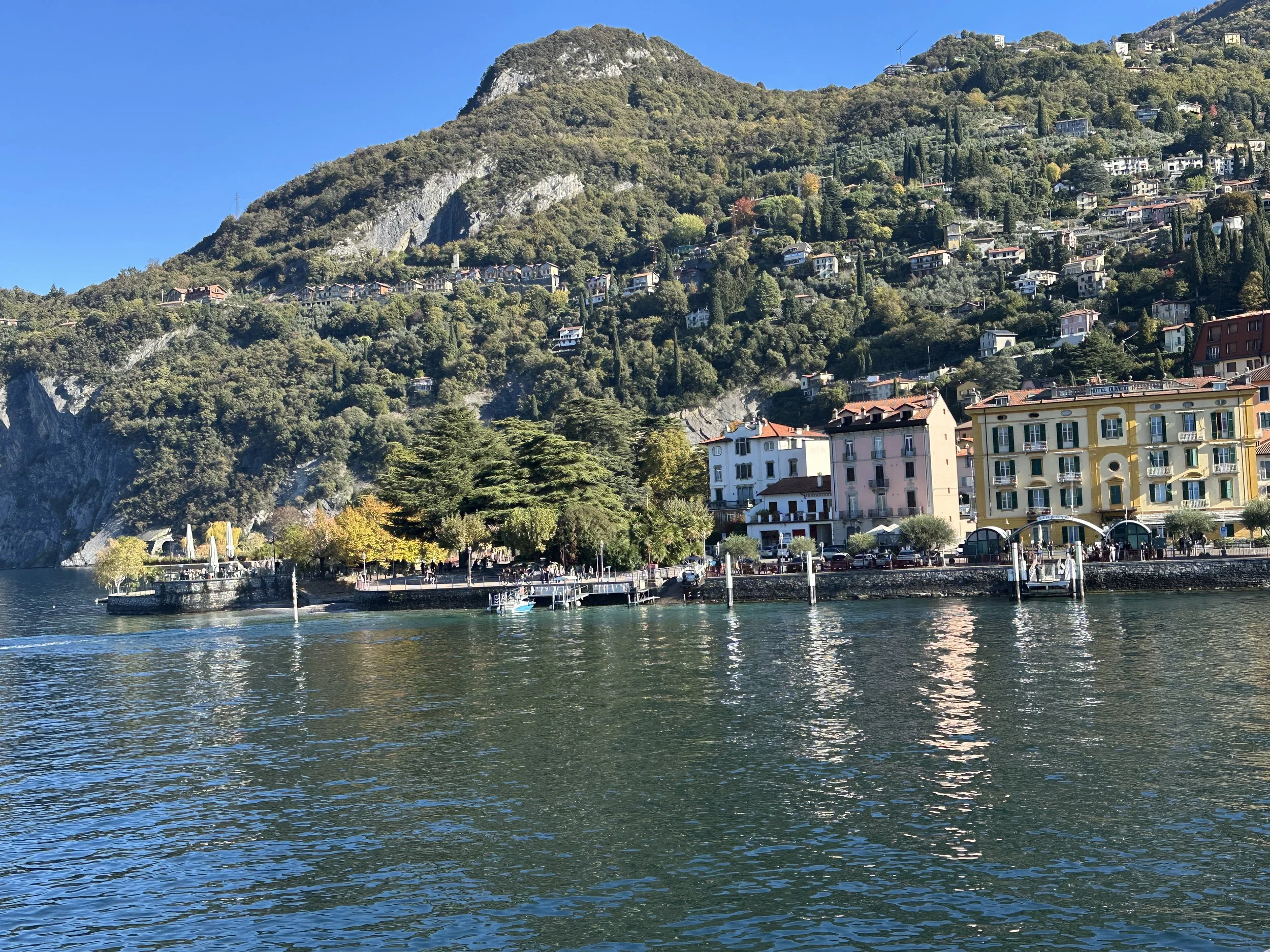
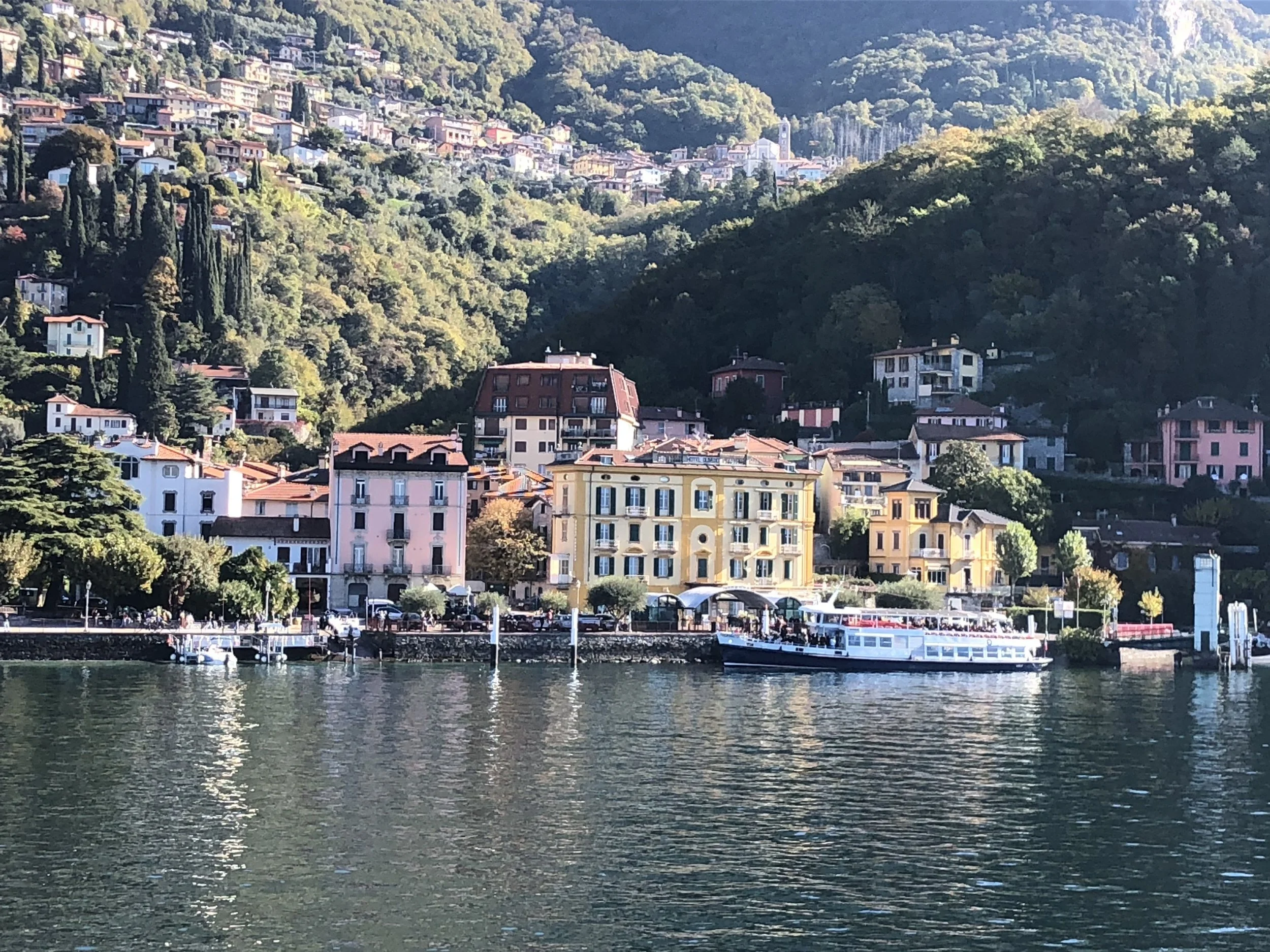
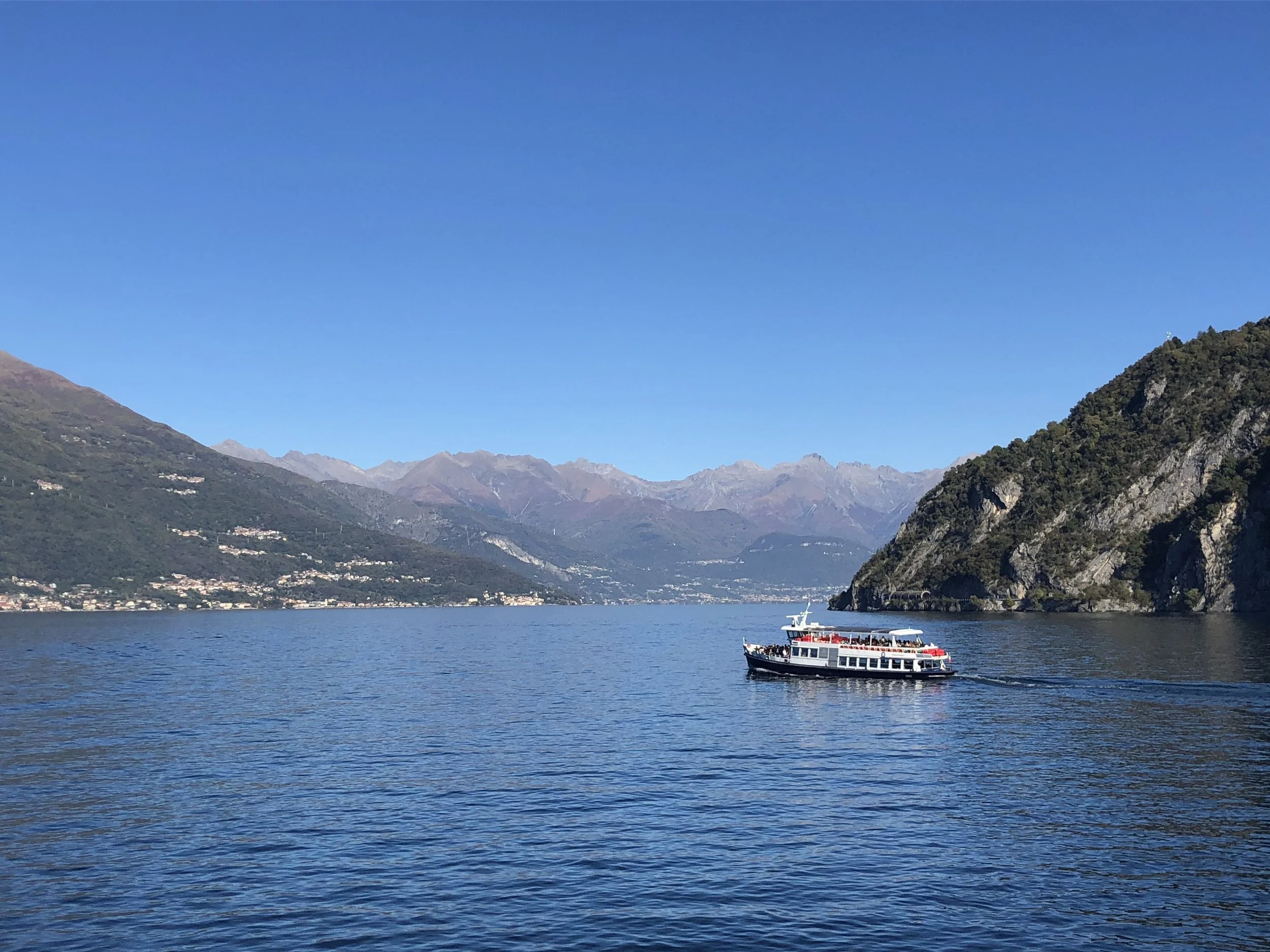
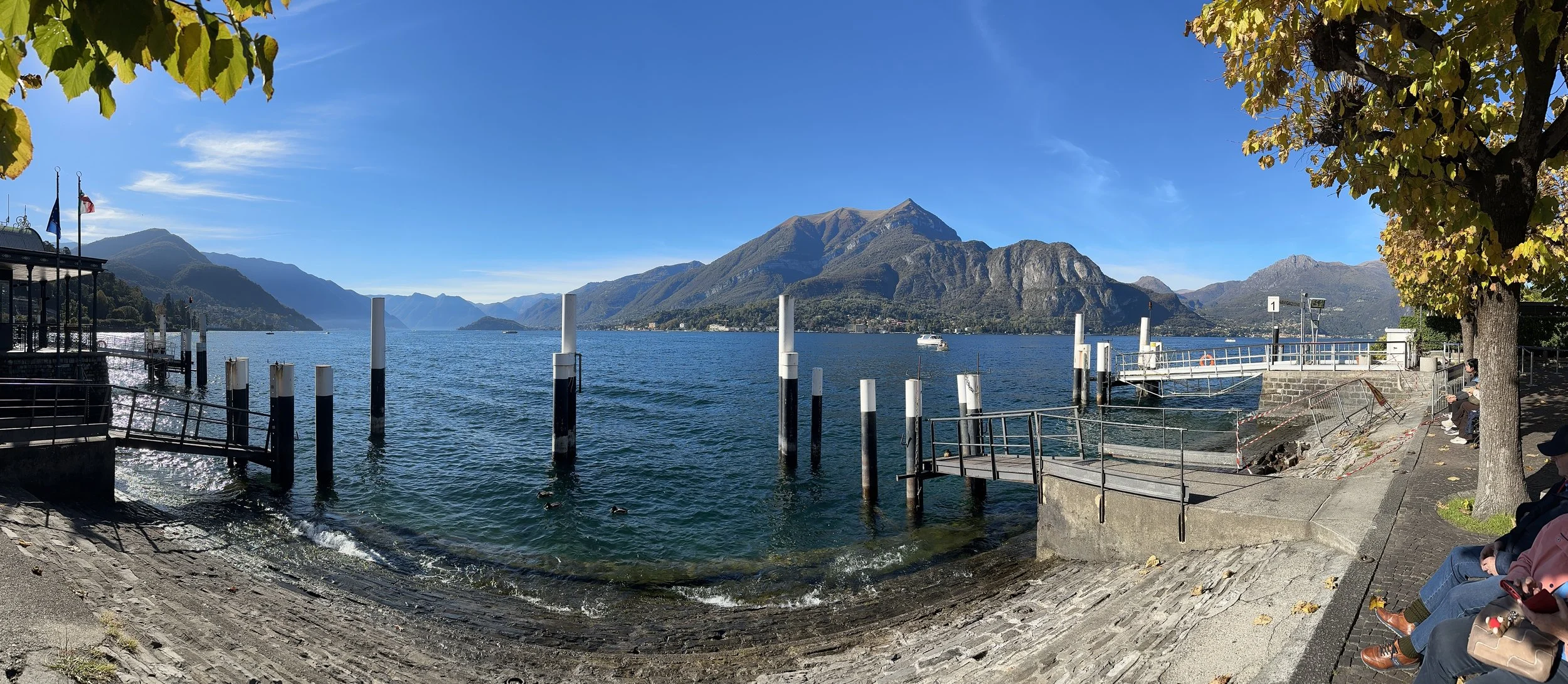
Too tired for jazz at Milano’s Blue Note, so a quick farewell dinner at ‘our local’, ready for a very early start in the morning. A transport strike was forecast for Friday, so I arranged a car. Amer was our driver (he very helpfully advised it’s like America, but without the ‘ica’).
The Netherlands — Arnhem
The DB train from Frankfurt airport to Arnhem was a little late, and became increasingly late as the trip progressed, living up entirely to the warnings from our German friends about the unreliability of the German train system. Spectacular crossing over the Rhine near Cologne, which we experienced twice as the train went into the station ‘forwards’, then backed out onto a different track. The train, an Inter Capital Express (ICE), was meant to go from Frankfurt to Amsterdam, but somewhere near the border the announcement was made that the final destination would be deleted with the train terminating at Utrecht. Anyone wanting Amsterdam would have to transfer to a local train for the final leg.
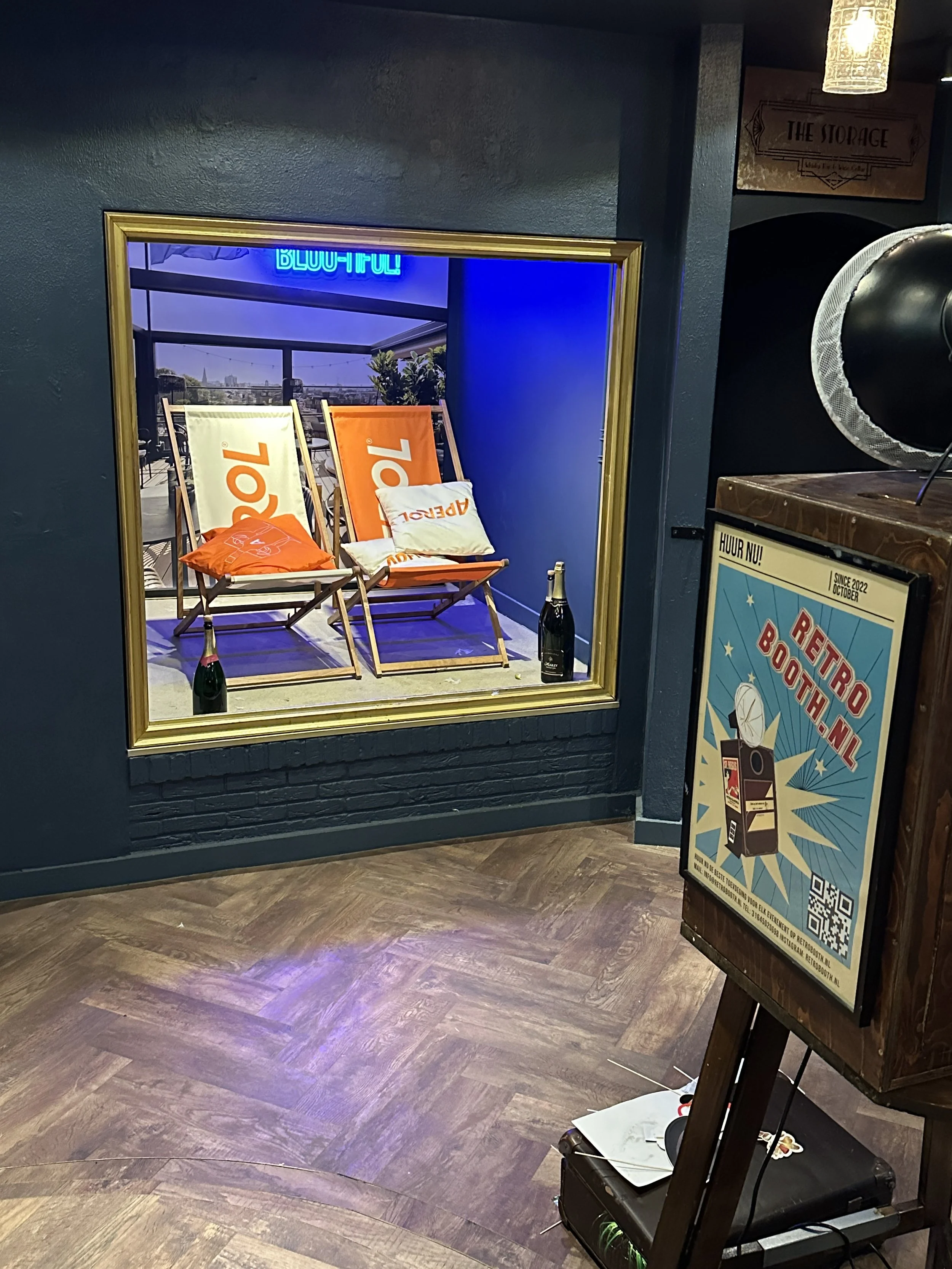
I’ve been to Arnhem a few times before, but the station has been completely rebuilt since then. The Hotel Haarhuis, directly over the road, has also undergone an extensive renovation since I was last here. Our room has a balcony and its own sauna three metres from the door! I don’t think that is typical — maybe the special room is some compensation for the fact that the hotel is hosting an enormous private party this evening, including novelty photo booth just a short cooee away from our room.
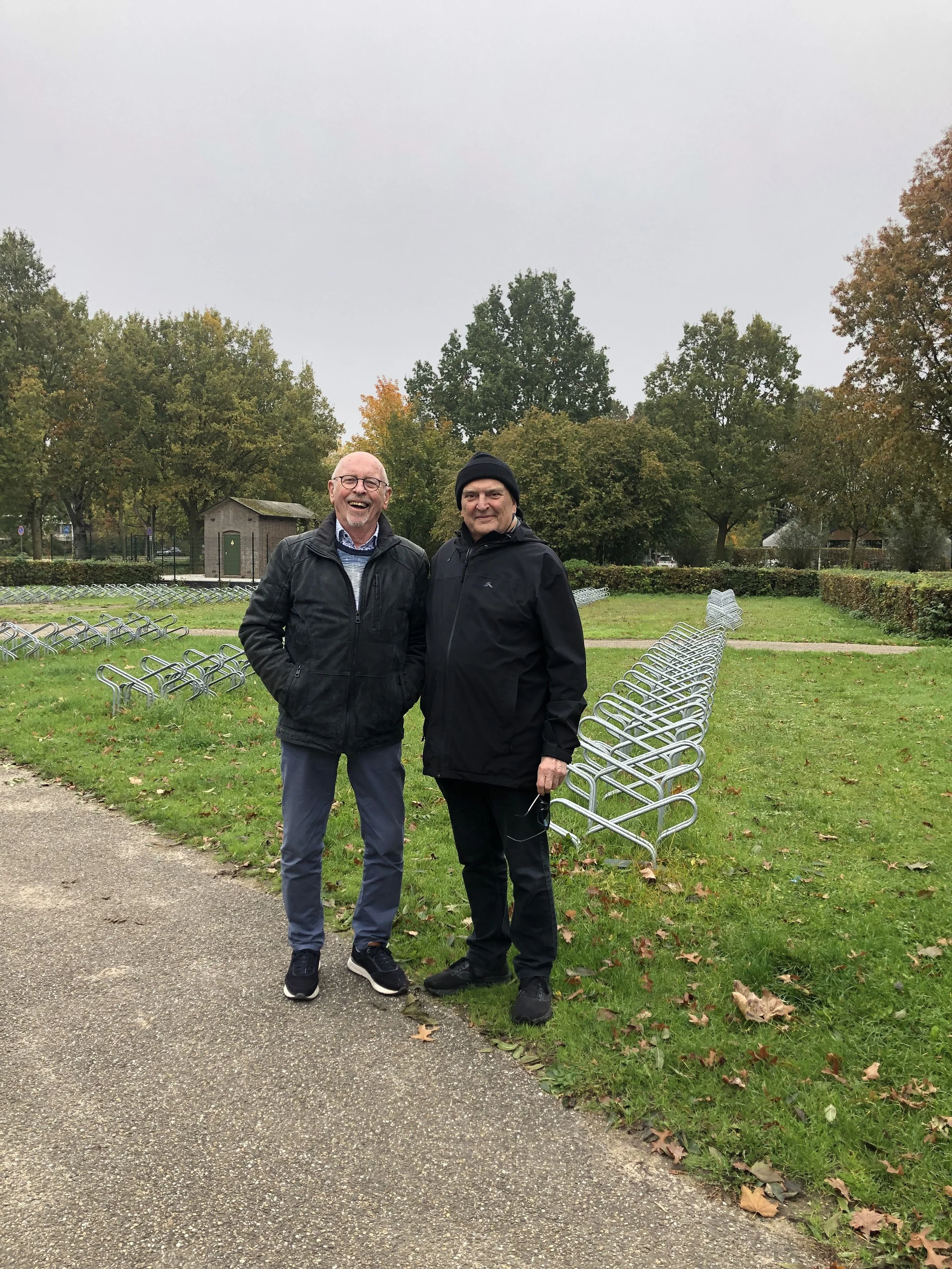
It was great to see my old friend Kees, who remains in good form despite some knee problems. He took us to a fantastic Asian restaurant Renao near the edge of town. The food was absolutely amazing. A highlight was the salmon sushi rolls, each of which was decorated with a small flower petal, possibly a pansy. SWCBN insisted that in all her experience living in Japan and since, she had never before seen sushi served in this way.
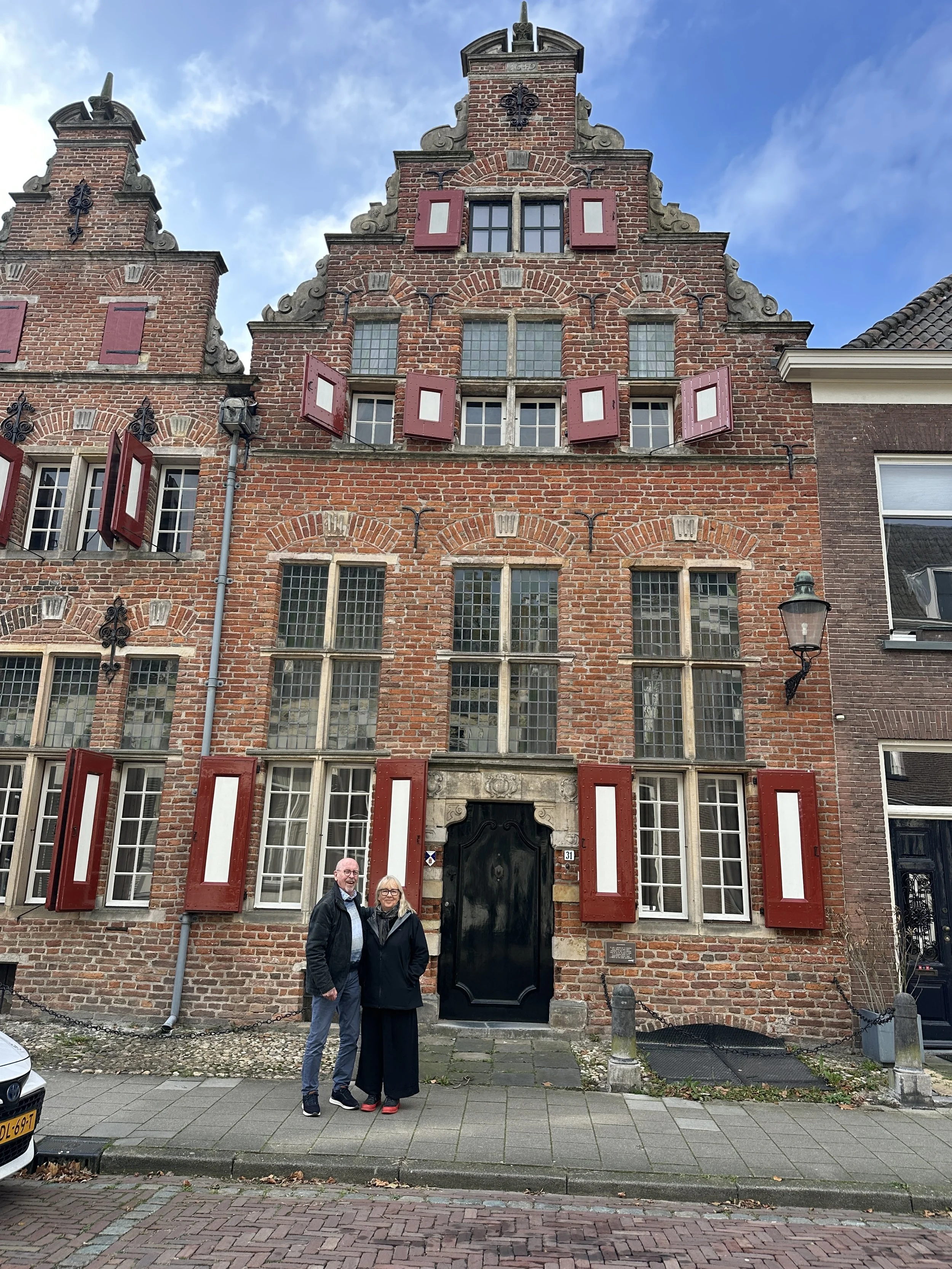
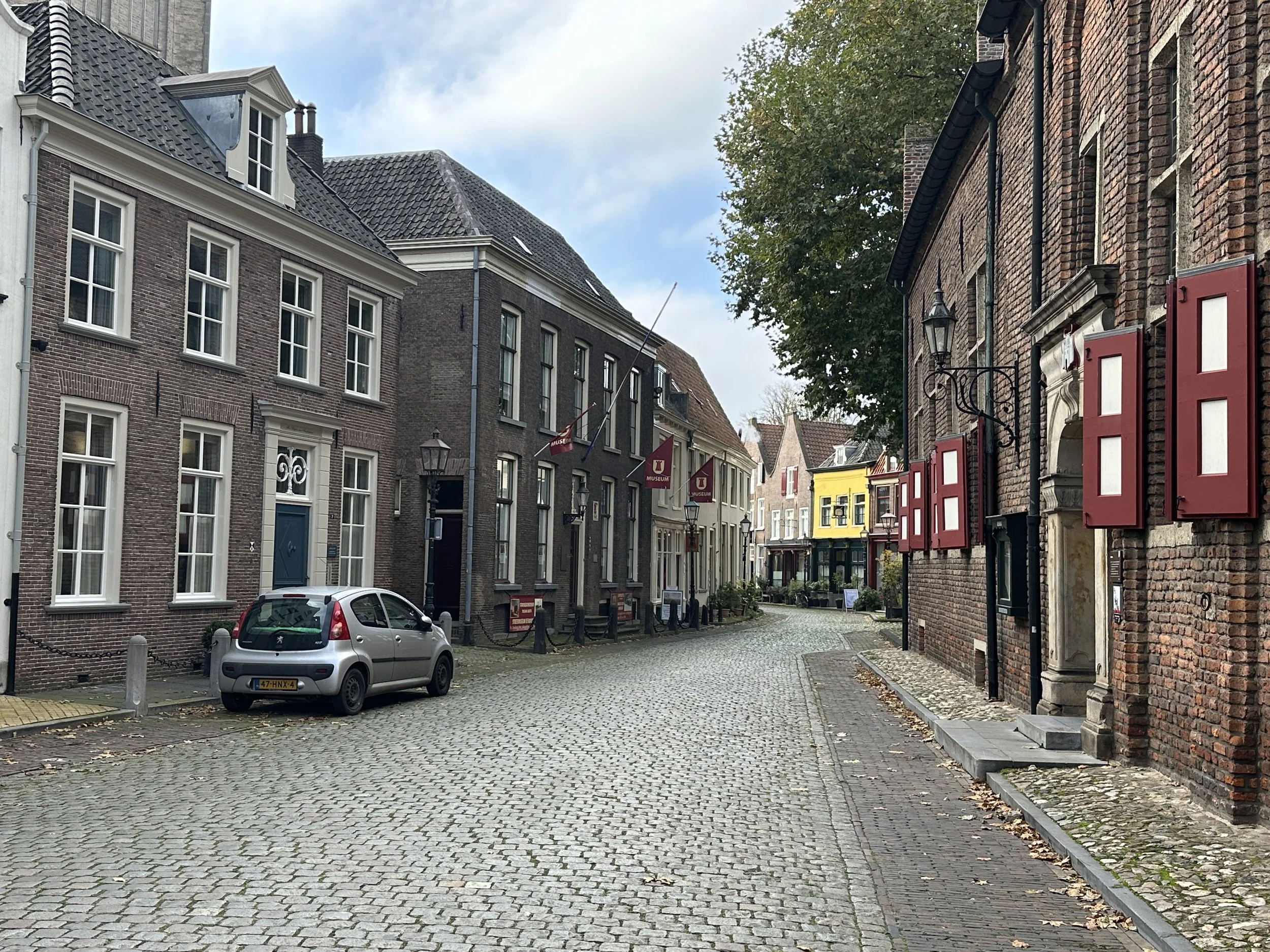
We spend several hours with Kees the next day — at his house, exploring his neighbourhood, visiting a quaint little village nearby; then a rest, and meeting up again for dinner in an Indonesian restaurant, before saying goodbye. The reason for coming in and out of Europe through the Netherlands was to catch up with Kees and make sure he is OK. Mission accomplished.
The Netherlands — Amsterdam
Final days of a wonderful trip. We spent a week here when we were first together, almost 50 years ago. It seems bigger and busier now. The train trip from Arnhem was a shocker, with train delay, train cancellation, and having to find a somewhat roundabout route to get here as track works were underway on the Arnhem-Utrecht leg. But the weather is holding. It’s cold but sunny.
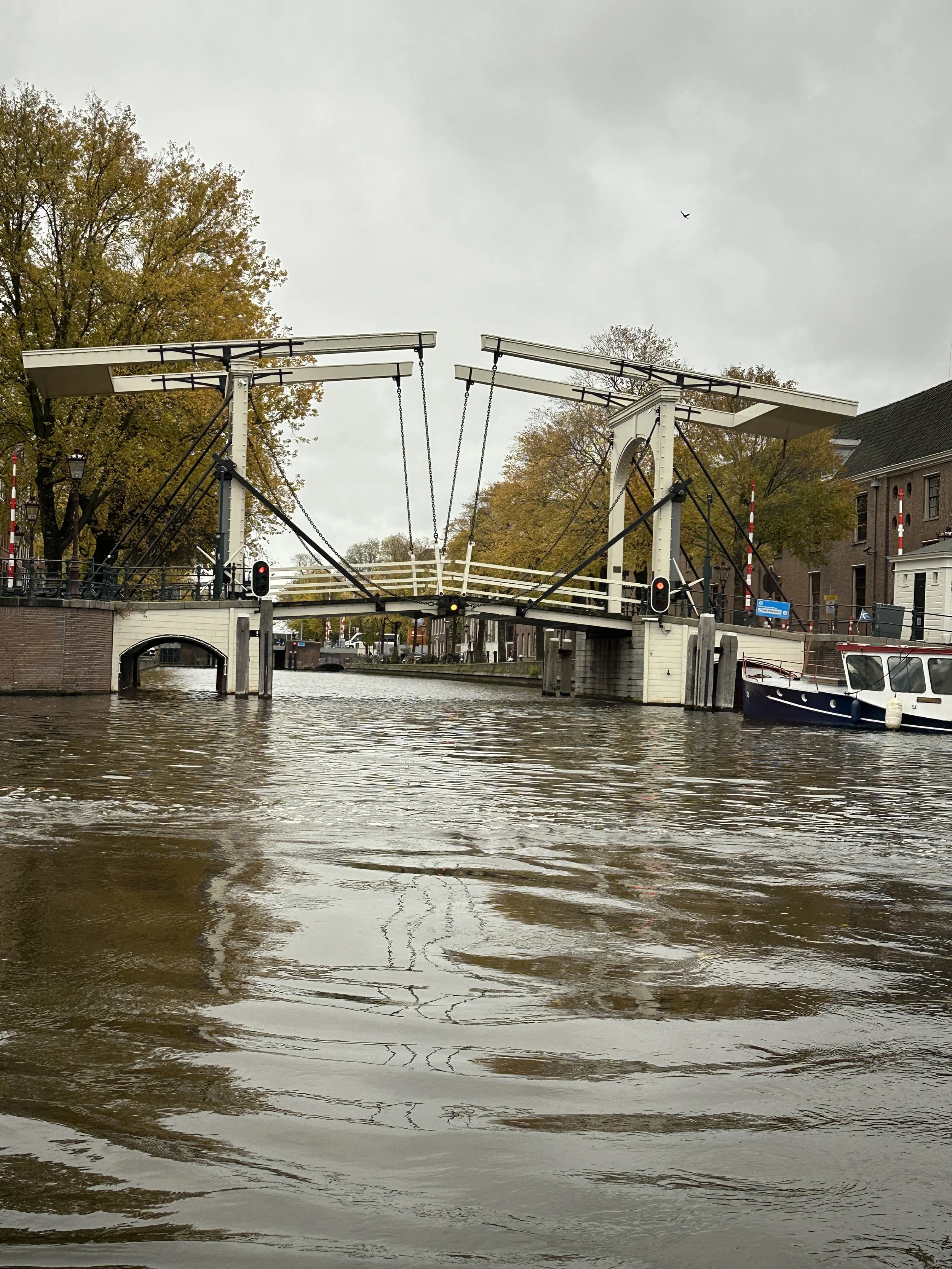
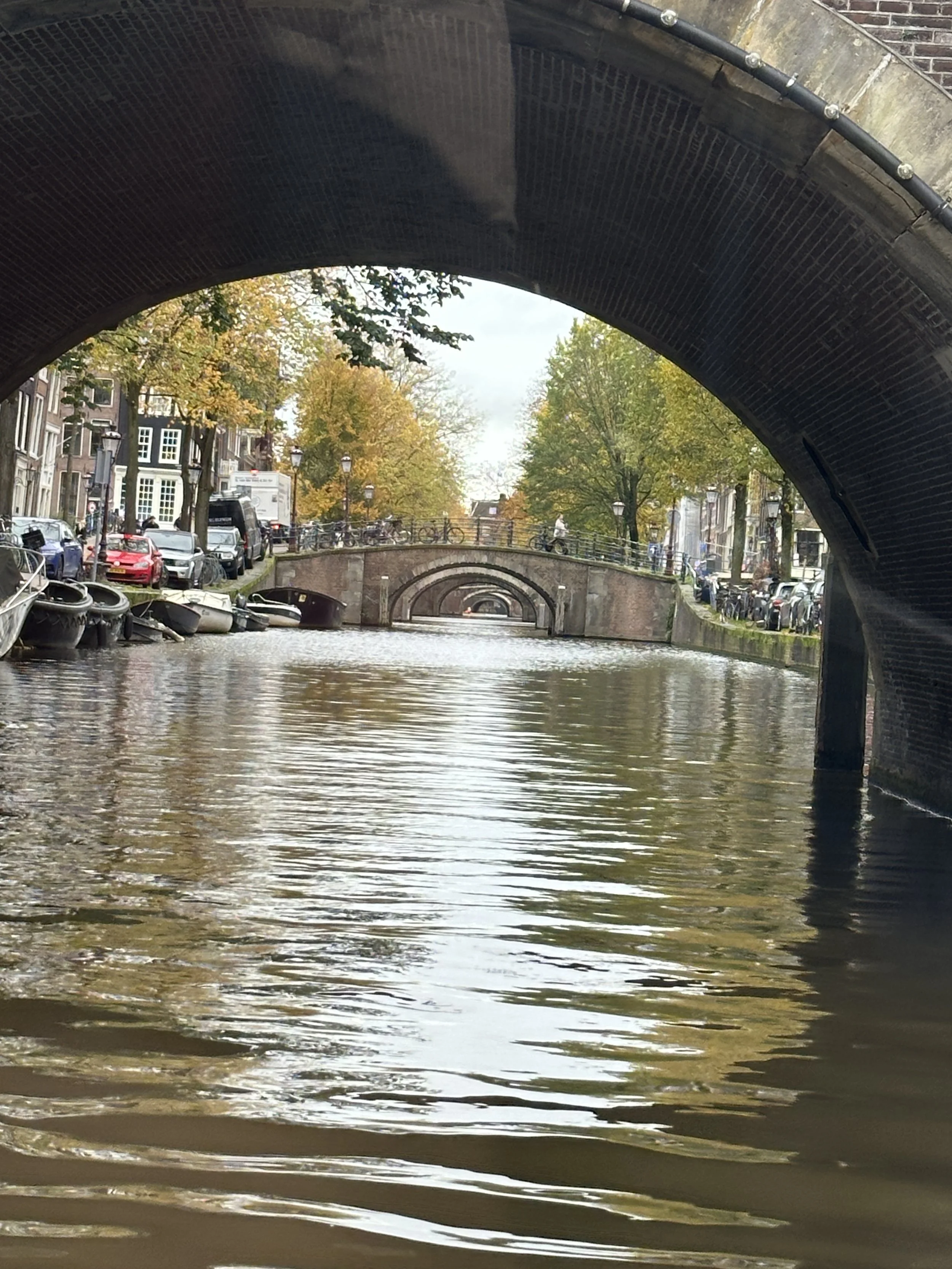
For our last day, what else but an on-water activity? It seems that a canal tour gives one a different perspective on this old city. We’ll see.
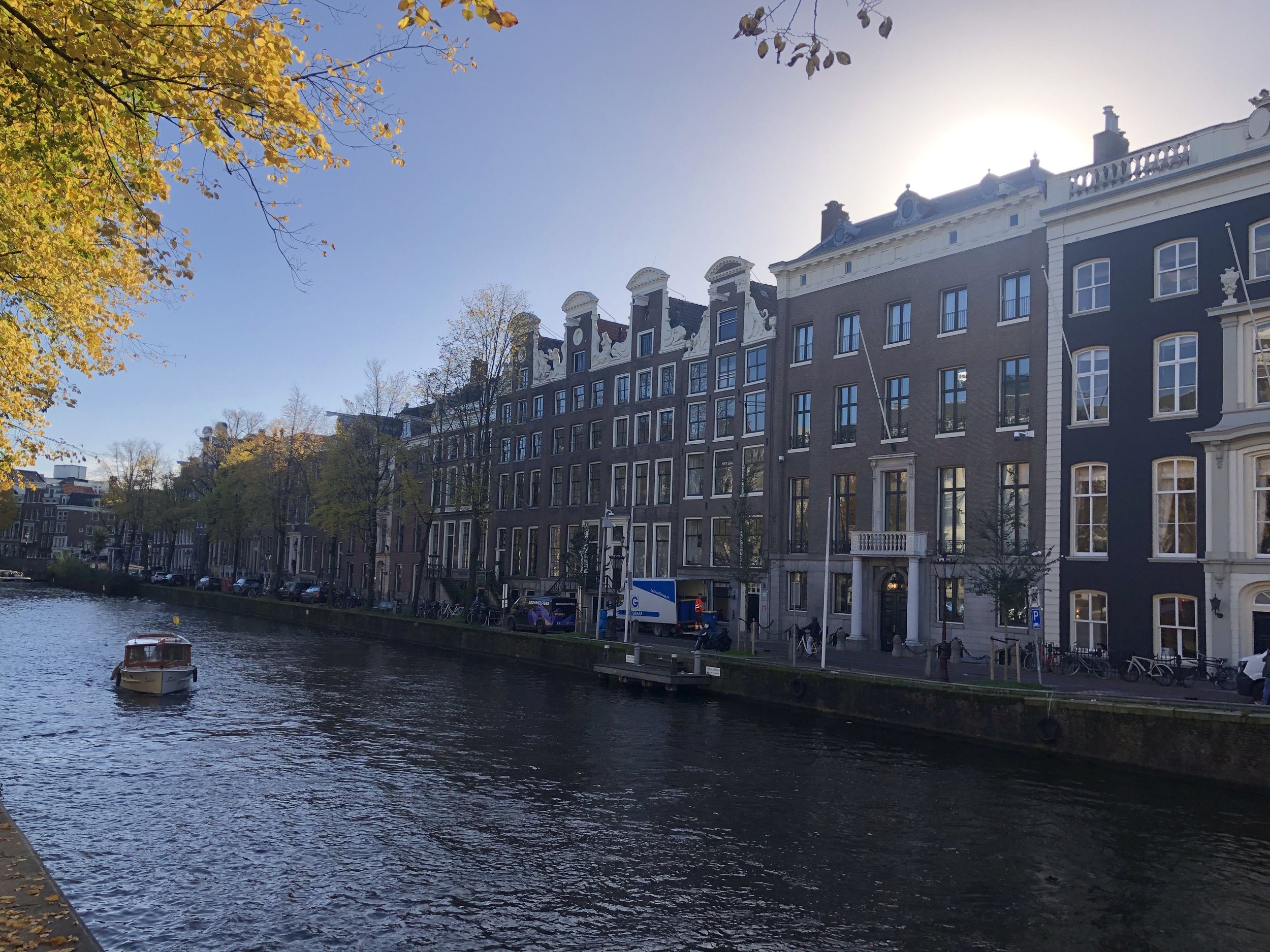
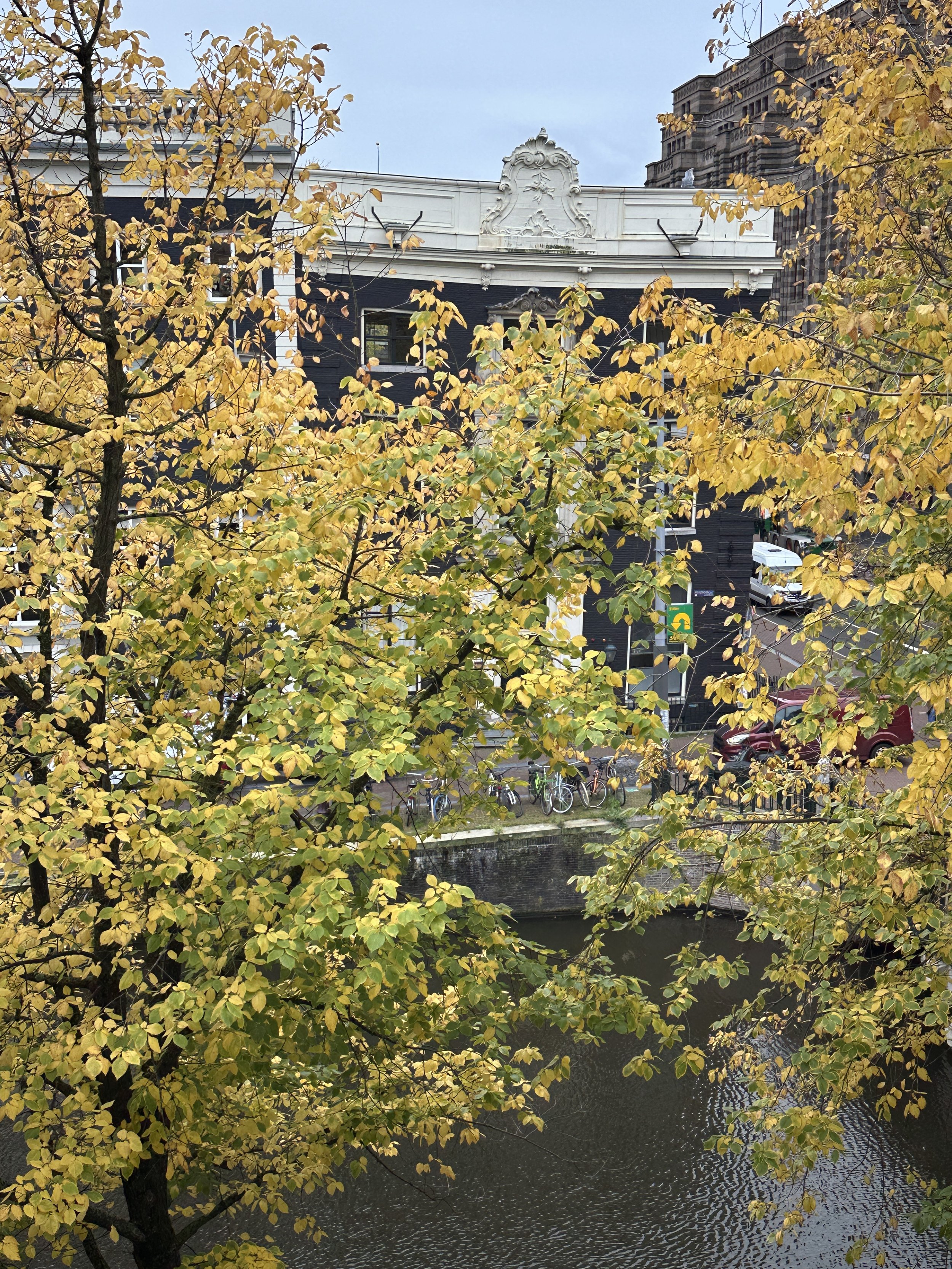
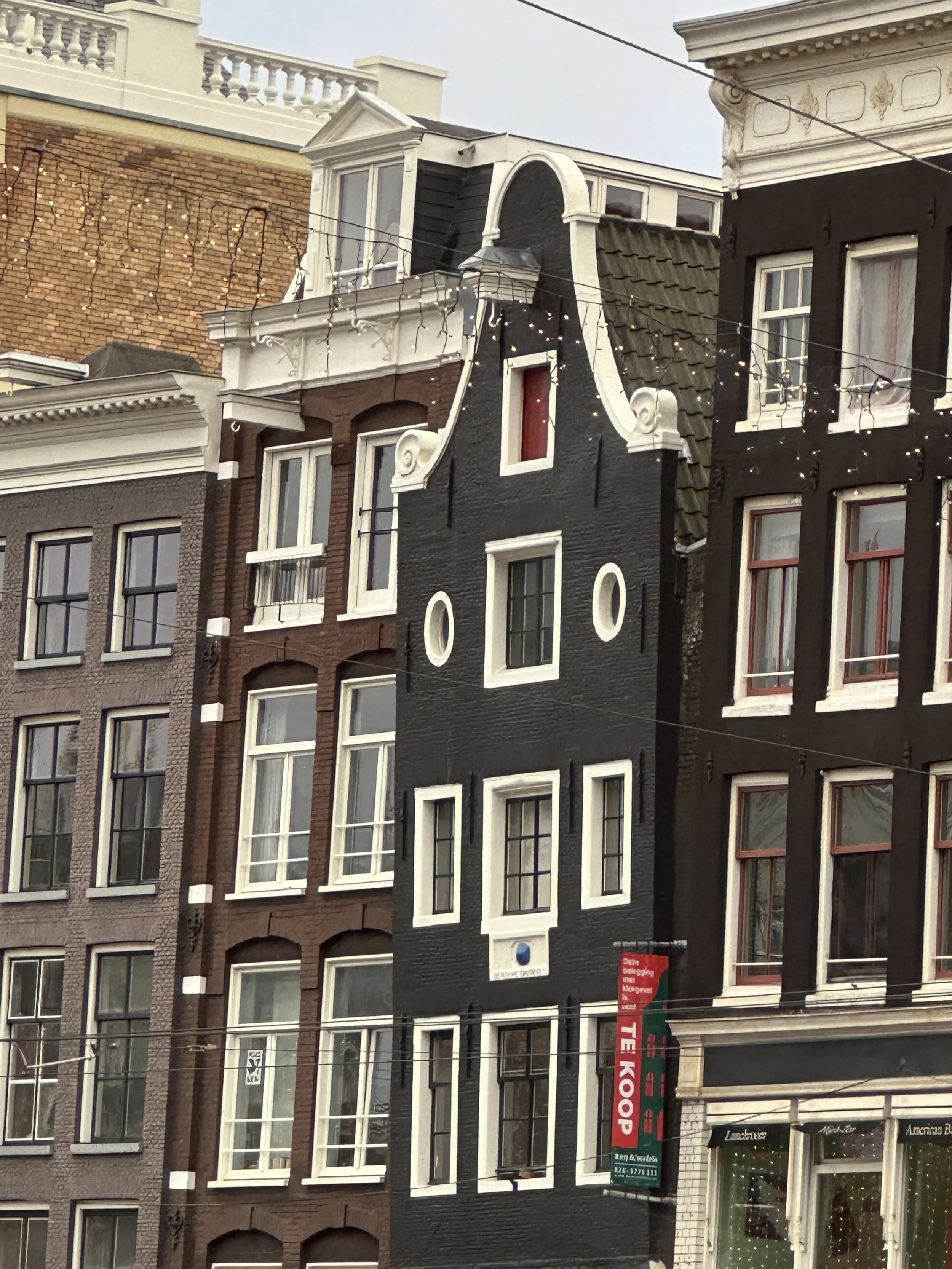
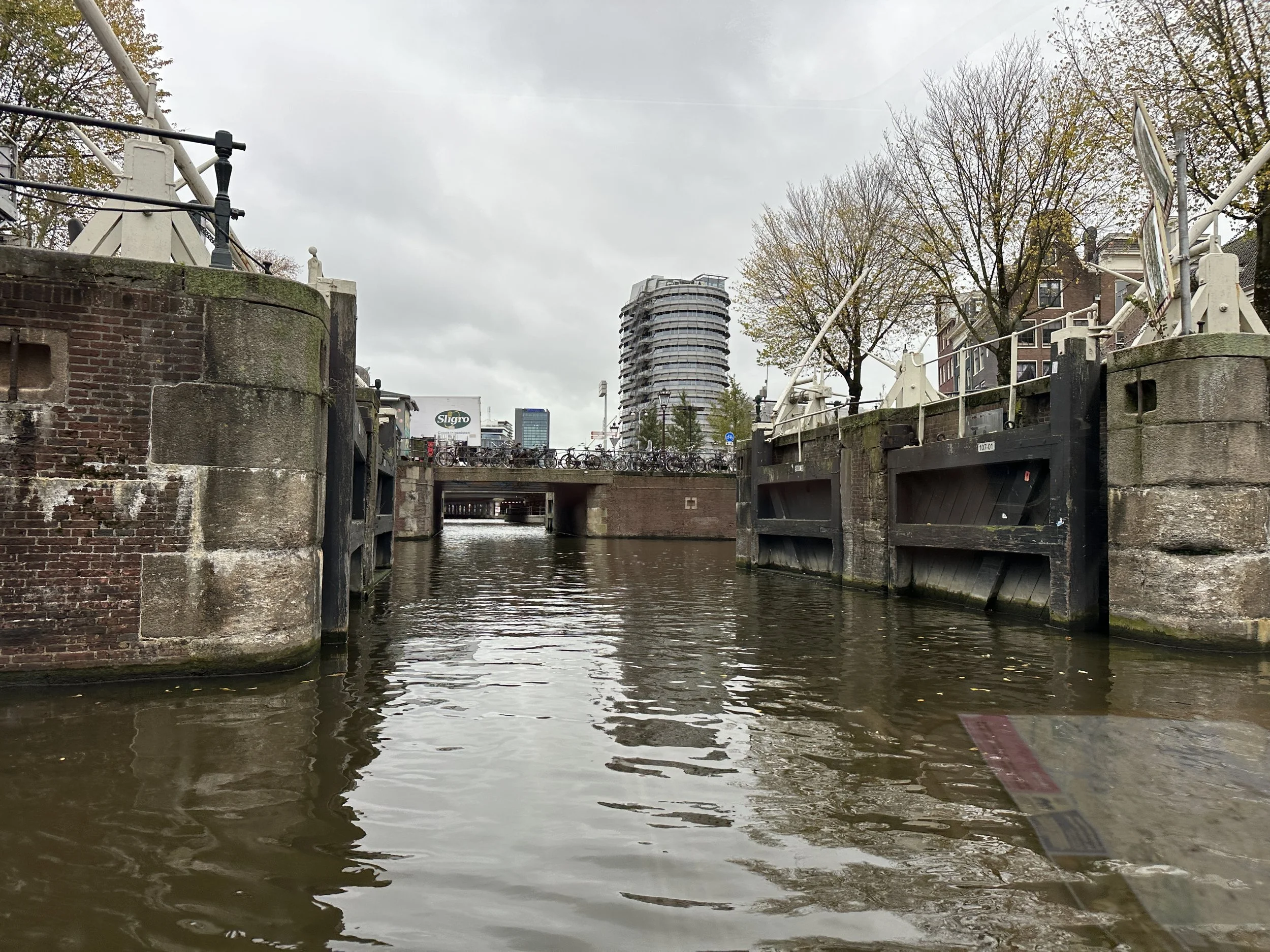
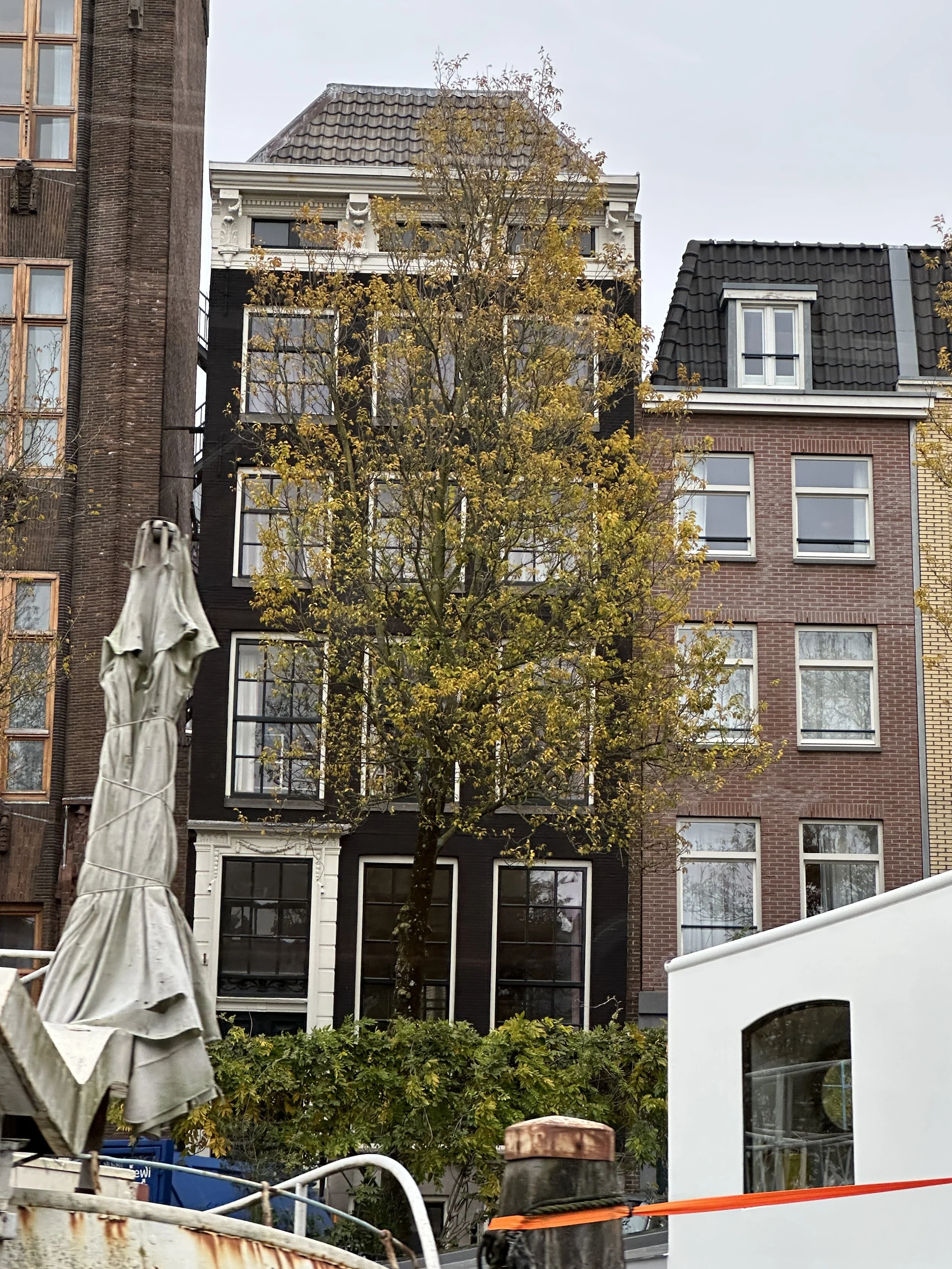
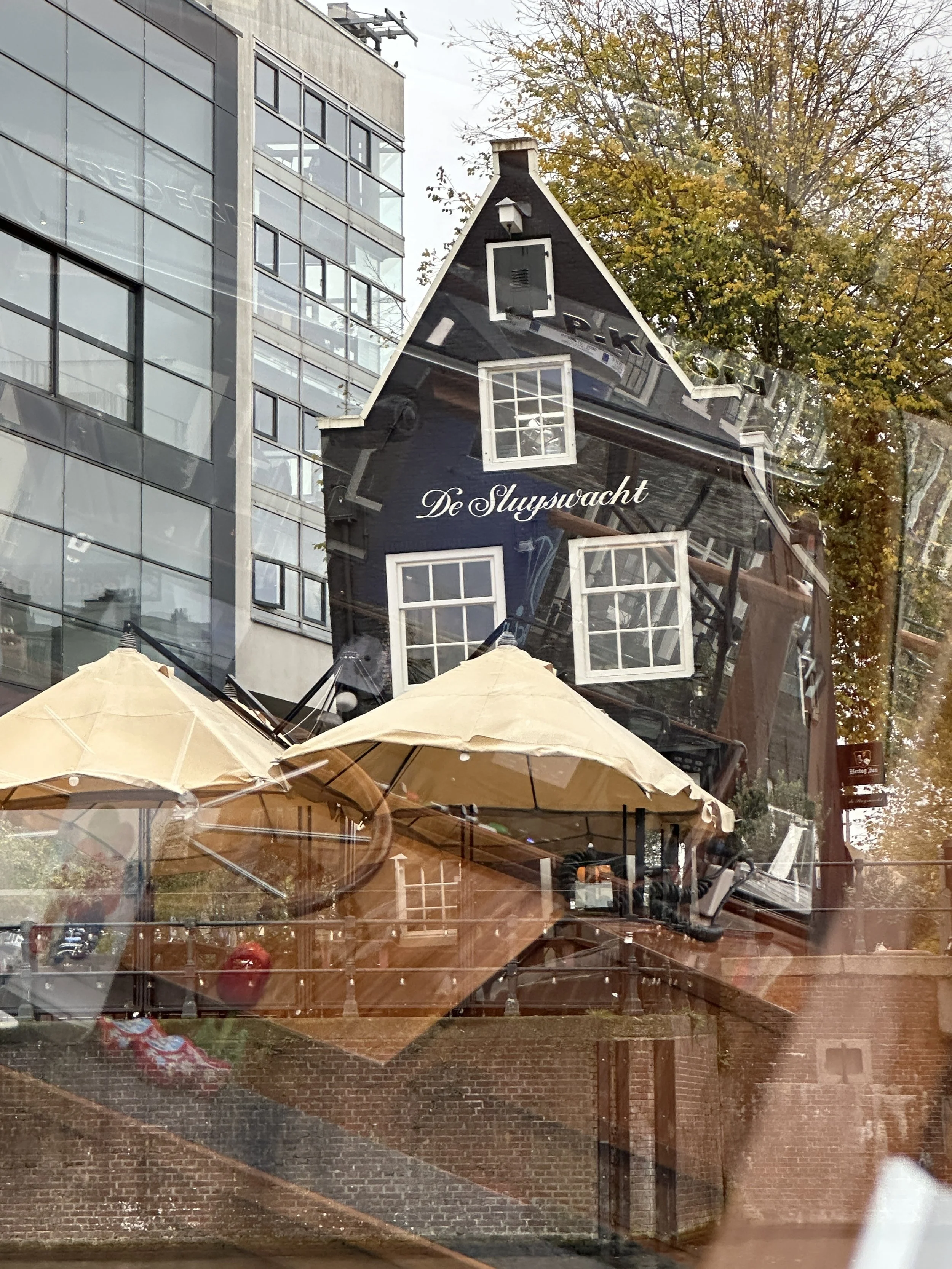
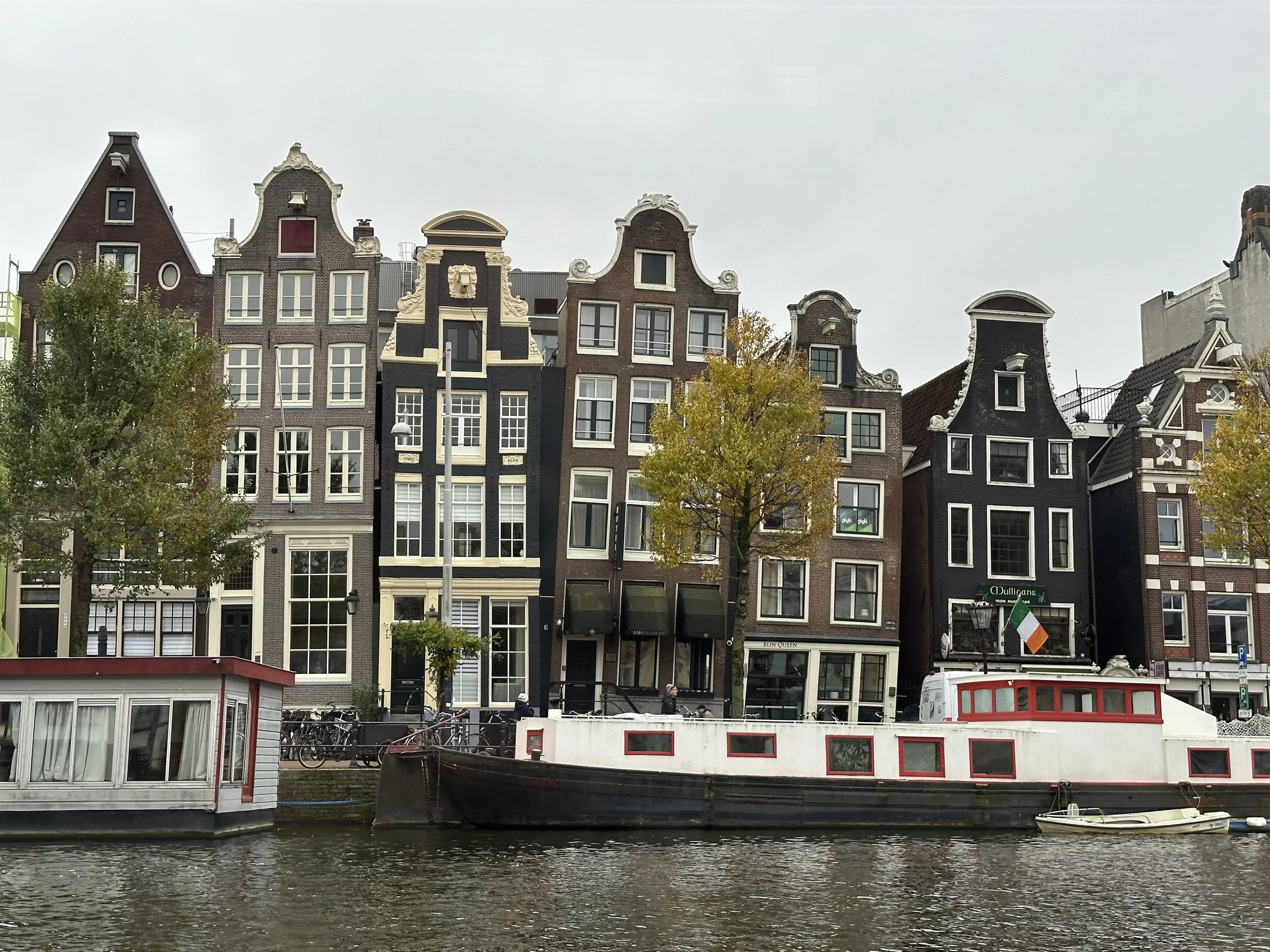
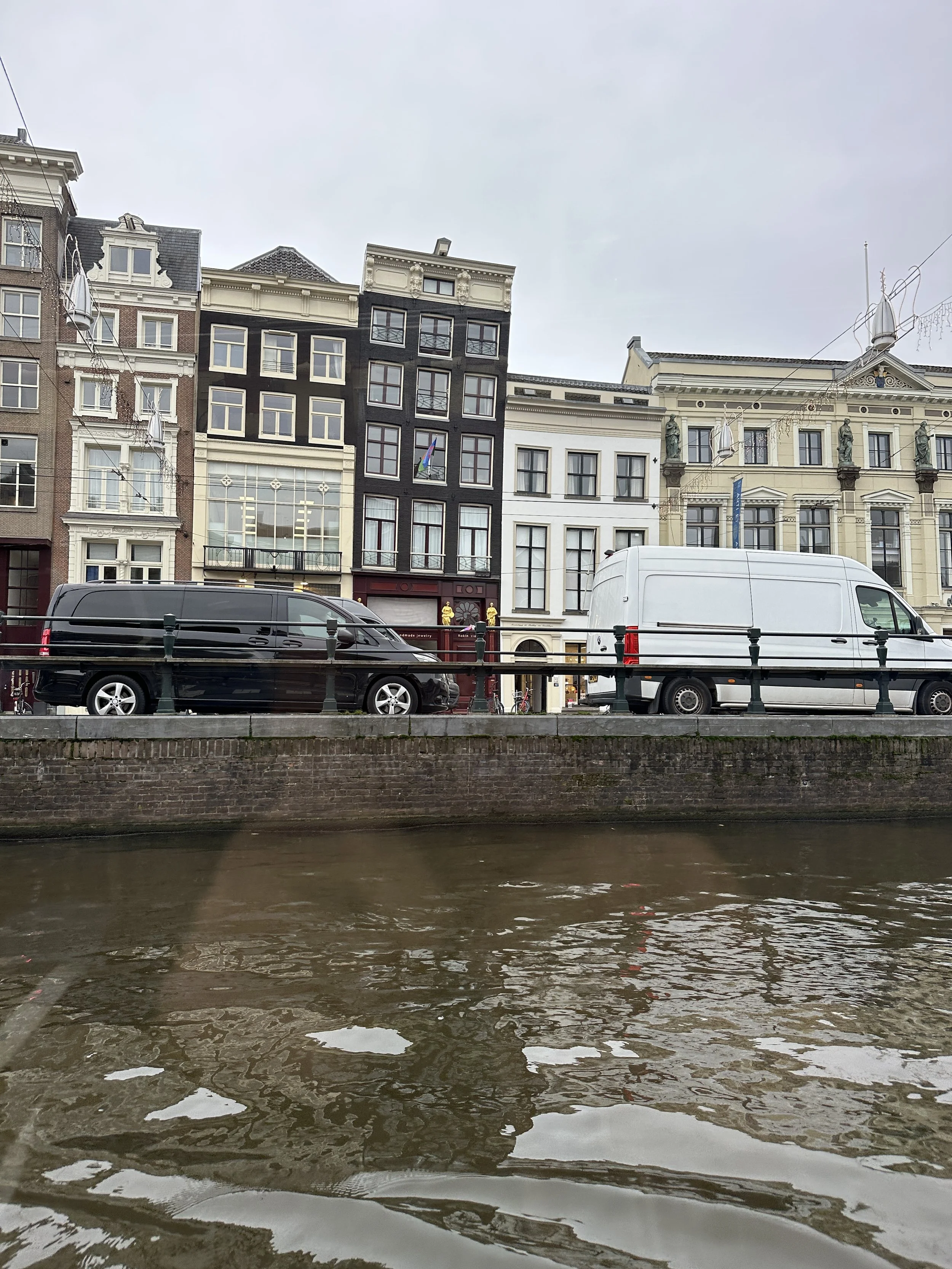
It was a surprisingly worthwhile activity. Certainly a different perspective from that gained on foot. I was particularly struck by the buildings that seem to be collapsing. There’s one directly opposite our hotel on the other side of the Herengracht canal. But we passed several on the tour. Apparently these buildings are sitting on wooden poles, and the wood rots when it is exposed to oxygen in the air, for example as the water levels change. It must be an engineering nightmare to undertake the levelling and underpinning needed to repair them.
Another early start for the trip home, but we are both ready for the delights of Melbourne. Era un buonissimo viaggio.
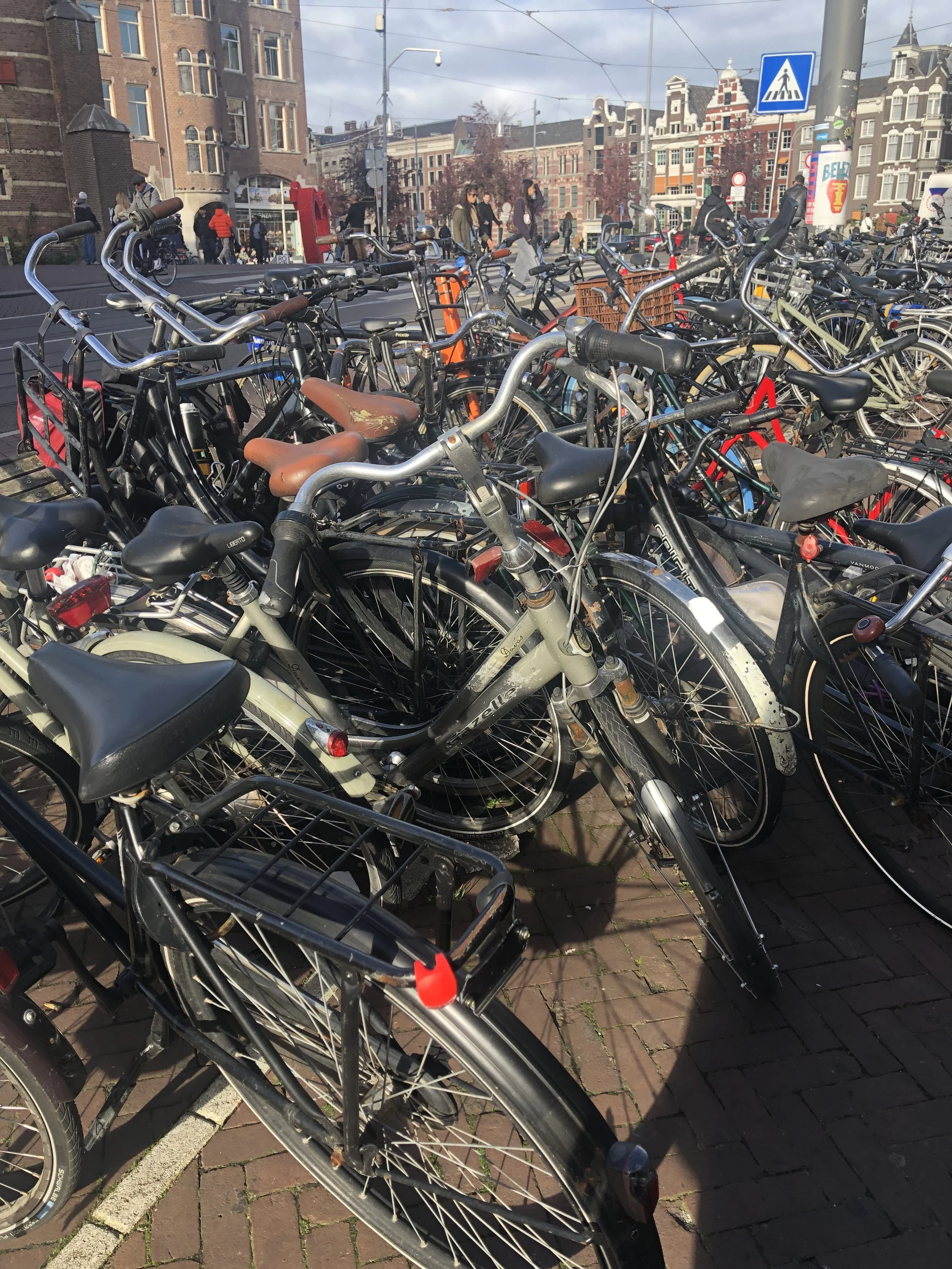
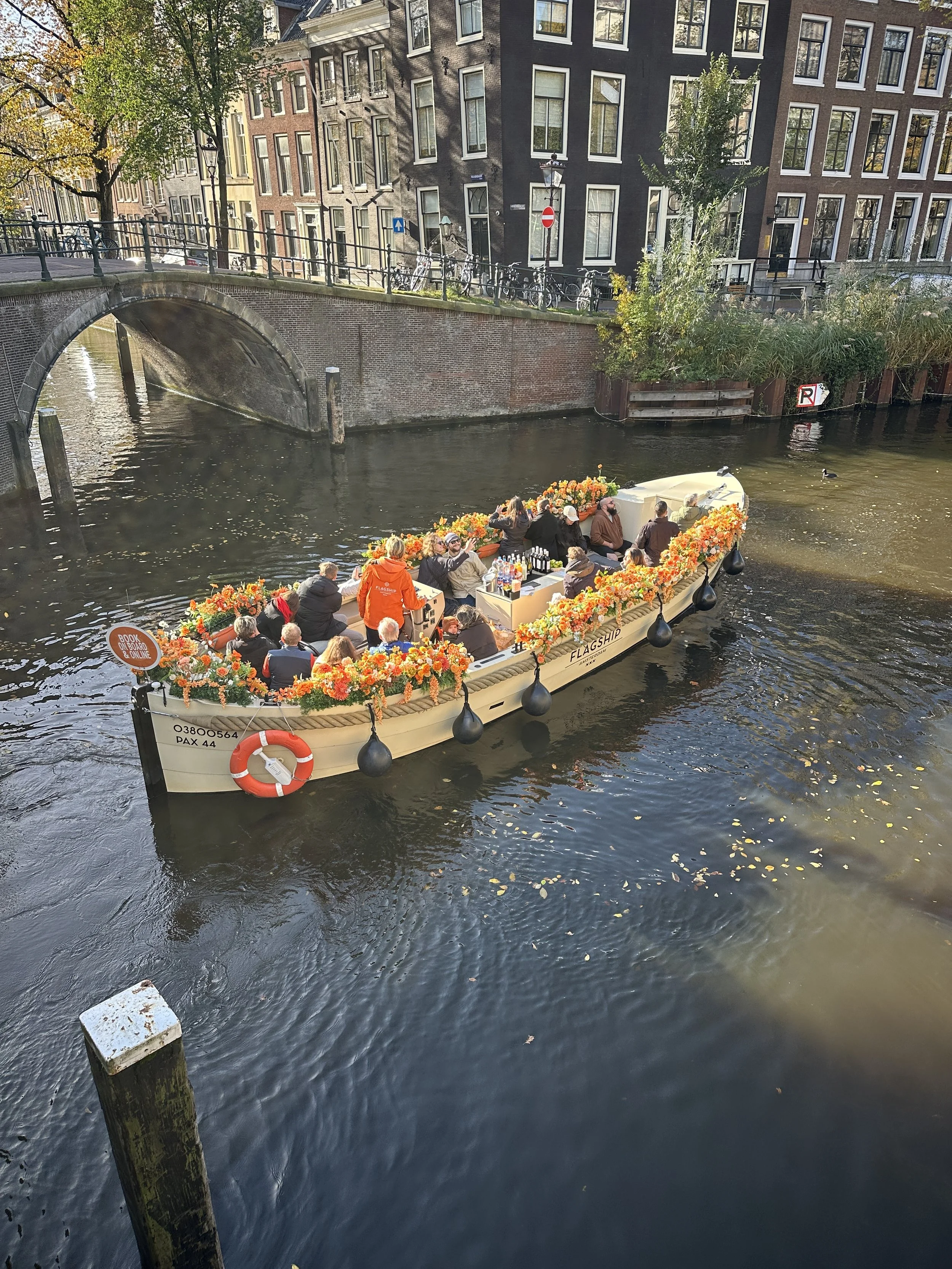
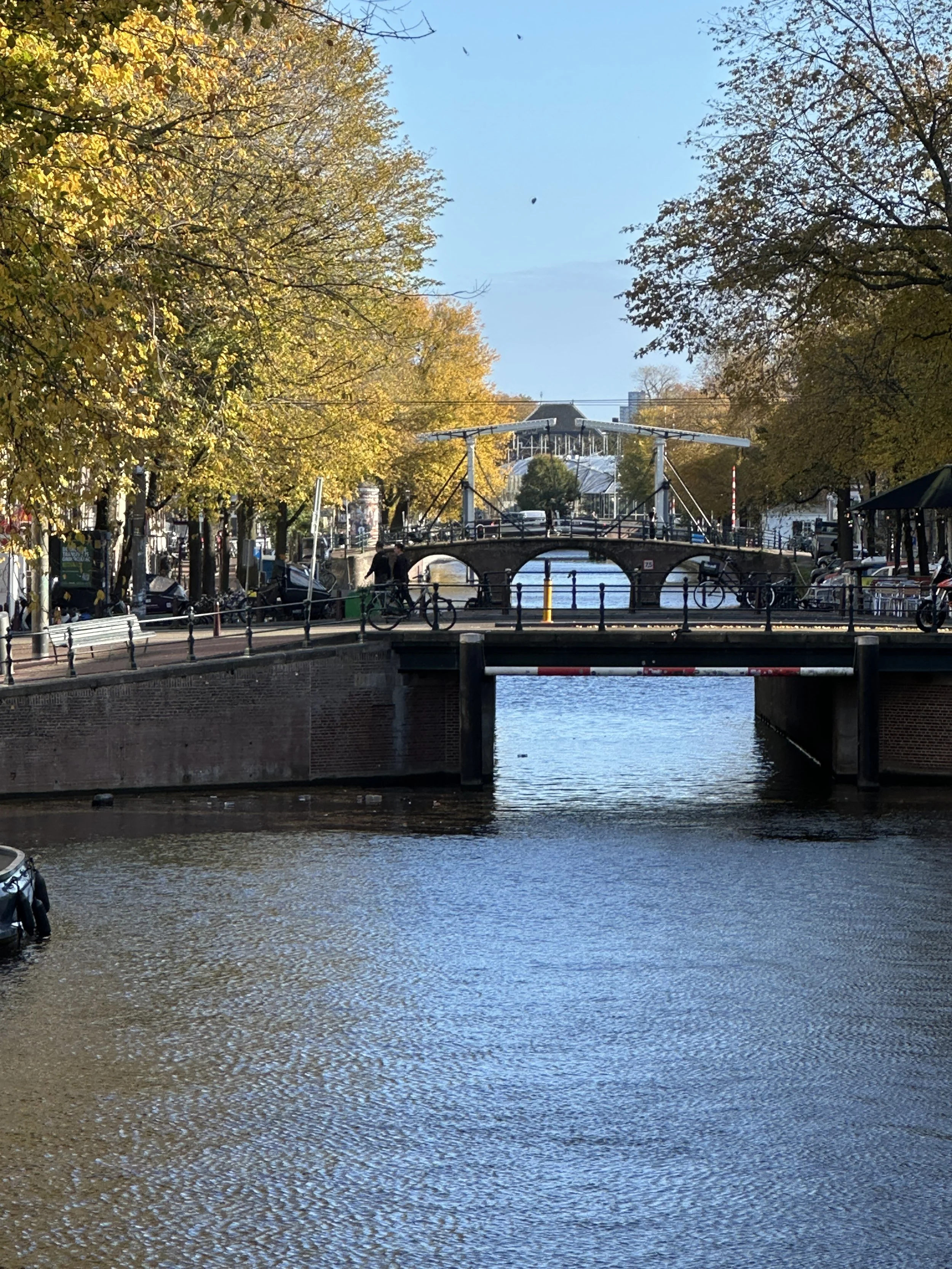
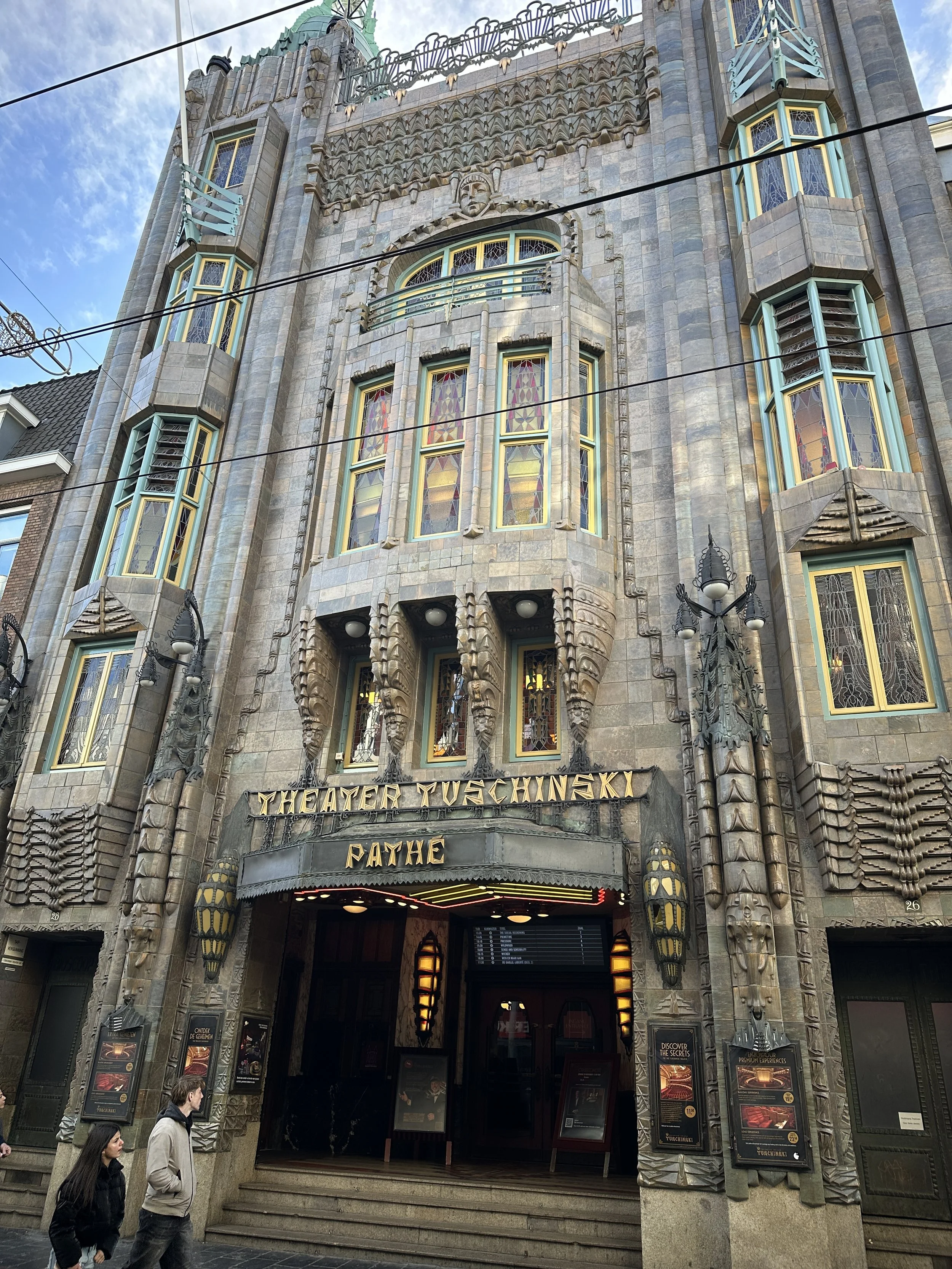
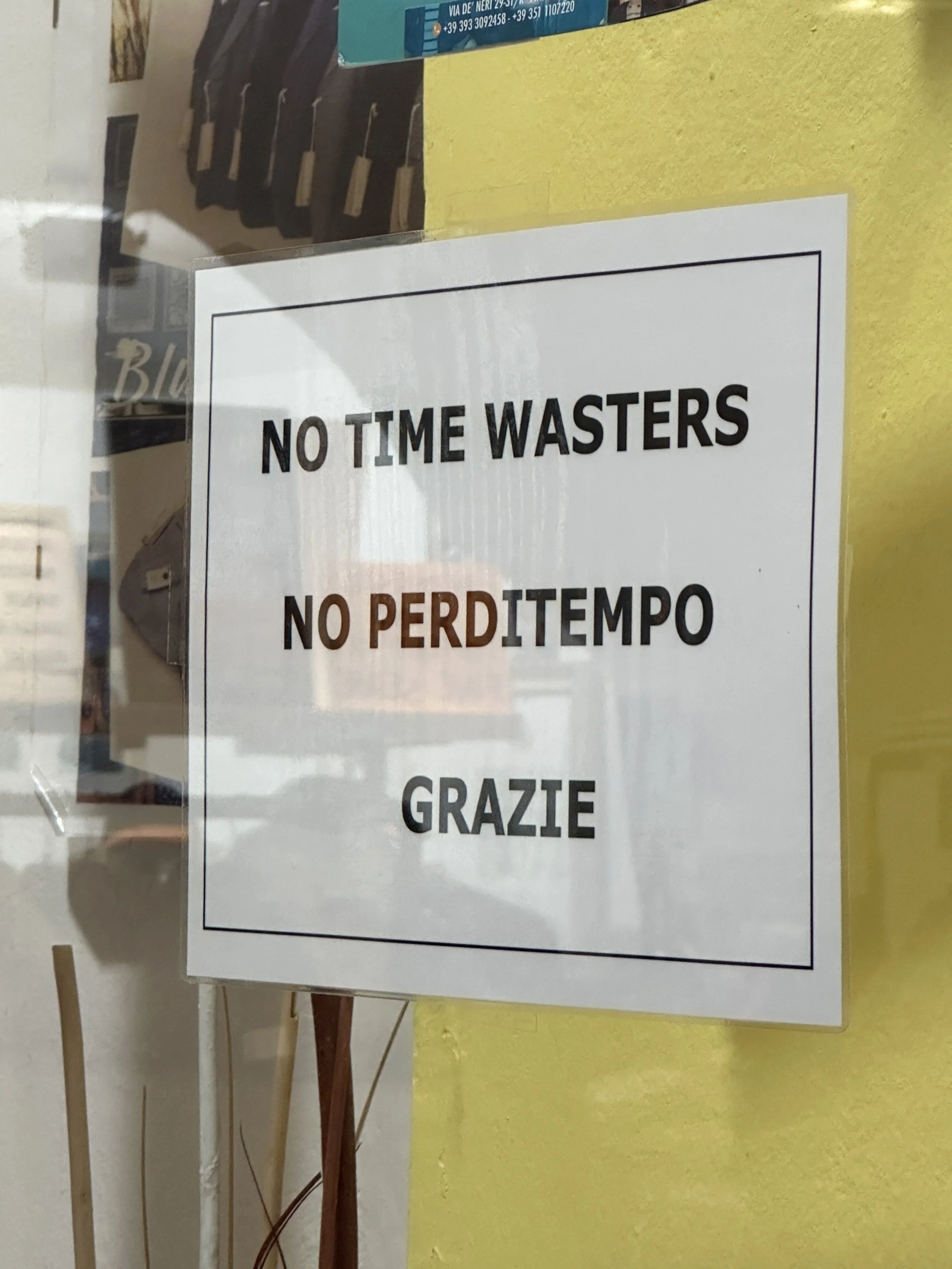
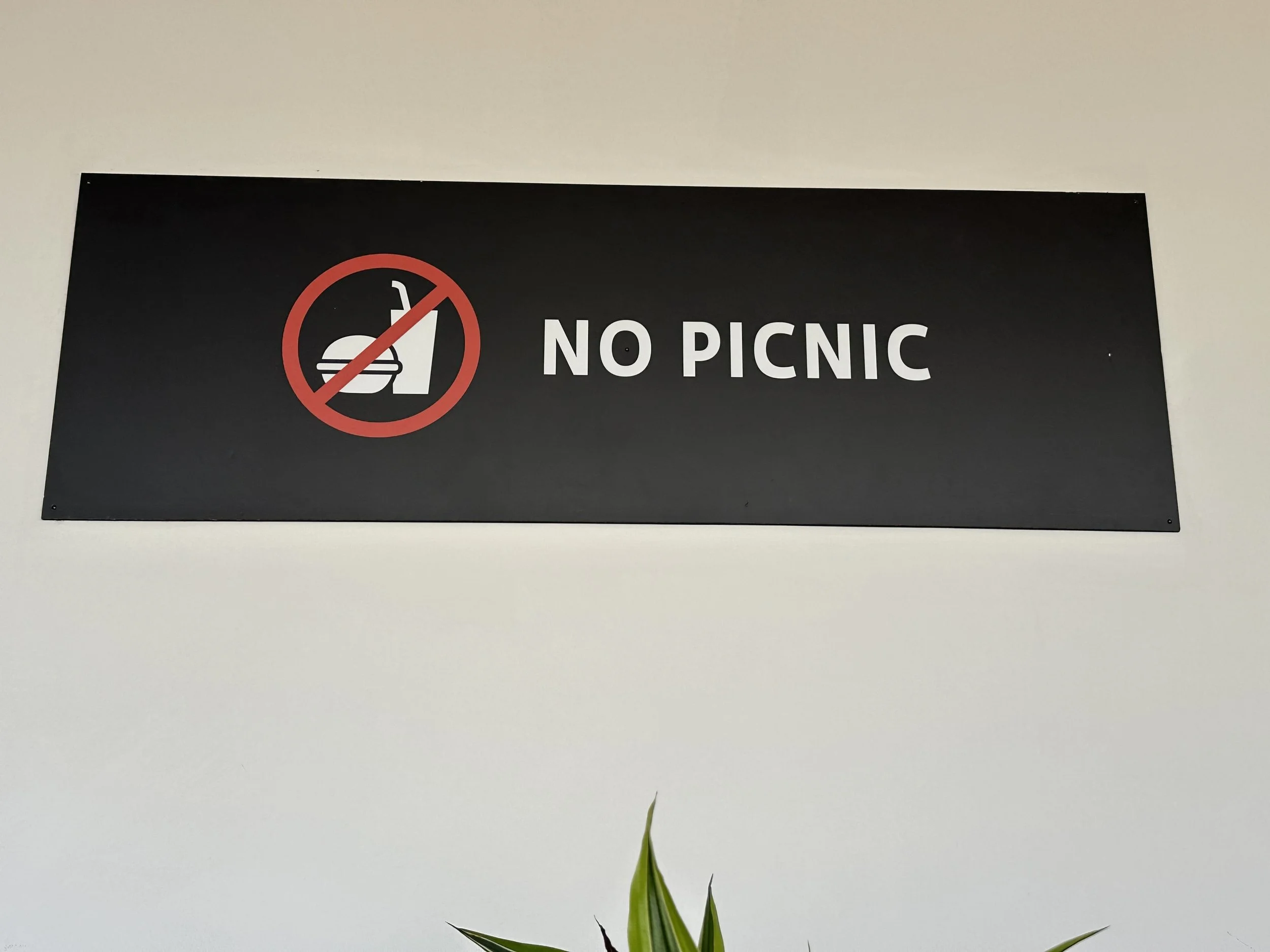
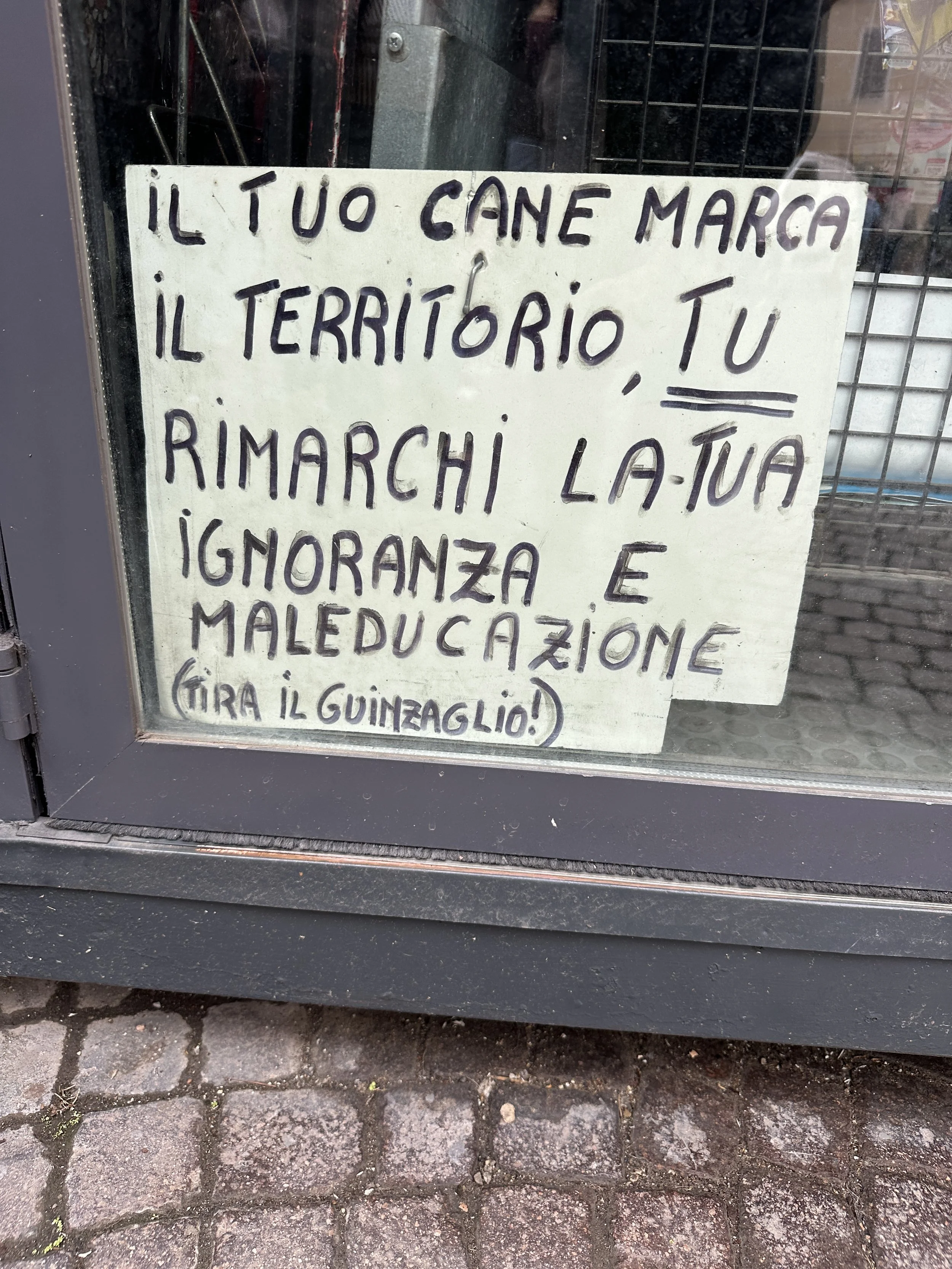
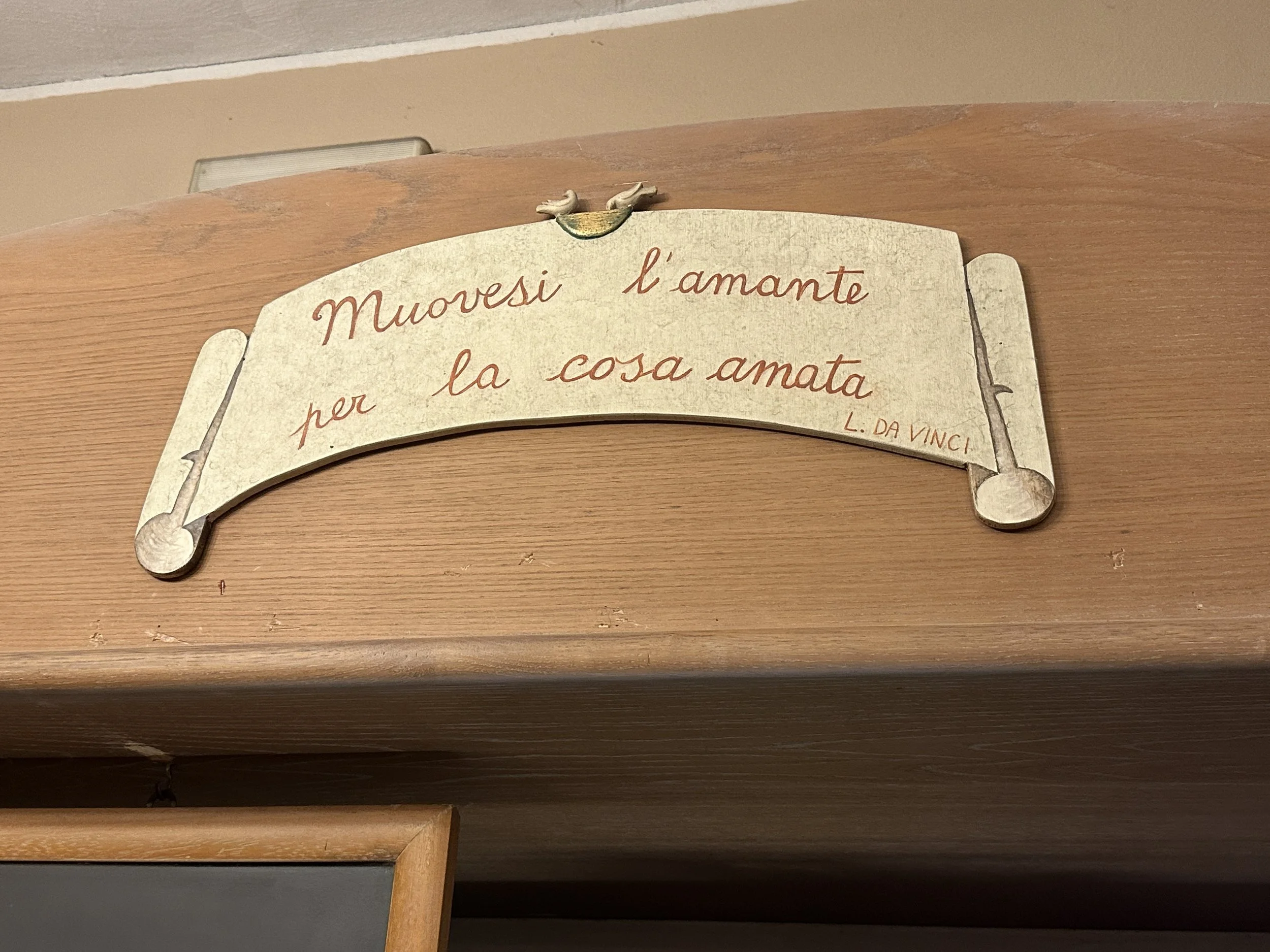
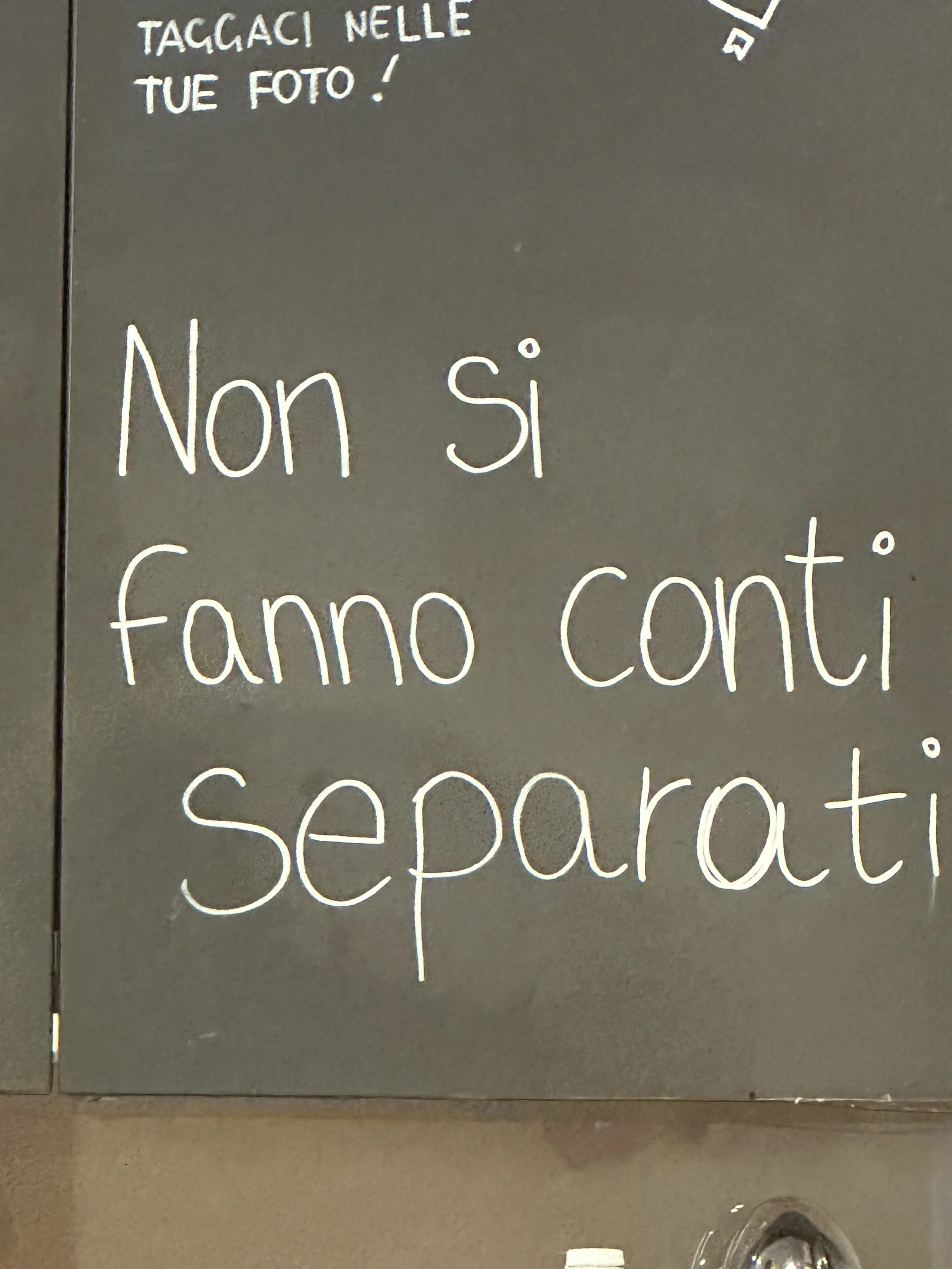
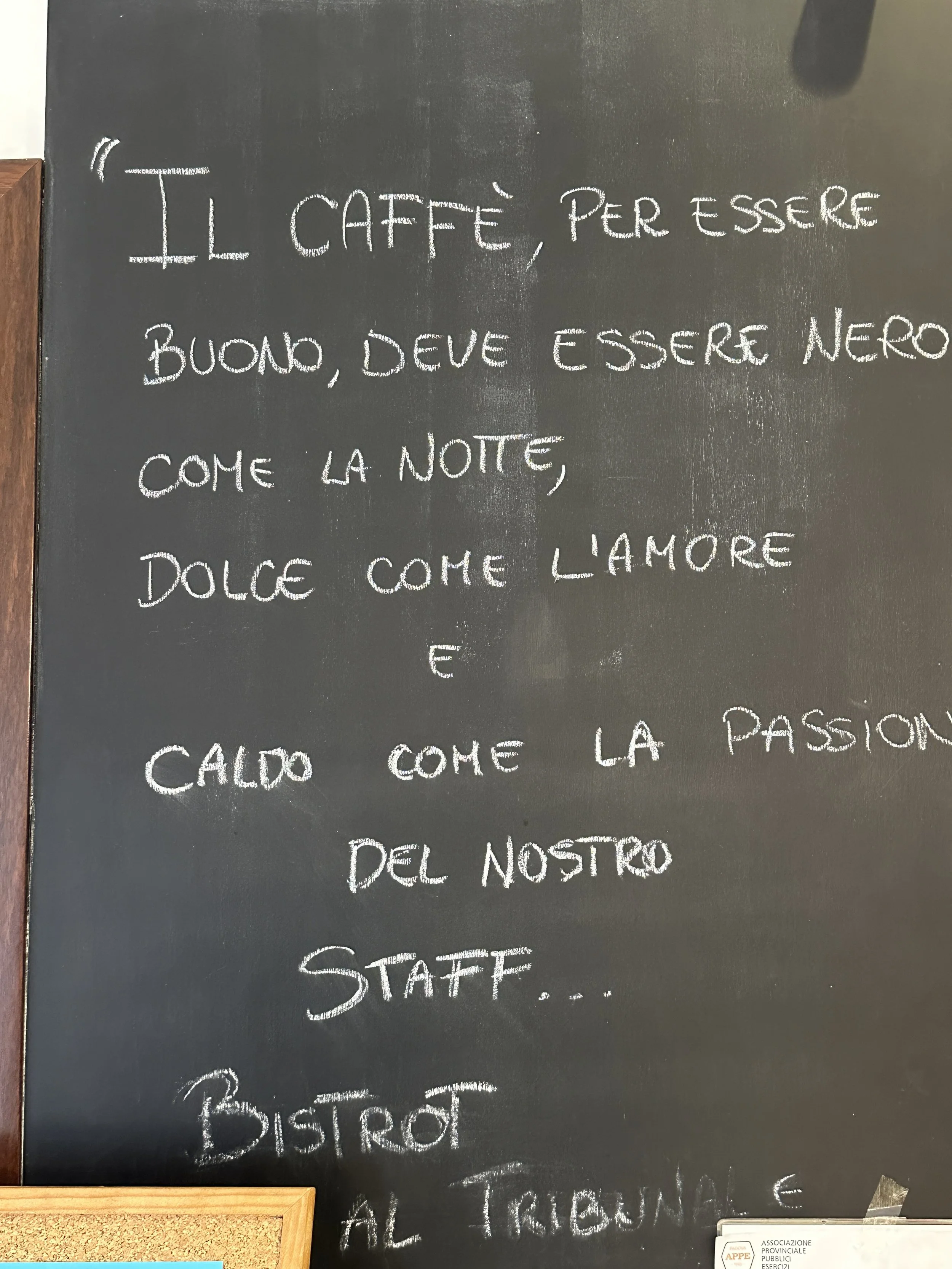
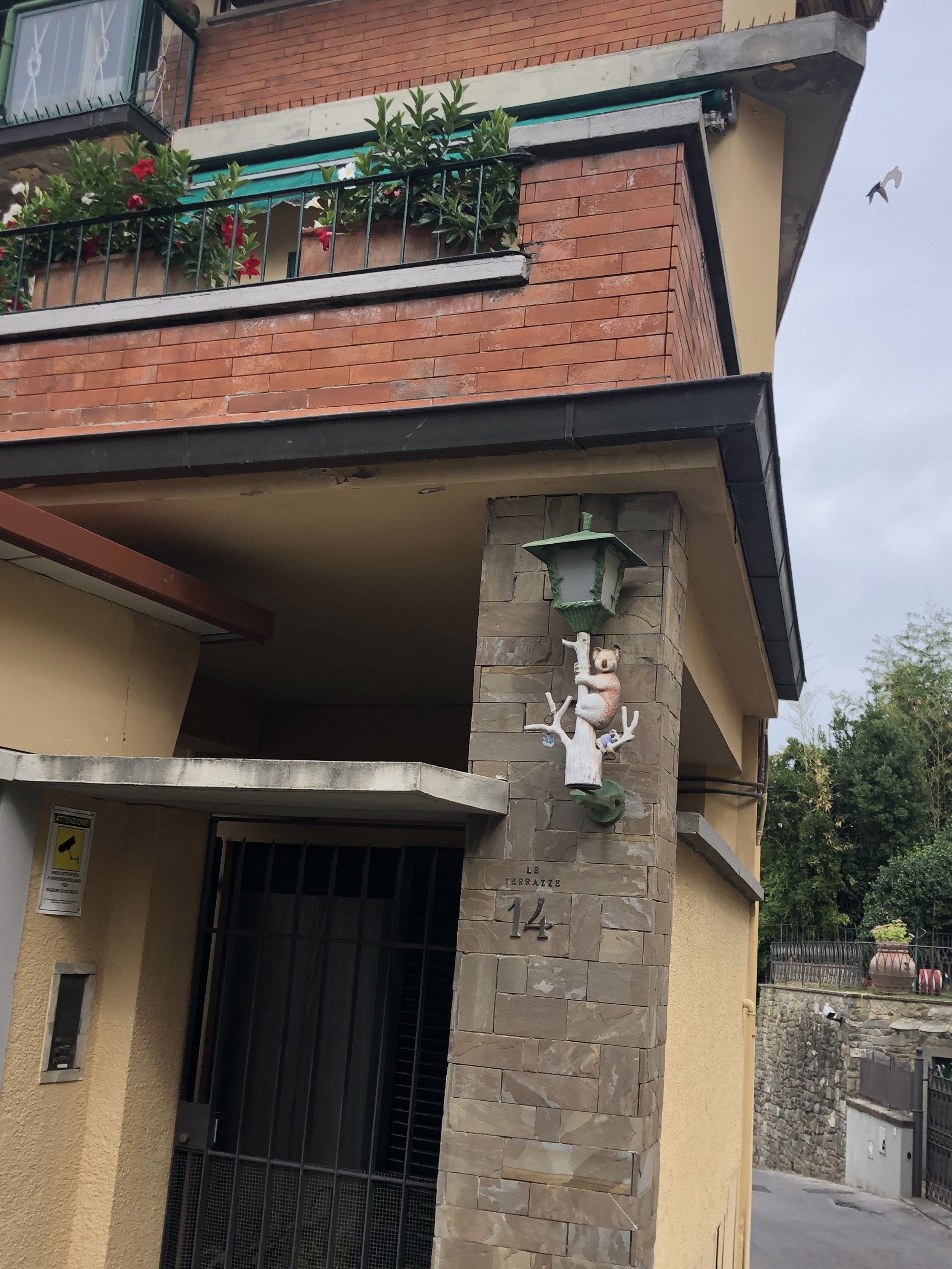
The photo essay aspect of this blog concludes with a collection of signs that tickled my fancy.